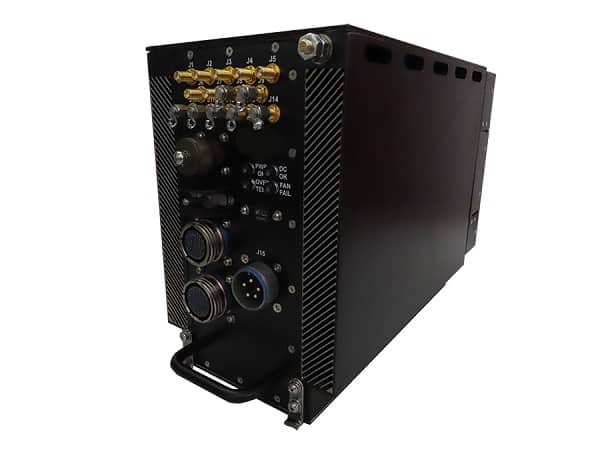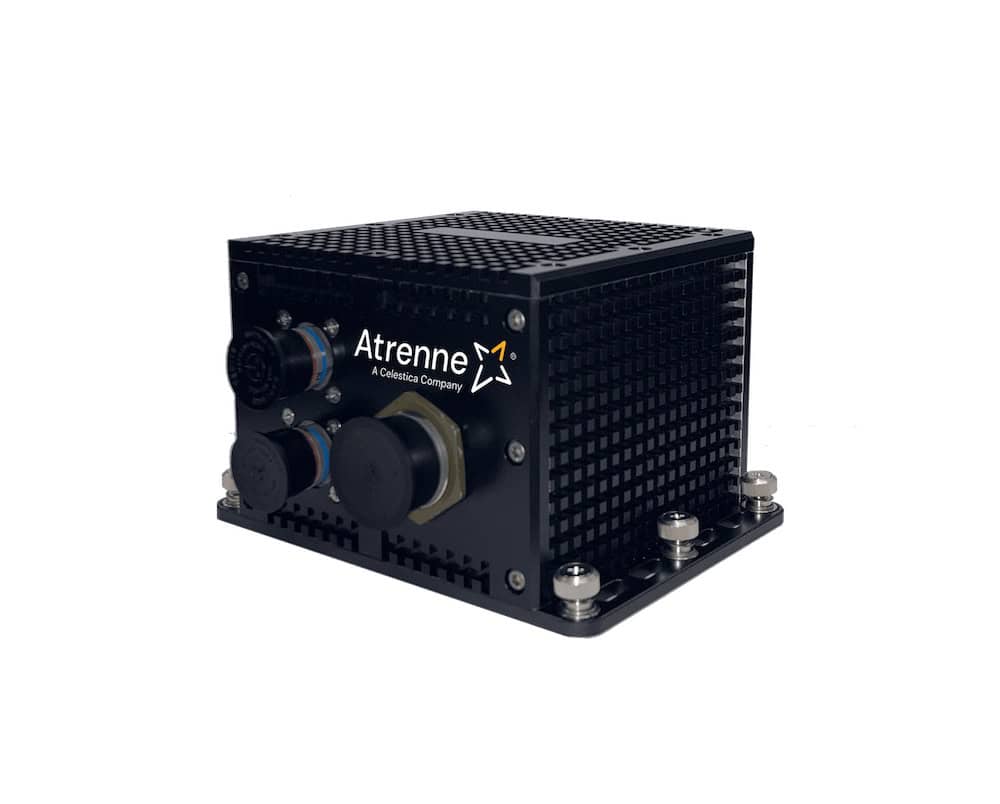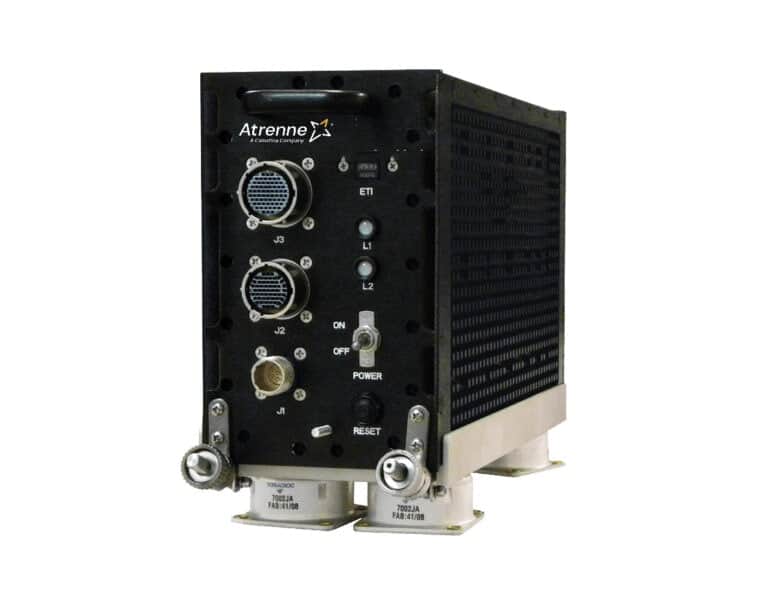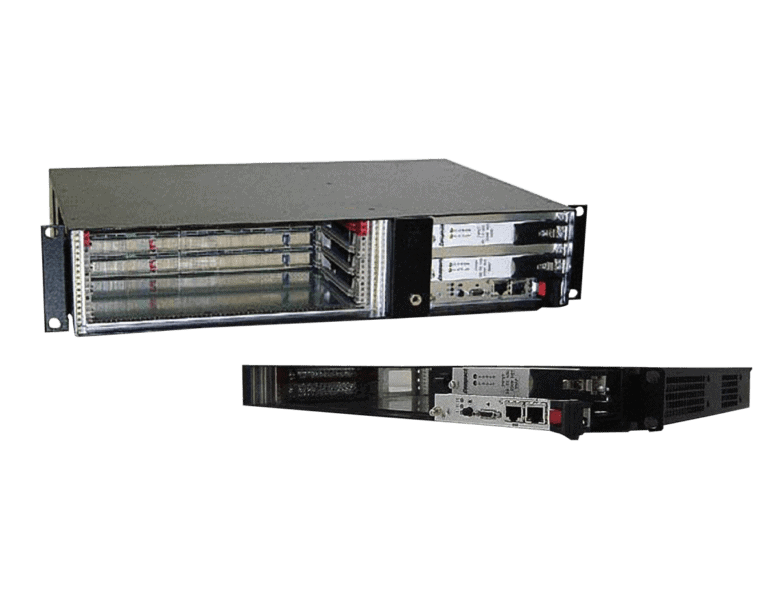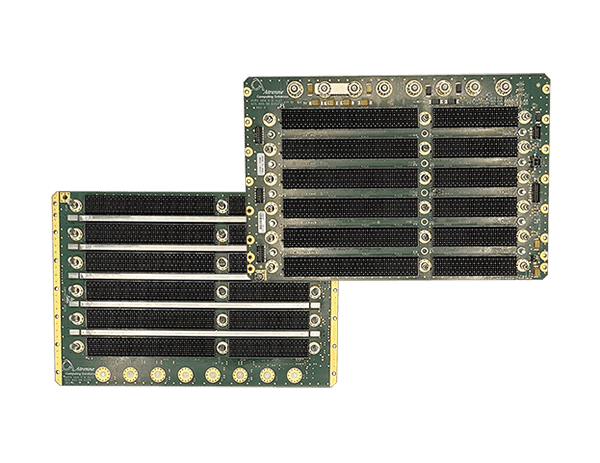





Atrenne, a Celestica Company, a developer of rugged computing and electronics solutions, explains how precision-engineered custom backplanes optimize trace routing, maintain signal integrity, and manage thermal performance for reliable operation in high-performance and harsh environments. Read more >>
In high-performance systems, backplanes are more than passive connectors. They serve as precision-engineered interfaces managing power, signal speed, and thermal resilience across the electronics architecture.
As systems become faster, smaller, and more rugged, Atrenne focuses on custom backplane design, ensuring that decisions related to trace routing, signal integrity, and thermal management support mission success in harsh environments.
Trace Routing
High-speed systems depend on precise trace routing to maintain signal performance, reduce latency, and minimize crosstalk. Atrenne employs impedance-controlled routing to ensure consistent signal propagation, even in dense multi-layer backplanes.
Key design factors include controlled impedance for high-speed SerDes interfaces, length matching for differential pairs and clock signals, via optimization to reduce signal degradation, and segregated power and ground planes to minimize noise. Advanced PCB layout tools and simulation models enable engineers to visualize and validate trace topologies prior to fabrication.
Atrenne’s solutions include SOSA™ / OpenVPX Backplanes, engineered for speed, density, and modularity, as well as Custom Backplanes designed collaboratively to optimize trace performance or built-to-print.
Signal Integrity
Signal degradation can lead to timing errors, jitter, and system failure. Atrenne addresses these challenges using pre-layout signal integrity simulations with industry-standard tools, as well as insertion loss and return loss modeling for long traces and connectors.
The company also incorporates margin design to account for manufacturing and environmental variations, selects low-dielectric-loss materials such as FR408HR and Megtron 6, and applies de-skewing techniques and shielding strategies to preserve signal quality in harsh EMI conditions.
Product examples from Atrenne include SOSA Development Chassis for signal-intensive prototyping and OpenVPX Solutions, modular architectures designed for electrical performance.
Thermal Considerations
High-speed electronics generate significant heat, affecting performance, material properties, and lifespan.
Atrenne implements thermal vias and copper pours to disperse heat and conducts backplane airflow modeling in conjunction with chassis-level cooling. Material selection is guided by thermal conductivity and coefficient of expansion, while component placement is carefully planned to avoid localized hotspots. Cooling techniques include conduction-cooled, air-over-conduction, and hybrid approaches, all integrated with mechanical enclosures.
The company’s key products include the 3U/6U OpenVPX Air-Over-Conduction Cooled Chassis, developed for thermal management in rugged deployments, and Integrated Packaging Solutions, providing a holistic design to ensure thermal, signal, and mechanical integrity.
Why Backplane Design Matters
Custom backplanes from Atrenne provide the precision backbone for rugged embedded systems. By combining optimized trace routing, validated signal integrity, and engineered thermal pathways, these backplanes ensure reliable performance under extreme environmental conditions, whether carrying high-frequency RF signals or multi-gigabit Ethernet lanes.
Atrenne’s vertically integrated approach, from simulation to manufacturing, offers mission-ready solutions meeting the electrical, mechanical, and thermal demands of defense, aerospace, and industrial applications.