



Venturetec has played a key role in advancing high-precision laser detection systems for monitoring space debris, addressing the growing challenge of orbital litter.

In addition to defunct satellites and rocket parts, increasing quantities of small metallic fragments threaten current and future space missions, particularly at orbital altitudes of 800 to 1,500km, where object density is high. The risk of collisions not only endangers satellites but could also generate cascading debris, making these orbits increasingly uneconomical.
Accurate observation is essential for satellite operators to perform evasive maneuvers and predict debris trajectories reliably. Traditional monitoring relies on radar for objects larger than 1cm in low Earth orbit and optical telescopes for geostationary objects over 30,000km.
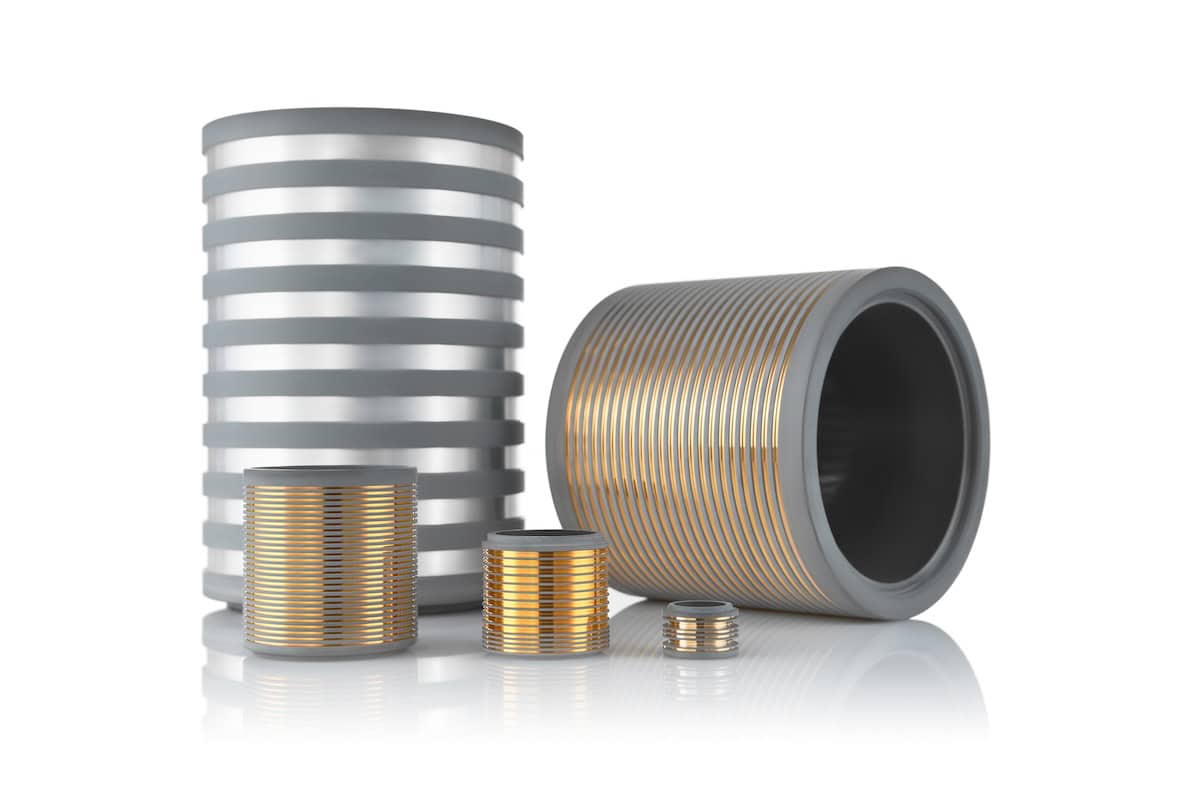
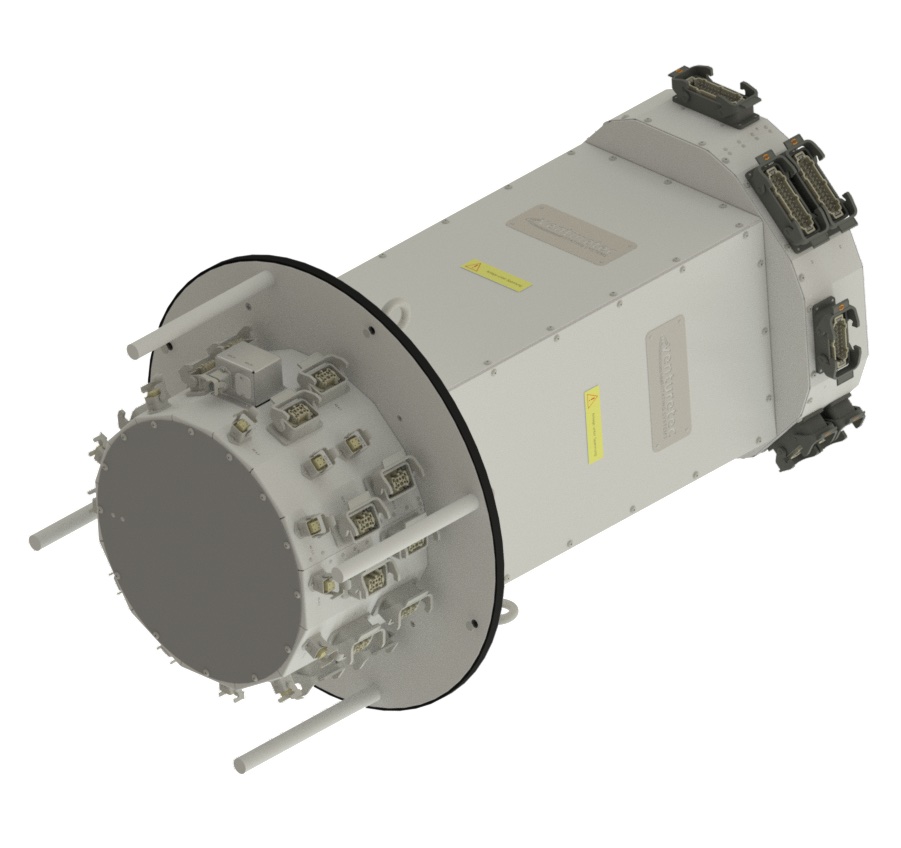
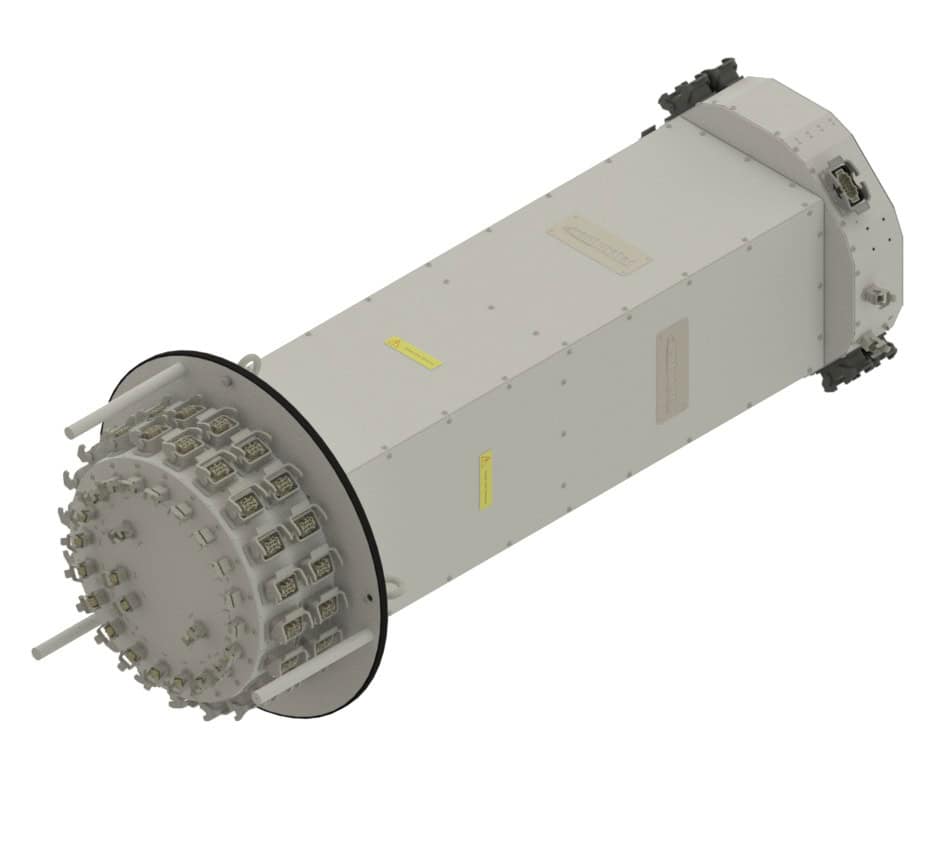
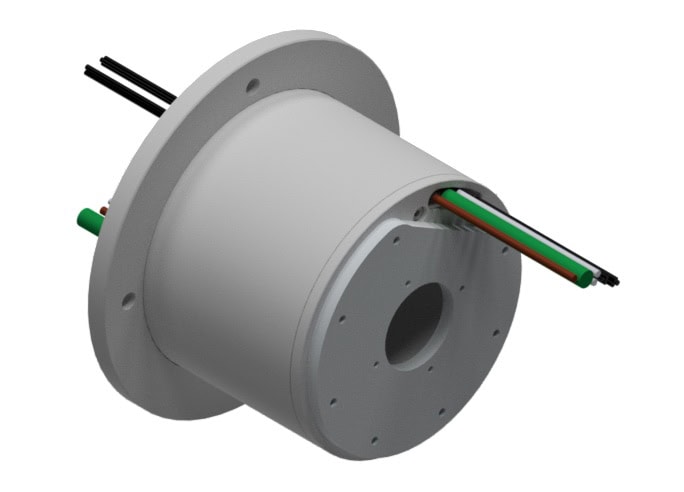
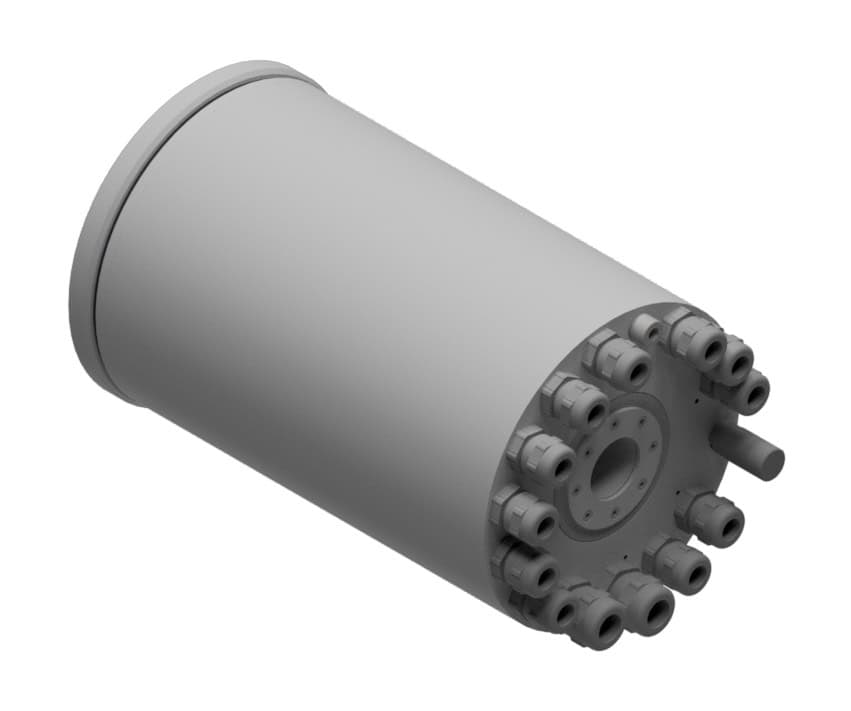
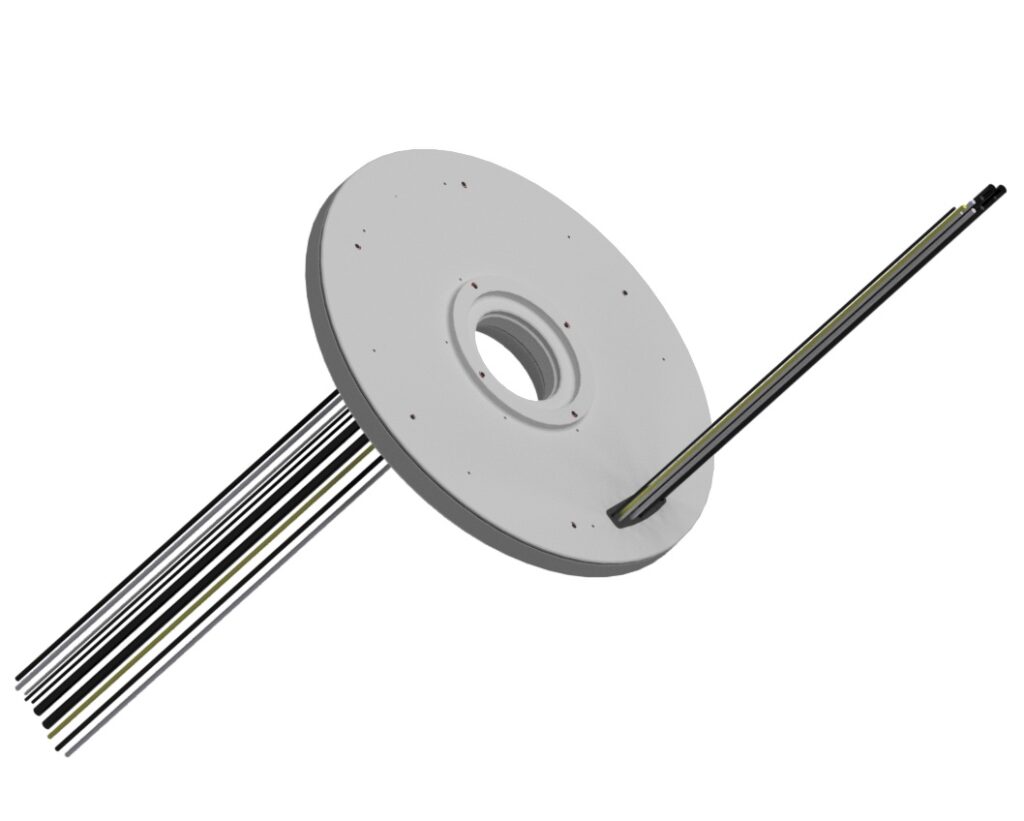
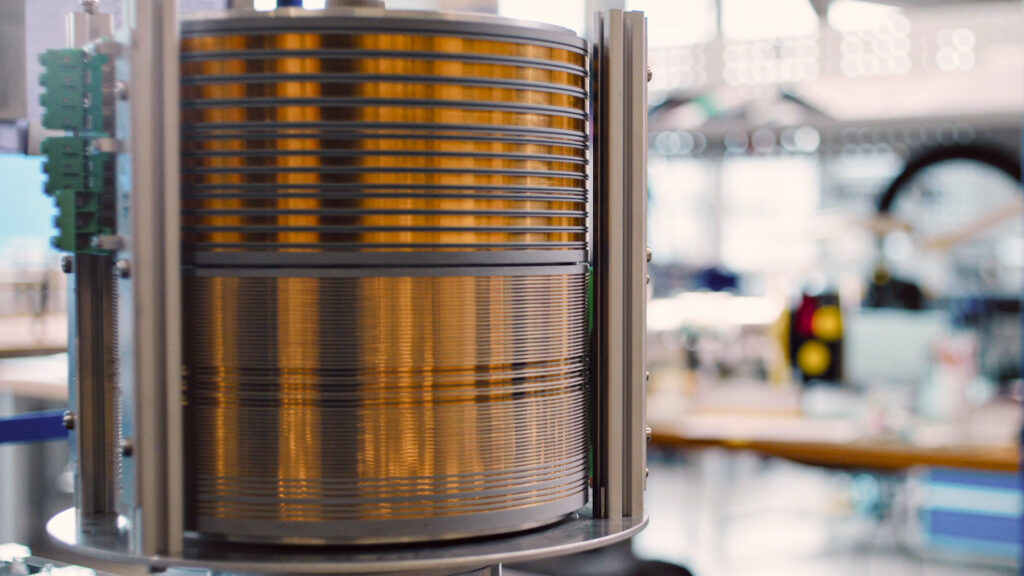
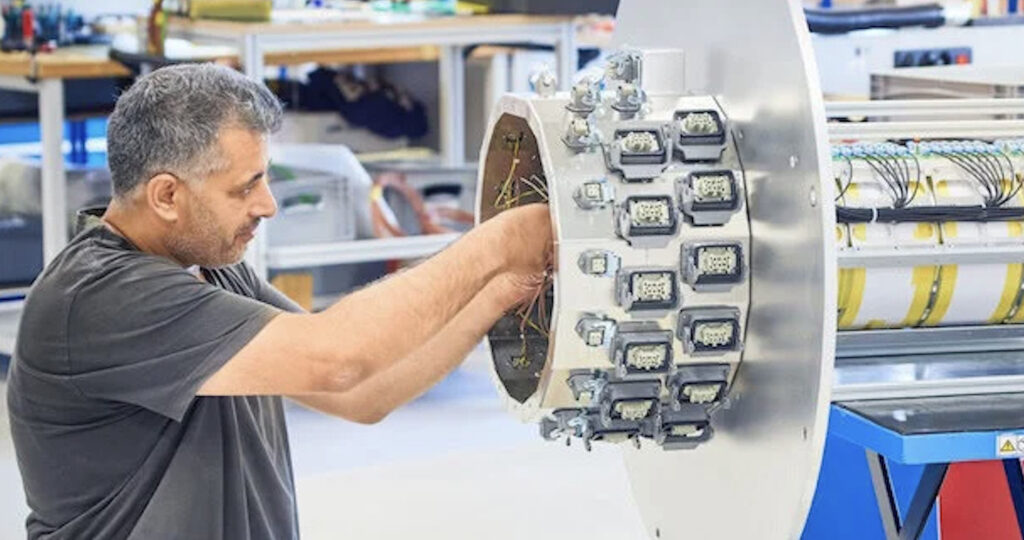
DLR, in collaboration with WTW and Venturetec, is testing innovative laser ranging solutions capable of measuring distances with sub-centimeter accuracy. By integrating powerful Nd:YAG lasers and highly sensitive InGaAs detectors into a customized slip ring system, Venturetec ensured reliable signal and power transmission through full telescope rotation, even under varied climatic conditions. These developments promise independent collision warnings and a robust European database of space debris trajectories, enhancing the safety and sustainability of near-Earth operations.
Find out more on the Venturetec website.