
Advanced Navigation has developed a multi-layered architecture to mitigate the operational risks posed by sophisticated electromagnetic warfare and GPS interference.
Addressing the Threat of Data Corruption
The core problem facing modern naval navigation has shifted from simple signal loss to the complex corruption of data. Jamming has resulted in a denial of service that forces a fallback to inertial or visual methods, whilst spoofing has introduced subtle errors into the navigation solution, causing a vessel to drift off course or providing false timing data to networked systems. These issues propagate through the Combat Management System, leading to tactical latency, degraded engagement for weapon systems, and operational paralysis for commanders who cannot trust their own-ship position.
Resilient Sensor Fusion Architecture
The defense against these threats is found in a resilient, sensor-agnostic architecture that focuses on the integrity of the sensor fusion engine. Through utilizing accelerometers, gyroscopes, velocity aids and filtering algorithms, these systems create an internal “truth” that external spoofing cannot easily overwrite. This architecture delivers deterministic PNT assurance by detecting spoofing characteristics, such as unrealistic velocity gating or clock drift, and transitions to inertial-only without data discontinuities.
Scalable and ITAR-free Solutions
The company has offered a scalable architecture designed to match the performance class of the Inertial Navigation System (INS) to the specific constraints of the vessel. These products are ITAR-free, which has significantly reduced administrative friction and enabled rapid deployment for allied fleets. Vertically integrated manufacturing has further reduced risk from supply chains that can be challenged by geopolitical instability.
High-Performance Navigation for Uncrewed Systems
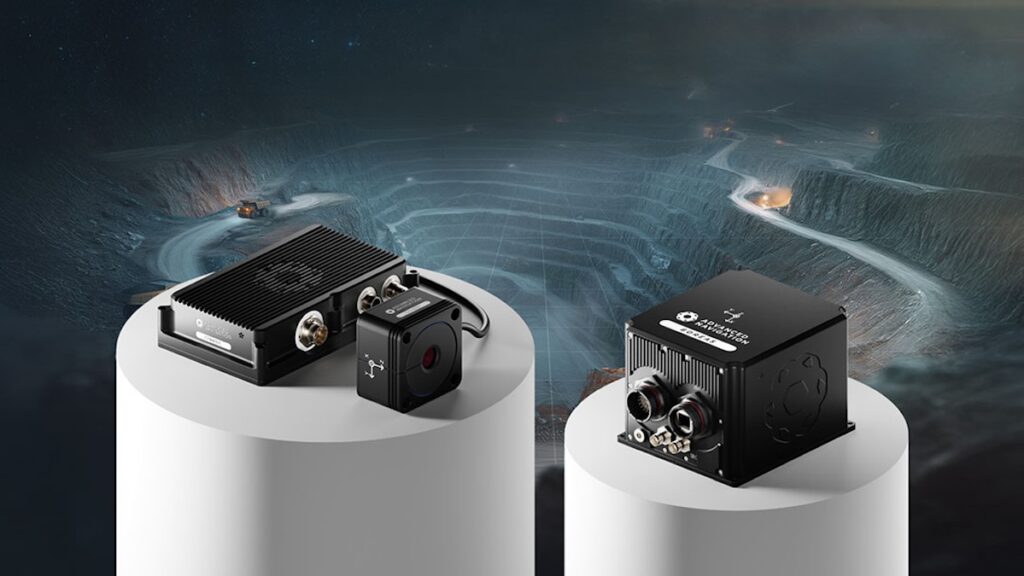
The Certus Evo has been introduced as an ideal solution for Uncrewed Surface Vessels (USVs) operating in littoral zones where interference is intense. It represents a leap forward in MEMS technology, delivering best performance in a compact form factor with the lowest SWaP-C profile in its class. Additionally, the Certus Evo offers an electronic protection variant with a multi-band receiver for added resilience.
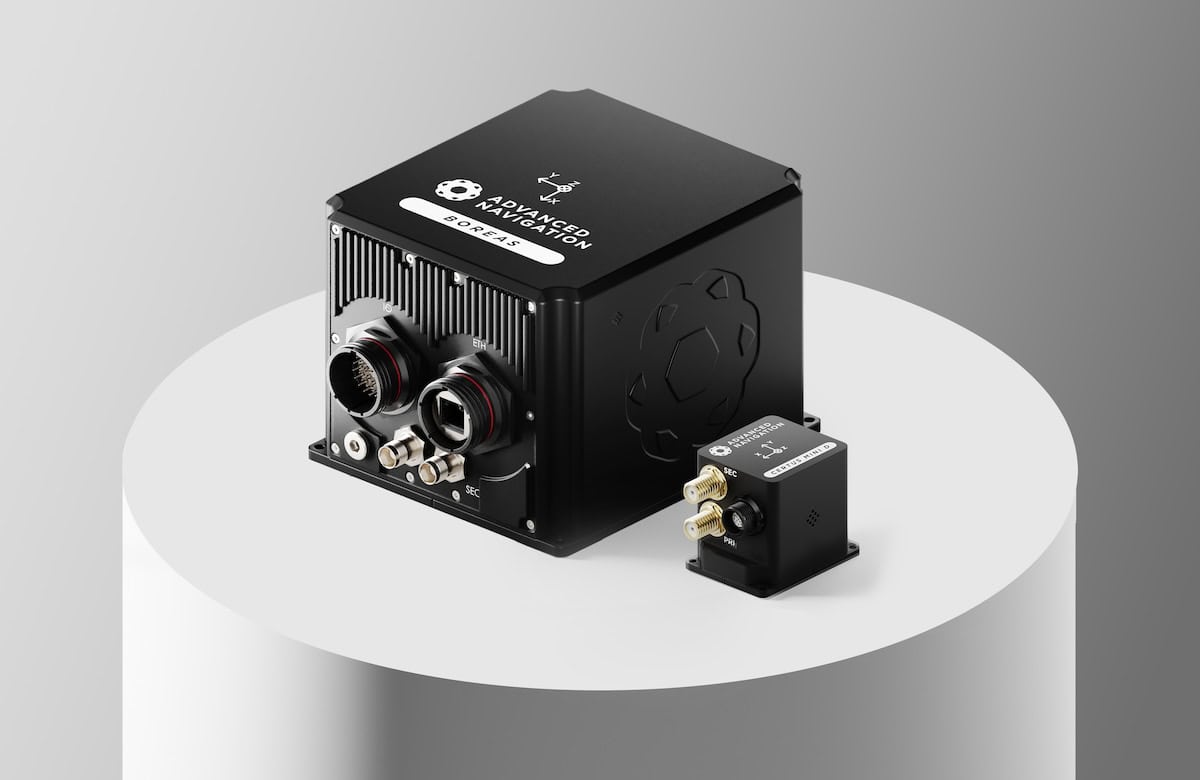
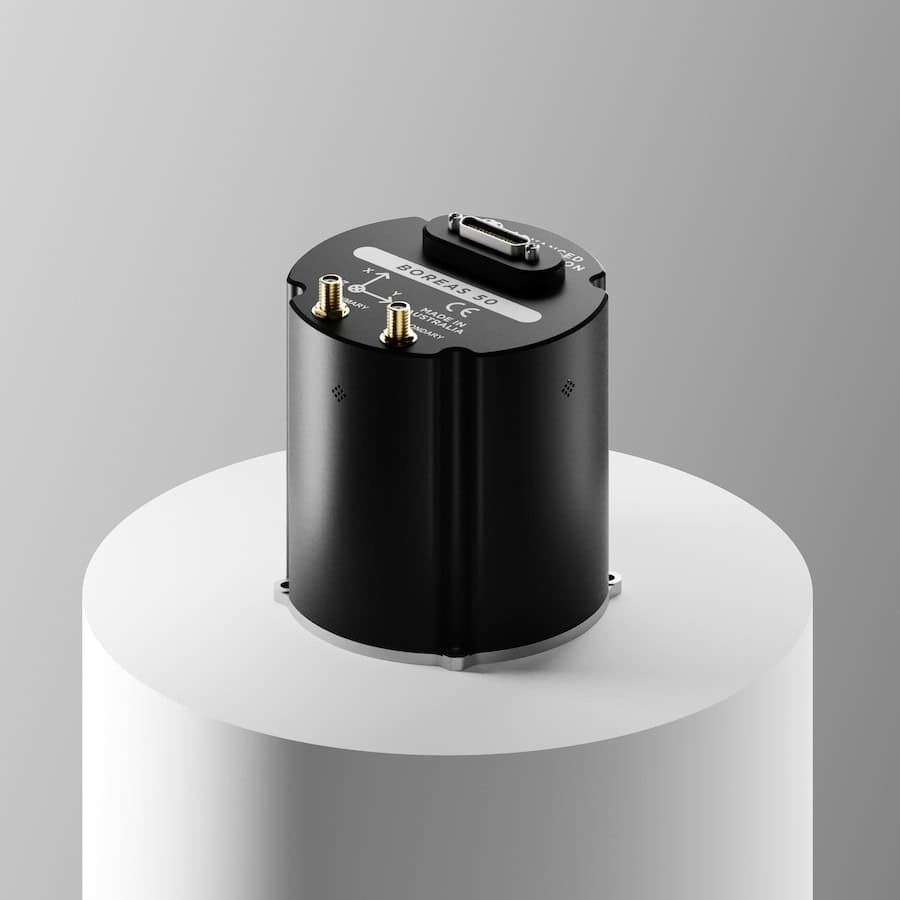
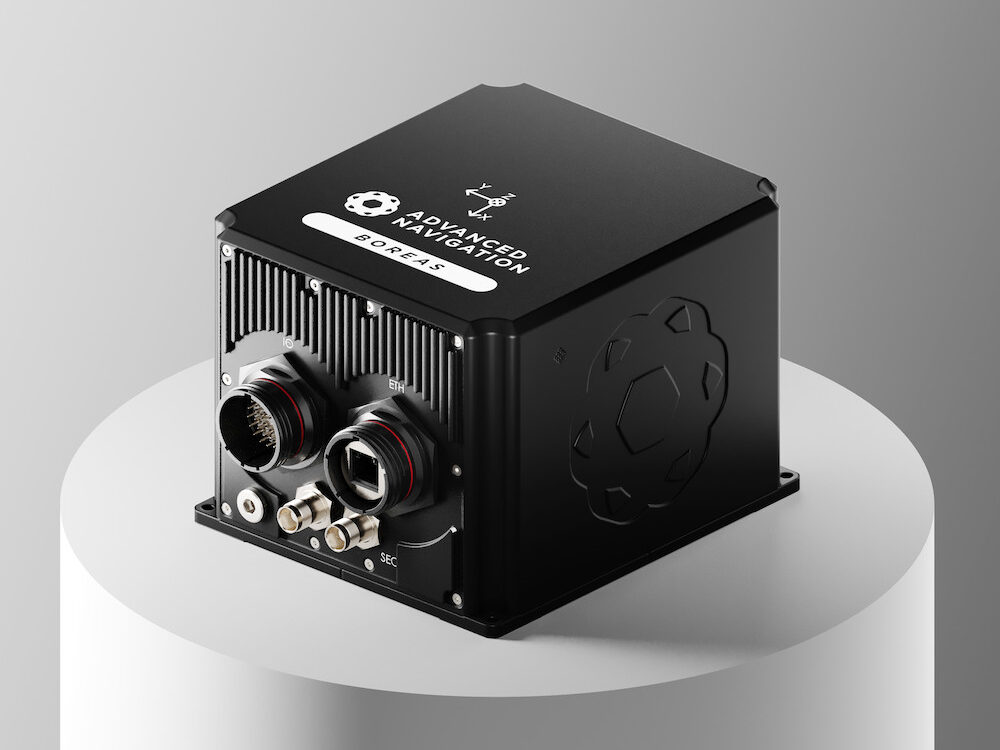
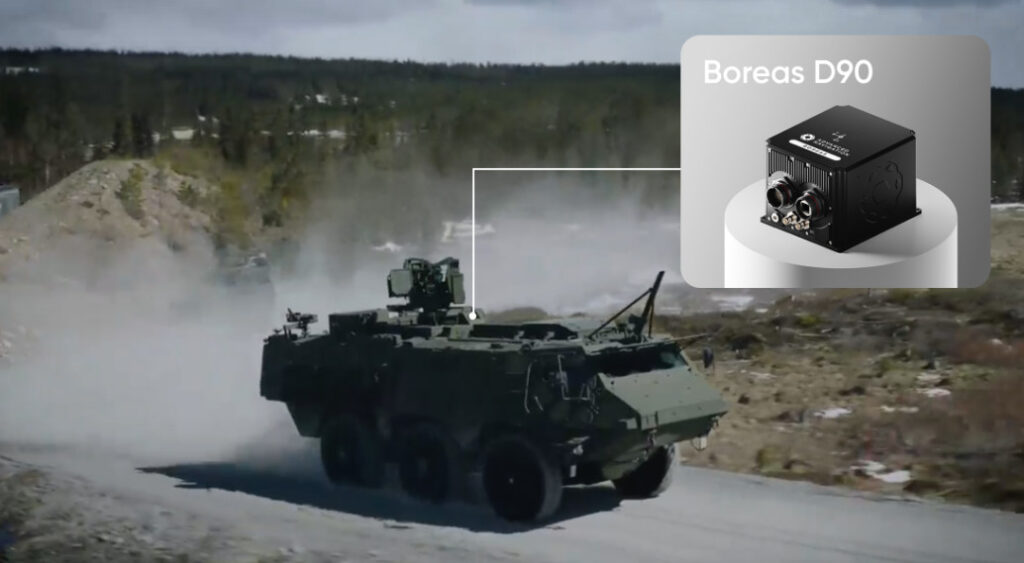
For high-performance uncrewed underwater vehicles (UUVs) and crewed surface vessels, the Boreas D50, D70, and D90 utilize Fiber Optic Gyroscope (FOG) technology. In scenarios where GPS interference is total, the Boreas series offers best-in-class free inertial and dead reckoning performance. The Boreas D50 in particular, offers fast north seeking capability (accurately determining north from the earth’s rotation) in a compact form factor, ensures that your dead-reckoning error budget is not consumed by heading instability, allowing for extended submerged or GNSS-denied operations with precision.
As GPS interference continues to evolve, the reliance on satellite data must be backed by inertial technologies and aiding sources such as DVL. Advanced Navigation provides the toolkit to ensure a navigation solution remains true, even when the world around it is compromised.
Read Defending Your Naval Navigation Against GPS Interference for more information.