




Beechat Network Systems develops zero-trust low-SWaP radios, and mesh firmware stacks for military, defense and security applications.

In this exclusive Q&A, DA sat down with Nicholas Q, Beechat’s Chief Executive Officer, to discuss the Kaonic platform and the company’s approach to secure communications, product development, system integration, and supporting modern defense and unmanned operations.
How does Beechat ensure that the Kaonic 1S module can be easily integrated into existing vehicles, UAV, or fixed defense platforms, without the need for extensive redesign or custom adaptation?
When developing a new product at Beechat, we begin with extensive customer interviews and field discussions to understand our end-user’s operational requirements before the design phase. This process covers platform constraints, connector standards, mounting needs, and protocol compatibility.
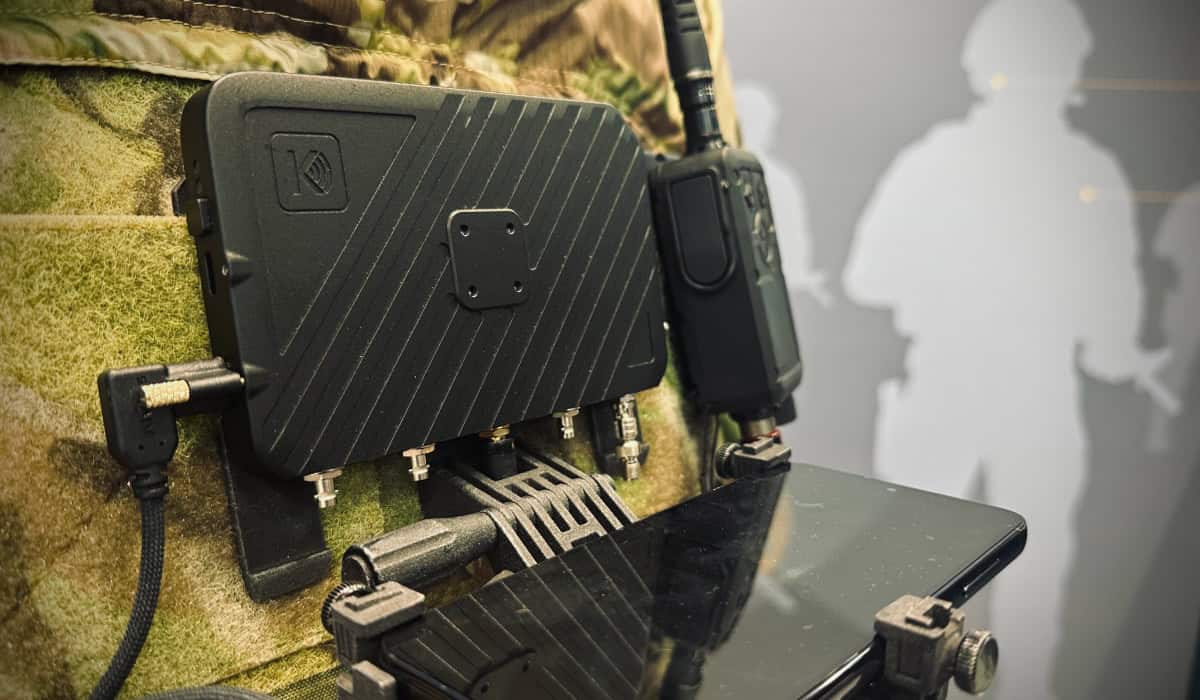
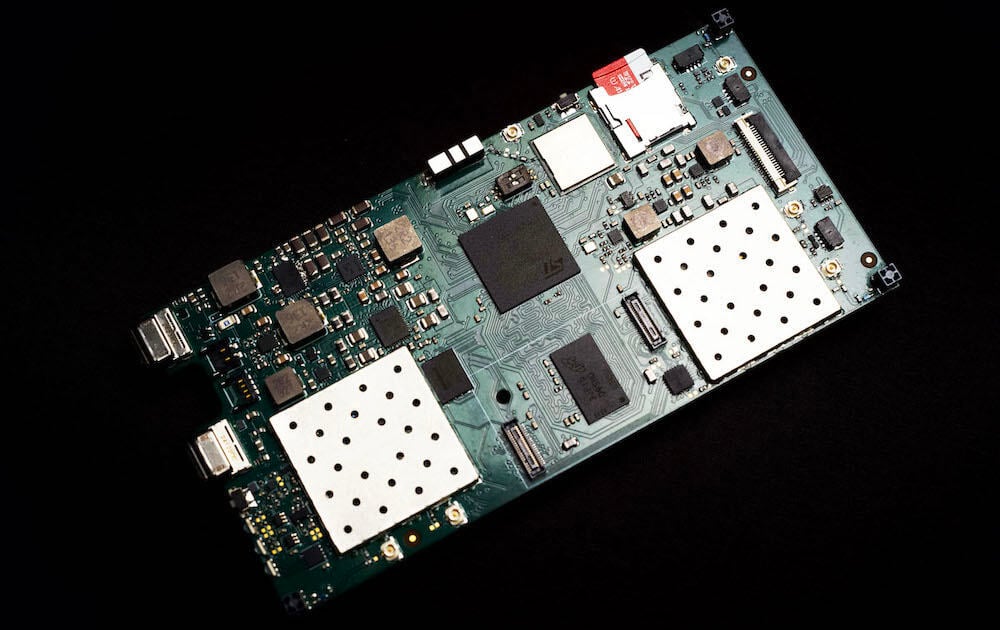
The Kaonic 1S was built from the outset as a drop-in OEM radio module. It offers USB-C, UART, and Bluetooth/Wi-Fi connectivity, functioning either as a standalone radio or as a peripheral for a companion computer.
Its modular, software-defined architecture allows integrators to embed it in UAVs, UGVs, or fixed platforms without mechanical or electrical redesign. A rugged, wearable version is also available, featuring an integrated battery and enclosure for outdoor and tactical applications.
How do Beechat Network Systems’ radios and modules integrate with existing military and unmanned platforms that already use standard interfaces such as ATAK, MAVLink, or existing mesh networking protocols?
Kaonic is the first purpose-built software-defined radio platform designed around Reticulum, an open-source cryptographic mesh networking protocol. Reticulum enables fully decentralized, trustless communication across heterogeneous networks without central coordination. Kaonic radios natively support MAVLink over Reticulum for UxV command and control, as well as CoT (Cursor-on-Target) messaging for TAK interoperability.
With our companion software suite, operators can bridge Kaonic mesh networks with existing IP-based systems, allowing TAK users and legacy radios to exchange data securely across mixed networks. Each Kaonic node can function as both a standalone tactical mesh endpoint and a bridge to existing infrastructure, extending the reach of conventional systems into disconnected or contested environments while maintaining end-to-end cryptographic trust.
Defense platforms often require long-term product support and lifecycle management. How does Beechat ensure ongoing compliance and quality assurance as firmware, components, and standards evolve over time?
We ensure lifecycle management and quality through version-locked builds, signed OTA updates, and proactive component planning. All Kaonic firmware is built from reproducible Yocto images, with every release cryptographically signed end-to-end. We maintain SBOMs and monitor vendor EOL notices to plan form-fit-function replacements early.
Because the entire stack is open source and MIT licensed, customers can audit, fork, and maintain the codebase themselves, reducing long-term vendor risk. Our compliance process includes periodic pre-compliance reviews whenever design parameters or components are updated, ensuring ongoing conformity with RED and FCC requirements throughout the product lifecycle.
Your flagship Kaonic tactical MIMO SDR platform is designed and manufactured in the UK. Can you tell us more about your compliance with EU regulations and NDAA-ready sourcing?

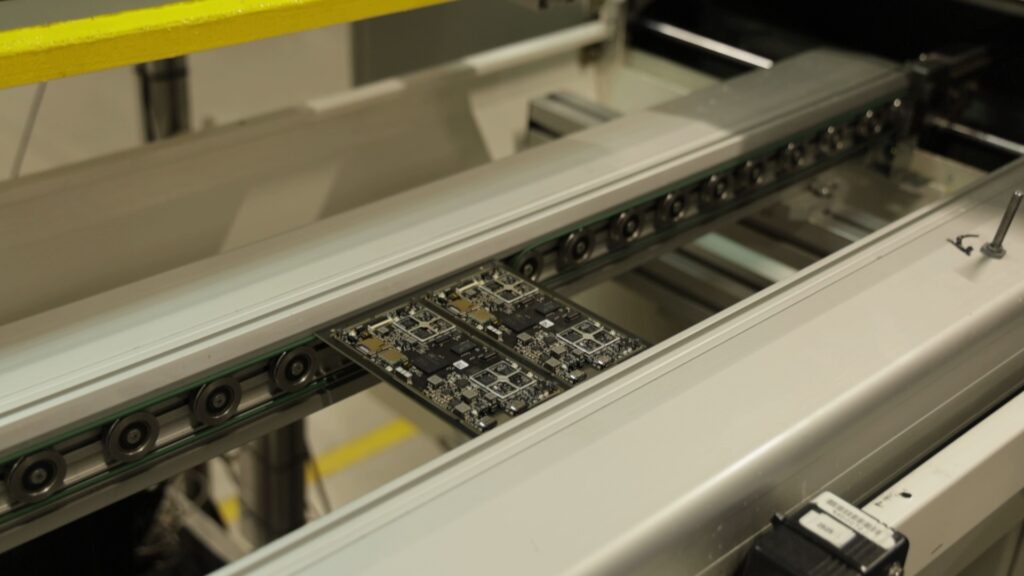
Design and assembly are carried out in NATO Allied countries, with PCBA production in the EU, providing full supply chain traceability. The Kaonic 1S is an OEM module intended for integration, so end-product CE and FCC certification is performed by the OEM. We design to EU RED and FCC Part 15 standards and conduct pre-compliance testing to de-risk final certification.
Our sourcing is NDAA-ready, using only EU and US suppliers and avoiding restricted or high-risk silicon. This ensures support for customers requiring European manufacturing, NDAA compliance, and clear documentation for platform-level approvals.
Thank you for your time. It was a pleasure speaking with Beechat, and we look forward to seeing how your innovations continue to advance secure, resilient communications for defense applications.