Allient Inc. has published a whitepaper providing an engineering guide to the motor technologies used in drone systems and the key considerations involved in selecting motors for Unmanned Aerial Vehicle (UAV) applications.
As drone platforms continue to evolve across defense, security, and industrial applications, motor performance plays an important role in determining payload capability, endurance, controllability, and overall system reliability.
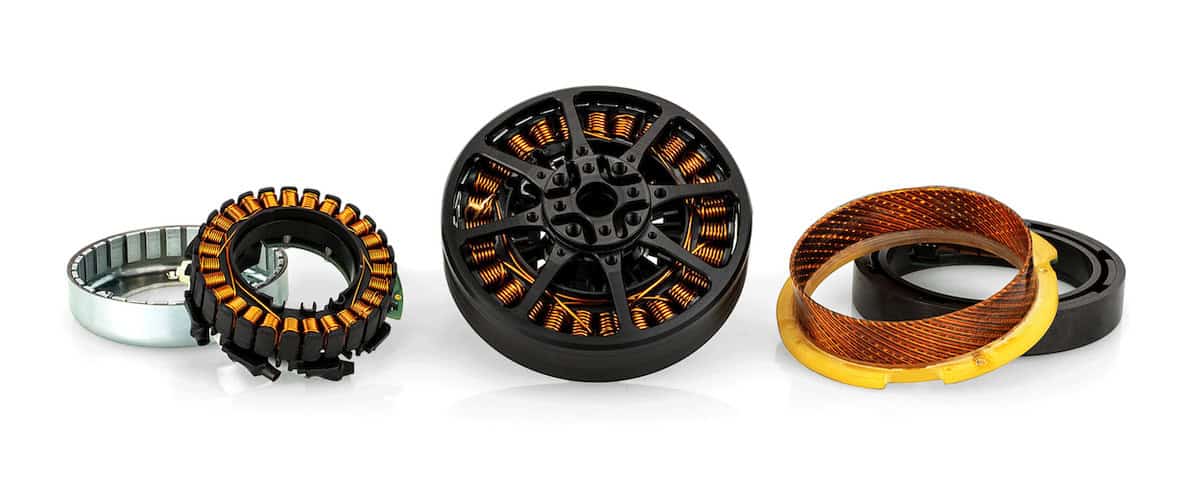
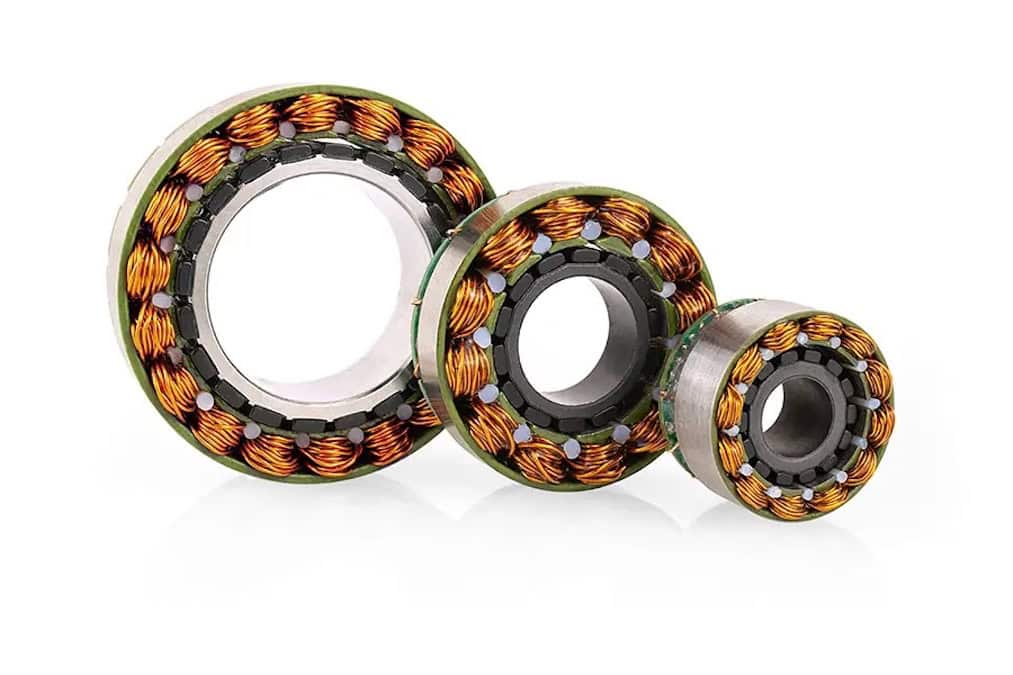
The whitepaper explains that most drone propulsion systems use brushless DC (BLDC) or permanent-magnet synchronous motors due to their high efficiency, controllability, and power density. It also examines the different motor configurations used throughout UAV systems, including outer-rotor motors commonly used for propulsion, inner-rotor and frameless motors used in gimbal and auxiliary motion systems, and emerging axial-flux designs suited to compact, space-constrained applications.
Key engineering considerations covered in the whitepaper include thrust-to-weight ratio, efficiency, KV rating, thermal behavior, and mechanical robustness. It also emphasizes the importance of understanding airflow-based cooling, propeller matching, and real operating conditions when evaluating motor performance, particularly in defense and security platforms where reliability, supply-chain compliance, and performance consistency are important factors.