Modern military helmets are sophisticated, multifunctional headborne systems, forming a critical node in the dismounted soldier’s survivability and digital architecture. This guide highlights leading suppliers of military helmet systems, including bump, ballistic and tactical helmets for various mission requirements.
If you design, build or supply Military Helmets, create a profile to showcase your capabilities and connect with visitors who have an active requirement for your solutions.
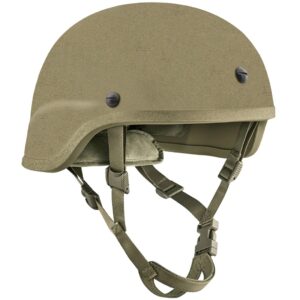
HELLBENDER™ FE ballistic helmet for federal ballistic protection requirements
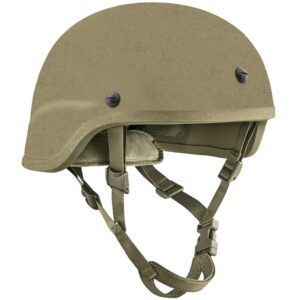
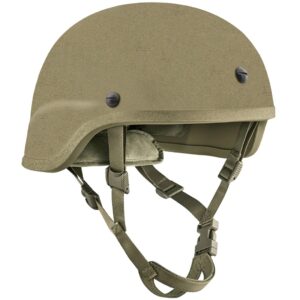
HELLBENDER™ FE ballistic helmet for federal ballistic protection requirements
...� FE ballistic helmet is an FBI- and DEA-aligned head protection solution engineered to meet... ...equipment, the helmet features an ACH-style front profile and a no-through-hole architecture that...
Modern military helmets have evolved far beyond the simple steel shells of the past. Today, the new military helmet is a sophisticated, multifunctional headborne system, forming a critical node in the dismounted soldier’s survivability and digital architecture. This guide explores the engineering, materials science, and digital integration that define the state-of-the-art in combat head protection.
Engineering the Shell: Materials and Ballistic Performance
The pivotal shift in head protection came with the transition from steel to advanced composite materials. This change fundamentally transformed the army helmet into a modern protective system, prioritizing a superior protection-to-weight ratio.
Aramid Fibers: Fibers like Kevlar® and Twaron® were the first major composite breakthrough. These materials use multiple woven layers to effectively catch and dissipate the energy from fragments and pistol-caliber rounds.
Ultra-High-Molecular-Weight Polyethylene (UHMWPE): Materials like Dyneema® and Spectra® represent the current peak of ballistic material science. Used extensively in advanced designs like the Enhanced Combat Helmet (ECH) and many special forces helmet systems, UHMWPE composites offer significantly enhanced fragmentation and ballistic stopping power compared to aramid at a lower density. This material is key to reducing neck strain for operators carrying heavy equipment.
Hybrid Composites: Many leading manufacturers, including those producing systems like the FAST helmet, utilize hybrid laminates that combine aramid and UHMWPE to optimize energy absorption against multiple threat vectors while managing cost and weight.
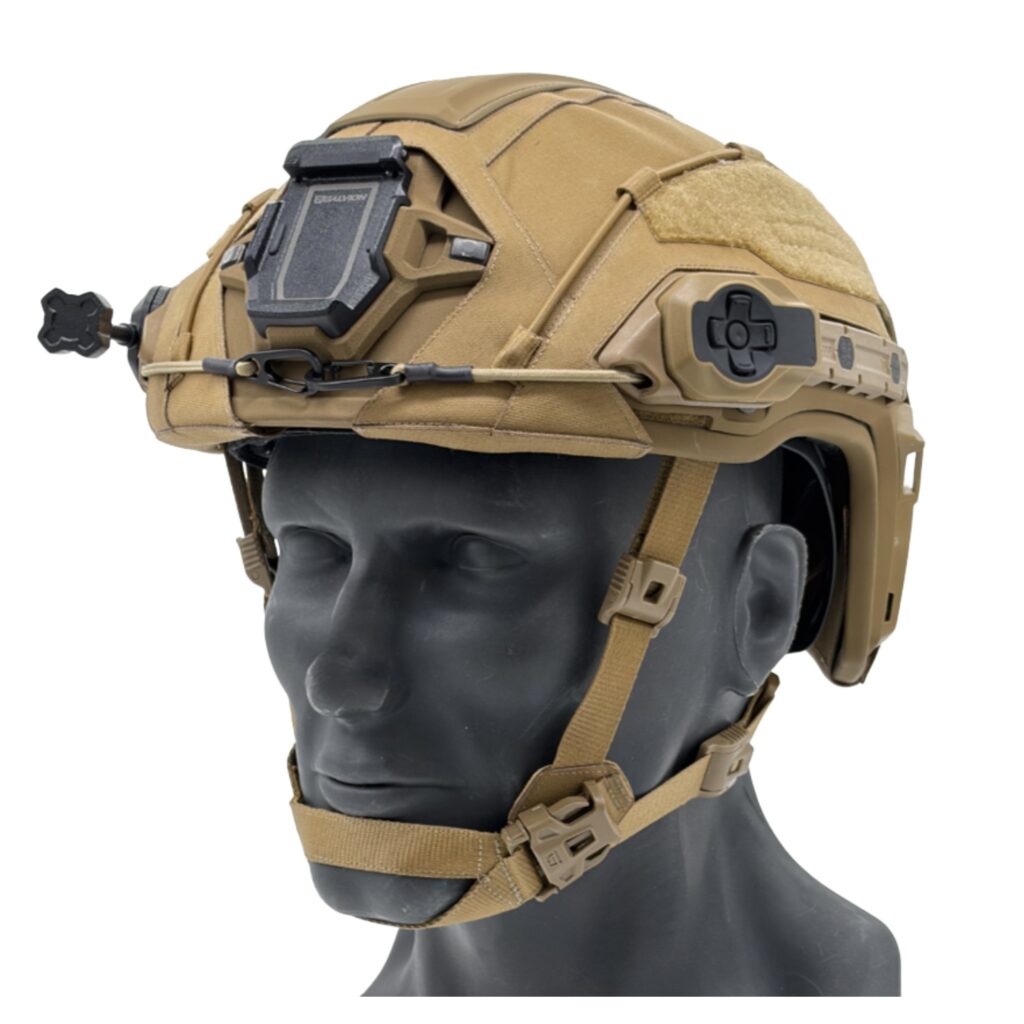
BATLSKIN CAIMAN® modern ballistic military helmet by Galvion.
Protection Standards for Military Helmets
Military standards for head protection systems go well beyond typical commercial ratings, demanding stringent performance verification:
V50 Fragmentation Limit: This is the primary measure for combat helmet performance in military contexts (governed by MIL-STD-662F and NATO STANAG 2920). V50 defines the velocity at which a specified fragment (usually a steel sphere) has a 50% chance of penetrating the material.
NIJ Level IIIA: While this certification for protection against handgun threats (up to .44 Magnum) is often met by military helmets, their design priorities are overwhelmingly driven by fragmentation and specific battlefield rifle-round defeat capabilities, especially in recent generations like the ECH.
Categorizing Modern Helmet Architectures
Contemporary designs are defined less by specific models and more by their cut and purpose, reflecting evolving tactical and integration requirements.
Full-Cut/Mid-Cut: Designs like the PASGT, MICH (Modular Integrated Communications Helmet), and the ACH (Advanced Combat Helmet) prioritize maximum coverage. The ECH represents the evolution of this form factor, incorporating UHMWPE for improved performance.
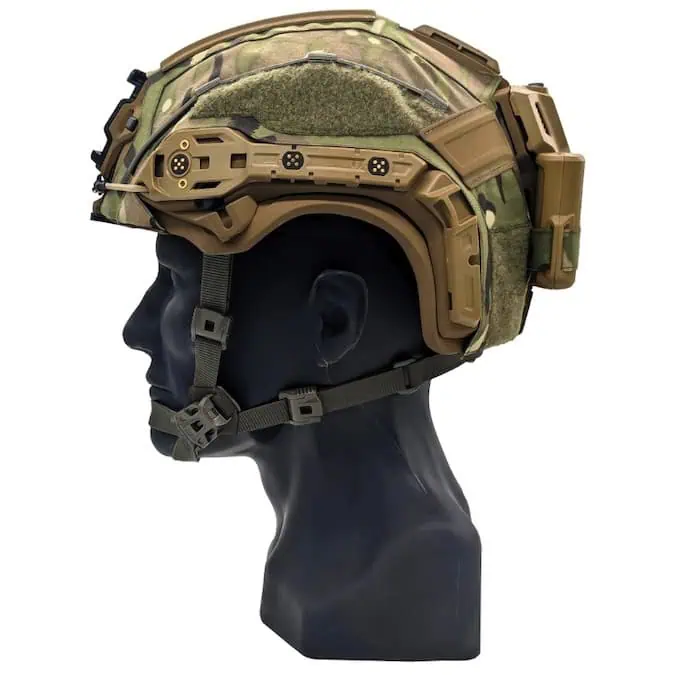
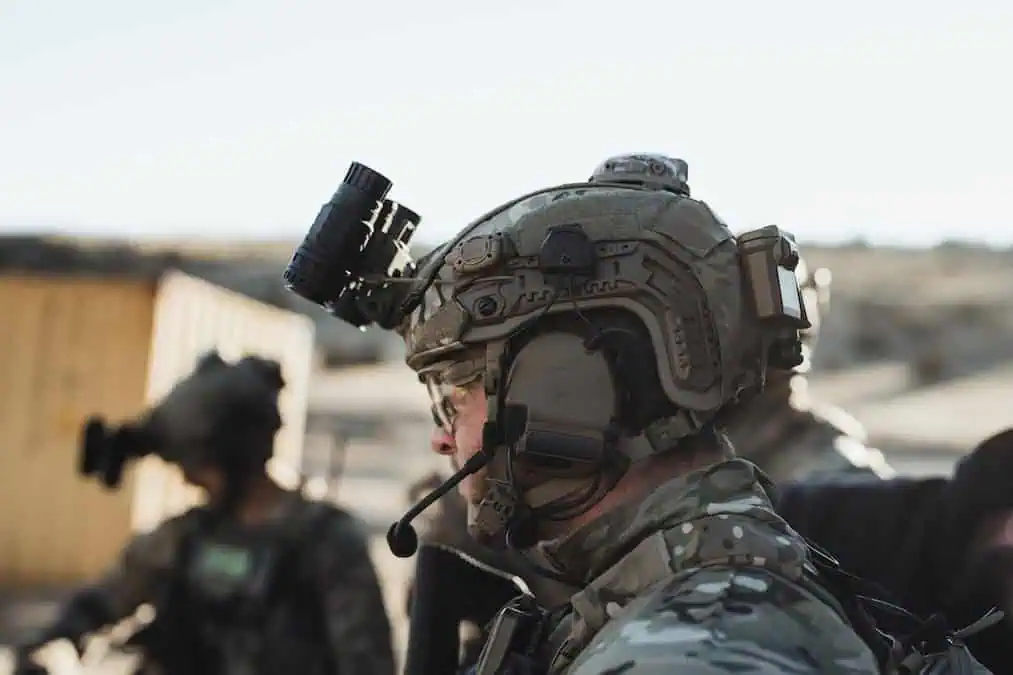
High-Cut (Special Operations/Tactical): This design, pioneered by systems like the FAST helmet, features a high-cut shell above the ears. This profile is engineered specifically to provide clearance for over-the-ear tactical communications headsets, a requirement for spec ops helmet configurations. These designs prioritize modularity and hearing integration over marginal increases in ballistic coverage.
Specialty and Non-Ballistic Systems
Bump Helmets: Used primarily for training, climbing, and vehicular operations, these non-ballistic helmets use materials like reinforced polymer or carbon-fiber composite. They offer protection against blunt force trauma and debris, maintaining the same modular interfaces as their ballistic counterparts for seamless accessory interchangeability.
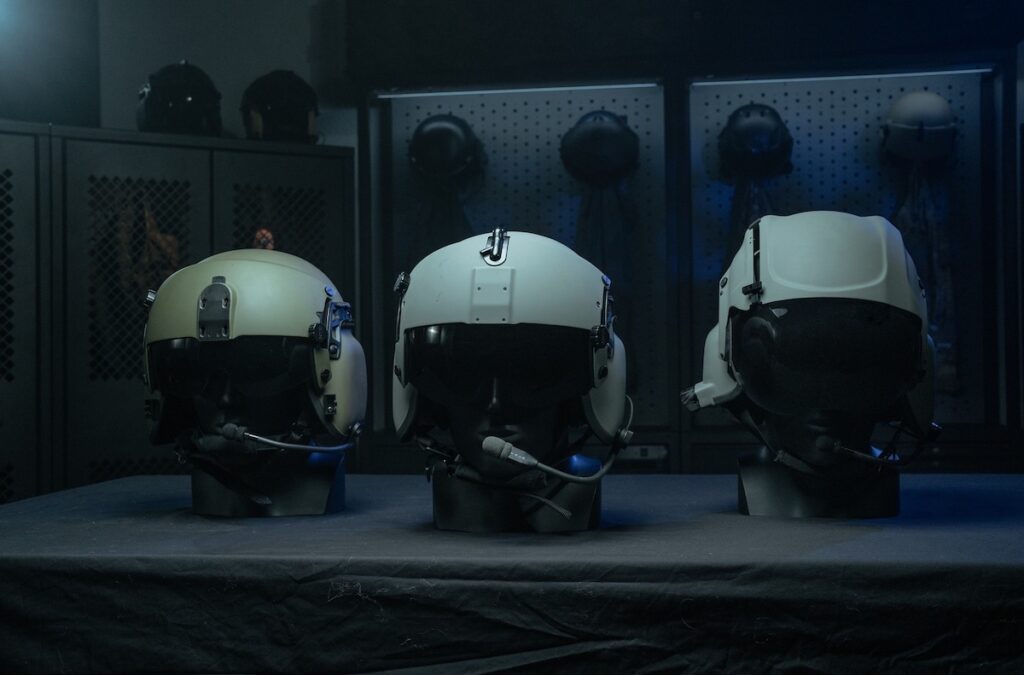
Aviation Helmets: Specialized for pilots, like the apache helicopter helmet, these integrate complex optical systems, active noise reduction (ANR), and helmet-mounted display (HMD) technologies.
Helmet System Components and Digital Integration
The modern helmet is fundamentally a platform for integration. Its components are engineered for interconnectivity.
Suspension and Retention: Advanced systems utilize multi-pad configurations (often incorporating viscoelastic foam) and highly stable retention harnesses (e.g., dial-adjustable) to distribute load, manage blunt impact forces, and maintain stability during high-speed maneuvers or when heavy attachments like NVGs are mounted.
Modular Mounting: Standardized interfaces—such as NVG shrouds on the front and Accessory Rail Connectors (ARC) side rails—allow rapid, tool-less attachment of critical gear, including flashlights, strobes, ear protection, and counterweights.
Communications and Hearing: Integrated communications systems are now standard. Active Noise Reduction (ANR) protects hearing while simultaneously amplifying ambient sounds for situational awareness. Many systems incorporate bone-conduction or magnetic-induction headsets for clear communication.
The Smart Helmet: Military HUD Helmet and Augmented Reality
The next frontier transforms the helmet into a true headborne computer. This trend is driven by soldier modernization programs globally.
Military Helmet with HUD and Augmented Vision
Systems like the U.S. Army’s Integrated Visual Augmentation System (IVAS) exemplify the shift. These smart helmets integrate a translucent heads-up display (HUD) that fuses sensor data, mapping, navigation, and targeting information into the operator’s field of view.
BATLSKIN VIPER® A3 military-grade helmet by Galvion.
Real-time Data Overlay: The display projects digital information over the real world, enhancing decision-making and coordination.
Sensor Integration: External sensors, including low-light and thermal cameras, feed directly into the display. This allows soldiers to “see through” armored vehicles or around corners—a capability often known as Fused Night Vision.
Power and Data: These systems require sophisticated, standardized interfaces for power and high-speed data transfer to soldier-worn computing devices, making the helmet the headborne hub of the battlefield network.
Emerging Technologies and Customization
Integrated Power: Newer designs are moving toward embedded power rails and wireless charging capabilities to simplify management of multiple accessories like the military helmet camera and communications gear.
Additive Manufacturing: 3D printing is beginning to allow for custom-fit helmet shells and interior liner components, ensuring maximum comfort and optimal energy absorption for individual operators.
Biometric Sensors: Future systems may embed sensors to monitor the operator’s vital signs, fatigue, and cognitive load, proactively identifying performance degradation—a capability that will be crucial for the complex missions undertaken by special forces units.
Leading manufacturers continue to innovate across all dimensions of the military helmet supply chain, ensuring that the soldier’s head protection is constantly evolving to meet the demands of a digitally networked battlefield.
Gentex Corporation has secured a five year contract worth up to forty four point eight million dollars from the United States Army to supply, sustain, and modernize flight helmet systems
Galvion has expanded its Cortex EVO architecture with the HALO configuration, an externally mounted implementation designed to bring advanced headborne capabilities to new and fielded helmet platforms
GALVION's new CORTEX EVO™ architecture debuts at SOF Week 2026, integrating power, data, and processing directly into helmet structures to enhance situational awareness and reduce hardware burdens for modern operators
The Canadian Department of National Defence has ordered 29,000 Batlskin Caiman® ballistic helmet systems through the NSPA framework, bringing the total number of units ordered by Canada to over 44,000
Mehler Protection expands its ballistic portfolio with the Omega Core, a German-engineered helmet system designed to reduce operator fatigue through a 20 percent weight reduction
Galvion has unveiled the Hellbender™ UL, an ultra-lightweight ballistic helmet engineered as a complete head system offering optimized protection and integration capabilities, with the product set to be displayed at EnforceTac 2026 from February 23-25
Gentex Corporation has released the updated FAST XP ballistic helmet system for law enforcement, providing NIJ IIIA and HG2-certified protection, enhanced comfort, and integrated accessory mounting for patrol and tactical operations
Galvion is expanding Caiman helmet orders through the NSPA framework and the company’s growing European production footprint to meet increasing NATO demand
Nov 20, 2025
Advancing Defense Capability Through Strategic Collaboration
Defense Advancement works with major OEMs to foster collaboration and increase engagement with SMEs, to accelerate innovation and drive defense capabilities forward.






 Searching Companies & Products


 Subscribe to the Weekly eBrief
The latest engineering and technical developments straight to your inbox - join thousands of engineers who receive it.
Subscribe to the Weekly eBrief
The latest engineering and technical developments straight to your inbox - join thousands of engineers who receive it.