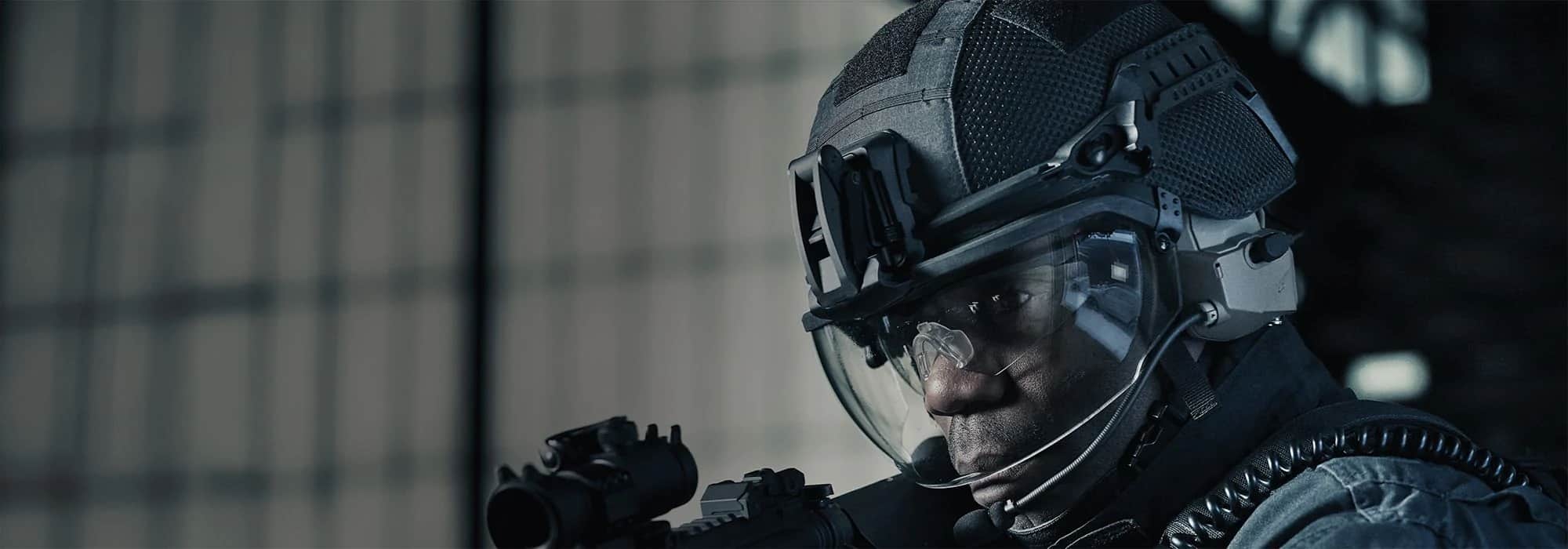
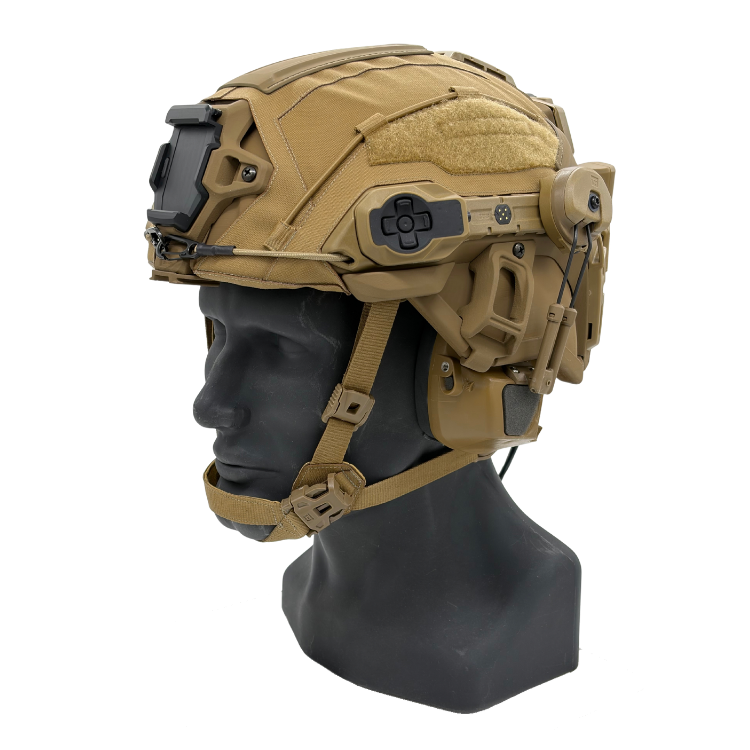
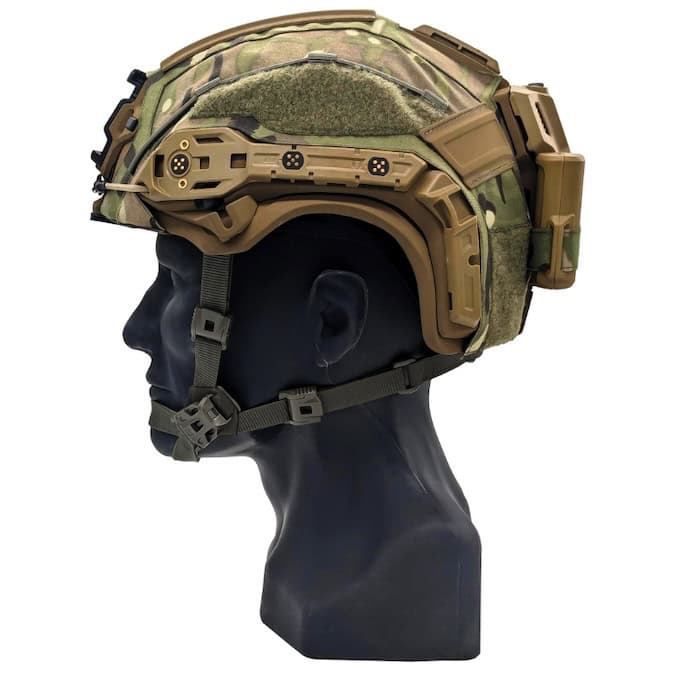
Galvion will showcase the continued evolution of its Cortex architecture at Eurosatory 2026 (Hall 5A, Booth G391), where the company is introducing the HALO configuration for its Cortex EVO system.
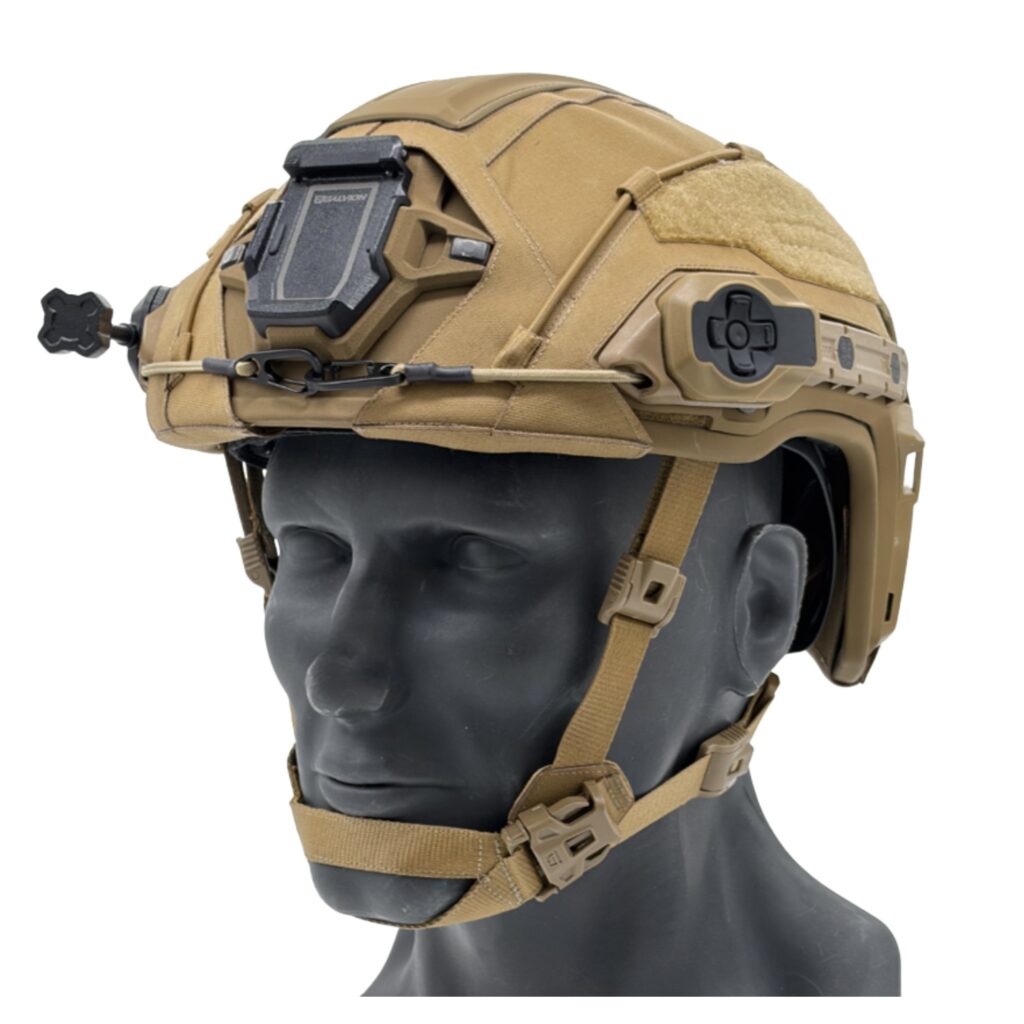
First introduced at SOF Week 2025 as a new category of intelligent headborne systems, Cortex established a framework for integrating power, data and processing at the operator level. Earlier this year, Galvion introduced Cortex EVO, a deeply integrated architecture that combines protection, power, data and compute within a unified headborne system.
At Eurosatory 2026, Galvion is expanding the architecture with the introduction of the HALO configuration, an externally mounted implementation designed to bring advanced headborne capabilities to both new and fielded helmet platforms. Together, the Embedded and HALO configurations provide a common Cortex EVO architecture, enabling users to access the same core capabilities through implementation approaches aligned with operational requirements, procurement strategies and lifecycle objectives.
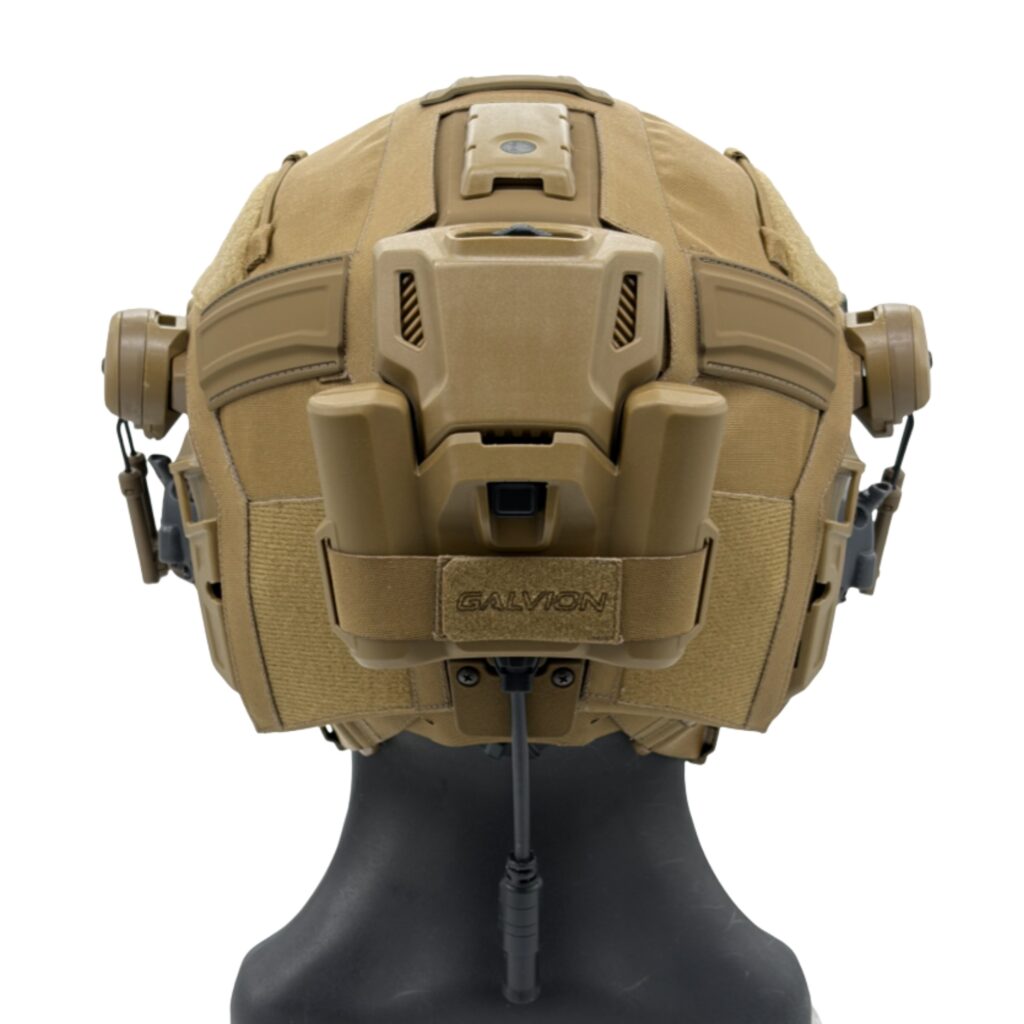
Initially available for Galvion’s Batlskin Caiman helmet system, with planned expansion to the Hellbender platform, the EVO HALO configuration provides a flexible implementation pathway that can be delivered as part of new helmet systems or integrated onto fielded helmets through upgrade and modernization programs. According to the company, this approach provides a flexible, cost-effective route for organizations seeking to introduce advanced digital capabilities while leveraging established support, maintenance and sustainment infrastructure.
Central to the Cortex EVO system is Galvion’s AlertCentr software, which enables mission-relevant data to be delivered and managed at the headborne level. Integrated within TAK-based environments, AlertCentr supports configurable visual and audio cueing, allowing operators to access and act on critical information without diverting attention to secondary devices.
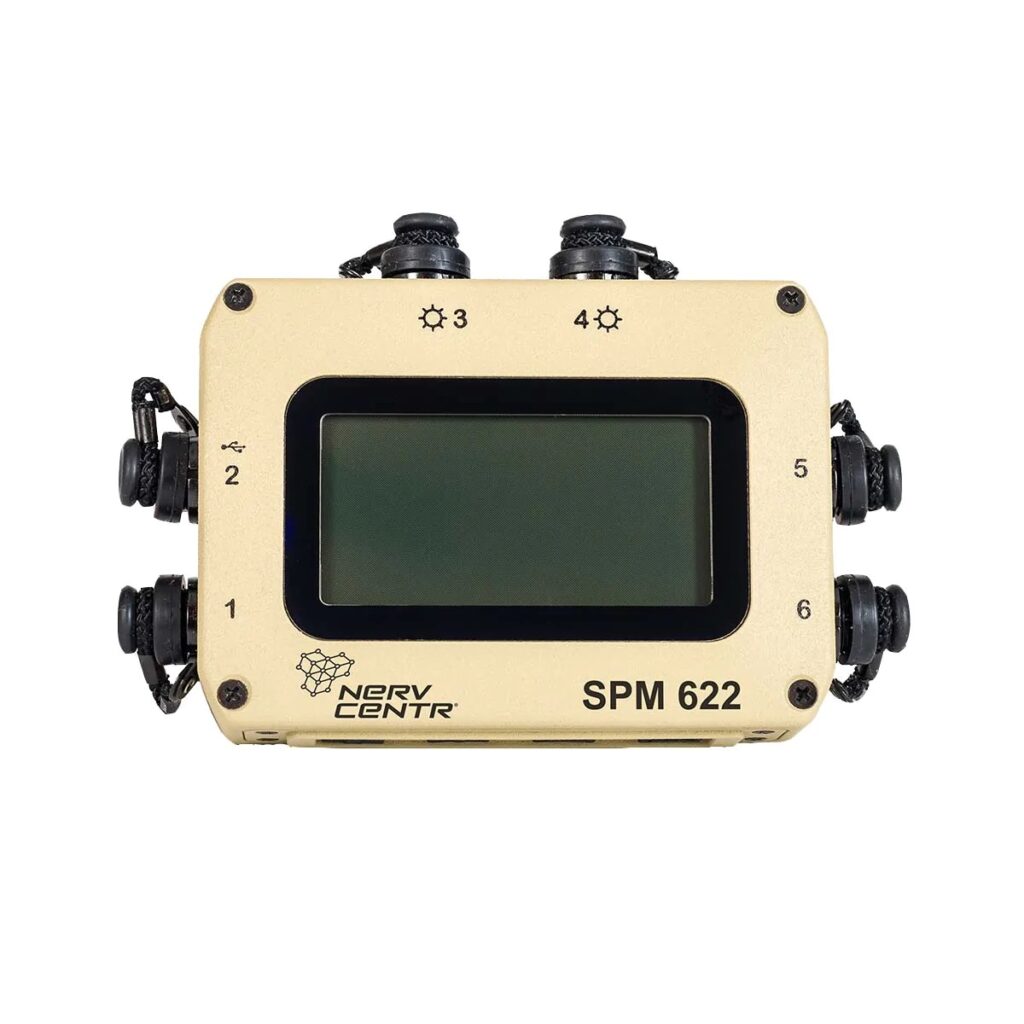
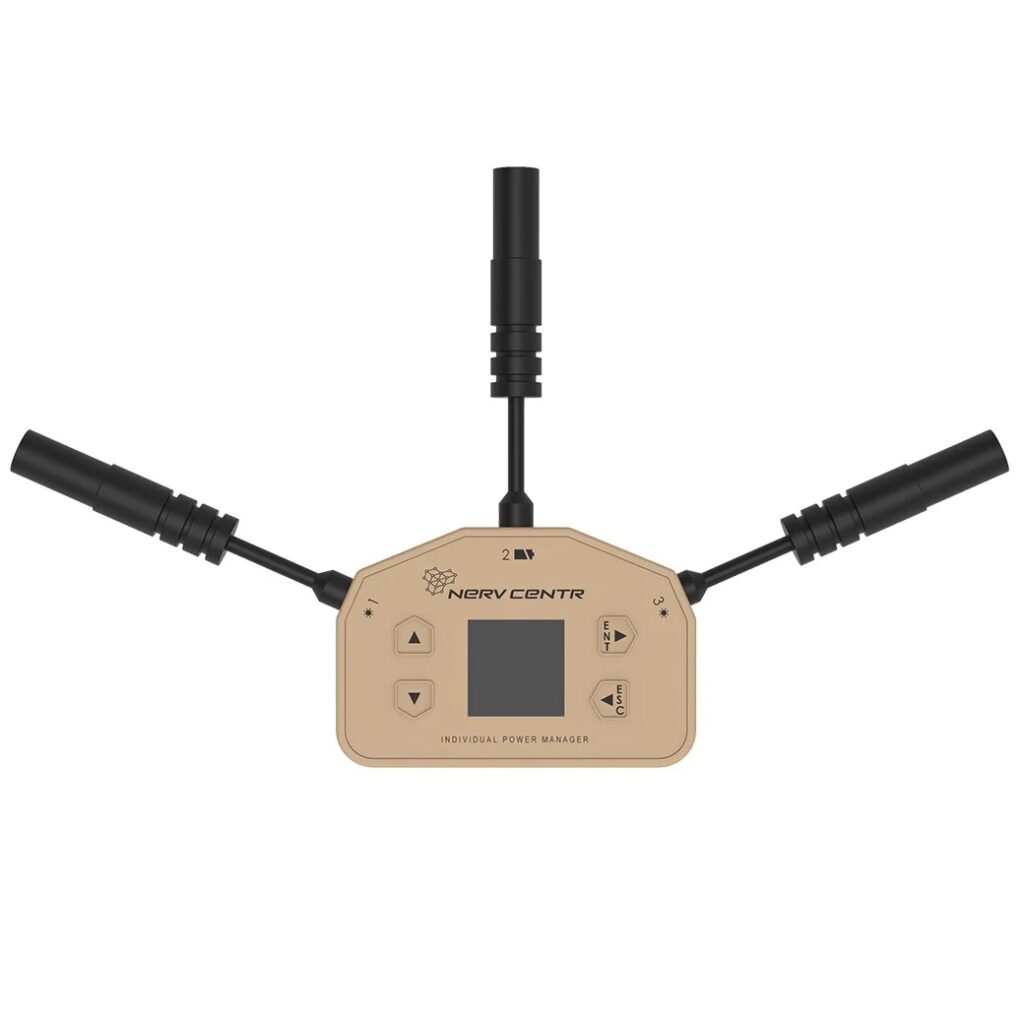
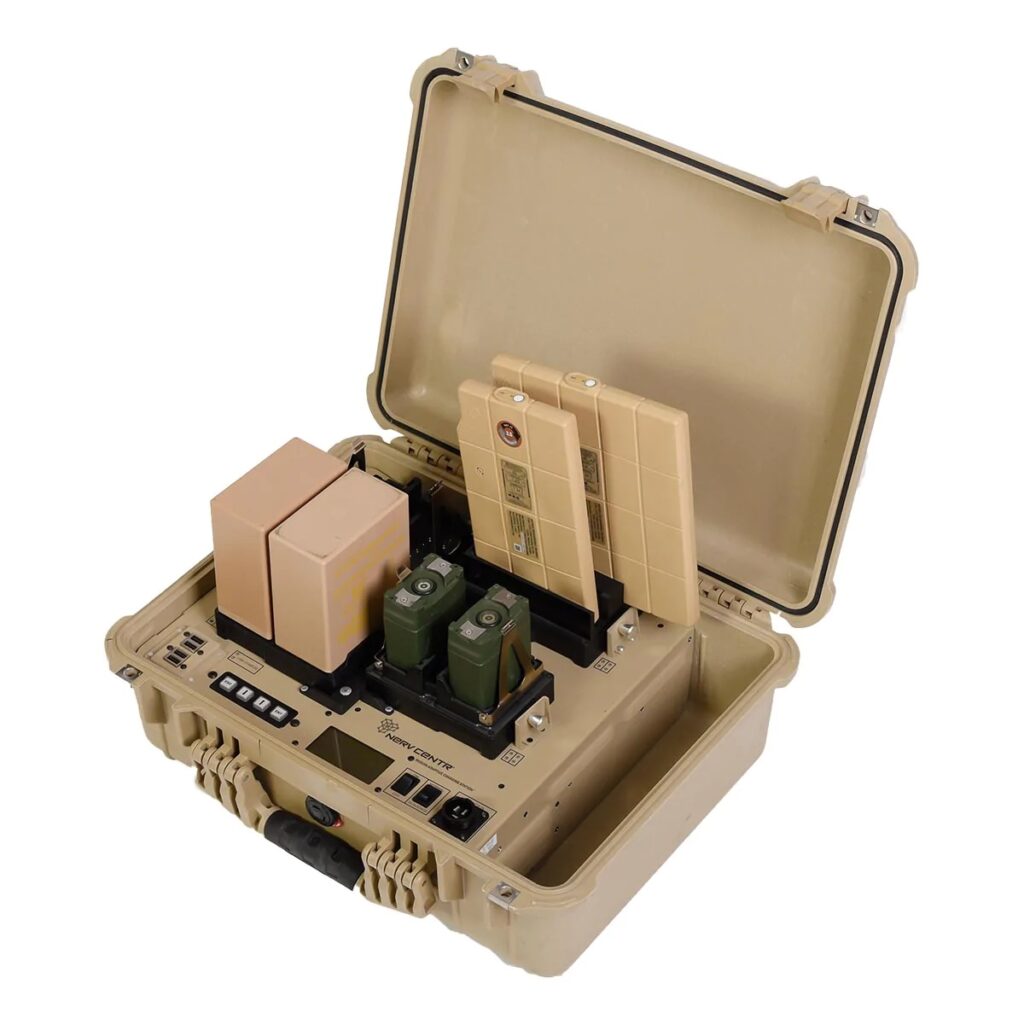
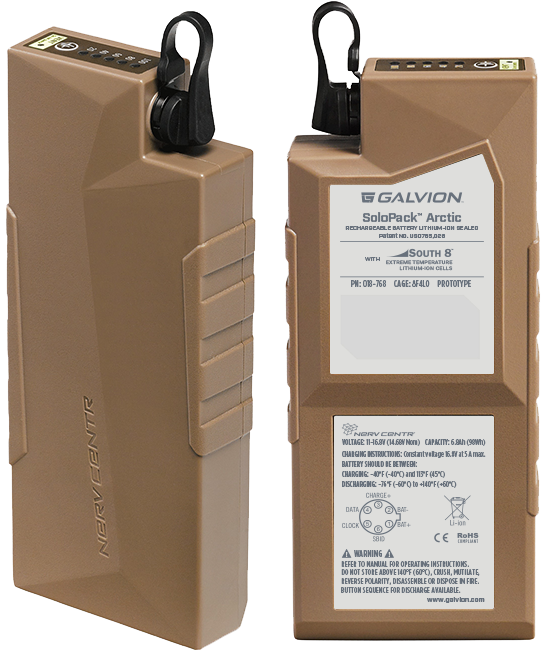
The systems being demonstrated at Eurosatory incorporate multiple capability elements within the Cortex architecture, including visual augmentation through TAK video, sensor feeds and navigation integrations; detection and identification capabilities supporting enhanced threat awareness; digital headset integration enabling configurable alerts and system-level interaction; and power and data infrastructure based on a unified architecture enabling scalable subsystem integration.
These capabilities are enabled through an open architecture approach, allowing both Galvion-developed and third-party technologies to operate within a single system environment.
Jonathan Blanshay, Founder and Executive Chairman of Galvion, commented, “Cortex EVO reflects years of investment, and demonstrates how multiple sensing, visualization, communication and awareness capabilities can operate within a unified headborne architecture. Rather than focusing solely on externally mounted components, we challenged our teams to rethink the system from the inside out. By pursuing a purpose-built integrated architecture, we were forced to solve more difficult challenges around size, weight, power management, connectivity and overall user experience—ultimately creating a more capable and scalable foundation. The HALO configuration extends the benefits of Cortex EVO across both new programs and fielded Galvion helmet fleets.”
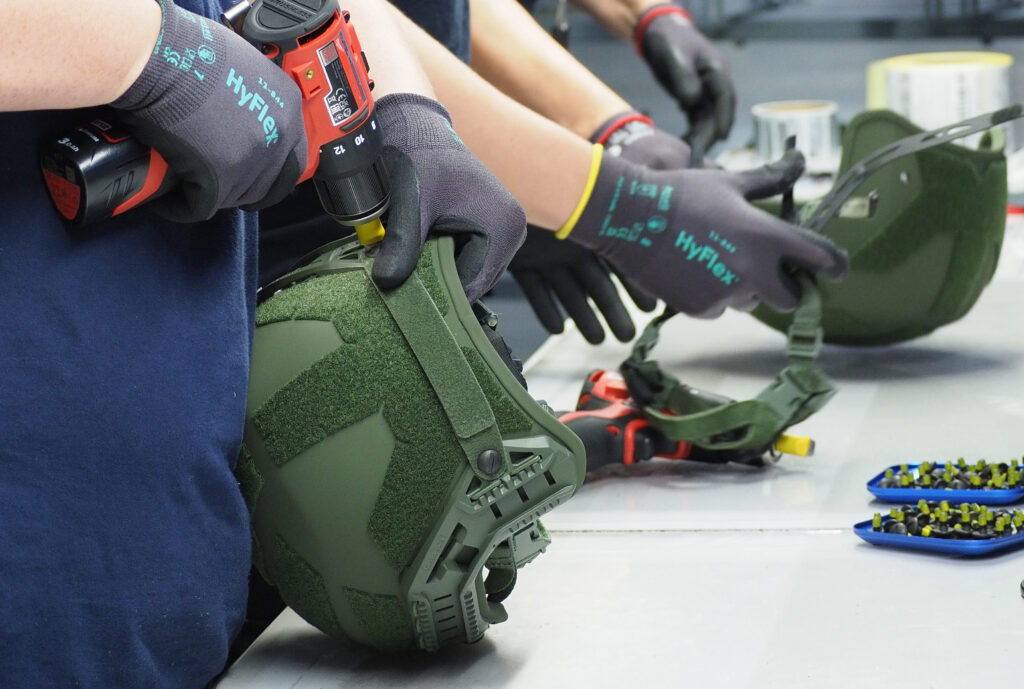
He added, “Our customers have invested heavily in helmet systems and supporting infrastructure over many years. Combined with our growing manufacturing, maintenance and refurbishment capabilities in Europe, the EVO HALO configuration allows our customers to build on those investments while introducing the technologies that are increasingly shaping survivability, situational awareness and mission effectiveness on today’s battlefield.”