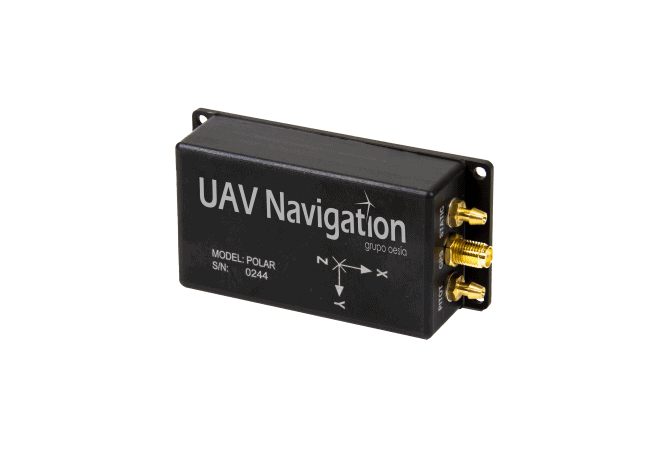
UAV Navigation-Grupo Oesía, a subcontractor of the consortium SATNUS, provided the advanced Flight Control Computer during SATNUS’s recently completed third flight test campaign for the Future Combat Air System (FCAS) / Next Generation Weapon System (NGWS) program.

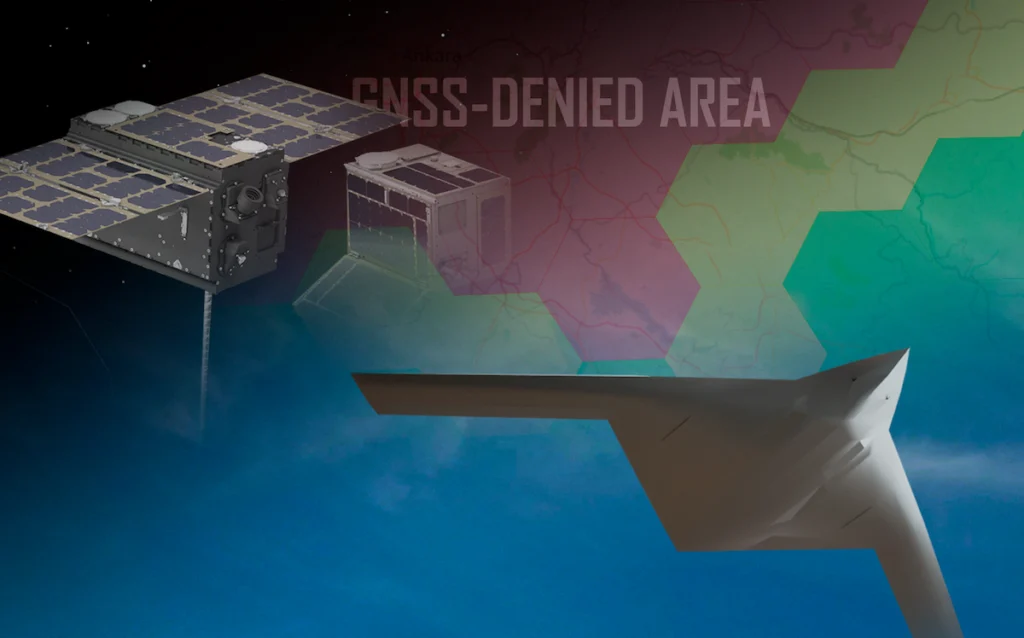
The consortium, comprised of GMV, Sener, and Tecnobit-Grupo Oesía, successfully validated the Manned-Unmanned Teaming & Common Systems Demonstrator (MCSD), a platform derived from a modified target drone.
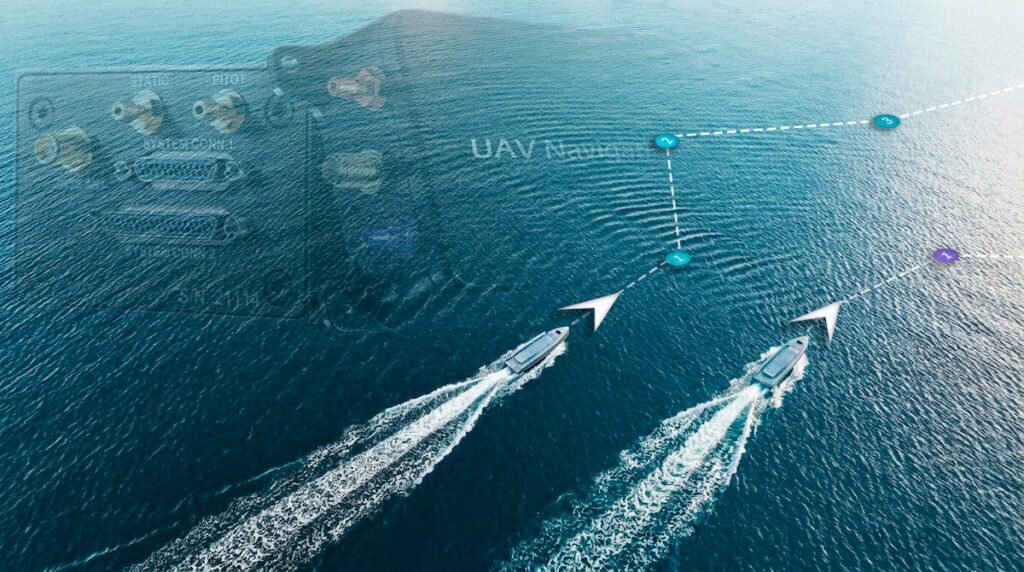
The campaign was notable for initial solo flights of the platform, as well as the first demonstrations of multiple MCSD units flying simultaneously in autonomous and coordinated formations. These flights were crucial for integrating and testing the Next Generation Autonomy Computer (NGAC), an essential component for future Remote Carrier operations.
SATNUS, commented, “A key achievement was the success of end-to-end testing of functional chains on board and on land for multi-platform operations.”
The aircraft flew in precise coordination, demonstrating the performance of the advanced flight control system, with UAV Navigation-Grupo Oesía playing a critical part in enabling the synchronized autonomous flights.

Through this collaboration UAV Navigation-Grupo Oesía provides advanced technological solutions and comprehensive support in the development, integration, and operation of autopilot systems.
The campaign falls under SATNUS Pillar 3 activities of the Spain-France-Germany NGWS/FCAS collaboration, dedicated to maturing technologies for Remote Carriers and Manned-Unmanned Teaming (MUT).
Through its subcontract with SATNUS Technologies SL, UAV Navigation-Grupo Oesía supports the development and risk reduction of remotely operated elements for the future combat air system.
This contribution is essential to the evolution of the program’s technological capabilities and meeting the demanding requirements of next-generation air combat systems.