ParaZero Technologies Ltd. has concluded a transformative year for its DropAir Precision Airdrop System, successfully adapting battlefield technology for use in civilian, medical, and humanitarian markets.
The company achieved several regulatory and technical milestones throughout 2025, beginning in February with the transition to Phase II of the DropAir project alongside the Israeli Ministry of Defense. This was followed by a series of global marketing approvals from the Defense Export Control Agency (DECA) in April and August, covering collaborations with both Heven Drones and Steadicopter rotary UAS platforms. These approvals allow for the international sale of the system across defense and commercial sectors.
Reliability was a primary focus of the year’s development cycle. In June, the company completed a reproducibility test consisting of 50 consecutive successful deployments to demonstrate the system’s consistency. The technical capabilities of the platform were further validated in September during a joint field trial involving the Israeli Ministry of Health, the IDF Medical Corps, and Rambam Medical Center. During this trial, the air drop system delivered blood transfusions dropped from 200 meters above ground level. Subsequent inspections by medical professionals confirmed the units remained undamaged and suitable for human transfusion, proving the viability of drone-based blood delivery in emergency scenarios.
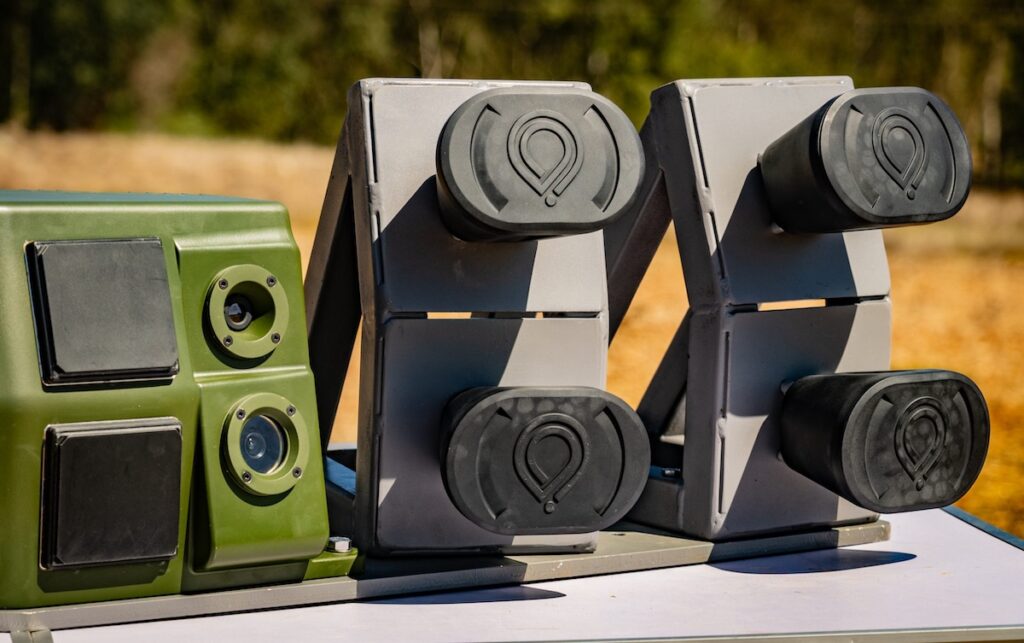
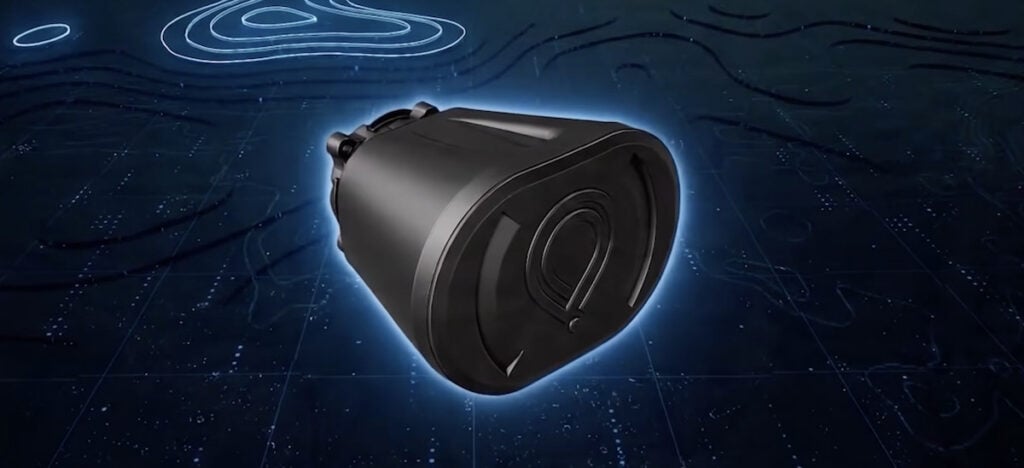
The DropAir system is designed to address operational gaps where landing a drone or flying manned aircraft is too dangerous due to hostile environments or damaged infrastructure. It utilizes a modular design that integrates with various military and commercial drones, including those from Elbit Systems. To ensure precision, the system employs a patented delayed low-altitude parachute deployment. This mechanism minimizes payload drift caused by wind or adverse weather, allowing the drone to release supplies from higher altitudes and exit the area immediately to maximize survivability.
While the technology was refined to meet the urgent necessities of modern warfare, delivering ammunition, food, and communication gear, it is now being positioned for emergency response. The ability to drop payloads with pinpoint accuracy without requiring a safe landing zone is being marketed for use in natural disasters such as floods, earthquakes, and wildfires, as well as search-and-rescue operations where ground access is restricted.