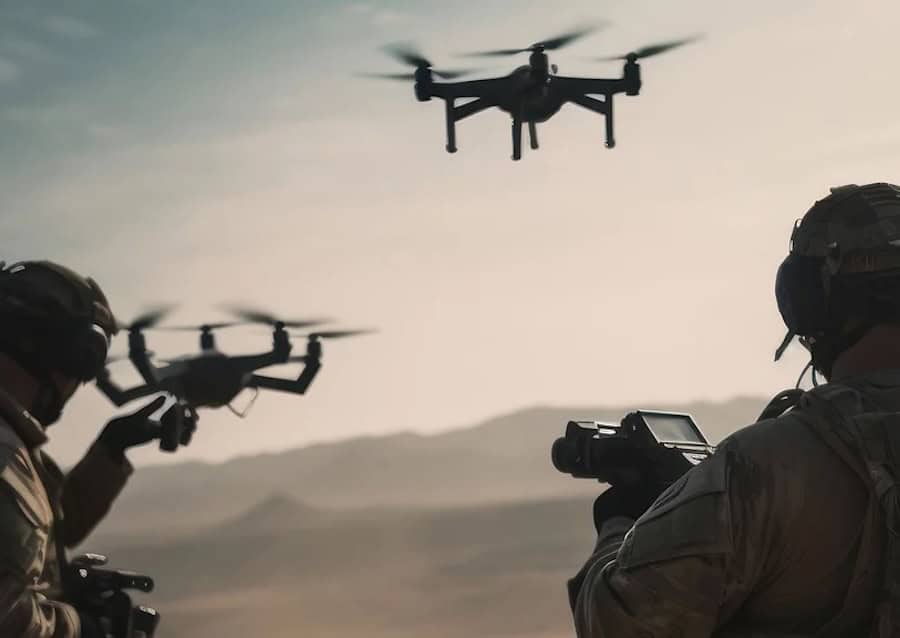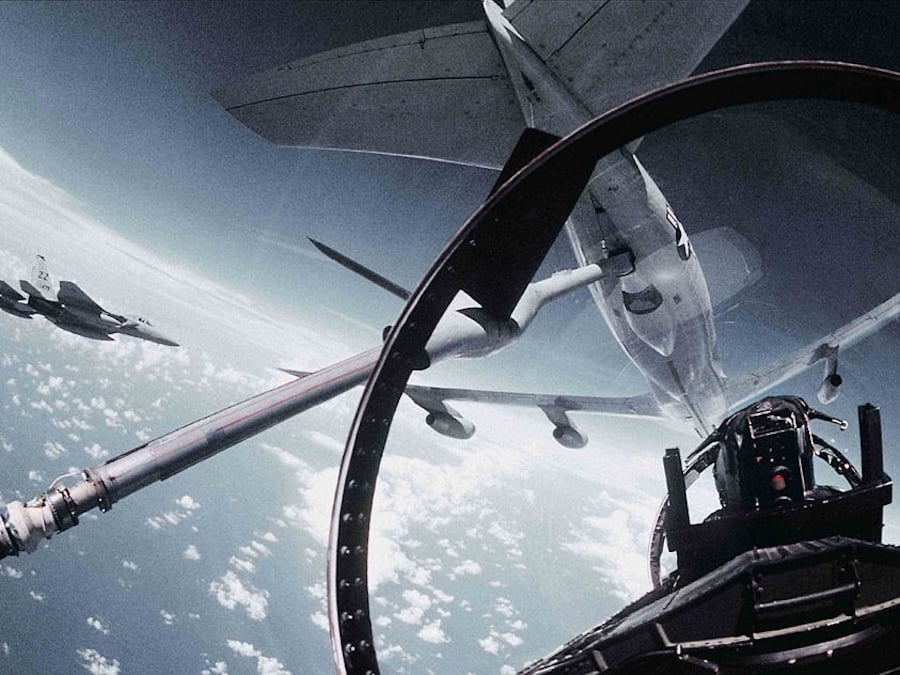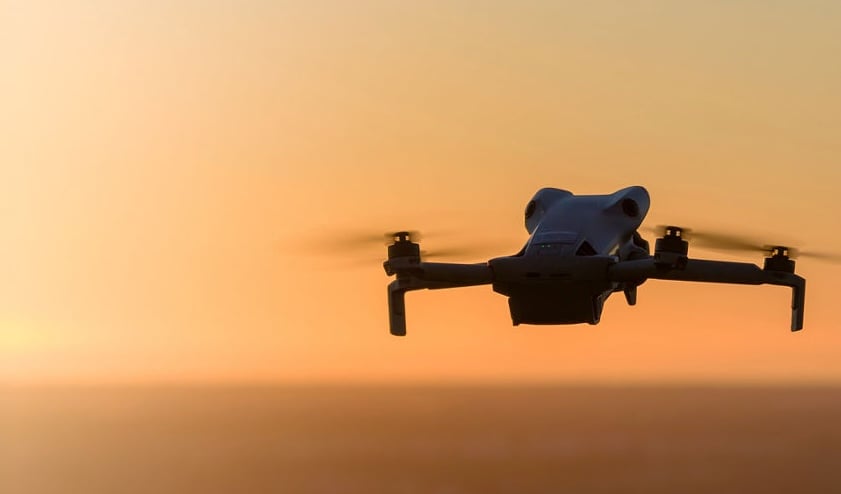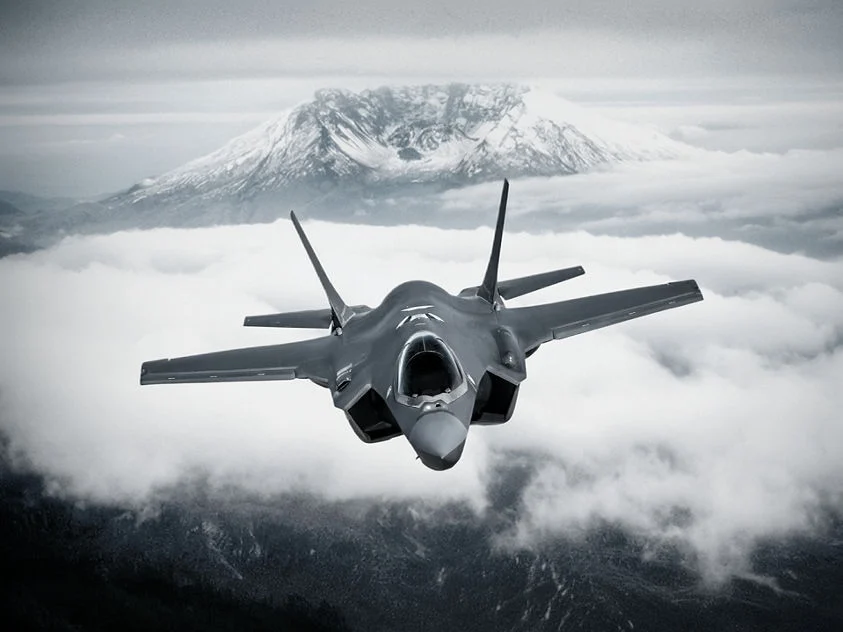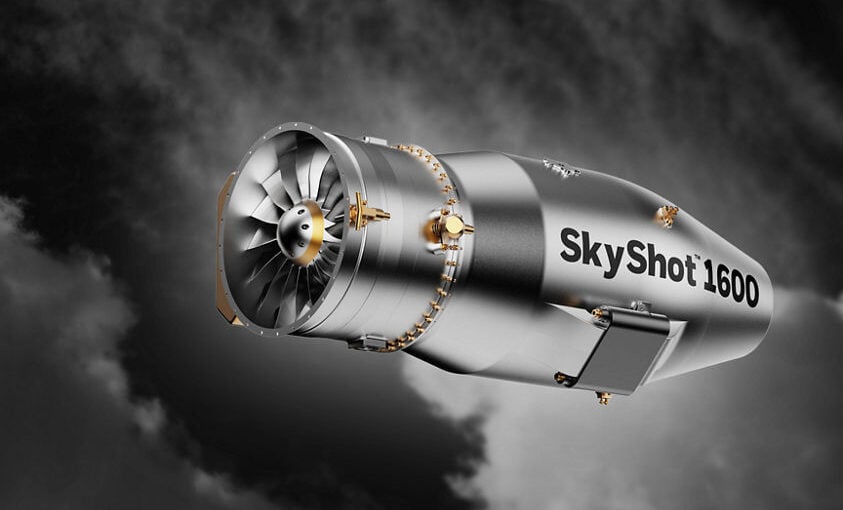

Honeywell Aerospace has unveiled the HON1600, a new small-thrust-class engine for collaborative combat aircraft (CCA) and unmanned aircraft systems (UAS), during the annual Air, Space & Cyber Conference organized by the Air & Space Forces Association in Washington, D.C.
The CCA engine, HON1600, meets all mission-critical performance parameters, including high-altitude capabilities up to 40,000 feet, rigorous G-level performance, and the ability to reach maneuvering targets. The CCA program proposed by the USAF is a multi-pronged initiative to test, develop, and implement new autonomous and manned-unmanned aircraft teaming concepts.
The HON1600 propulsion system is designed to go “from model to metal” quickly. A significant percentage of the materials in the engine can be additively manufactured or produced with high-volume manufacturing techniques such as metal injection molding, enabling both speed and supply chain resilience.
The HON1600 engine’s low-cost, flexible, and scalable architecture supports both turbojet and turbofan variants from 800 to 1600 pound-force thrust, with scalability for additional thrust as required. The core engine has been demonstrated at rated thrust.
Honeywell Aerospace is leveraging a systems engineering approach with digital modeling, which enables faster design and build, seamless integration, and more accurate evaluation at the air vehicle level to assist in development. This engine family also supports long-term storage prior to use.
Dave Marinick, president, Engines and Power Systems, Honeywell Aerospace, commented, “We’ve designed this engine to meet the new generation of CCA and UAS platforms that require unprecedented performance to keep pace with mission demands. Our propulsion system is based on proven and tested technology in use today, plus the latest advancements in digital modeling and manufacturing, to enable a cost-effective and efficient solution for military operators.”