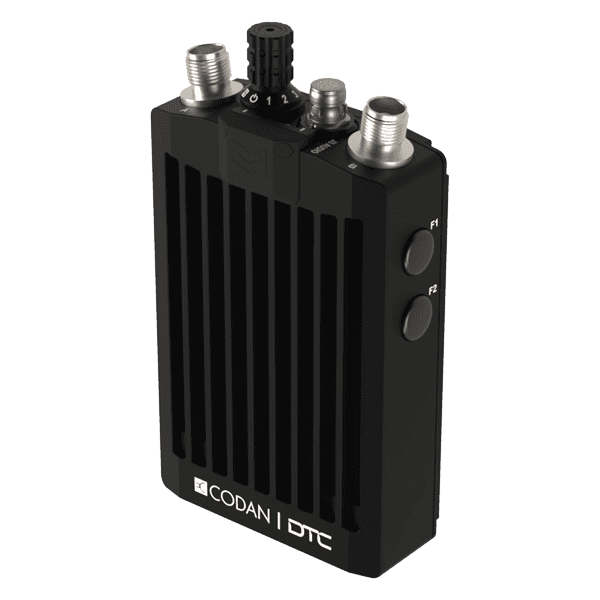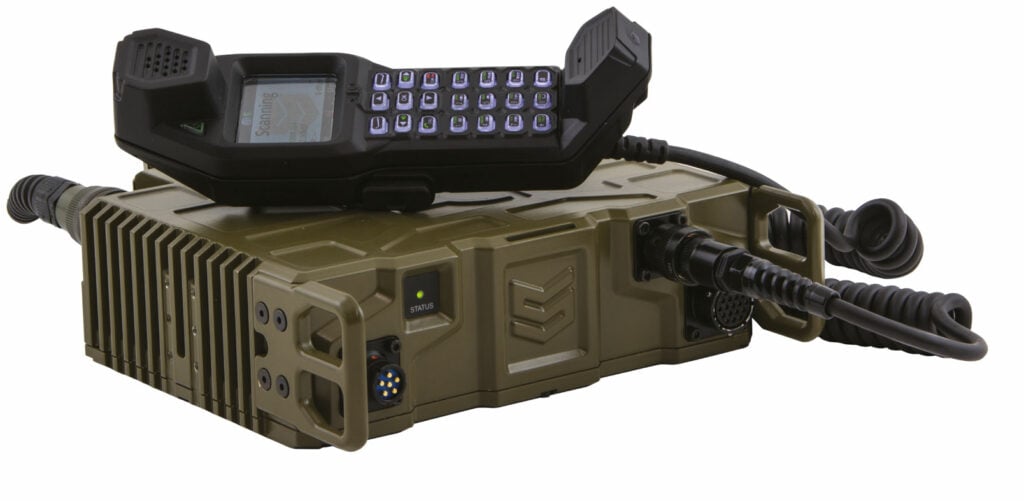
DTC, a Codan Company, has released the Sentry 6161, a military-grade mesh MANET radio built on a software-defined architecture for front-line forces and other professional users.
The Sentry 6161 is designed to support a wide range of applications, including government, public safety, critical infrastructure, unmanned systems, and commercial sectors.
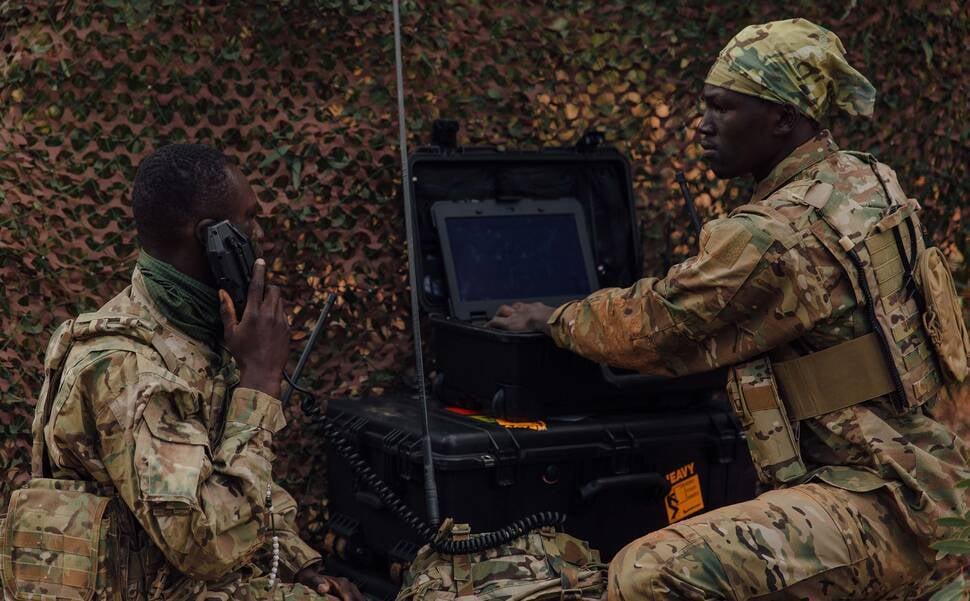
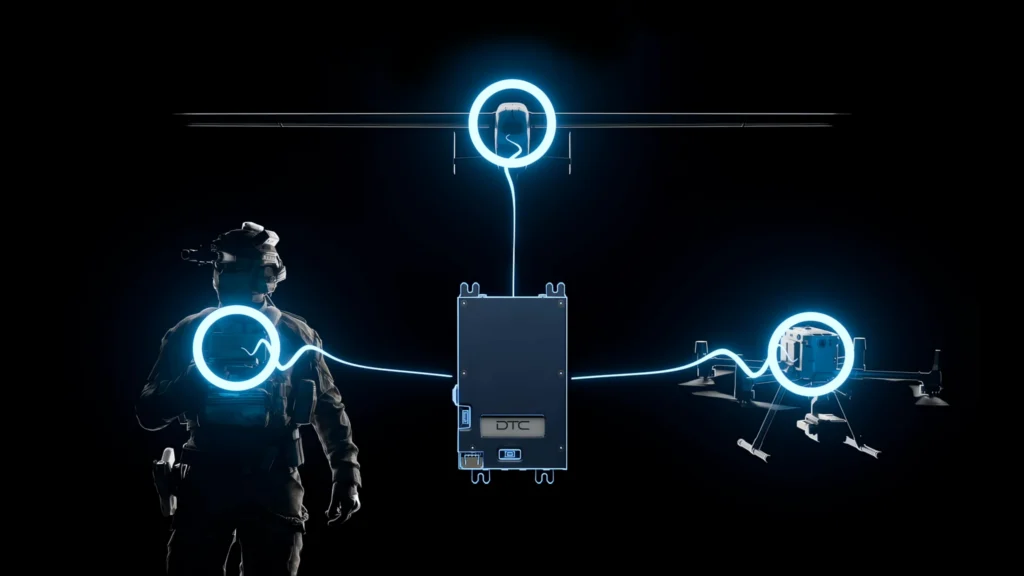
The radio’s sovereign build and lifecycle assurance provide armed forces with verifiable control over components, firmware, and production. This end-to-end manufacturing process supports national security and long-term sustainment strategies. It is engineered for both dismounted and platformed military use, offering resilient mesh routing, low-latency, and adaptive link management to ensure command, control, and situational awareness in contested or GPS-denied environments.
The software-defined foundation allows military users to run DTC waveforms and securely host approved third-party or in-house waveforms on a single hardened hardware platform. This approach enables the rapid deployment of mission-specific waveforms, reduces vendor lock-in, and promotes interoperability across coalition and joint operations. Additionally, the radio supports multiple RF bands, allowing tactical planners to adapt to spectrum availability and operate alongside existing communications infrastructure. This flexibility simplifies logistics by reducing the number of different radios needed for varied missions.
The 6161 features a dual power strategy, supporting traditional rugged clip-on batteries for immediate field use and hot-swapping, while also being designed to integrate with next-generation soldier systems that use centralized battery buses. This enables centralized power management, reduces soldier load, and extends mission endurance. The radio’s multi-MANET capability allows forces to operate multiple MANET implementations and waveforms as required by missions, extending its usable life and improving interoperability in coalition environments.
The modular hardware and controlled software provisioning simplify repairs, upgrades, and mission-specific configurations, which helps lower the total cost of ownership and supports a long service life. According to DTC, the Sentry 6161 has been used in military demonstrations to validate its manufacturing, tactical performance, waveform hosting, and power-integration capabilities.
Trials have demonstrated the radio’s ability to operate with both clip-on batteries and centralized power systems, host multiple waveforms, and interoperate across different tactical networks. While the Sentry 6161 is optimized for military users, its features are also valuable for government, public safety, critical infrastructure, and commercial customers. The Sentry 6161 is now available globally, and DTC is accepting requests for demonstrations, trials, and integration support.
Alf Ianniello, Codan Group CEO, commented, “From squad radios to dismounted networks, the Sentry 6161 was designed with the military end user in mind. We prioritized sovereign supply-chain control, operational versatility and a clear migration path so armed forces can modernize comms, protect investment and field new capabilities rapidly — without losing continuity of logistics or mission effectiveness.”
Tthe Premier of South Australia, The Honourable Peter Malinauskas, added, “The Sentry 6161 soldier radio designed and manufactured in Mawson Lakes is a clear example of South Australia’s strength as the Defence State and our global standing in advanced manufacturing. Communications technology is a vital sovereign capability, enhancing national Defence readiness and expanding export opportunities. This innovation from DTC, a subsidiary of the Codan Group and one of our largest advanced manufacturers, reflects the world-class expertise being developed in South Australia.”
Treasurer and Minister for Defence and Space Industries, the Honourable Stephen Mullighan MP stated, “South Australia’s defence industry continues to deliver world-leading capability for the modern defence force. The Sentry 6161 soldier radio also demonstrates the dual-use potential of advanced communications technology across government, civilian and commercial sectors. This kind of innovation reinforces our role as a trusted partner in global supply chains and a leader in sovereign capability.”