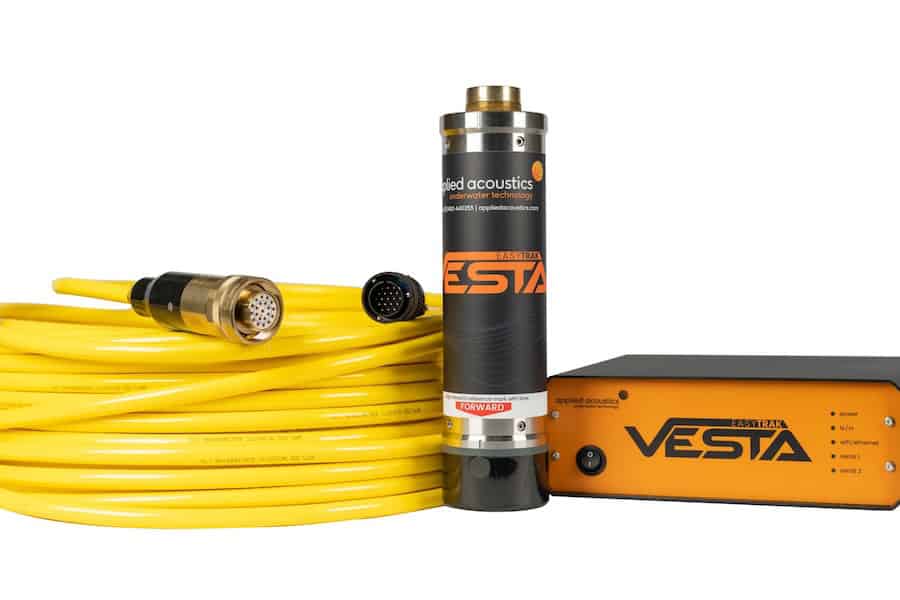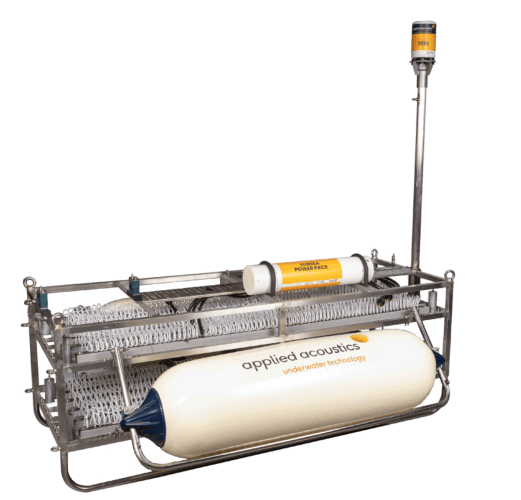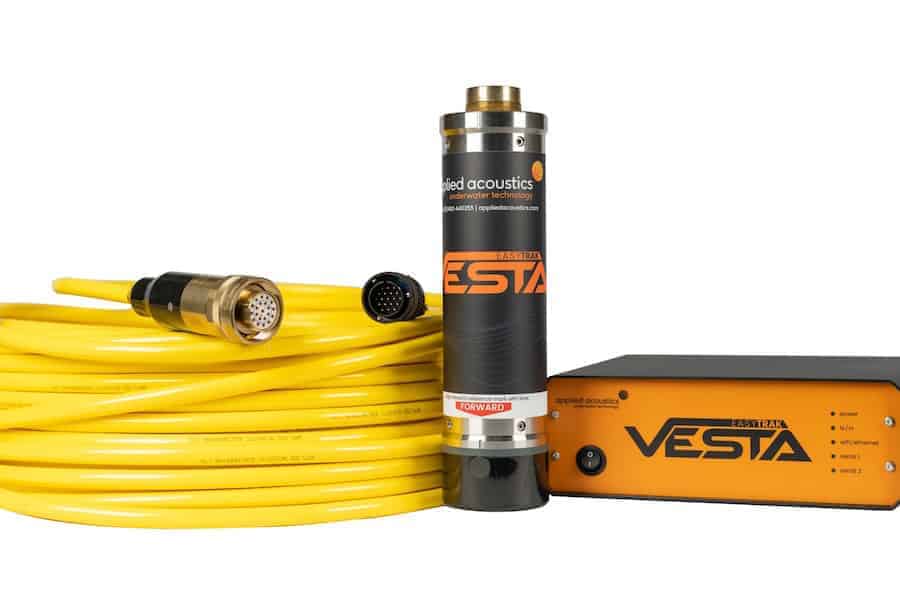



applied acoustics’ sub-bottom profiling systems provide critical capabilities for defense applications, including the detection of buried sea mines, unexploded ordnance (UXO), and other hazardous threats beneath the seabed.
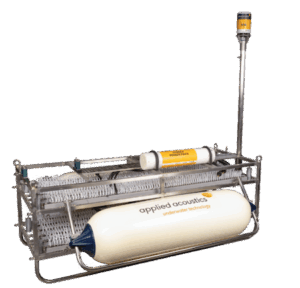
Sub-Bottom Profiling Systems by applied acoustics
These advanced systems use seismic energy sources and hydrophones to create a detailed 2D image of the seabed’s geological layers, essential for military operations such as coastal surveillance, UXO detection, and tactical seabed terrain mapping.
The modular, versatile design of these systems ensures that components can be tailored to meet specific operational requirements, whether conducting surveys in shallow coastal zones, deep-water environments, or in areas with soft sediment or more consolidated rock formations. This flexibility makes applied acoustics’ systems ideal for a variety of defense scenarios, from mapping strategic locations to planning covert operations.
The variable-frequency boomer sound sources allow for adaptable seismic imaging by adjusting frequency to suit different sediment types and water depths. This ensures clearer and more accurate data, particularly in areas that are difficult to survey with conventional methods.
In addition, the sparker sound sources provide high-resolution, repeatable imaging, which is vital for military applications requiring precise subsurface data to detect buried objects such as mines or ordnance. These sources are built for high durability and consistent performance in challenging underwater environments.
For deep-water operations and environments requiring substantial penetration, the high-power, repeatable sound sources are the ideal choice. These systems ensure consistent seismic output, providing reliable imaging even in the most difficult survey conditions.
The CSP energy sources are designed to offer high-energy output, making them particularly effective for deep penetration into the seabed. This capability is essential for accurately mapping and detecting subsurface threats, such as buried mines or unexploded ordnance, that may otherwise be undetectable using traditional methods.
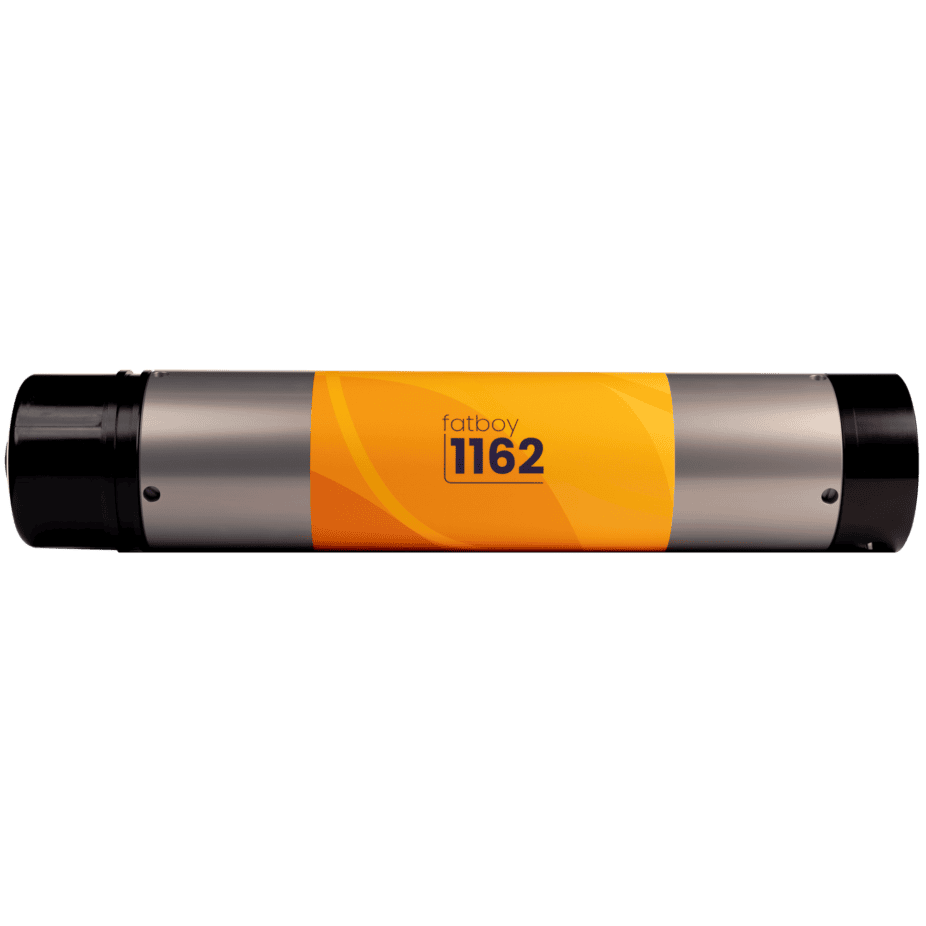
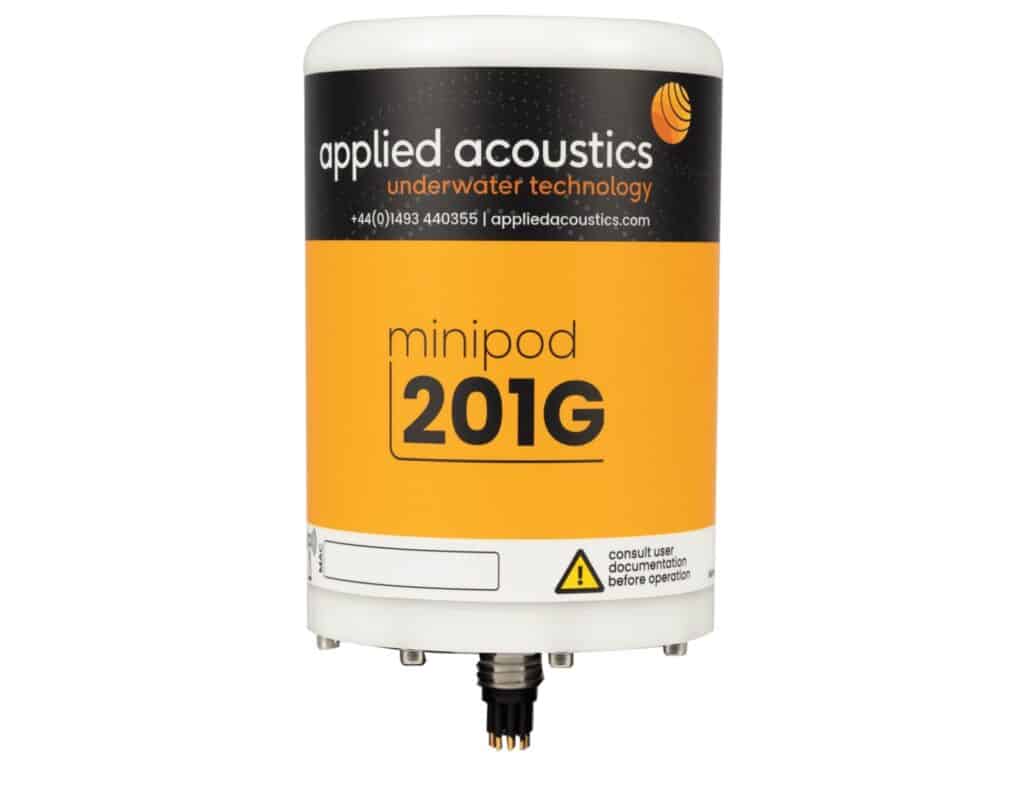
Hydrophones, available in 1, 8, 12, or 20-element medium-frequency (MF) designs and 24-element low-frequency (LF) designs, provide the versatility needed to capture seismic signals across a range of operational depths. These configurations enable defense teams to adjust to various survey conditions, ensuring optimal detection and imaging in tactical scenarios.
The multi-channel seismic data streamers facilitate the collection of seismic data from multiple sources at once, enhancing operational efficiency during large-scale surveys. This capability is crucial for thorough seabed mapping and for ensuring continuous data acquisition over expansive areas.
Finally, applied acoustics offers data acquisition and processing software that integrates seamlessly with the profiling systems, enabling real-time data processing and visualization. This software ensures rapid decision-making in critical operations, providing military teams with the tools they need to quickly interpret seismic data and act on time-sensitive information.
Find out more about applied acoustics Sub-Bottom Profiling Systems >>