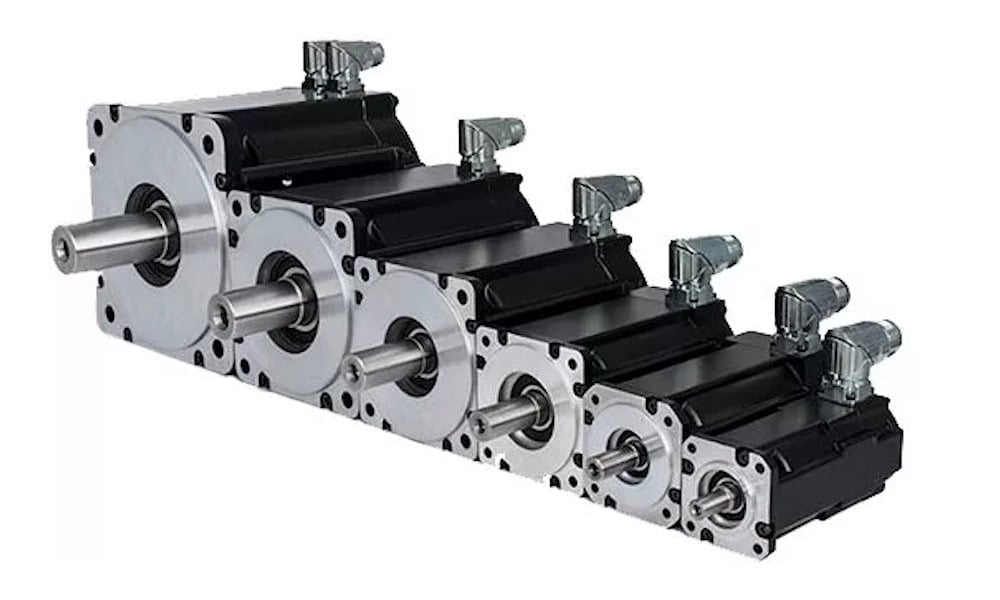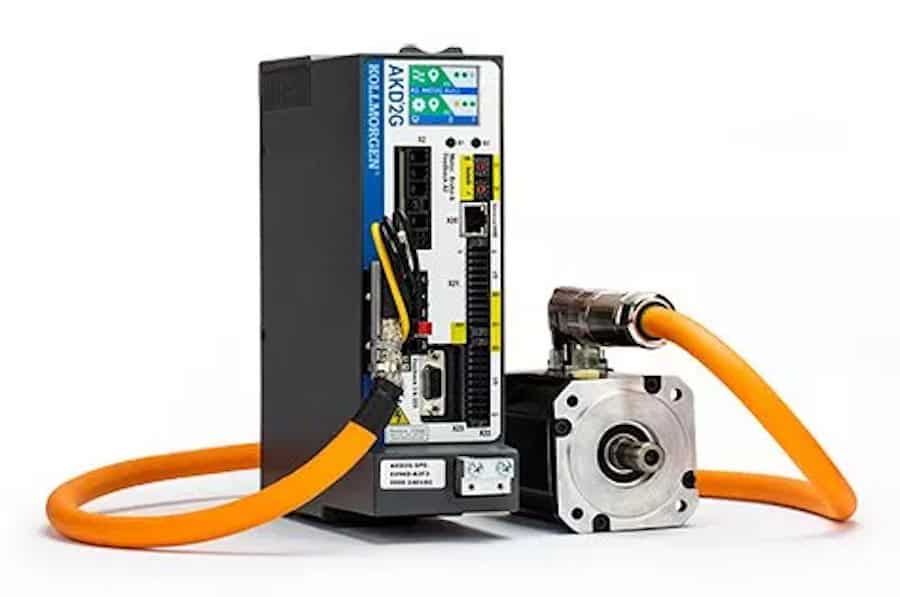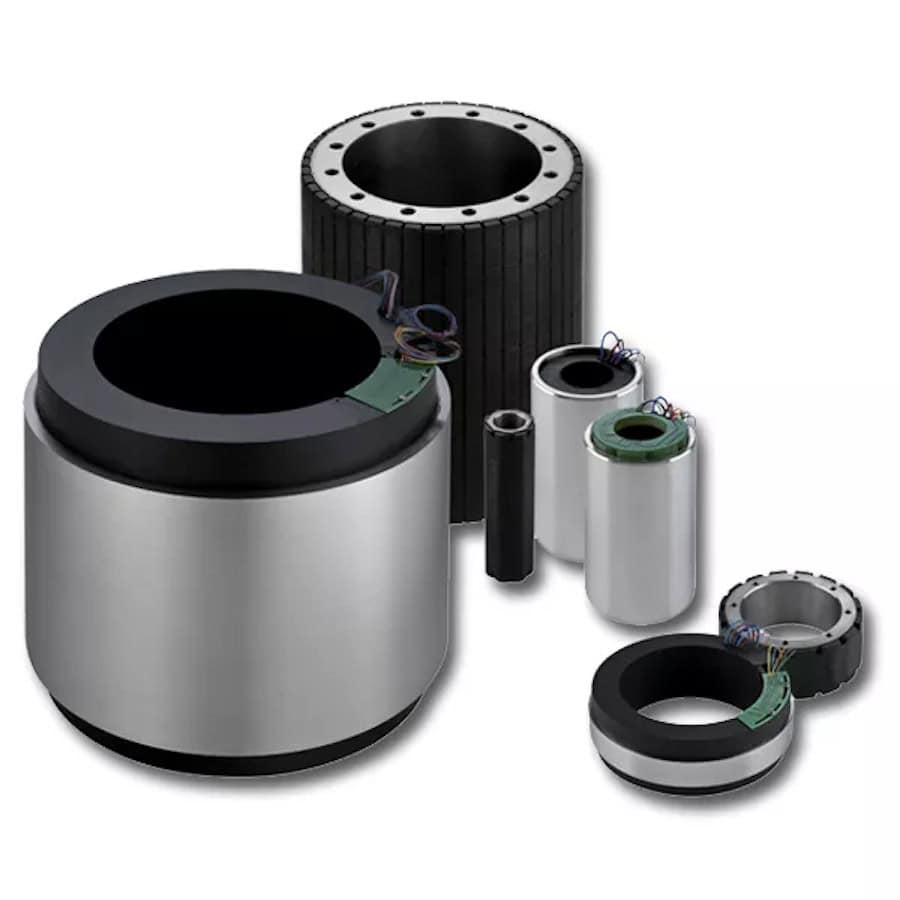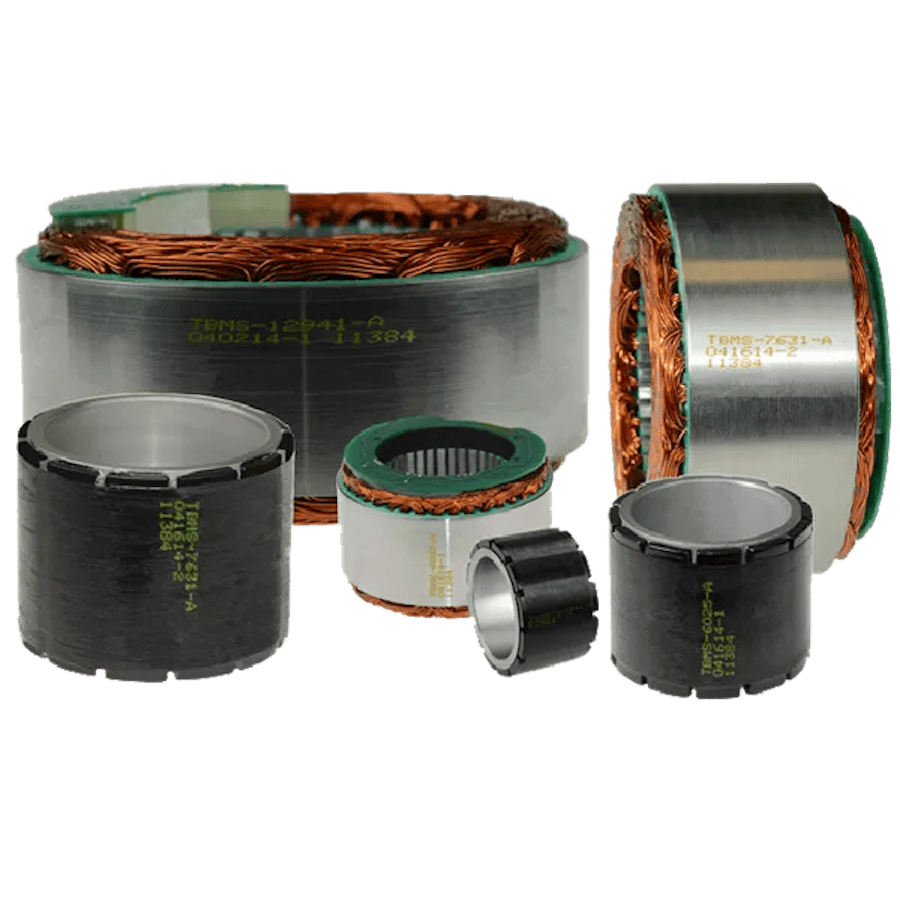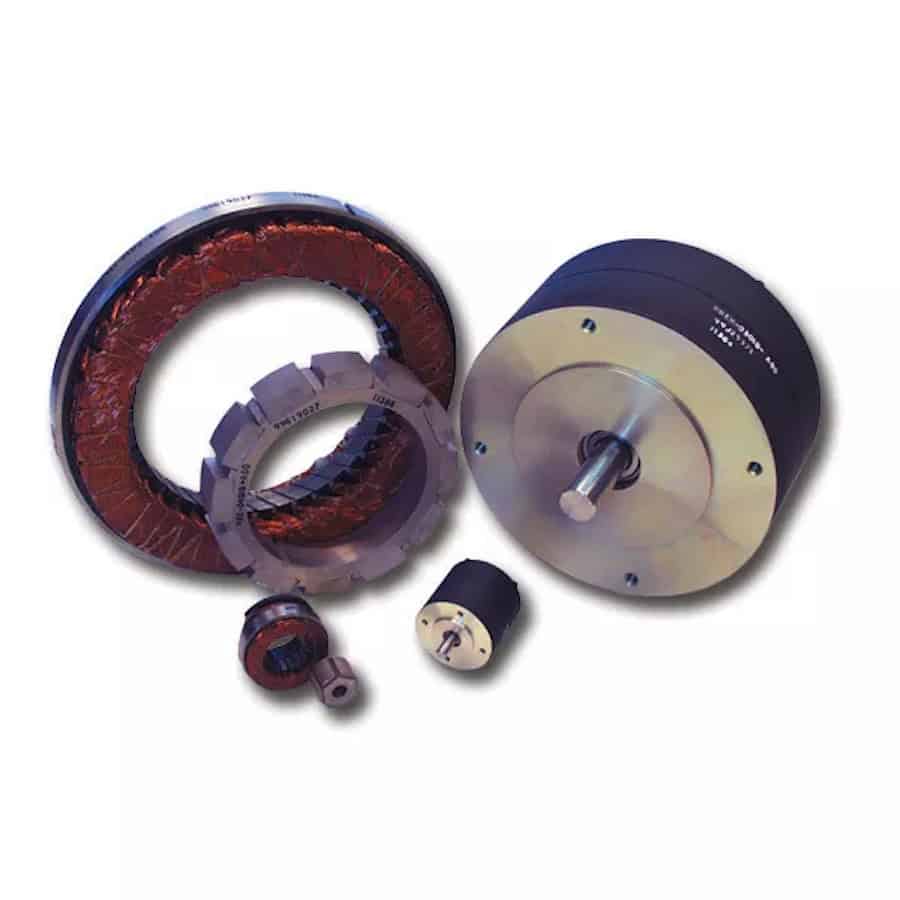
Kollmorgen, a manufacturer of high-precision motion systems, provides frameless motor solutions such as the KBM Series that offer machine designers flexibility in applications requiring space optimization, performance gains, or environmental resilience. Read more >>
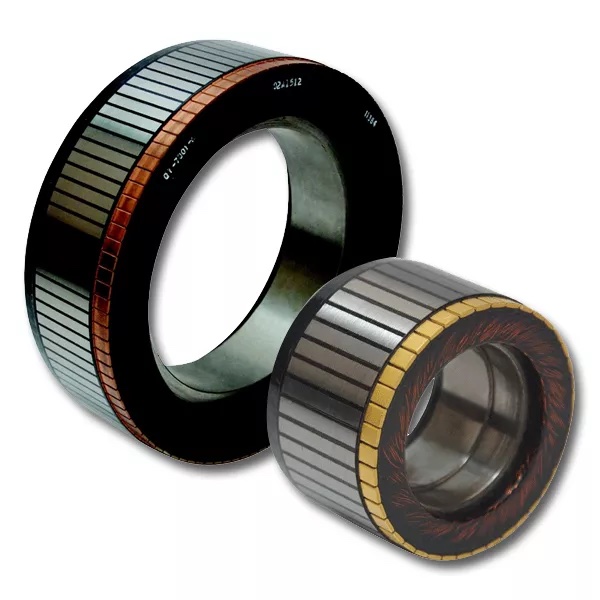
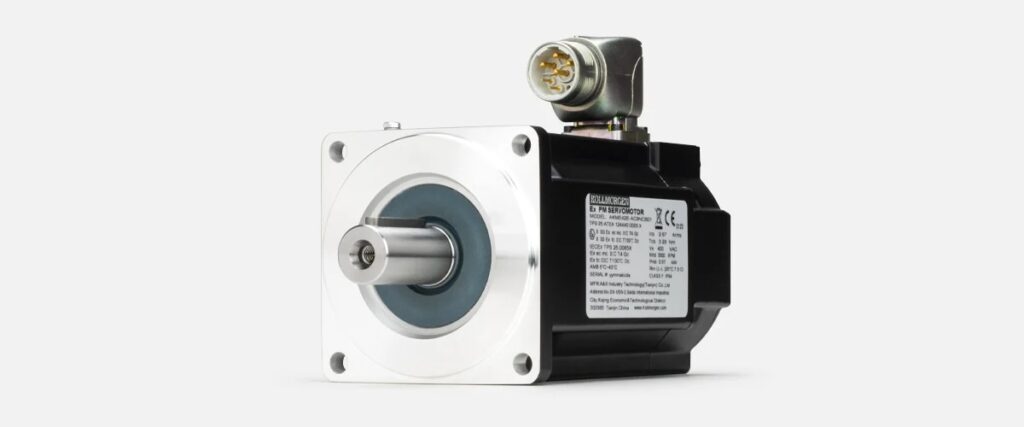
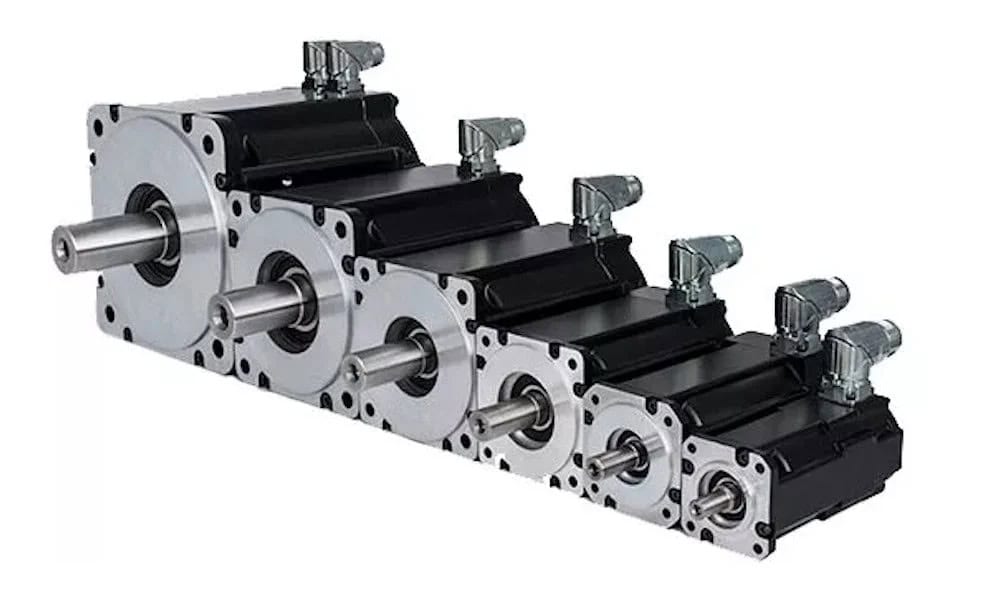
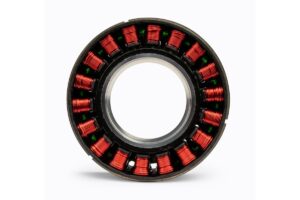
Frameless motors consist solely of the rotor and stator, the torque-producing elements of a conventional motor, without added mechanical structures such as housings, shafts, bearings, or endbells.
This configuration supports direct integration into the host machine and is often preferable when compact design, reduced mechanical complexity, or rugged operation are essential.
The rotor, typically mounted on the machine shaft, consists of permanent magnets on a rotating steel ring, while the stator features copper windings on laminated steel cores and mounts directly within the machine frame. This architecture enables tight mechanical coupling and reduces component count.
Engineers evaluating motor options should assess three key indicators that a frameless approach may be warranted:
1. Space Constraints in the Mechanical Design
When equipment requires a smaller physical footprint, frameless motors allow the motor to occupy less volume by being integrated directly into the machine structure. This eliminates the need for external housings and allows for designs that forgo traditional transmission elements such as belts, pulleys, or gearboxes, especially in direct drive systems. The result is optimized space utilization, an advantage in any application where space is limited.
2. Need for Higher System Responsiveness and Efficiency
By eliminating mechanical compliance elements such as couplings and belts, frameless motors improve the stiffness of the drive system. This contributes to greater bandwidth, shorter move and settle times, and overall increased productivity. Additionally, the frameless configuration simplifies implementation of liquid cooling for applications requiring higher continuous torque, further enhancing thermal performance and energy efficiency.
3. Exposure to Challenging Environmental Conditions
Machines operating in environments with elevated temperatures, washdowns, caustic chemicals, or vacuum conditions can benefit from frameless motors. Since these motors lack external enclosures, they can be integrated within protective structures already present in the machine design, minimizing additional sealing requirements. Example scenarios include equipment used in high-temperature actuation systems or machinery requiring hygienic cleaning procedures.
Conclusion
To support system designers, Kollmorgen offers development resources including the Frameless Performance Curve Generator. This tool assists in configuring appropriate motor windings by accounting for key electrical and environmental parameters, such as available voltage, current, and ambient conditions.
Frameless motors like the KBM Series help reduce system footprint, improve dynamic performance, and enhance reliability by minimizing mechanical interfaces. These benefits make the technology a practical choice across a variety of demanding machine applications, including those requiring precision, durability, and compact integration.