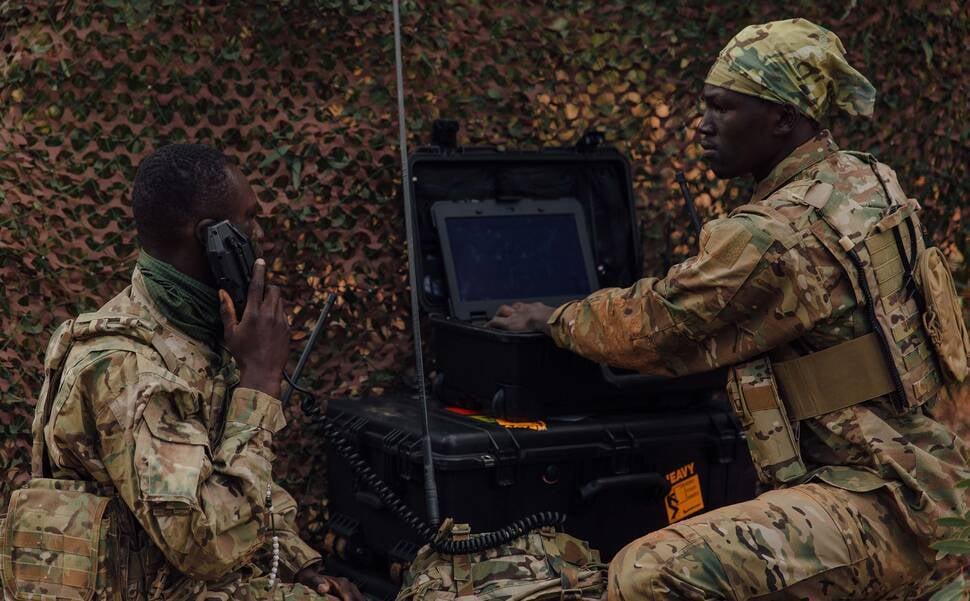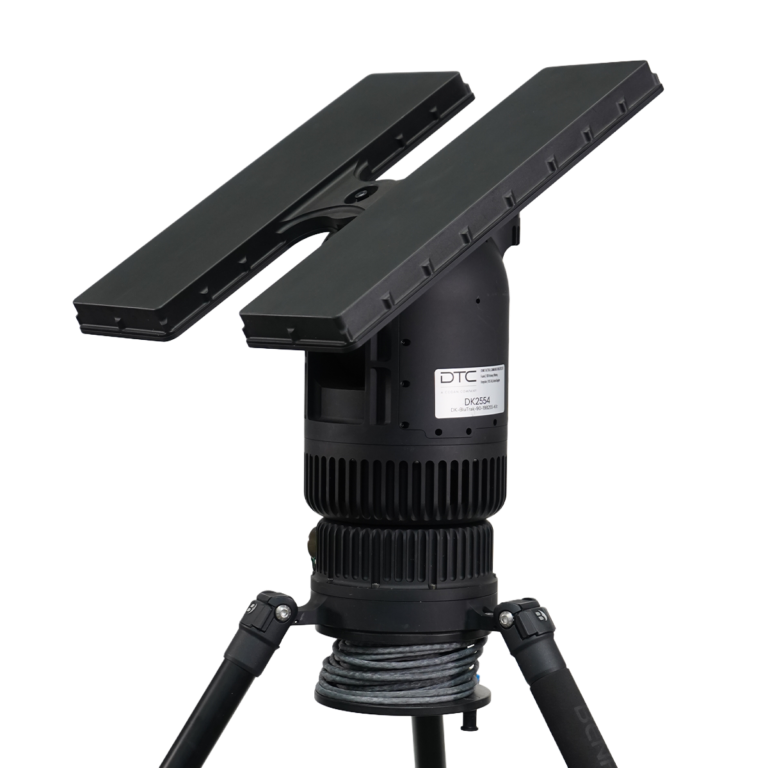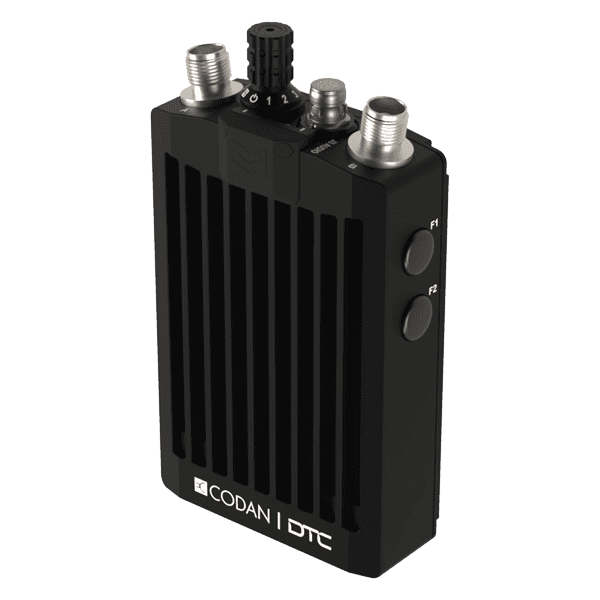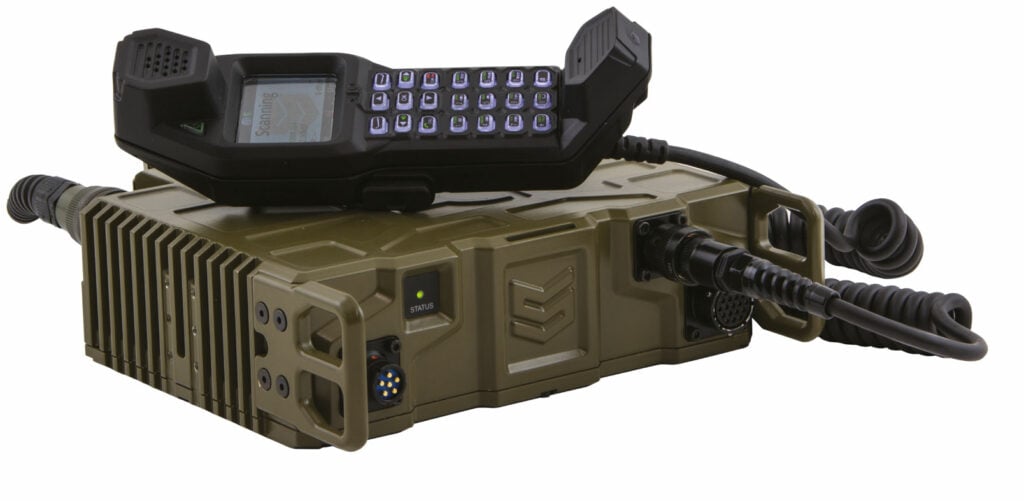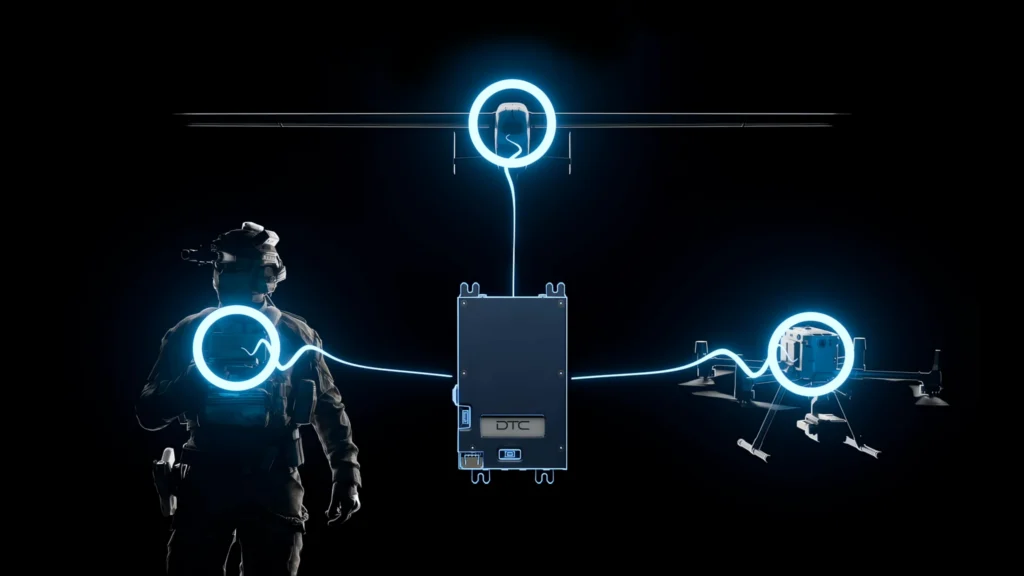

DTC, a Codan Company, outlines how its MESH Solution is reshaping tactical communications by enabling decentralized, adaptive connectivity in environments where disruption is expected.
In urban operations, buildings block line-of-sight, electronic warfare disrupts signals, and nodes may move in and out of range, making infrastructure-dependent networks unreliable.
The MESH Solution is designed for these conditions, supporting communications as forces become more distributed and mobile.
MESH Architecture Overview
DTC’s MESH Solution is a wireless architecture in which each node, including radios, vehicles, soldiers, drones, and sensors, connects to multiple other nodes simultaneously. This peer-to-peer structure allows voice, video, and data to move across multiple paths.
Andrew Dobson, Vice President of Military Communications for DTC, commented, “It’s about sending data to the next node or platform, and then that node communicates it on your behalf, and so on and so forth. Think of it like stepping stones across a river. You don’t broadcast out and hope everybody is within range. Instead, the network finds its own path, one node at a time, all the way to its destination.”
A token-based mechanism structures node-to-node connections, with each node relaying data while the network continuously determines optimal paths, extending range beyond individual radios.
Resilient Network Design
Traditional communications systems rely on centralized infrastructure such as base stations, repeaters, or satellite links, creating single points of failure.
The MESH Solution removes this dependency by distributing connectivity across nodes, allowing the network to adapt and reorganize as conditions change.
Self-forming enables the network to establish automatically as devices broadcast their presence and connect with nodes sharing the same credentials.
Dobson added, “Self-forming is having the network establish itself and broadcast ‘I’m here,’ and then other radios respond, ‘I’m here too. I have the same credentials.’ Just like that, the network forms.”
Self-healing maintains connectivity when nodes drop out due to jamming, interception, or range, with the network rerouting communications and updating routing tables in real time. Reconvergence occurs within seconds.
Operational Flexibility
The MESH Solution supports connectivity in environments where obstacles disrupt line-of-sight by routing communications through available nodes.
It also integrates with unmanned systems, allowing operators to connect to drones on the same network. Nodes can view or control feeds in real time, with unmanned platforms treated as standard nodes that the network adapts to as they move.
Software-Defined Approach
The solution uses a software-defined architecture, allowing capabilities to be updated without replacing hardware.
Dobson said, “Looking ahead, we’re going to keep developing and incrementally improving all the features, applications, and capabilities. But the base hardware will remain the same, giving customers longer use out of it. We’re moving away from a hardware-centric world.”
Mission Continuity
The MESH Solution forms, adapts, and restores itself as conditions change, supporting continuous communications in environments where disruption, interference, and mobility are constant.