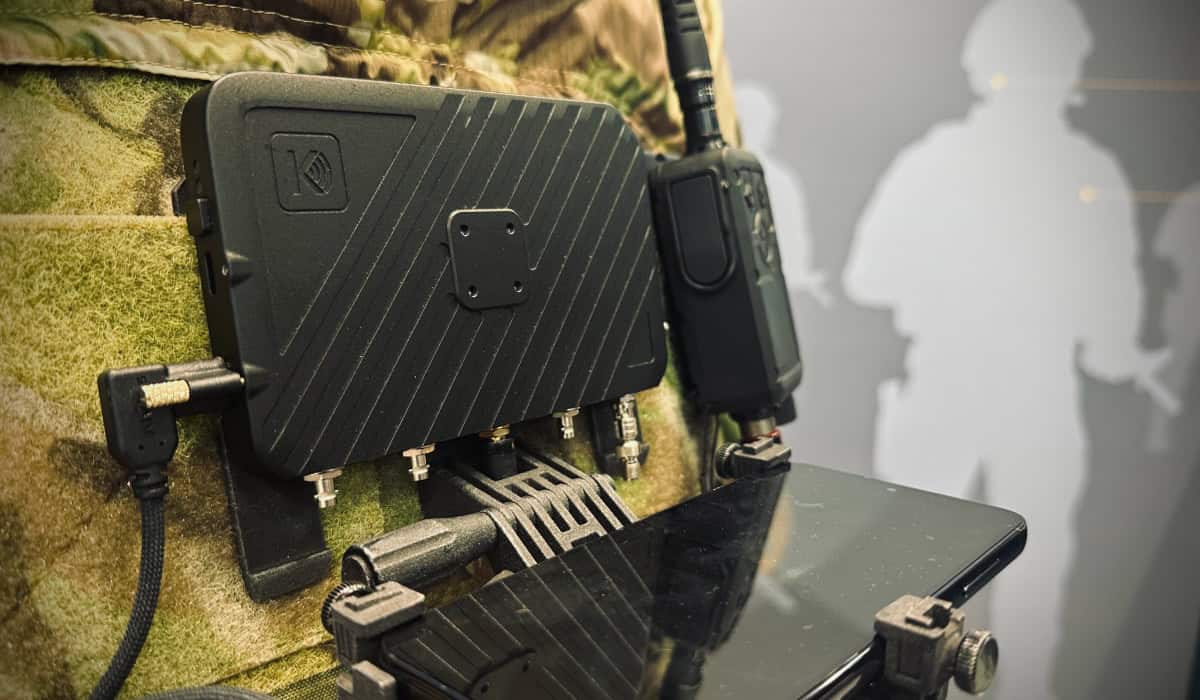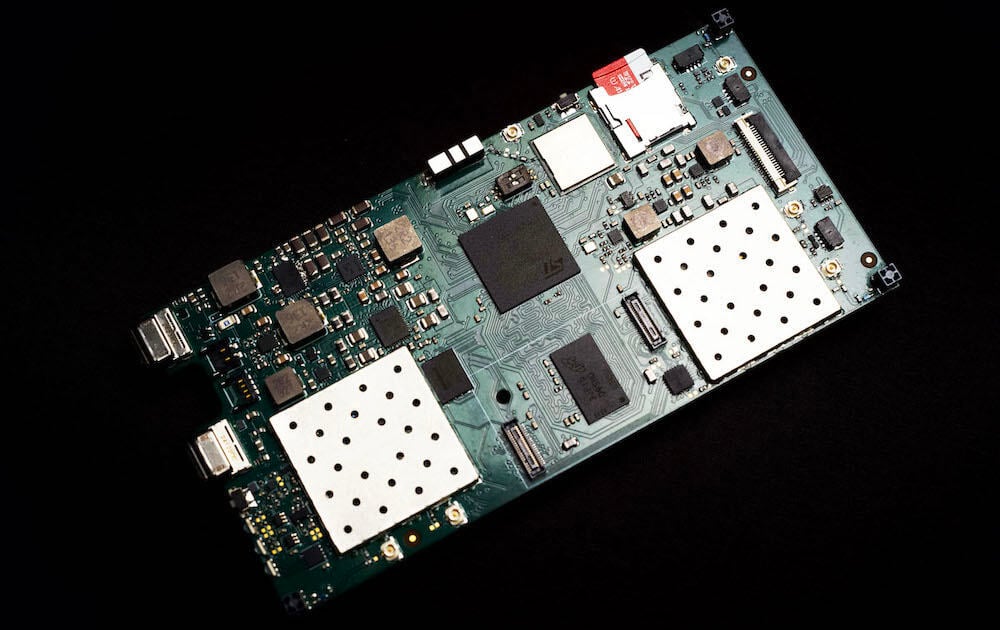





Beechat Network Systems has identified that drones have become a defining technology of modern warfare, serving as central tools for reconnaissance, artillery spotting, and precision strikes.
The Rise of Electronic Warfare
As drones such as DJI Mavics, FPV kamikaze drones, and Baba Yaga quadcopters have become routine on the battlefield, military and improvised jammers have emerged to counter them. These jammers target drones by flooding airwaves with interference or spoofed signals, causing many platforms to crash or drift aimlessly once the control link or GPS signal is lost. Engineers have responded by developing technologies that make communications immune to interference or replace them with onboard decision-making.
Fibre-Optic Tethered Solutions
A fibre-optic tethered drone remains physically connected to its operator through a lightweight optical cable that carries digital control commands, sensor feeds, and power. This direct, high-bandwidth connection completely avoids the radio spectrum, making it immune to electronic noise or frequency attacks. While this method offers absolute reliability and high security for observation and targeting missions in saturated electronic warfare zones, it is limited by a restricted operating radius and increased risk to the operator due to physical proximity.
Onboard AI and Autonomy
The risk of jamming has also been mitigated by removing the need for live control through onboard AI. By embedding artificial intelligence models within the drone, navigation and targeting decisions are made locally based on mission parameters provided before take-off. Autonomous drones are unaffected by GPS denial because they rely on internal logic and sensors. While true decision-making requires substantial computing power and presents ethical concerns regarding human oversight, it represents a long-term direction for anti-jamming resilience.
Frequency Hopping Adaptability
Frequency Hopping Spread Spectrum (FHSS) provides a wireless approach where the transmitter and receiver continually shift frequencies in a synchronised but unpredictable pattern. HopSync, Beechat’s adaptive frequency-hopping system, builds on these principles by synchronising multiple nodes within a tactical mesh network. “It helps radios maintain communication in heavily contested environments by dynamically coordinating their hopping behaviour across the entire network.” Modern implementations like HopSync reduce synchronisation problems by deriving hop positions from time and a shared secret.
Future of Resilient Design
The ongoing conflict in Ukraine has accelerated experimentation, turning these theories into field-tested realities. Over the next few years, hybrid systems are expected to blend these methods to meet standard requirements for any operational drone. The race to build resilient communication links is reshaping how drones are designed and deployed.
Read How Modern Drones Overcome Jamming: Fibre Optics, AI Autonomy, and Frequency Hopping for more information.