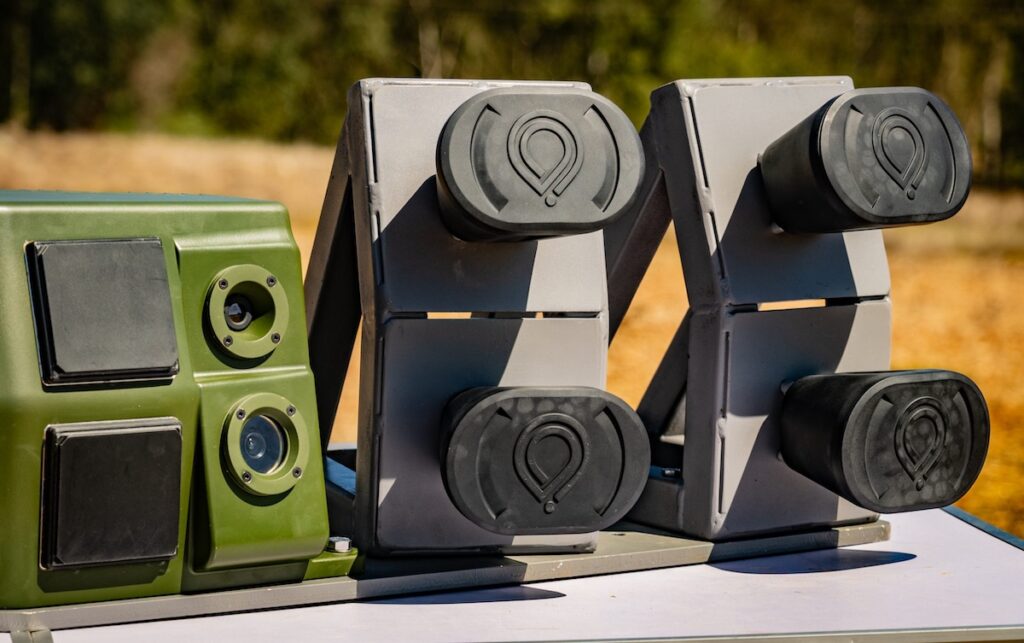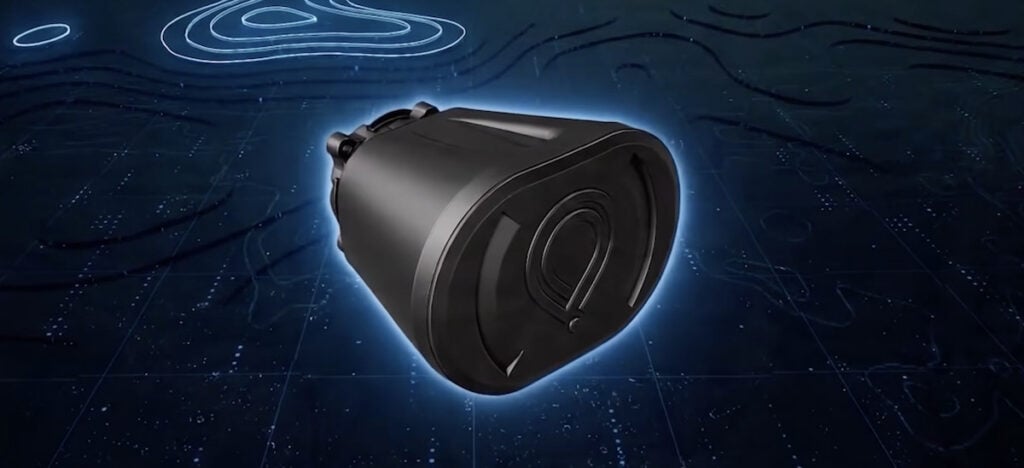





The increasing appearance of fiber-optic–controlled drones is forcing defense organizations to rethink how they approach Counter-Unmanned Aircraft Systems (C-UAS). ParaZero Technologies has identified this growing operational concern and developed systems such as DefendAir to strengthen multi-layered defense frameworks against this evolving threat.
Although most commonly associated with high-speed communications, fiber-optic cables, the same technology that carries nearly all global internet traffic, are now influencing combat environments. Networks based on these cables form the backbone of modern connectivity and are responsible for approximately 99 percent of global data transmission. Their adaptation for unmanned aircraft operations marks a significant shift in the C-UAS domain.
A Changing Threat Environment
The widespread availability of low-cost, easily assembled attack drones has transformed the modern battlefield. These small systems, often built from commercially available components, allow forces to carry out reconnaissance and precision strikes at minimal expense. As a result, established defense doctrines have had to adapt to asymmetric conditions, where a $1,000 drone can threaten assets protected by far more expensive interceptors.
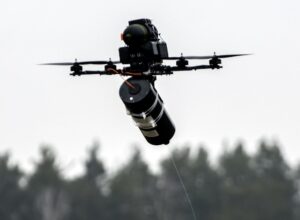
A fiber-optic-controlled drone is designed for the Ukrainian Armed Forces in the Kyiv region, Ukraine, on January 29, 2025. (Photo by Maxym Marusenko/NurPhoto)
Many militaries have adopted “soft-kill” C-UAS tactics such as Radio Frequency (RF) jamming, GNSS spoofing, and other Electronic Warfare (EW) measures. These techniques interrupt a drone’s command link rather than physically destroying it, providing a cost-effective alternative to missile-based “hard-kill” responses.
However, the emergence of fiber-optic–linked drones has altered this balance. These aircraft replace RF control with optical fiber connections that spool directly from the drone, sharply reducing their radio emissions and making them far more difficult for radar and EW systems to detect or disrupt.
First reported as operational during the current Russia–Ukraine conflict, their use has since been observed across additional theaters. Their appeal lies in affordability, low detectability, and extended range. A single spool can contain dozens of kilometers of fiber, allowing pilots to operate at significant distances while maintaining stable, real-time FPV (first-person view) video with minimal latency and no RF exposure.
Building Effective Layered Defenses
The rise of fiber-optic drones reinforces the importance of an integrated C-UAS network that combines electronic, optical, and kinetic layers. No air defense array is impenetrable, but connecting multiple detection and engagement tools across domains is critical. Long-range radar and electro-optical systems must be integrated with responsive tracking and interception assets to create a layered protective structure capable of countering both RF-controlled and fiber-linked UAVs.
Even as EW systems evolve, physical interception technologies remain essential. When communications links cannot be jammed, targeting the drone’s mechanical components, such as its propellers, remains an effective countermeasure.
ParaZero’s DefendAir Solution
ParaZero’s DefendAir system provides a versatile kinetic response to these challenges. The system uses a net to intercept and neutralize hostile drones and can be configured for multiple operational roles, including air-to-air platforms, turret-mounted units, and portable soldier-level systems. By bridging gaps left by purely electronic defenses, DefendAir enhances layered C-UAS architectures and supports flexible engagement across a range of mission profiles.
As fiber-optic drones continue to evolve, maintaining comprehensive, adaptive defense strategies will be essential. The combination of sensor fusion, electronic disruption, and physical interception, supported by solutions such as ParaZero’s DefendAir, offers the most resilient path to safeguarding airspace against the next generation of unmanned threats.