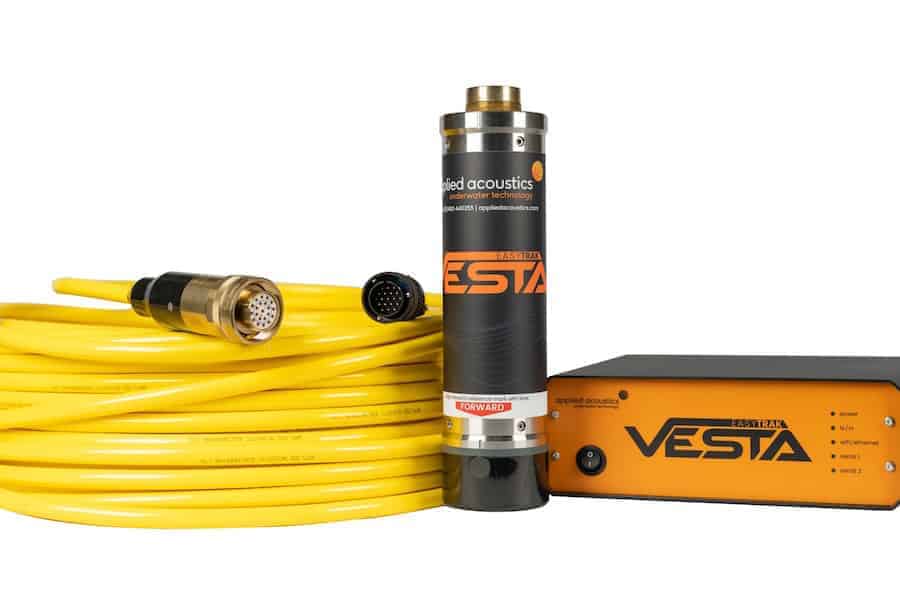



Meeting the demands of modern marine survey operations requires positioning systems that deliver both precision and efficiency. The Easytrak Nexus 2 Max from applied acoustics is a significant re-engineering of the company’s established USBL system, developed to resolve integration and timing challenges while supporting the increasing use of autonomous and hybrid survey platforms.
According to Ben Darling, Positioning Product Line Manager at applied acoustics, the system was designed to meet the operational requirements of contemporary survey vessels. Development focused on improving data quality, simplifying setup, and ensuring compatibility with the autonomous systems now emerging across the offshore industry.
Streamlined Ethernet Integration
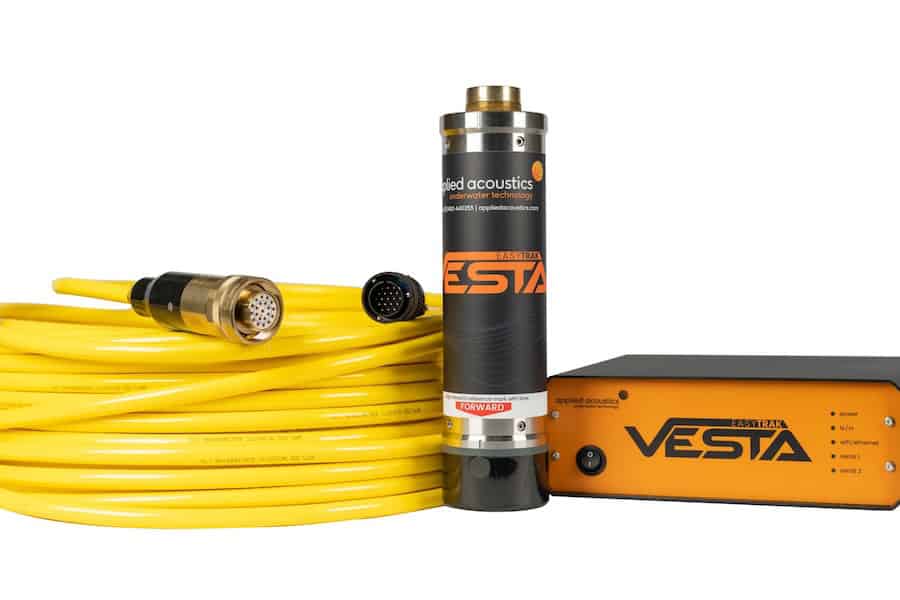
The Easytrak Nexus 2 Max introduces a single-cable Ethernet configuration, replacing multiple sensor connections with a unified link that transfers all data via UDP (User Datagram Protocol) inputs. This design reduces setup complexity, shortens mobilization times, and simplifies operations on vessels where space is limited.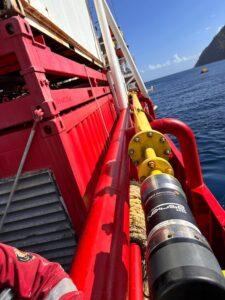
“A modern survey ship pretty much runs off Ethernet,” says Ben. “This means that instead of having multiple wires for all these different sensors, it all comes in over one cable. It makes the survey space much cleaner and can be used on smaller boats with less set-up.”
With only Ethernet and power leads required, the system removes the need for external peripherals such as keyboards or mice. The resulting configuration reduces installation time, lowers operational overheads, and supports remote surveys where personnel exposure offshore can be minimized.
Timing Synchronization and Interpolation
To improve positional accuracy, the Nexus 2 Max incorporates interpolation and NTP (Network Time Protocol) time synchronization, addressing timing discrepancies between sensor data and acoustic signals. As both external sensors and acoustic systems have grown more precise, even small timing variances can create misalignments between data sources such as side-scan imagery and positional records.
Previous systems relied on the positional data nearest to the acoustic response. The Nexus 2 Max instead interpolates to determine where the position would have been when the acoustic signal was received, providing greater positional consistency over long distances.
“It may seem small, but it improved our accuracy by up to 0.3 percent. When you extrapolate that over distance, we observed a 30 cm change at 100 meters,” Ben explains. “At 1,000 meters, that results in a 3 meter change, which makes a significant difference.””
These refinements contribute to enhanced data reliability and repeatability for extended-range operations.
Compatibility with Hybrid and Unmanned Surveys
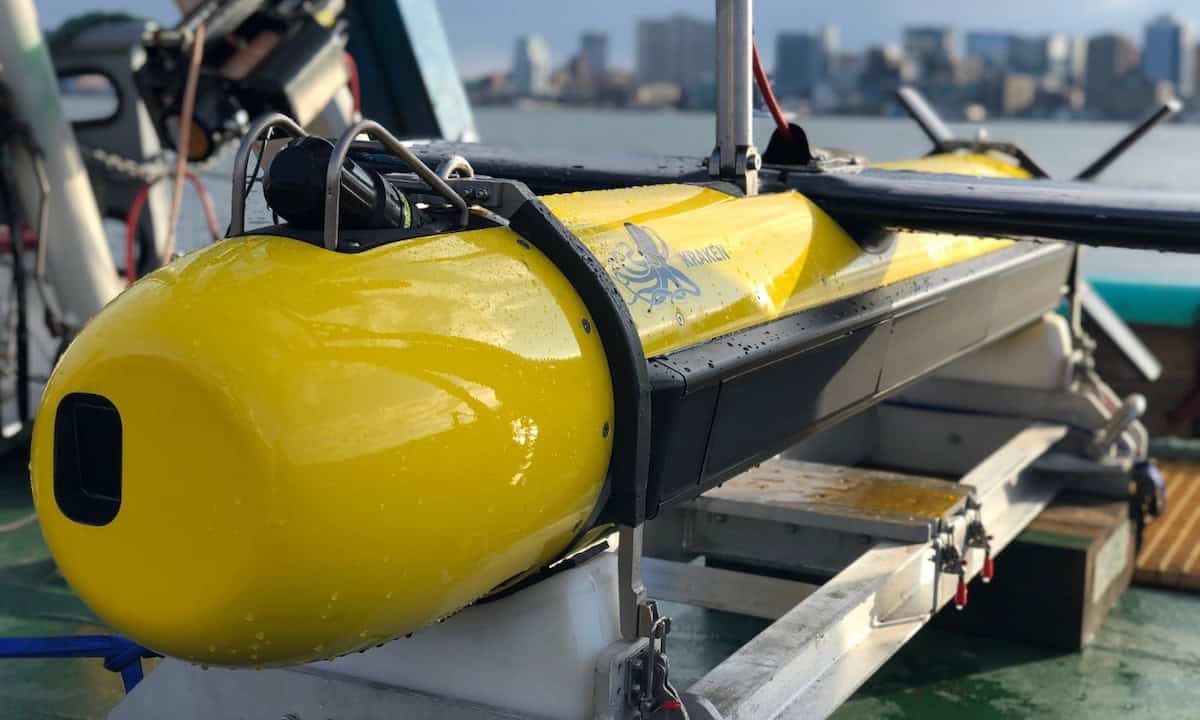
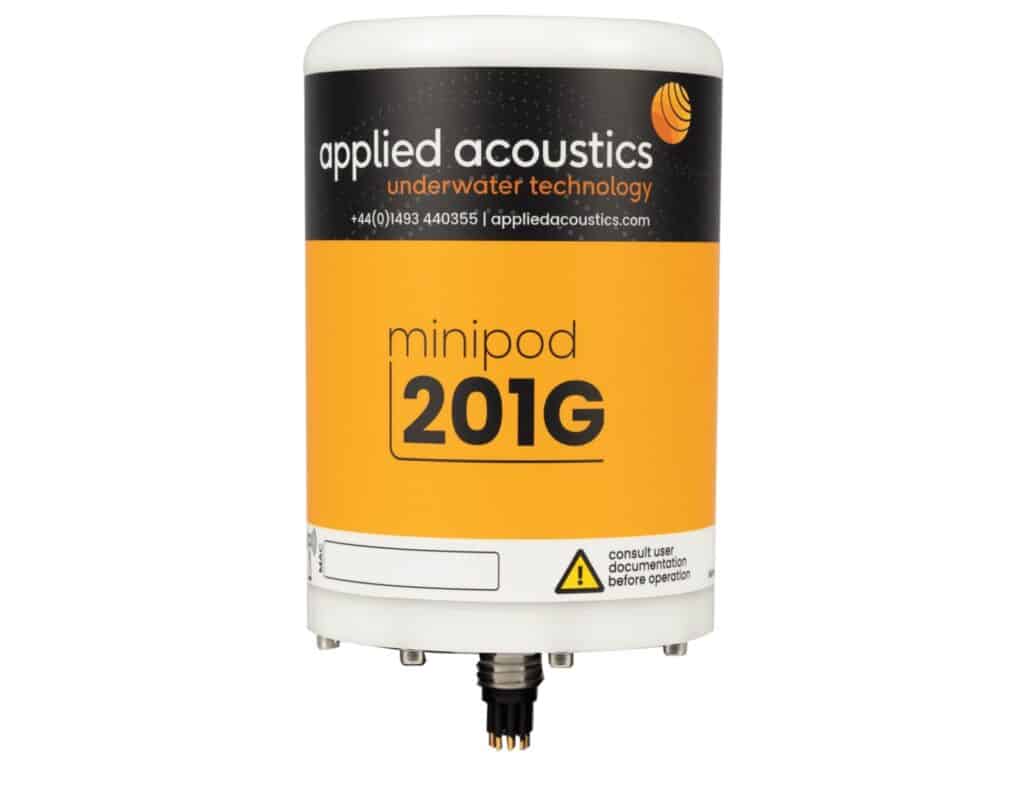
As hybrid surveys increasingly combine manned vessels with Autonomous Underwater Vehicles (AUVs) and Unmanned Surface Vessels (USVs), the Easytrak Nexus 2 Max has been engineered for integration across multiple platforms. Additional responder ports enable synchronized tracking of several towed sensors, improving oversight of complex survey configurations.
An upgraded electrically triggered responder mode further reduces signal travel time and transmission error, halving latency during long-range tracking. This feature supports higher update rates where near real-time data is required.
Operating System Support and Upgrade Path
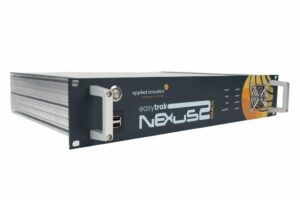
Nexus 2 Max
The Nexus 2 Max currently operates on a commercially supported version of Windows 10, with a Windows 11 release planned for Q1 2026. applied acoustics will provide a free upgrade for all units sold prior to the transition, maintaining software continuity and platform compatibility.
Accuracy Through Proper Calibration
While the Nexus 2 Max provides improved positional precision, performance depends on correct setup and calibration. Darling identifies two essential factors: verifying sensor offsets and performing regular velocity of sound profiles.
Ben explains, “If your offsets are wrong… when you run in one direction, you are going to be a meter out from the real position one way… and if you then run in the opposite direction, you will be a meter out the opposite way. If you imagine you are now doing that in three dimensions, your error is going to be much larger.”
Accurate sound-velocity profiling ensures reliable range calculations, preventing positional drift and maintaining consistent data quality.
applied acoustics provides installation assistance, remote and on-site training, and continuous technical support for Nexus 2 Max users worldwide. The system’s refined architecture reflects the company’s focus on delivering dependable, efficient, and integration-ready positioning solutions for defense and marine survey applications.