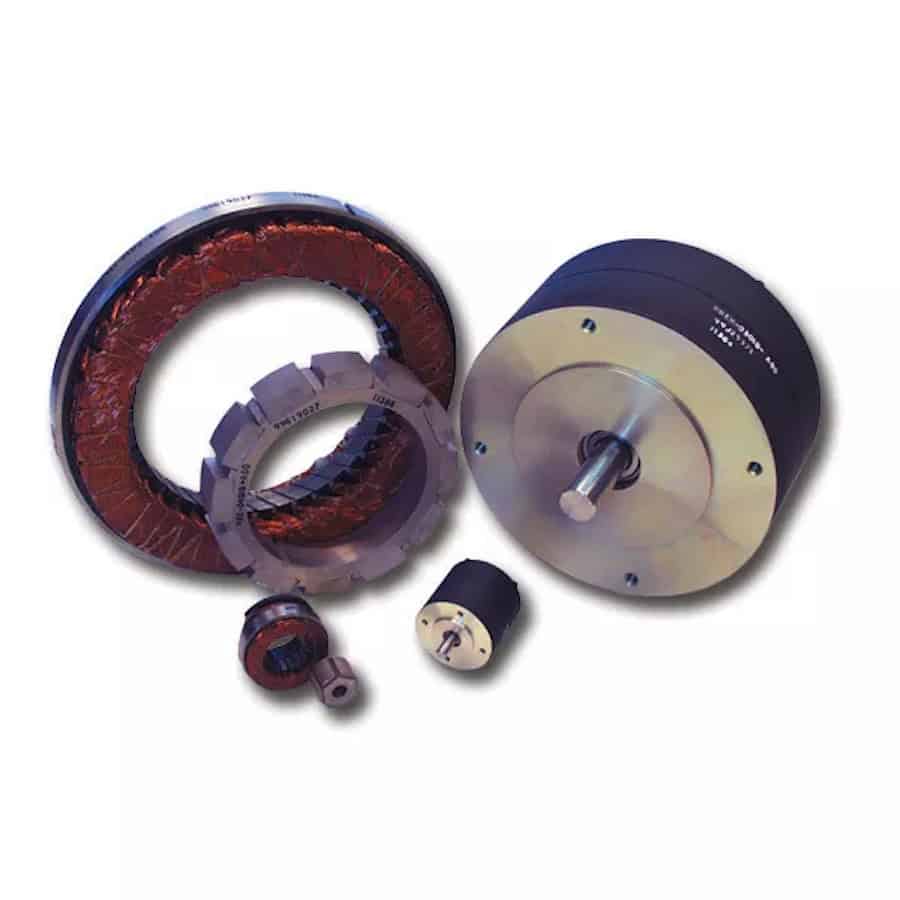
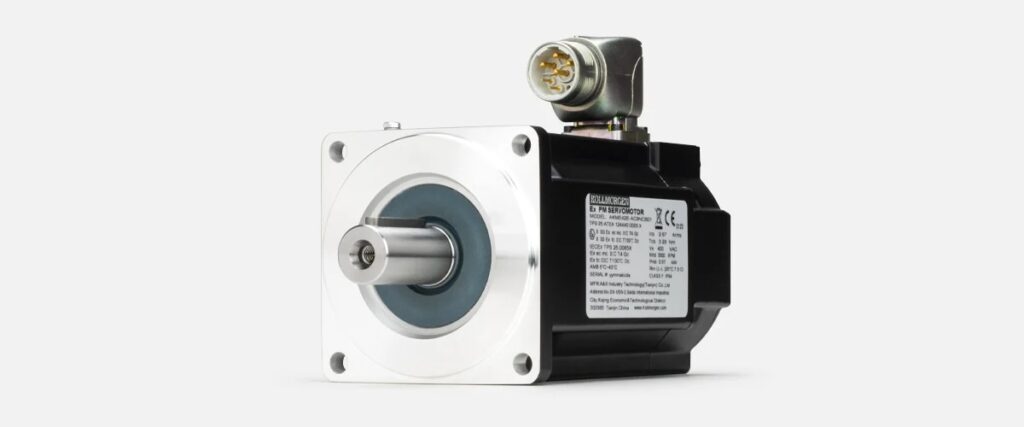
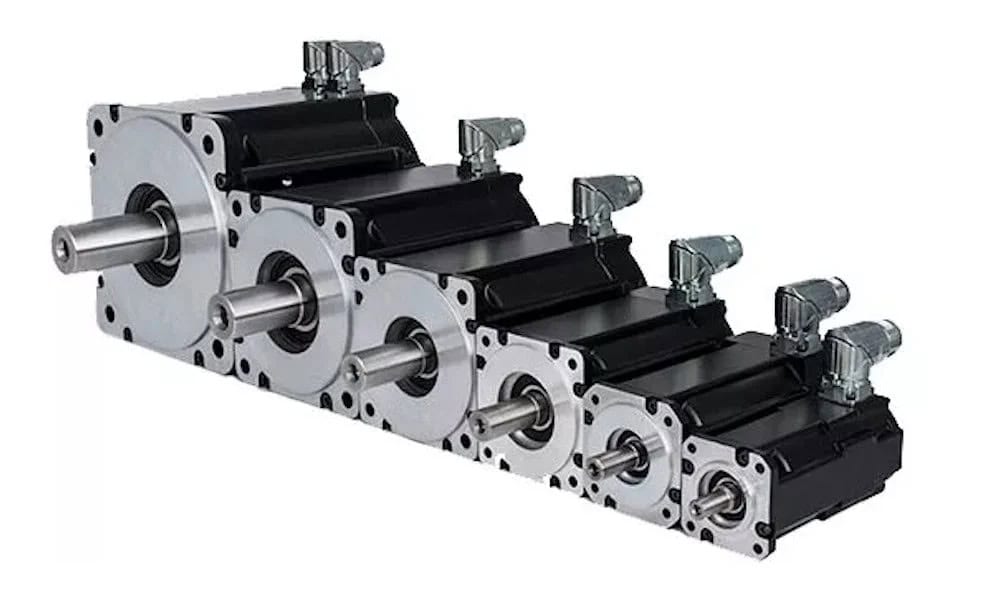
In the article ‘5 Harshest Environments for EO/IR Motion Control,’ Kollmorgen examines the environmental factors that challenge Electro-Optical/Infrared (EO/IR) motion systems and the engineering considerations needed to ensure reliable performance in demanding conditions.
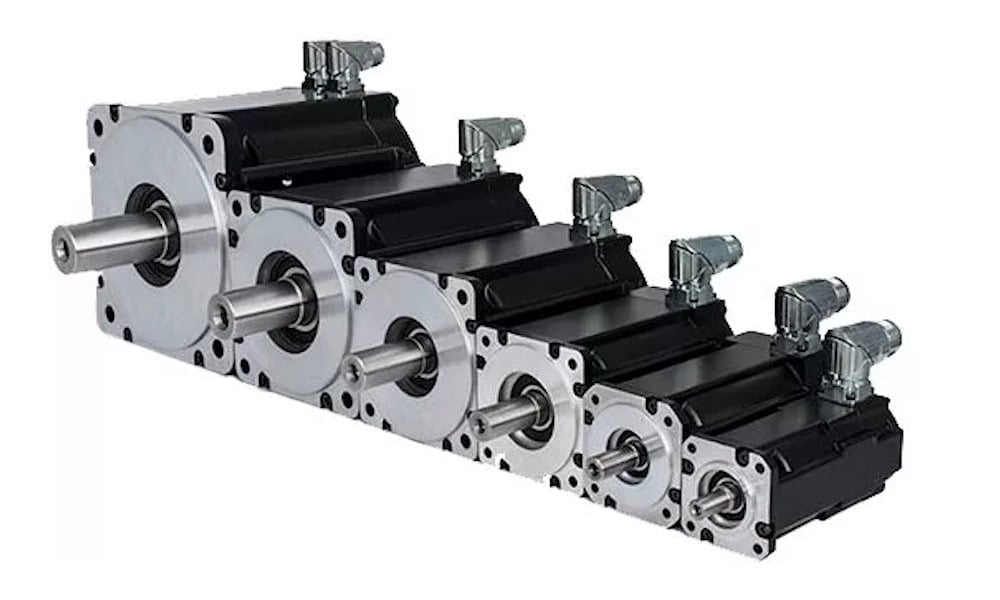
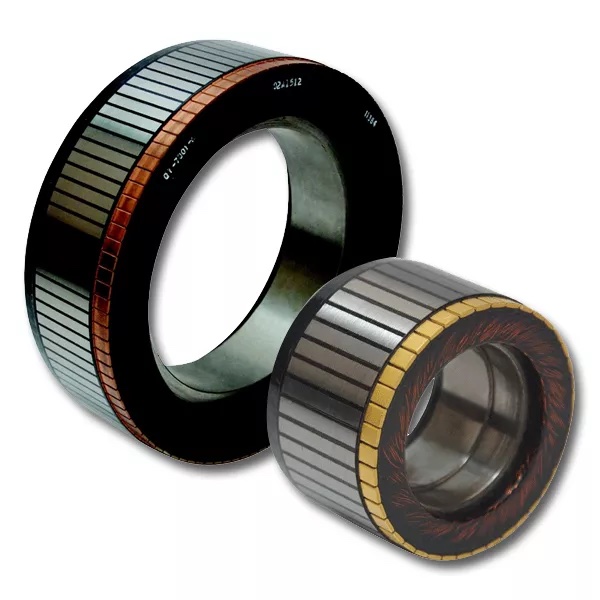
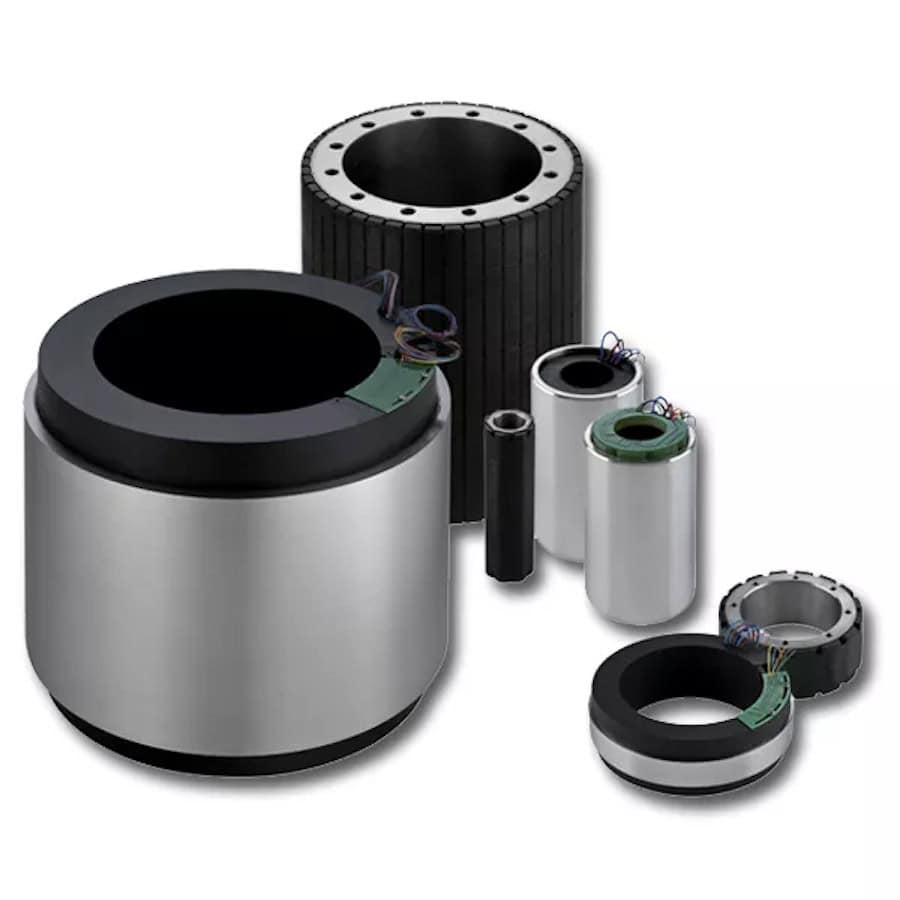
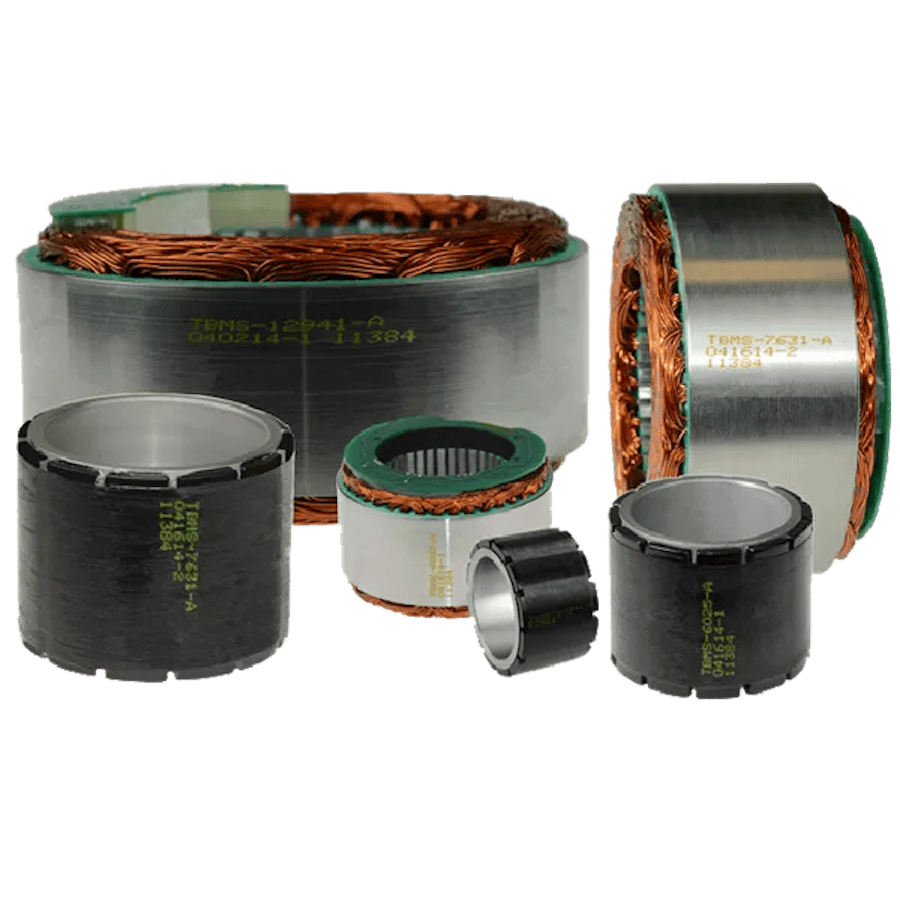
Kollmorgen develops precision motion and motor technologies that deliver high reliability for defense and aerospace systems operating across land, sea, air, and space domains. Designed to endure extreme environments, these systems support critical surveillance, targeting, and intelligence missions.
EO/IR systems provide long-range visual and thermal imaging for a wide range of military and aerospace applications, including satellite, airborne, and ground-based platforms. These systems consist of two primary elements: imaging sensors and motion control mechanisms.
While the sensors must function effectively across varying light levels and weather conditions, the motion control system ensures smooth, accurate positioning along azimuth and elevation axes. Both components must remain operational under harsh environmental influences. The following outlines five of the most challenging conditions for EO/IR motion control systems.
1) Fog
For EO/IR systems, fog and clouds create challenges beyond reduced visibility. Mobile platforms carrying EO/IR sensors are exposed to moisture and pressure changes, particularly at high altitudes. To maintain consistent movement and functionality in these conditions, motion systems must resist rust and corrosion while accommodating variations in air pressure. Systems designed for such environments are tested in accordance with MIL-STD-810G 506.5, which covers humidity and altitude performance.
2) Humidity
Humidity introduces moisture and increases thermal stress within the motion control assembly, making heat dissipation more difficult. Motion systems must adjust for torque variations that can influence targeting precision and image stability. The farther the target, the greater the required angular accuracy. Reliable torque feedback and consistent operation in humid conditions are essential, supported by compliance with MIL-STD-810G 507.5.
3) Vibration
Vibration is encountered both during transport and during operation on moving platforms. Excess motion can loosen internal connections, alter the airgap between rotor and stator, and disrupt positional feedback. Rugged motion control systems are therefore required to mitigate these effects. Since EO/IR payloads often operate on aerial, maritime, terrestrial, or space-based platforms, vibration qualification under MIL-STD-810G 514.6 is critical.
Motion control can also be used to counteract vibration through image stabilization. By moving in equal and opposite directions to the disturbance, the system maintains a neutral motion environment and allows for clear target identification.
4) Sand
Fine particles such as sand are highly abrasive and difficult to exclude completely. EO/IR housings are typically designed to prevent particle ingress, but motors and actuators must still withstand potential exposure. Motion control systems intended for these conditions undergo testing to MIL-STD-810G 510.5 to ensure continued operation and long-term reliability in abrasive environments.
5) Salt
Salt exposure presents corrosion and conductivity risks. Salt particles can degrade protective finishes and introduce unwanted electrical activity within the system. To prevent these effects, motors are treated with protective coatings and other corrosion-resistant measures. Understanding the impact of salt and related electrolytic compounds, and implementing measures to prevent degradation, is essential for maintaining performance in accordance with MIL-STD-810G 509.5.
EO/IR motion control systems must maintain accuracy and dependability across all environmental conditions—from fog and humidity to vibration, sand, and salt exposure. As outlined by Kollmorgen, motion control components that meet rigorous MIL-STD-810G environmental standards ensure EO/IR imaging platforms continue to operate effectively wherever defense and aerospace missions are deployed.