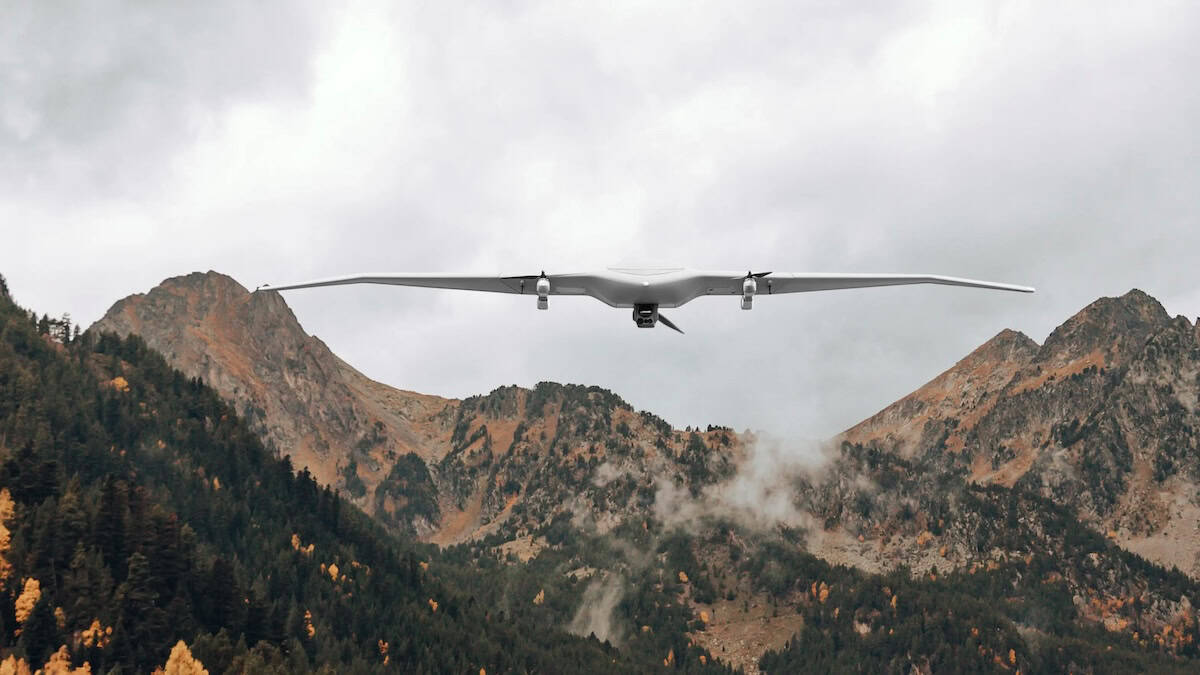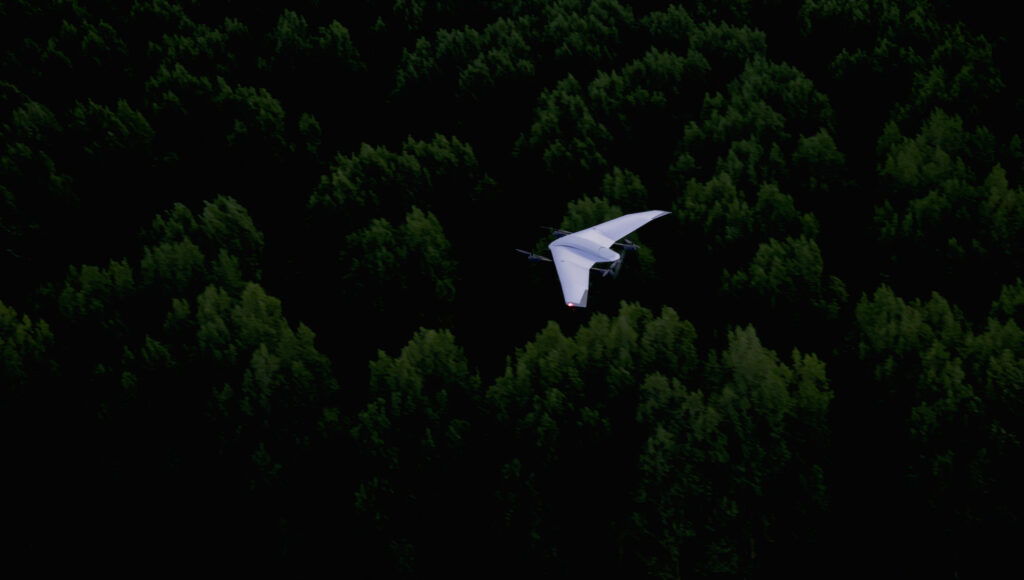





DeltaQuad discusses the technical considerations behind deploying autonomous Vertical Take Off and Landing (VTOL) systems in real-world environments, reflecting on recent engagements with the PX4 community and at FOSDEM.
 As a developer of production-ready VTOL platforms that integrate open-source flight control and autonomy, DeltaQuad focuses on ensuring that systems perform reliably beyond controlled testing conditions. Across both events, discussions centered on practical autonomy, system limits, and operational behavior.
During a January 30 meeting with the PX4 community in Leuven, conversations quickly moved into detailed technical topics. Engineers discussed GPS spoofing, flight control behavior, signal consistency, flight controller responses, system constraints, and integration across components. Participants examined why certain design decisions were made and how systems respond to unexpected situations. The exchange focused on how VTOL platforms behave under real-world conditions, where hardware and software must function together as a unified system.
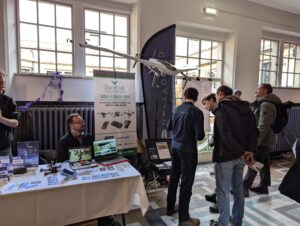
The following day at FOSDEM in Brussels, DeltaQuad presented the DeltaQuad EVO at the event entrance. The platform drew steady attention from developers and visitors. Questions focused on the drone’s software stack, subsystem integration, differences between development and deployment, and performance in wind, interference, and rough terrain. The emphasis remained on how design choices translate into operational results.
Across both settings, conversations reflected a shared interest in building autonomous systems that operate reliably outside structured environments.
DeltaQuad combines open-source flight control and autonomy with production-ready VTOL platforms, requiring that improvements demonstrate consistent performance during real missions. As mission demands increase, the company continues strengthening technical expertise and collaboration to support dependable field operation.