
Beechat Network Systems’ beaconless FHSS system, HopSync™, is a stateless, zero-trust frequency-hopping protocol designed for situations where infrastructure is absent and networks may face disruption, interception, or jamming.
Unlike traditional FHSS, which depends on synchronization beacons, factory-aligned hopping tables, or continuous control traffic, HopSync™ does not require any of these for normal operation. Each node generates its own hopping sequence using only a shared cryptographic seed and its local clock.
Through a TOTP-like HMAC (seed, time) process based on RFC 6238 principles, nodes remain synchronized without explicit exchanges of frequency or timing information. The network functions without sessions, coordination, or overhead traffic, provided that clocks are initially aligned within a few milliseconds.
The system includes several tested capabilities to support resilient operation. Nodes can resynchronize passively through optional fixed-hop beacons and can correct clock drift by observing packet collisions. In-band RSSI filtering is used locally to provide resistance against jamming, while predictive scanning enables recovery from timing drift.
HopSync™ has been tested at up to 1,000 hops per second and shown to maintain synchronization over a 24-hour period without external recalibration. These features combine to deliver stateless, decentralized operation with no dedicated control channel.
Security relies on time-based cryptographic hopping. Without the shared seed, hopping sequences remain opaque to outsiders. The design can also support forward secrecy and dynamic reseeding when appropriate key management is applied. By avoiding coordination signals, HopSync™ reduces its probability of intercept and detection, limiting the network’s signature in contested environments.
HopSync™ is suited to a range of applications where conventional synchronization methods are impractical or vulnerable. These include tactical communications in military contexts, drone swarms requiring rapid and reliable coordination, disaster response where infrastructure is unavailable, off-grid mesh networks, and environments subject to deliberate jamming. Its stateless design allows nodes to remain synchronized and operational under conditions where traditional FHSS would degrade or fail.
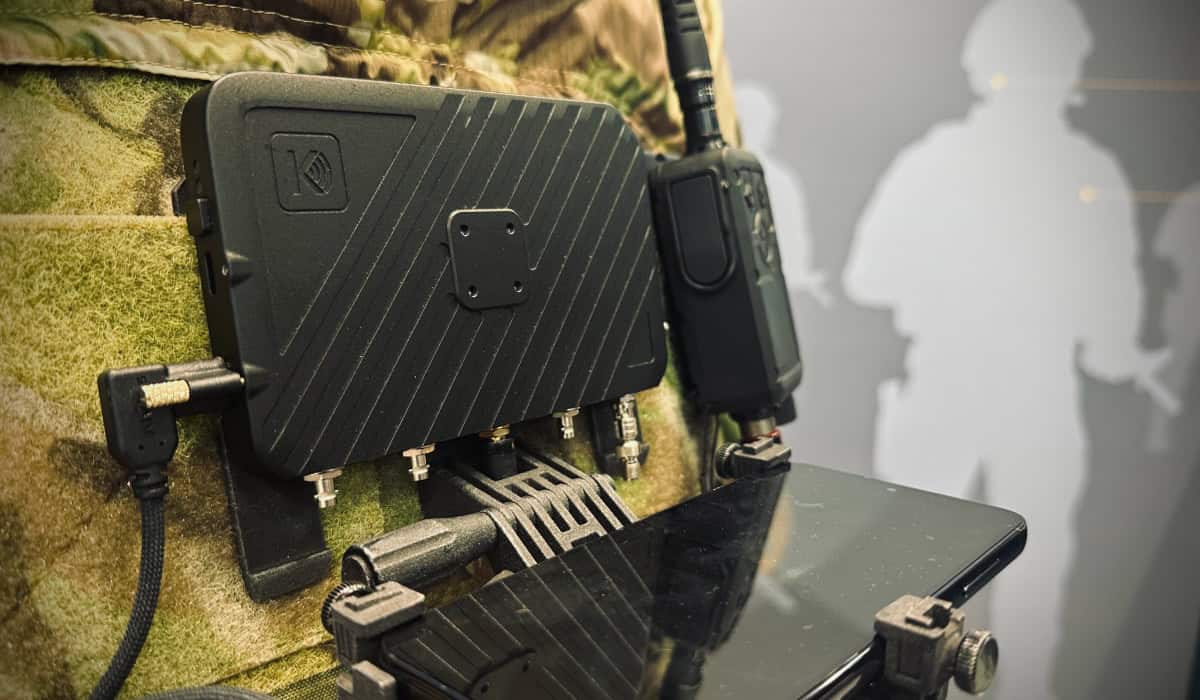
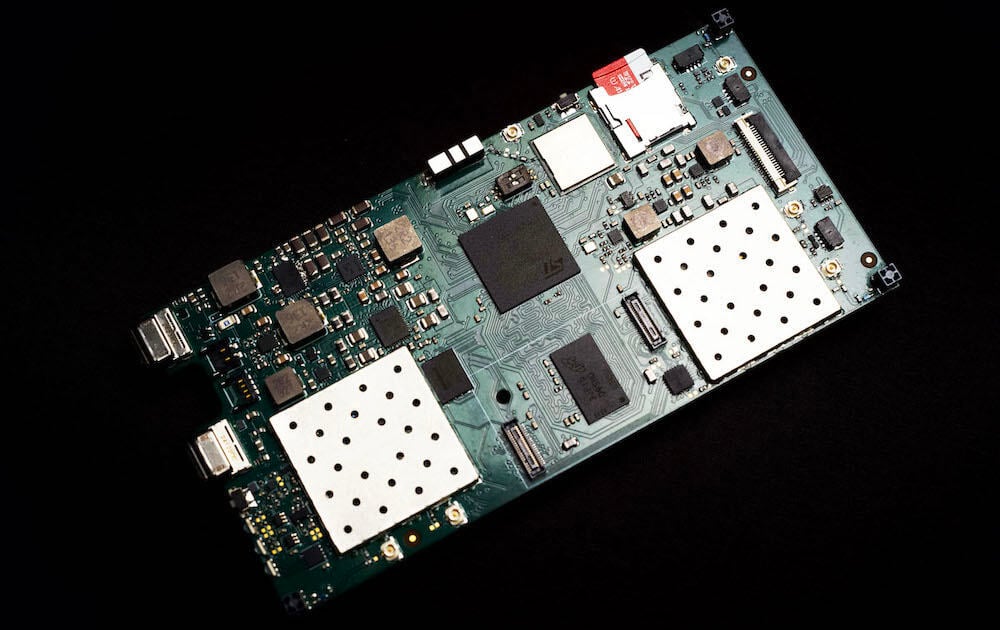
The system has been integrated as a core component of the Kaonic mesh radio stack, providing a standardized platform for decentralized and resilient communications. By combining cryptographic time-driven hopping with features for resynchronization, drift correction, and anti-jamming, HopSync™ presents a distinctive approach to frequency-hopping communications, ensuring robustness and security without reliance on centralized control or synchronization traffic.
Learn more about Beechat Network Systems’ HopSync™ >>