Sightline Intelligence discusses system-level strategies for deploying reliable AI in defense environments in Part 3 of ‘Machine Learning for the Warfighter’, emphasizing that model performance alone does not ensure dependable operation on edge platforms.
AI models remain constrained by training data, exhibit defined failure modes, and cannot generalize to every scenario, making system architecture the determining factor in achieving consistent results under resource limitations.
Read Part 1 of ‘Machine Learning for the Warfighter’ here >>
Multi-Stage Architectures & Heuristics
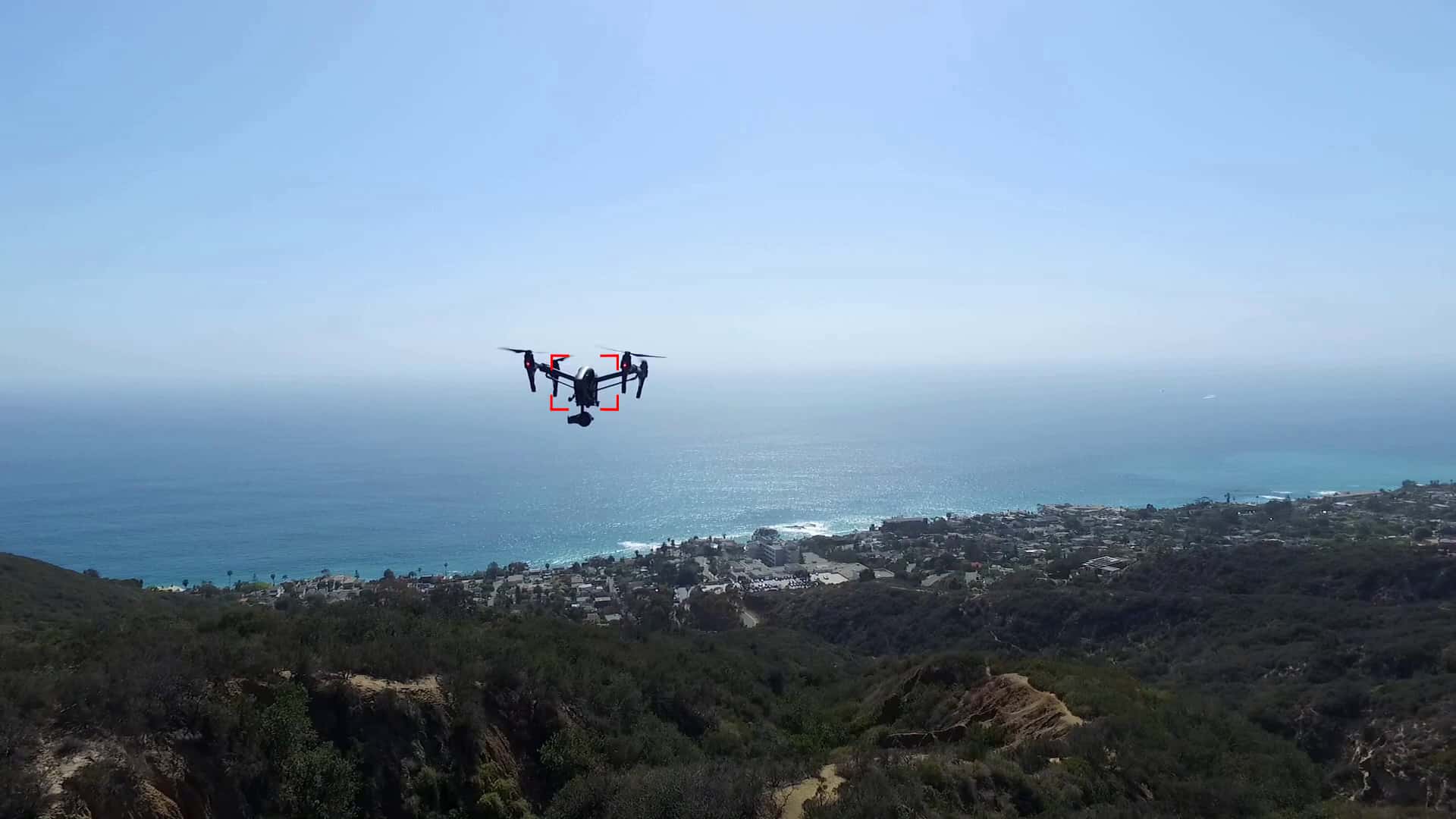
A multi-stage pipeline approach divides tasks across specialized models. In Sightline’s Counter-Unmanned Aircraft Systems (CUAS) and terrestrial detection workflows, an initial detection stage scans the full scene for regions of interest, optimized for recall to avoid missed threats.
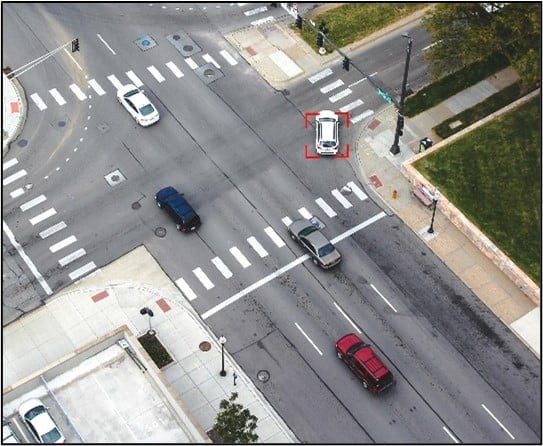
A second classification stage evaluates only those regions to determine object types and attributes such as multi-copter versus fixed-wing platforms, as well as vehicle type and color. The architecture also applies constraints such as avoiding classification for detections smaller than 12×12 pixels, where limited data would otherwise increase false positives.
Heuristics act as guardrails by embedding domain knowledge into the system. These include rejecting detections below physically plausible sizes, filtering tracks with unrealistic motion changes, requiring persistence across multiple frames, and enforcing spatial context rules such as preventing vehicles from appearing in open sky. Each reduces model burden and limits error propagation through the pipeline.
Read Part 2 of ‘Machine Learning for the Warfighter’ here >>
Out-of-Distribution Detection & Edge Deployment
Out-Of-Distribution (OOD) detection adds a further layer of robustness by identifying inputs that fall outside the model’s training and testing distribution. Sightline Intelligence implements this capability within its AiTR suite, where inputs are assessed before classification. When this occurs, outputs are flagged as unreliable rather than forcing a classification. Within the two-stage architecture, this is particularly effective when detector outputs do not resemble known object classes, reducing incorrect outputs, lowering operator burden, and improving overall system reliability.
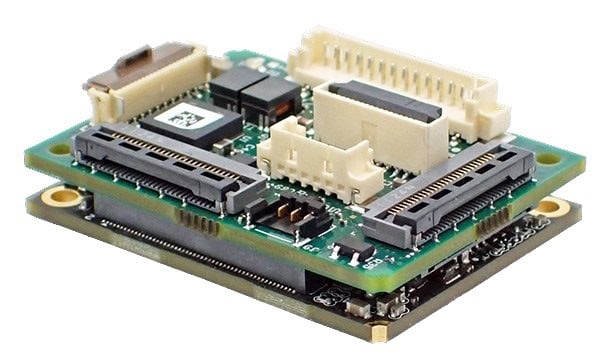
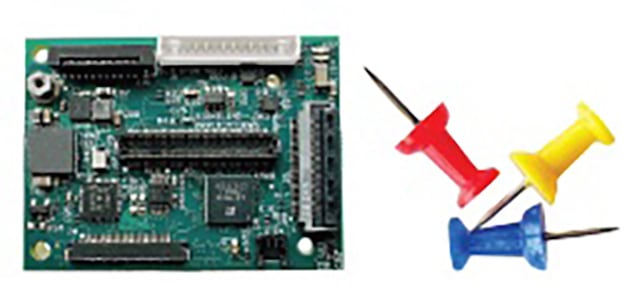
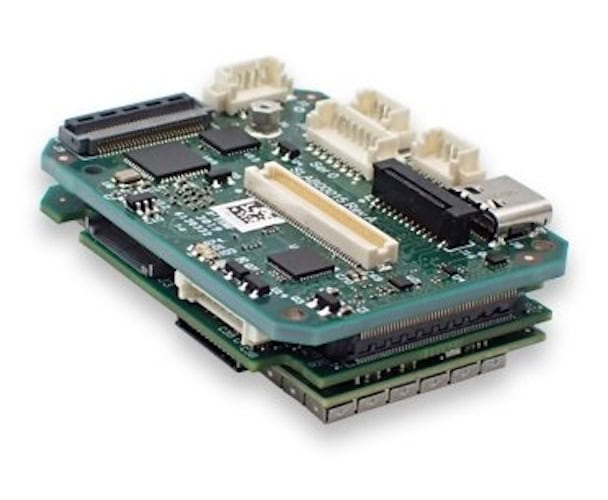
These elements are designed for edge deployment with constrained compute, memory, and power. Multi-stage processing concentrates intensive computation only where required, while OOD detection adds minimal overhead with significant gains in robustness. The result is a resilient edge AI framework that manages model limitations while delivering consistent, reliable outputs within strict Size, Weight, and Power (SWaP) requirements.
To find out more information, read Part 3: Machine Learning for the Warfighter’ here >>