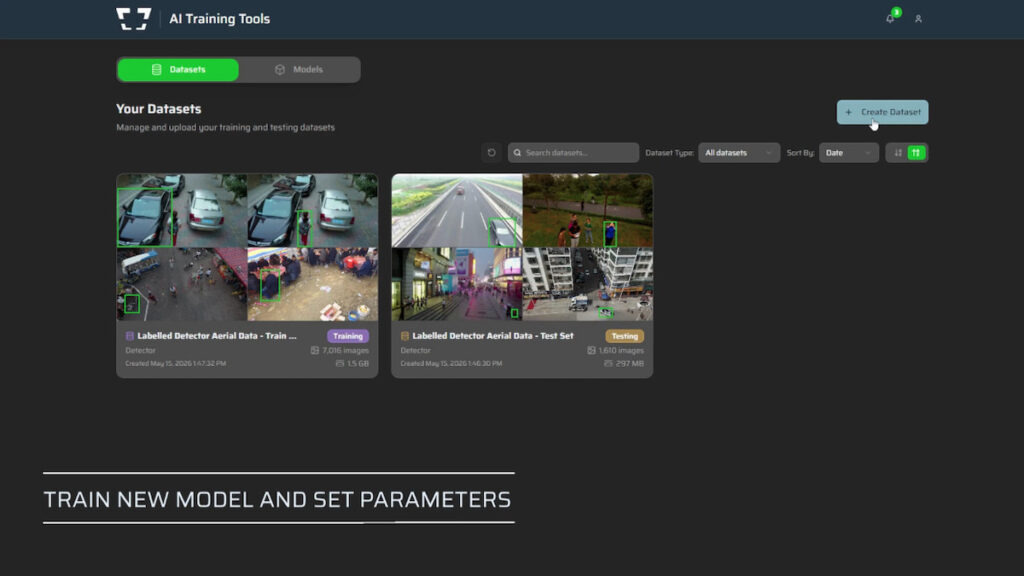
Sightline Intelligence has released AI Training Tools and Sightline 3.11, introducing new capabilities designed to help defense and security customers adapt and deploy artificial intelligence for changing operational requirements at the tactical edge.
With AI Training Tools, customers can refine and extend the company’s battle-proven Athena AI models using their own mission data, sensors, target sets, and operational environments without rebuilding models from scratch. Built on AI architectures operationally deployed over the past seven years, the platform enables users to add new target classes, improve AI performance in challenging or underrepresented environments, and rapidly deploy mission-specific AI models to Sightline software and hardware platforms.
The platform is optimized for low Size, Weight, and Power (SWaP) embedded systems and supports deployment-ready onboard AI processing in environments where bandwidth, power, and connectivity are constrained. AI Training Tools supports standard GPU-based training workflows and industry-standard AI detection and dataset formats.
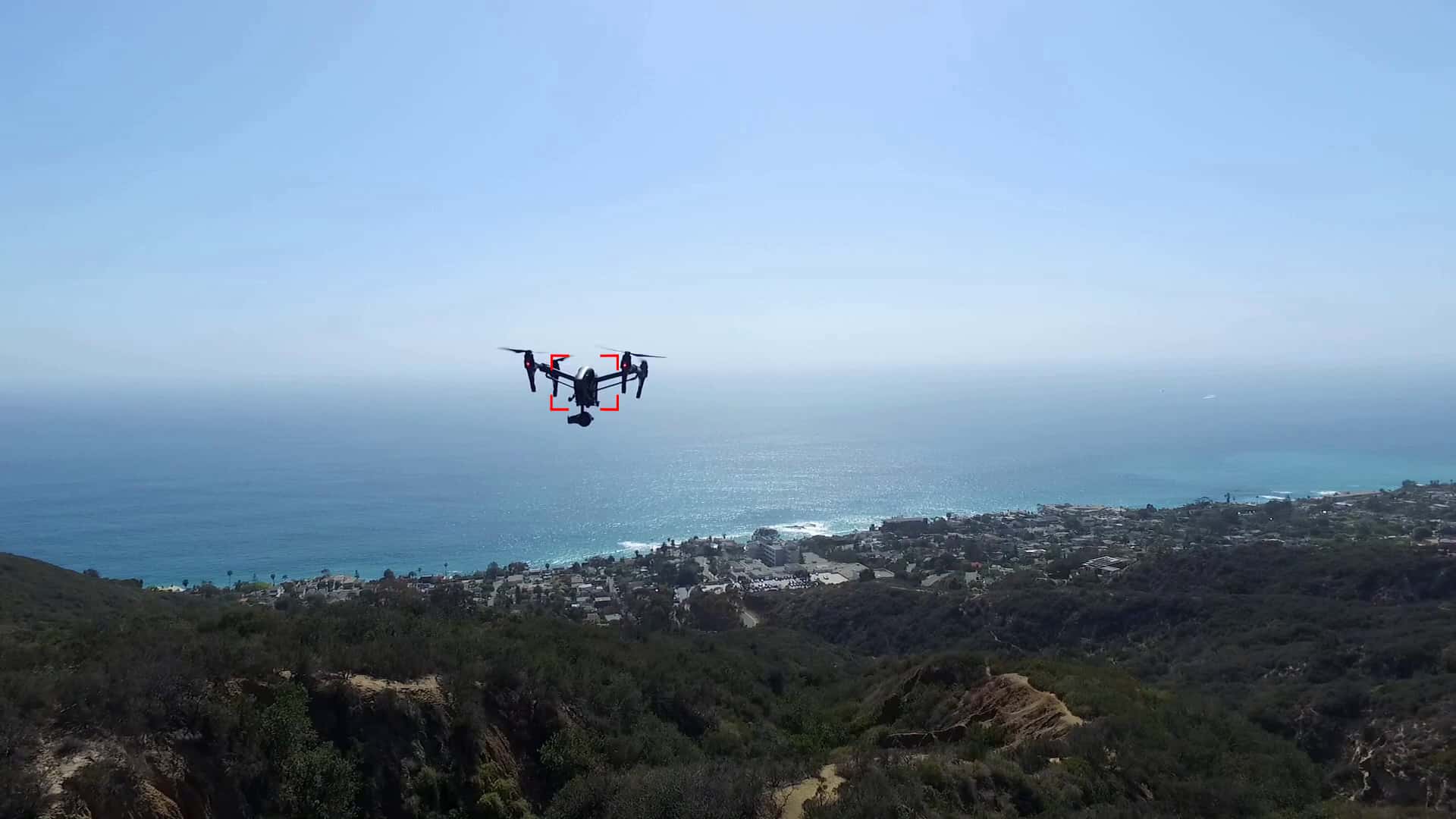
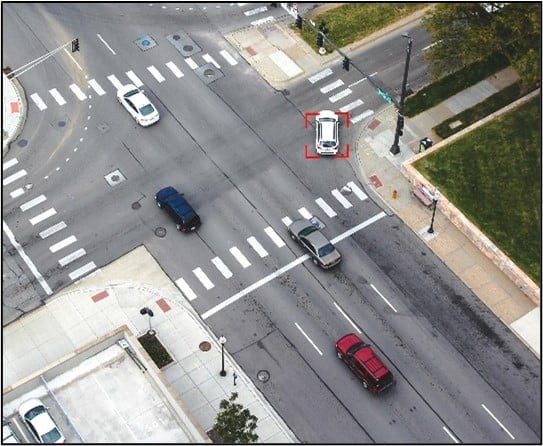
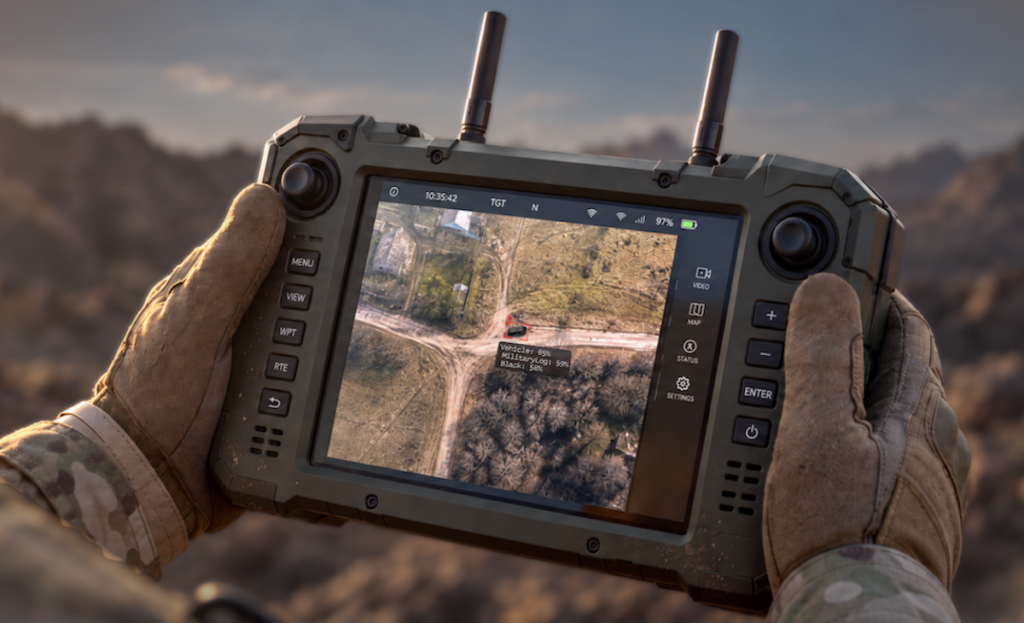
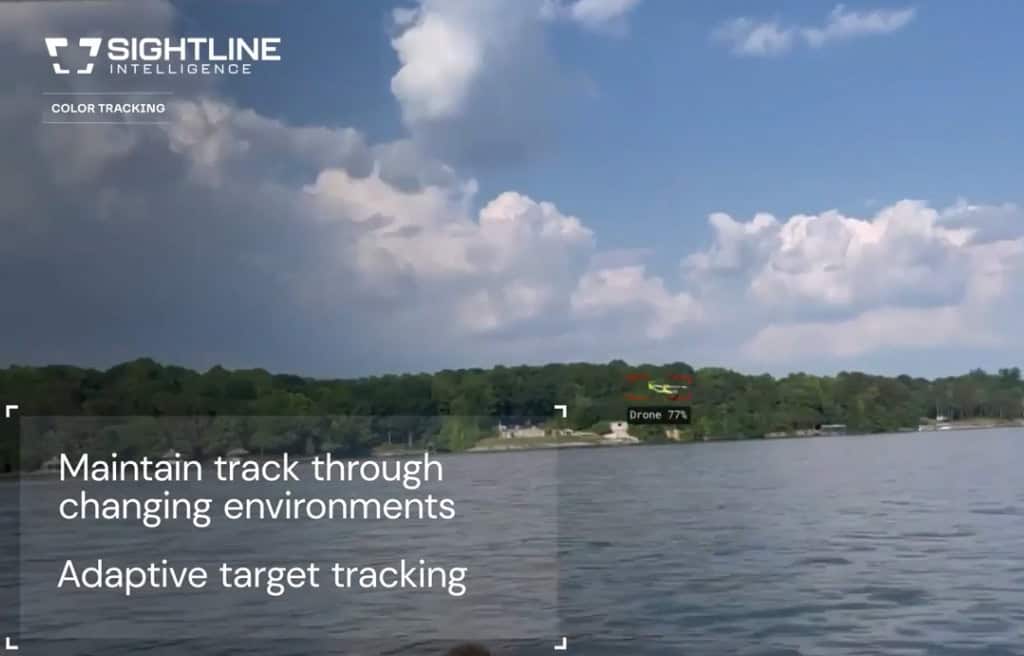
Sightline 3.11 also introduces advancements in automated tracking, scene-aware filtering, and operator-assist workflows intended to increase tracking stability, reduce nuisance alerts, and lower operator workload in dynamic operational environments. The release enhances tracking performance during target occlusion, rapid movement, and degradation across mixed mission scenarios.
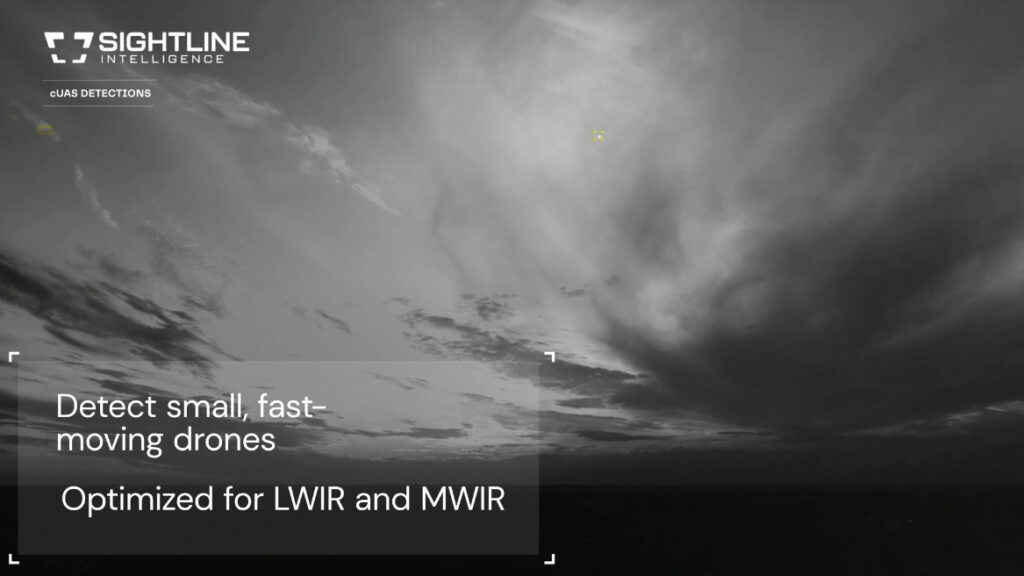
Additional capabilities include improved small-object thermal detection and scene-aware filtering for long-range Counter-Unmanned Aerial Systems (C-UAS) and complex operational environments. The release also expands Python API support for mission-specific integration and autonomous workflow development.
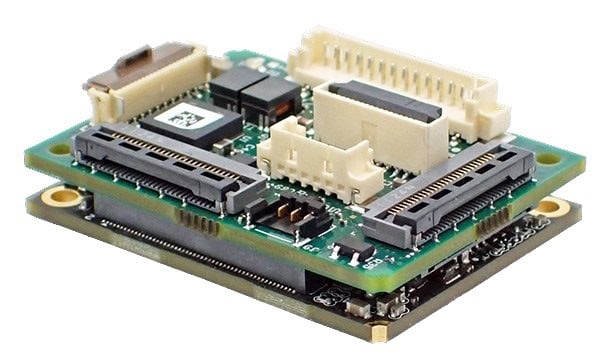
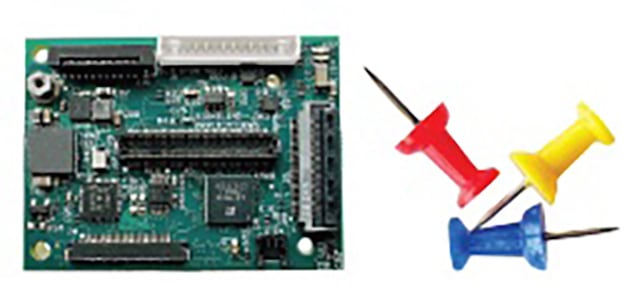
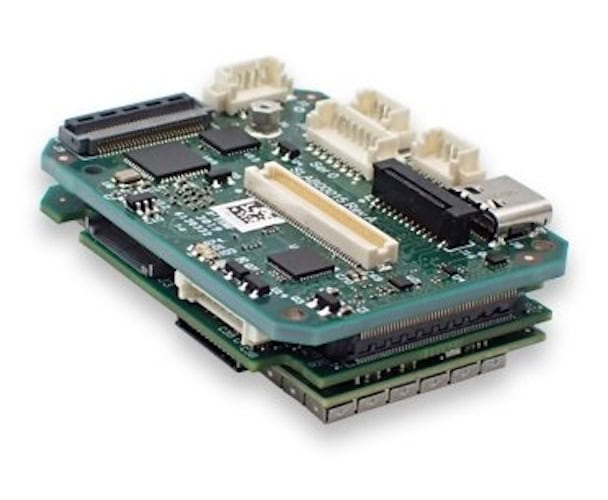
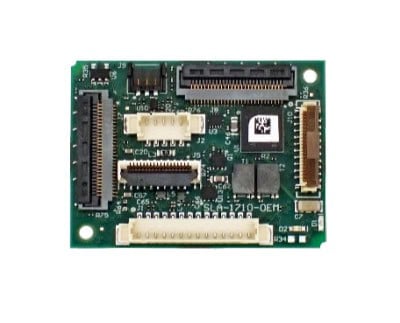
Broader support is now available across NXP, Qualcomm RB5/8550, NVIDIA, and additional embedded compute platforms. Sightline Intelligence is also introducing the Sightline 4110 hardware platform to support higher-performance onboard AI and autonomous edge processing.
Together, these capabilities are designed to help customers accelerate deployment of mission-ready AI, improve operational performance, and support more autonomous operations at the tactical edge.
Stephen Bornstein, Chief Product Officer at Sightline Intelligence, commented, “Operational environments evolve faster than static AI systems can adapt. Customers need AI that can be quickly tailored to new sensors, targets, terrains, and mission requirements without rebuilding entire models from scratch. AI Training Tools and 3.11 make it easier to refine, deploy, and operationalize proven edge AI using mission-specific data while improving tracking performance, reducing operator burden, and supporting more autonomous mission workflows.”
Sightline Intelligence will showcase the new capabilities at Eurosatory 2026 from June 15–19 in Hall 5A, Booth C260, ahead of initial availability beginning in July 2026. Additional platform support is planned throughout the release cycle.