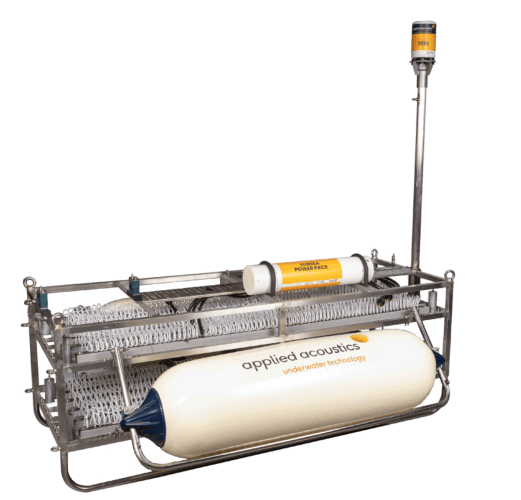

applied acoustics is a developer of advanced marine and subsea navigation, positioning, and survey technologies for naval and defense applications.
In this exclusive Q&A, Defense Advancement sat down with Gavin Willoughby, Business Development Manager at applied acoustics, to discuss the company’s subsea tracking technologies, their role in Mine Countermeasures (MCM) and underwater security, and what it will showcase at Combined Naval Event (CNE) 2026.
applied acoustics is attending CNE 2026, what systems and capabilities will applied acoustics be showcasing at the event?
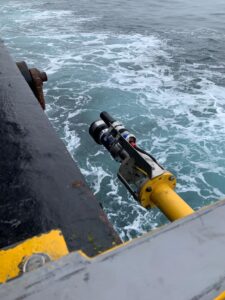
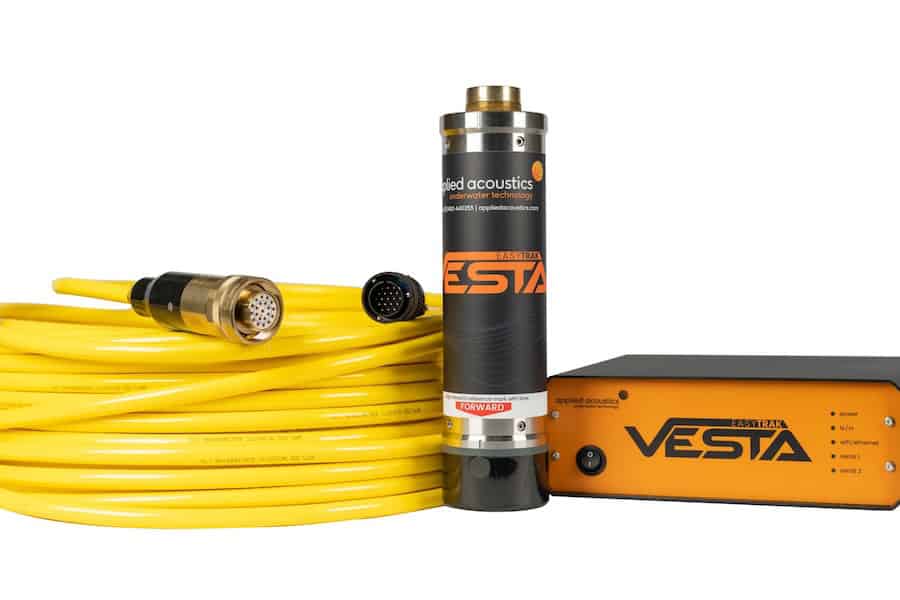
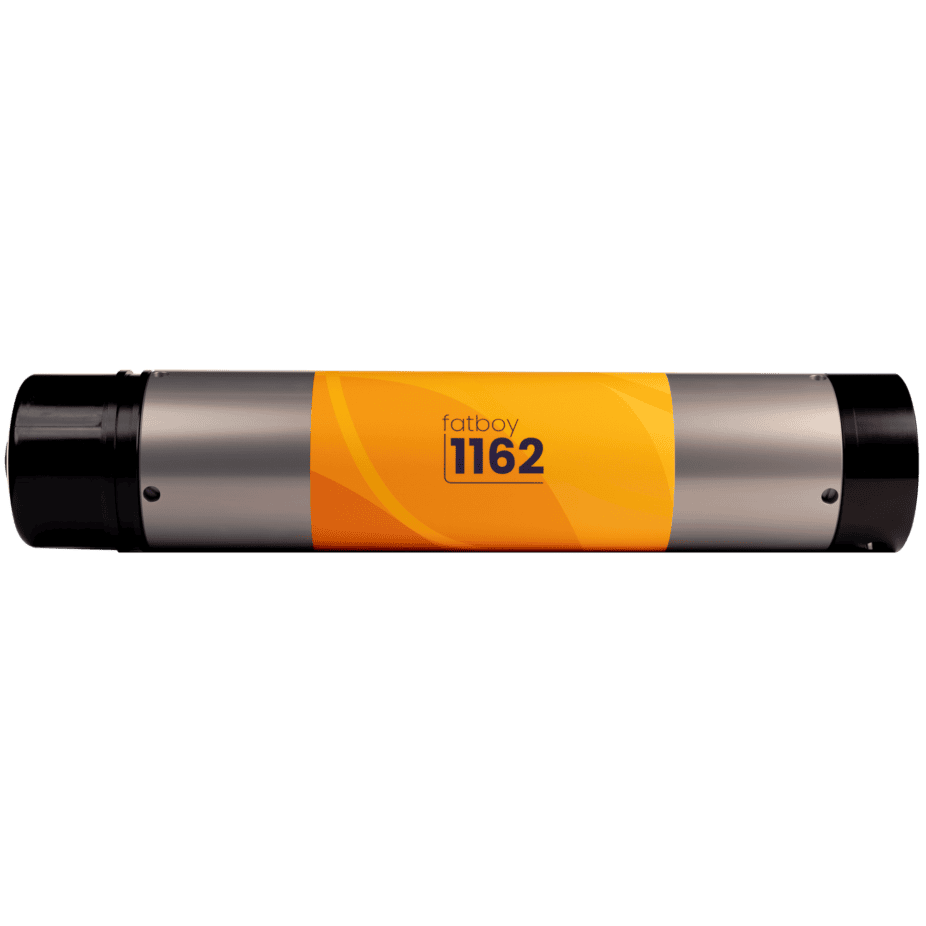
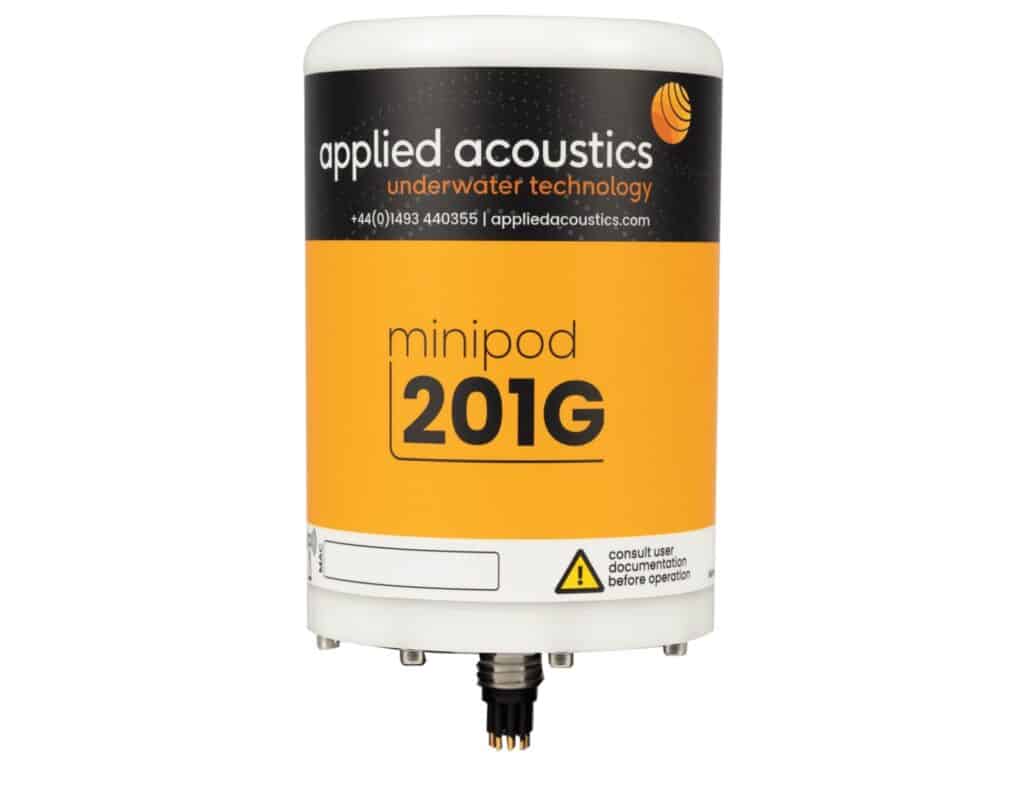
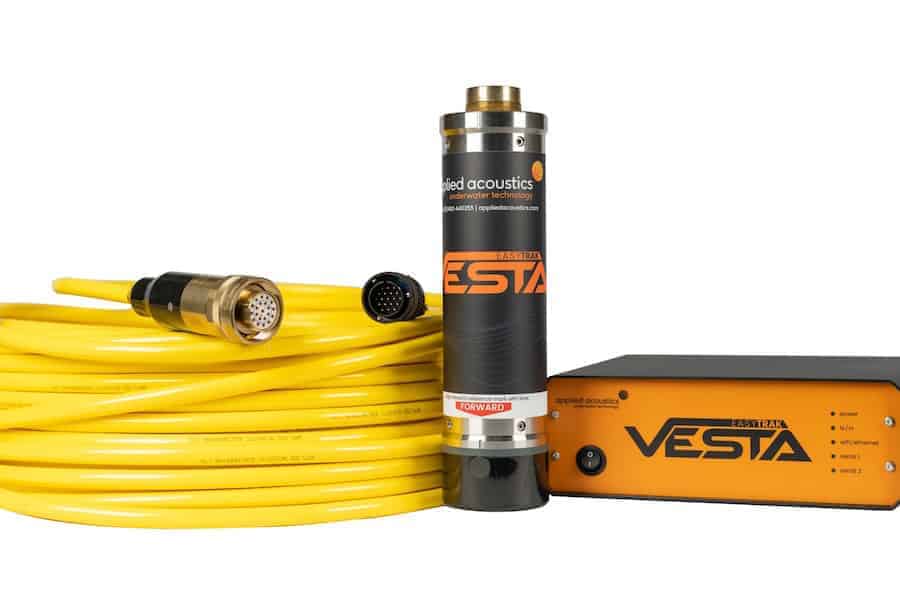
A selection of subsea tracking systems will be on display, including Pyxis INS+USBL, MIPS 2 and Vesta, the MiniPod submersible GNSS receiver, and subsea transponders. We will also share information on our latest acoustic technological advances in subsea data transfer.
Can you explain for our readers how these systems address current naval challenges and requirements?
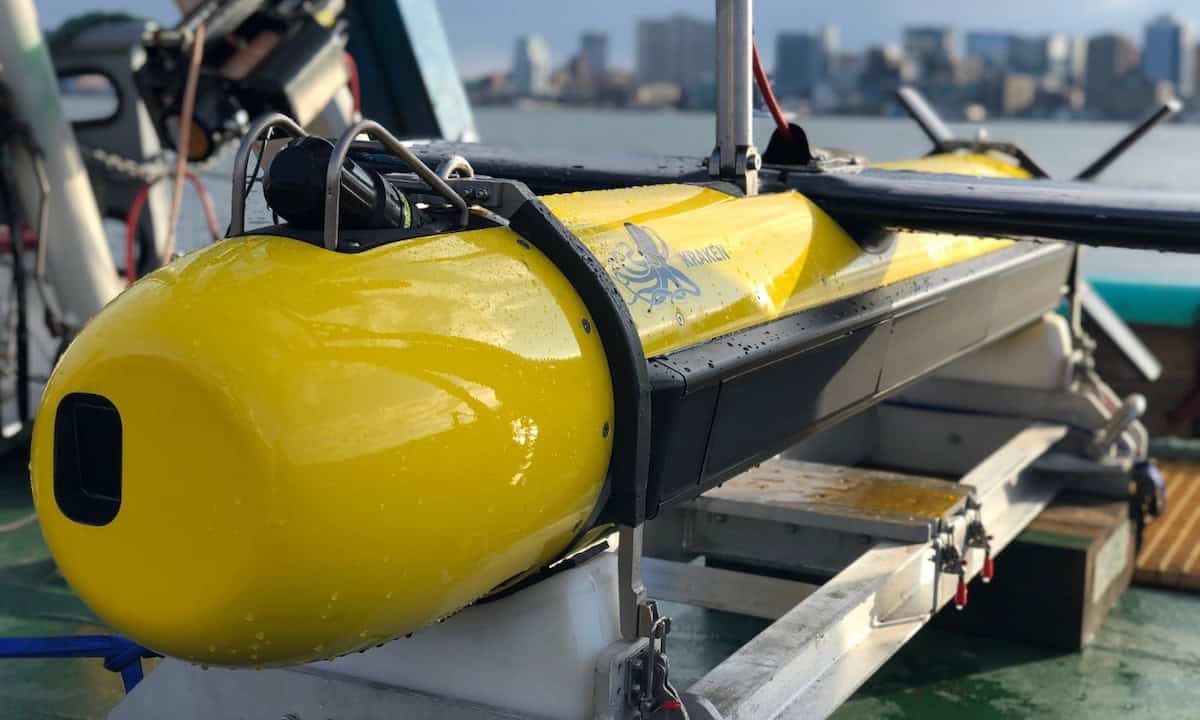
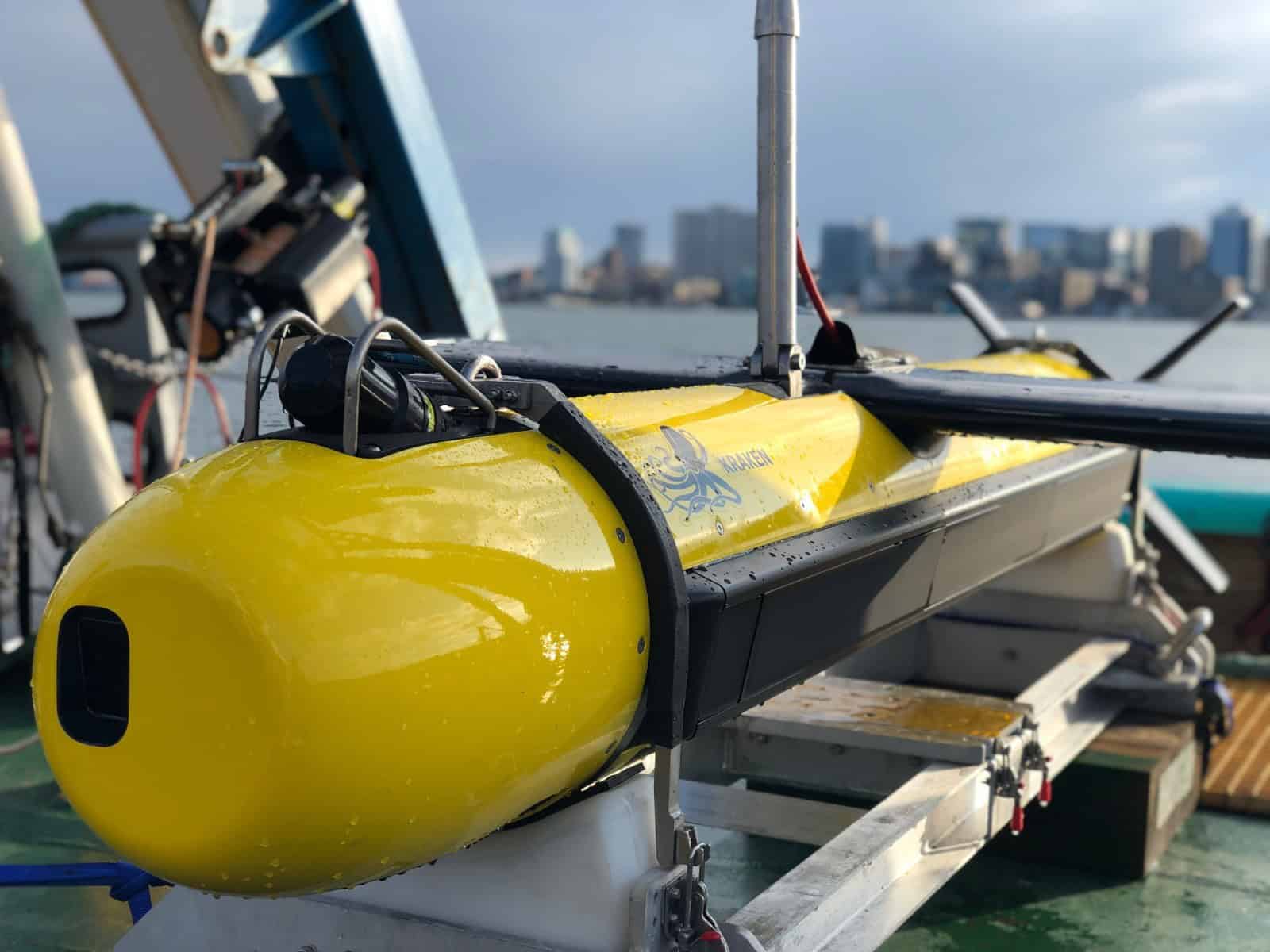
The tracking systems are used as a subsystem within wider MCM operations, where vehicles inspect and, where necessary, neutralize potential threats (mines). When an underwater target is located, its coordinates are loaded into the tracking system, which is used to guide a vehicle towards it. The vehicle’s camera or sonar can then classify the target, enabling decisions on the appropriate course of action. The tracking system is a critical component, allowing vehicles to visit and revisit the site with speed and accuracy.
How do you feel CNE supports valuable collaboration and knowledge-sharing between technology providers and naval end users?
CNE brings together a wide range of stakeholders under one roof, including technology providers, scientists, prime contractors, integrators, government, end users, and decision-makers. This creates a platform not only for commercial opportunities, but also to hear first-hand accounts of current situations, policy, requirements, and areas where technology is lacking.
As an SME technology provider, intelligence gathered from this environment provides valuable insight and allows us to make informed decisions on the direction applied acoustics takes in product development and project engagement. The fact that it attracts an international audience adds significant value.
applied acoustics specializes in subsea positioning and tracking. How are these technologies supporting modern naval missions and situational awareness?
In addition to MCM operations mentioned earlier, acoustic tracking systems play a vital role in the surveillance of critical underwater infrastructure. Pipelines and cables can be targets for bad actors, and vehicles and divers are deployed to inspect and monitor these structures. Acoustic tracking supports mission planning, ongoing operations, and the logging of surveyed positions. It also enhances diver safety by providing accurate, real-time positioning of personnel at any given moment.
What are the key challenges in achieving reliable underwater positioning and communication in defense environments?
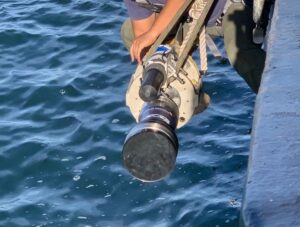
A key challenge for underwater acoustics is that no two scenarios are the same. Acoustic signals are affected by varying water temperatures, sea states, salinity, pressure, depth, seabed terrain, and surface reflections. The system’s ability to recognize and account for these anomalies is key to providing accurate and usable data. For defense applications, secure and covert coding also adds layers of complexity that must be taken into account.
Looking ahead, what acoustic sensing trends or technological developments do you expect to shape the future of underwater defense?
Future trends are likely to be centered around autonomy, particularly for vehicles that will rely on acoustic sensors to become self-guiding. There will also be a growing need for collected data to be transferred through water, representing another key application for acoustics. This capability is already in place, but increased range and larger data volumes are expected to drive further innovation.
Thank you for your time. It has been a pleasure speaking with applied acoustics, and we look forward to following developments in subsea acoustic technologies and their applications across naval environments.