FlySight has demonstrated that Artificial Intelligence (AI) is fundamentally changing the capabilities of video surveillance by transforming traditional systems into interactive solutions that can assess rather than simply observe.
Traditional methods often rely on a human operator monitoring a bank of screens, which makes it easy to miss vital details. AI surveillance systems have taken over the continuous analysis of video feeds at scale, turning passive recording into real-time prevention through automated object tracking, assisted decision-making, and predictive analytics.
The company has noted that AI is reshaping operations across several major sectors. In the retail sector, the technology has identified behavioural markers such as concealing items or shelf-sweeping, allowing alerts to be sent directly to staff. Within healthcare, hospitals and care homes have utilized AI surveillance to continuously monitor vulnerable patients and detect falls. In law enforcement and airborne operations, AI video surveillance has filtered out excess background noise and maintained target tracking, making it easier for operators to focus on single targets and predict movement patterns.
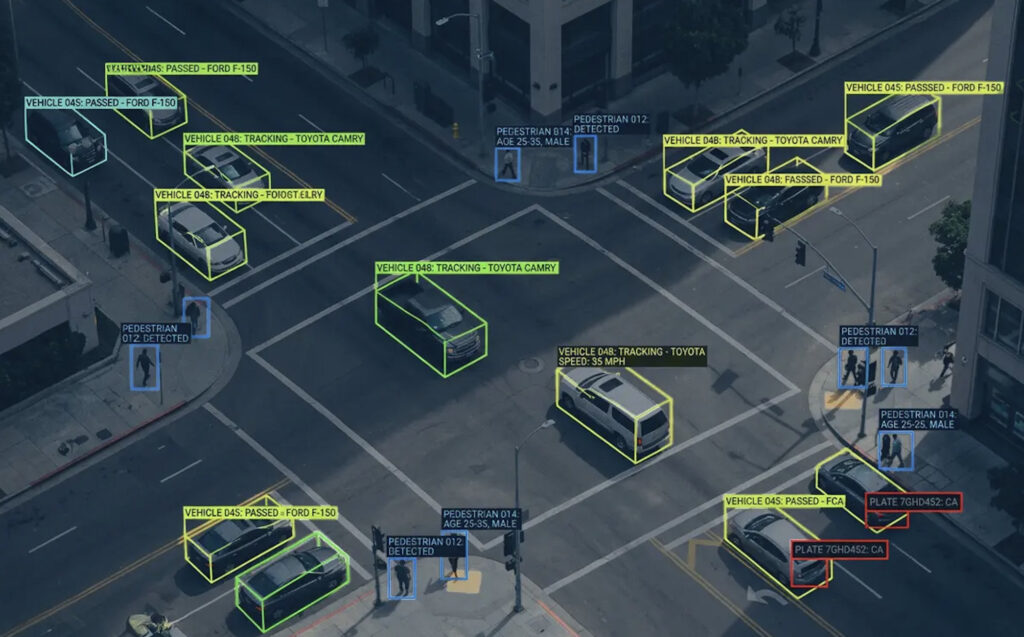
According to FlySight, Edge AI-assisted surveillance cameras represent a major advancement by running AI directly on the device itself rather than via the Cloud or other storage solutions. This allows the technology to analyze data in real time, incorporating behavioural analysis, anomaly detection, and object detection, while operating on a low bandwidth by sending short clips or compressed data packets instead of continuous streams.
The system tracks targets by detecting objects within each video frame and predicting their next positions. This process relies on several key technologies:
- Computer vision enables the system to analyze visual inputs from live feeds to identify targets and spot patterns like crowd or traffic flow.
- Machine learning allows the AI to improve from experience, becoming more adept at recognizing triggers like gun recognition or facial recognition as more data is processed.
- Edge computing provides real-time processing at the source, resulting in faster alerts.
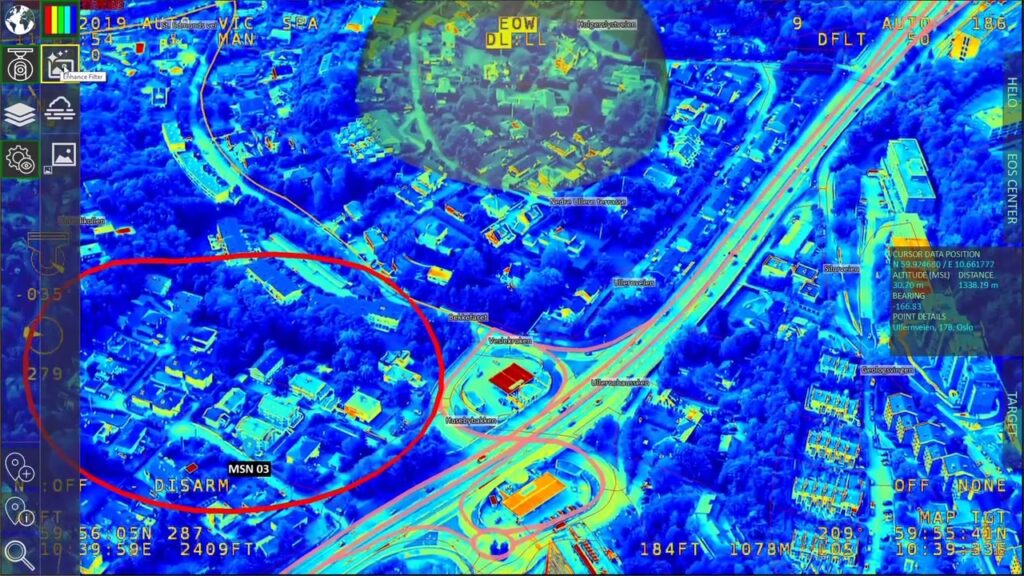
The company has emphasized that these new technologies can be paired with existing infrastructure, as the capability to integrate with legacy systems makes AI surveillance highly economically viable and user-friendly. Innovations have expanded beyond standard visual cameras to include thermal and multispectral imaging, radar-based human tracking that uses radio waves to see through smoke or fog, and systems that infer emotional states from facial patterns.
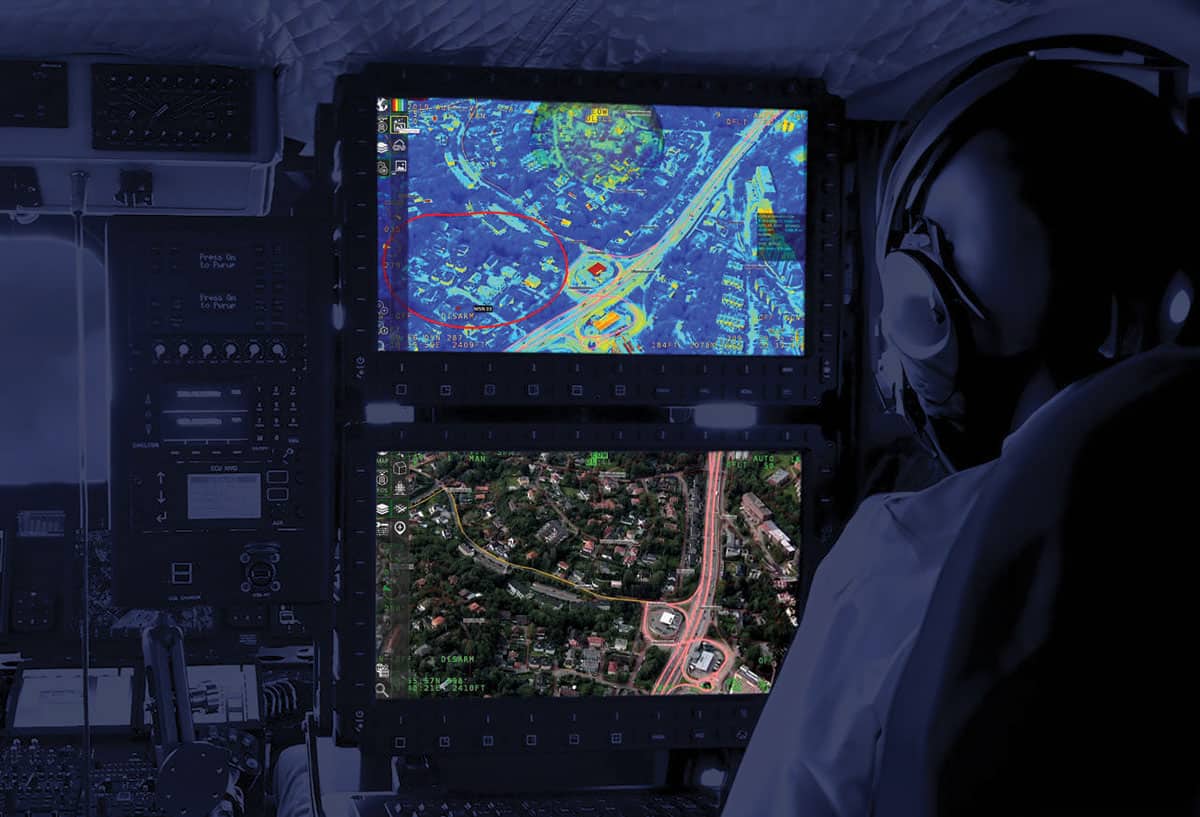
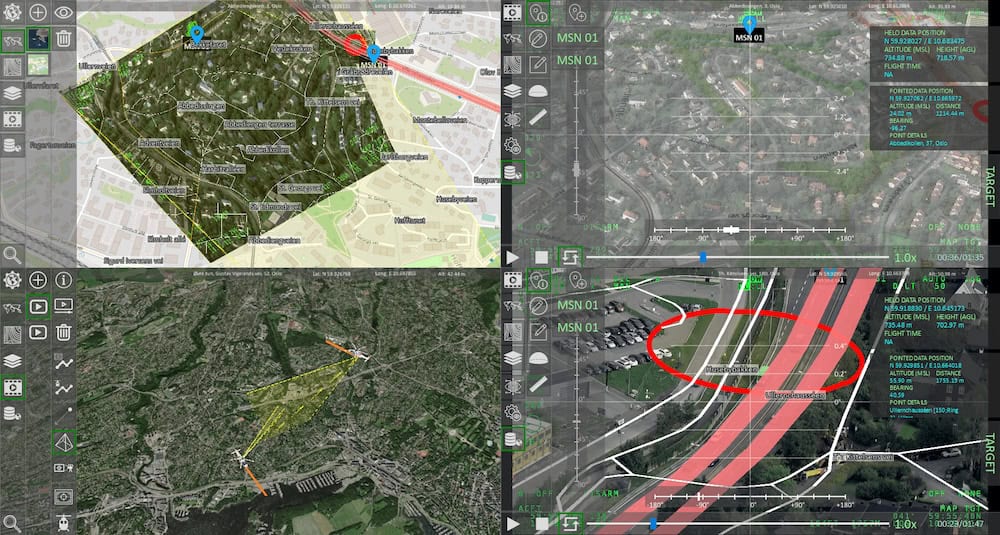
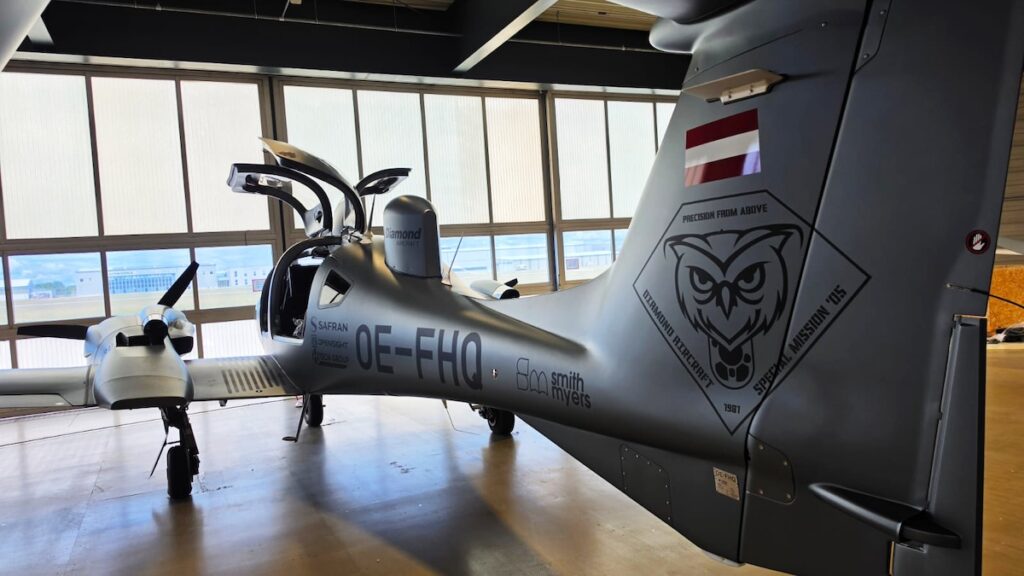
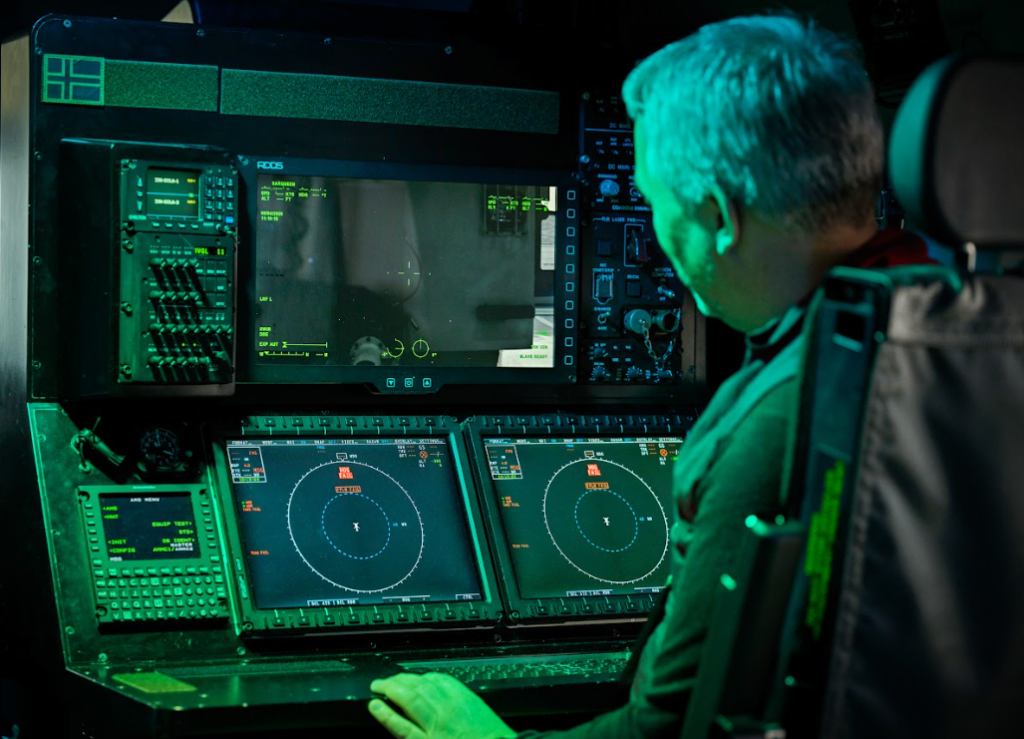
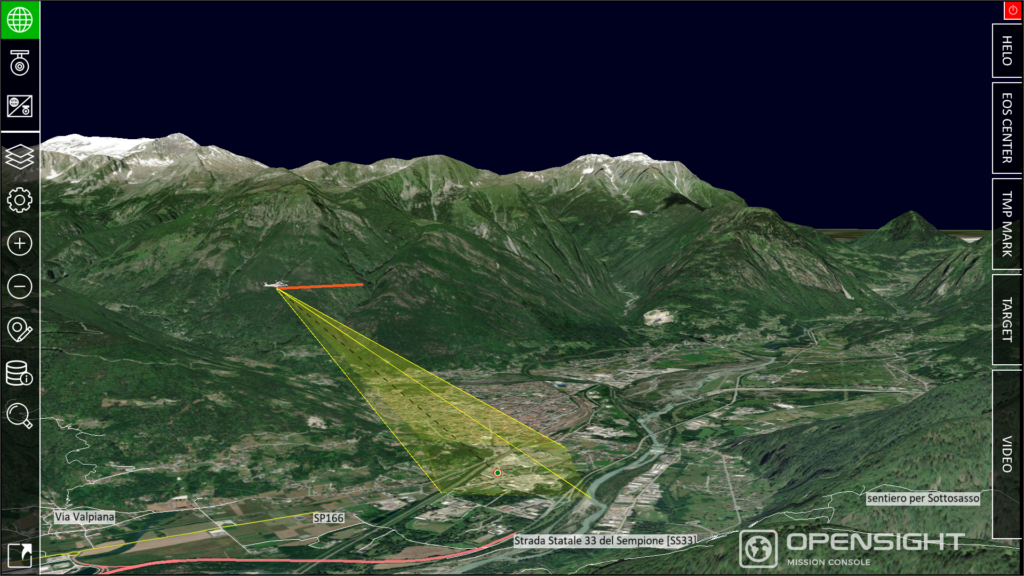
These capabilities have driven adoption across a variety of critical applications. In border control, the technology has provided the constant vigilance required to identify unusual activity. For disaster response and search and rescue, drones and helicopters equipped with AI have integrated with mission consoles to define target areas and locate survivors using heat signatures. In law enforcement and military tracking, airborne platforms have used these systems to lock onto targets across harsh terrains and complex urban settings.
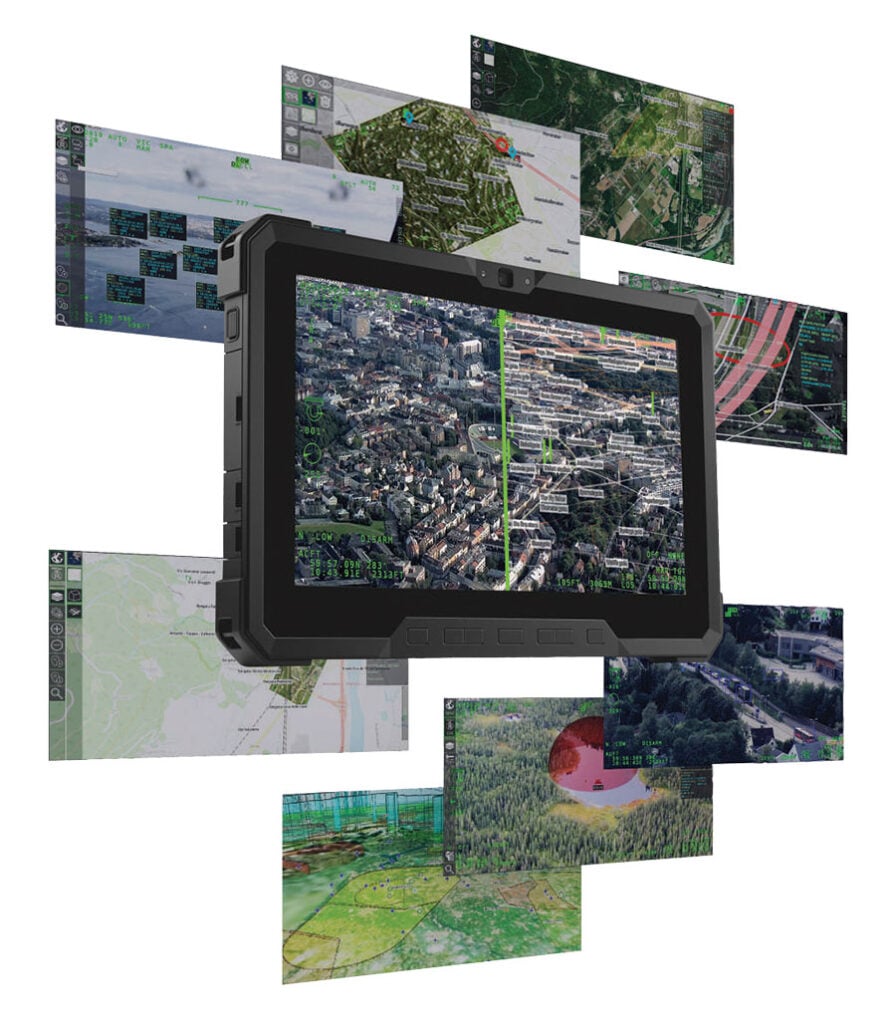
The company has positioned its own OPENSIGHT Mission Console platform at the forefront of this technological shift, offering an adaptable, turnkey solution. The OPENSIGHT system utilizes an Automatic Target Recognition protocol to collate data from a platform’s sensor bank and applies Deep Learning to maximize performance, leveraging GPU and CPU technologies to identify and monitor targets.