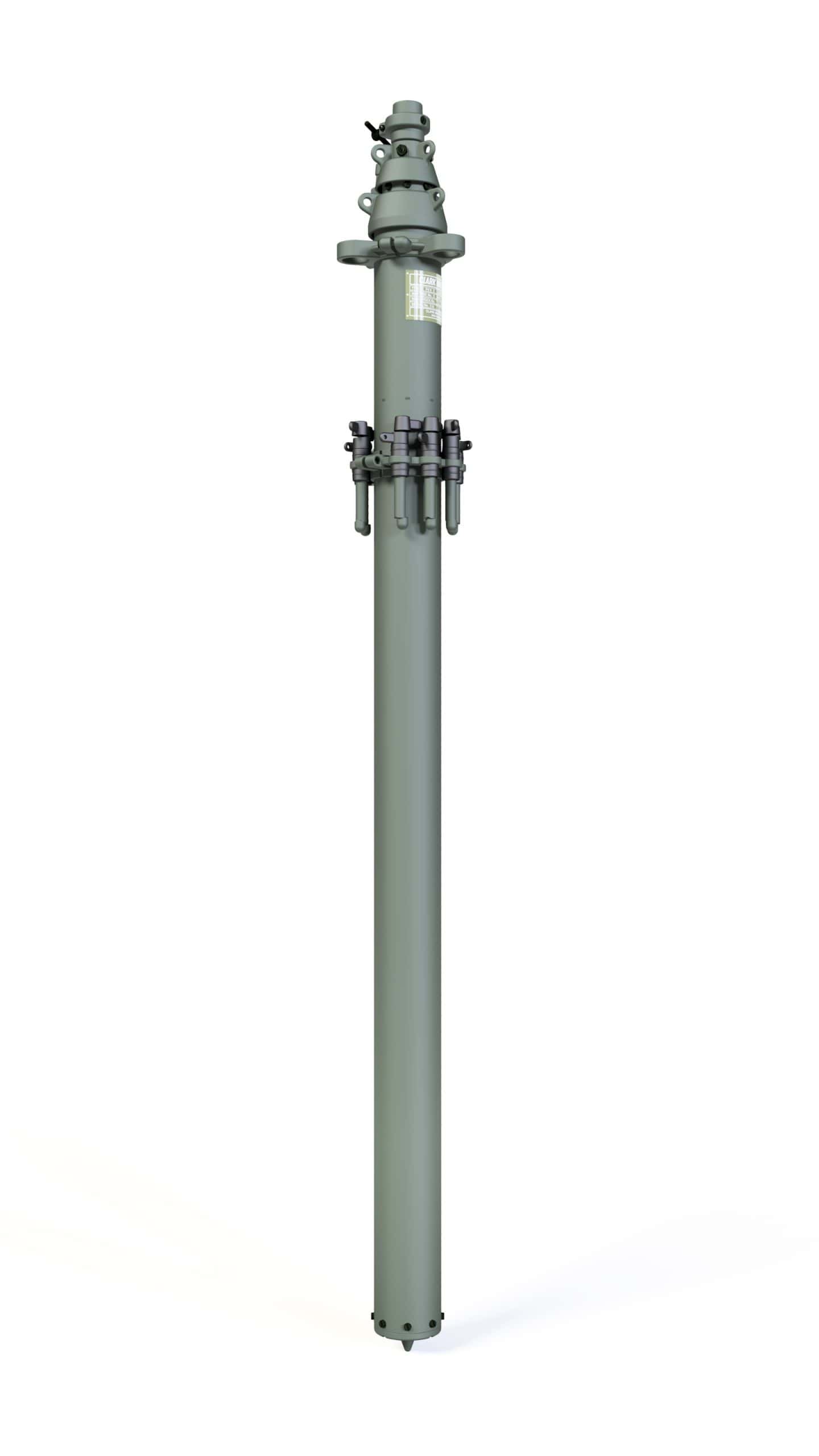
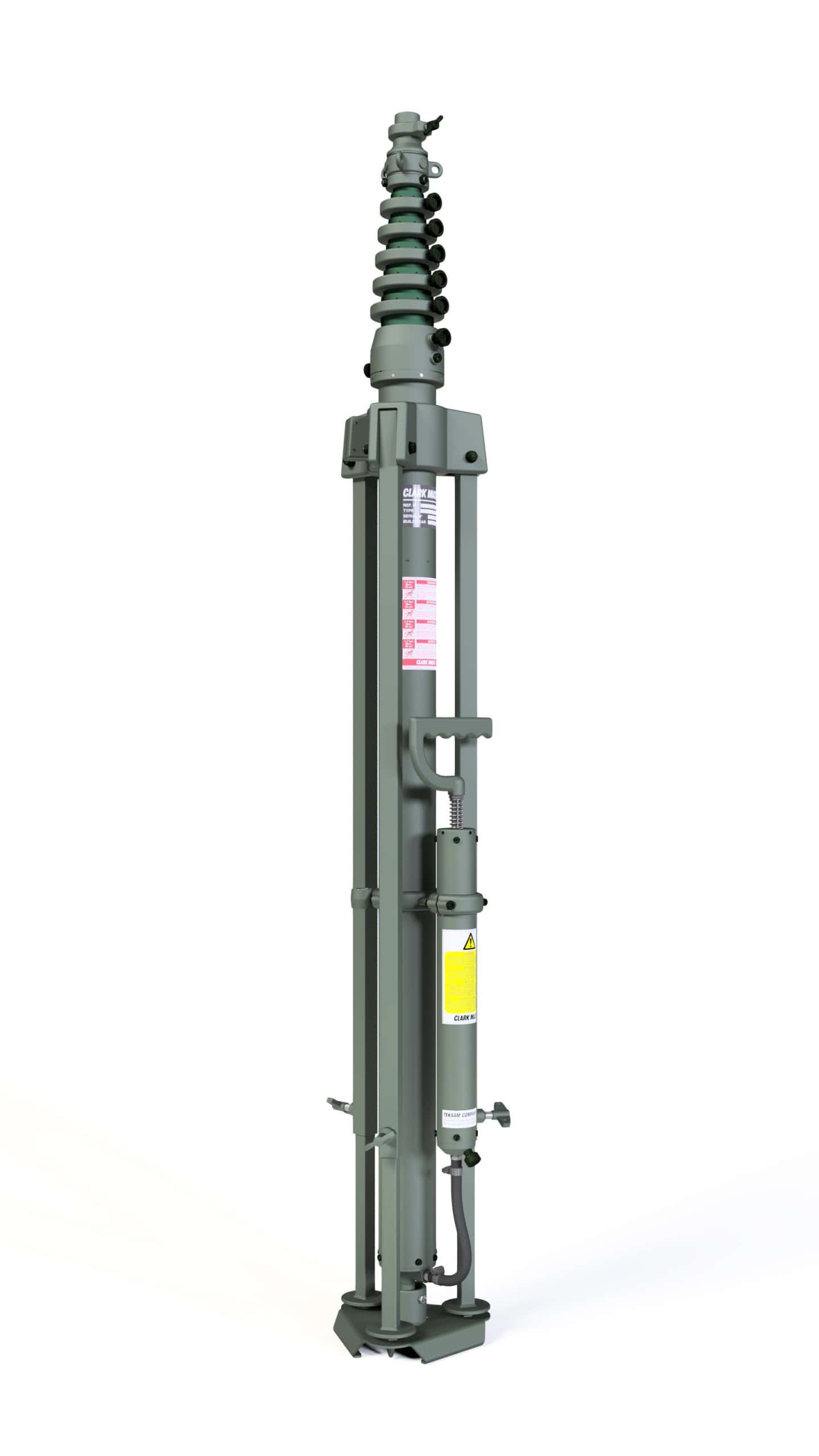
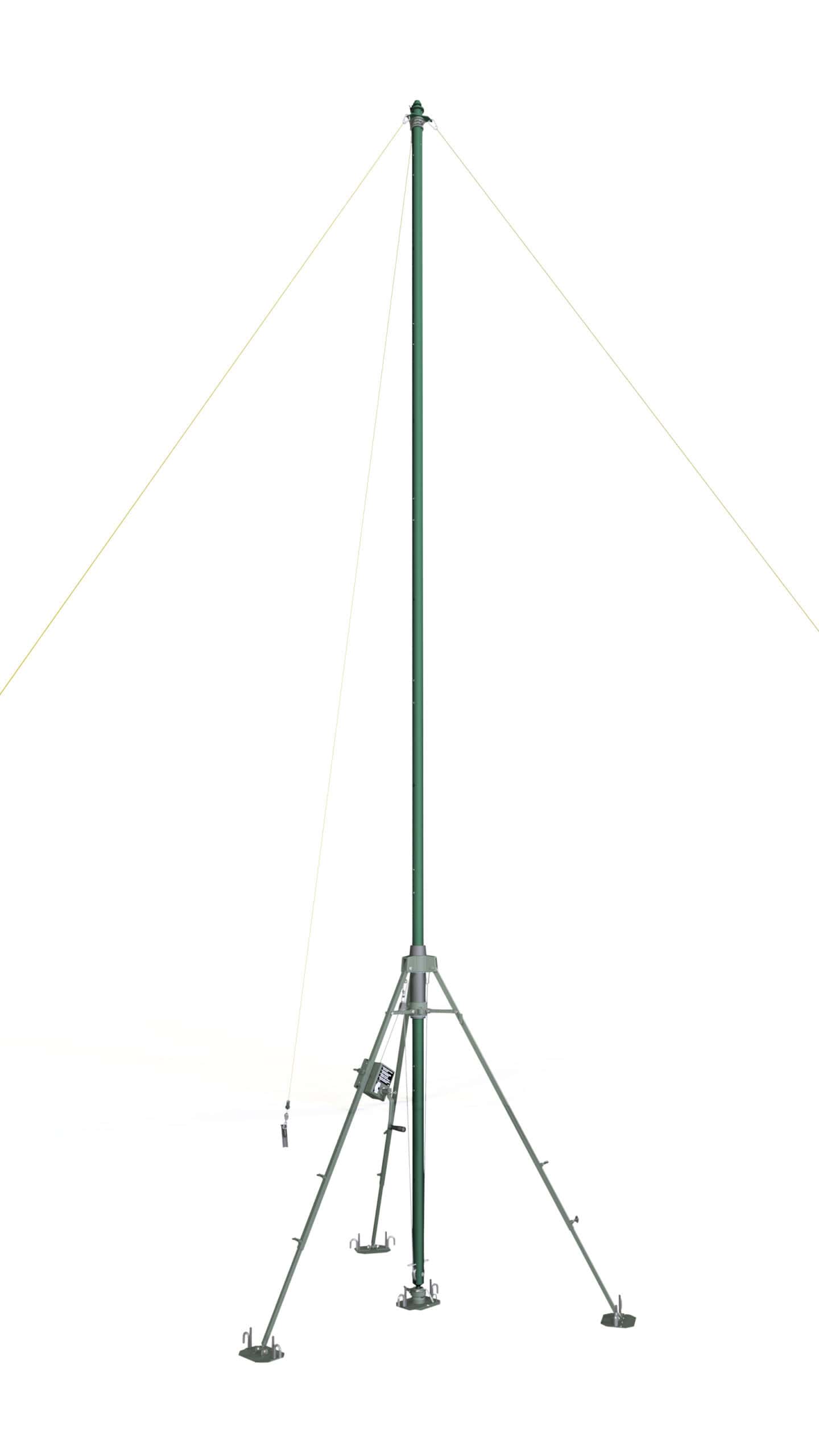
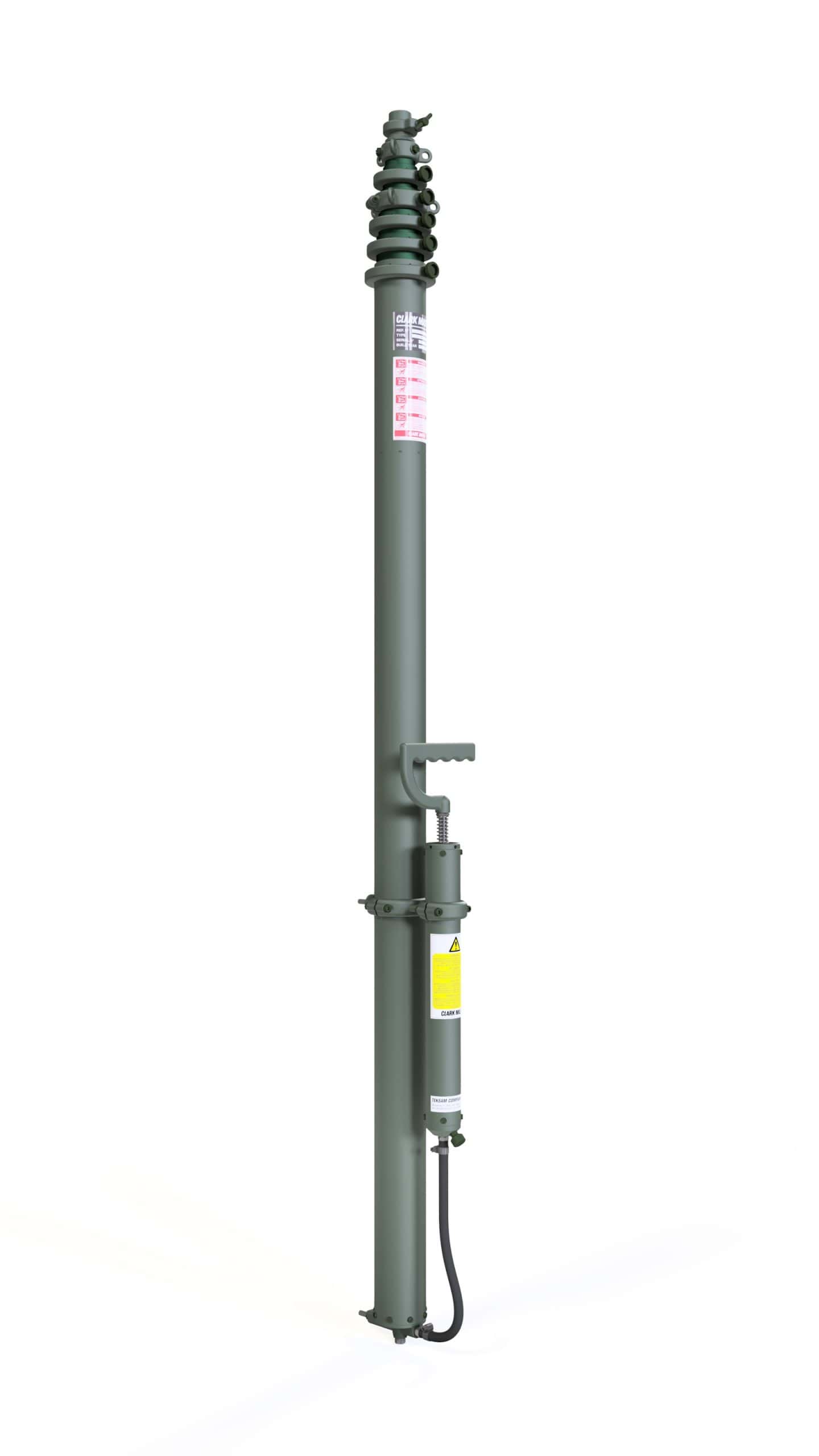
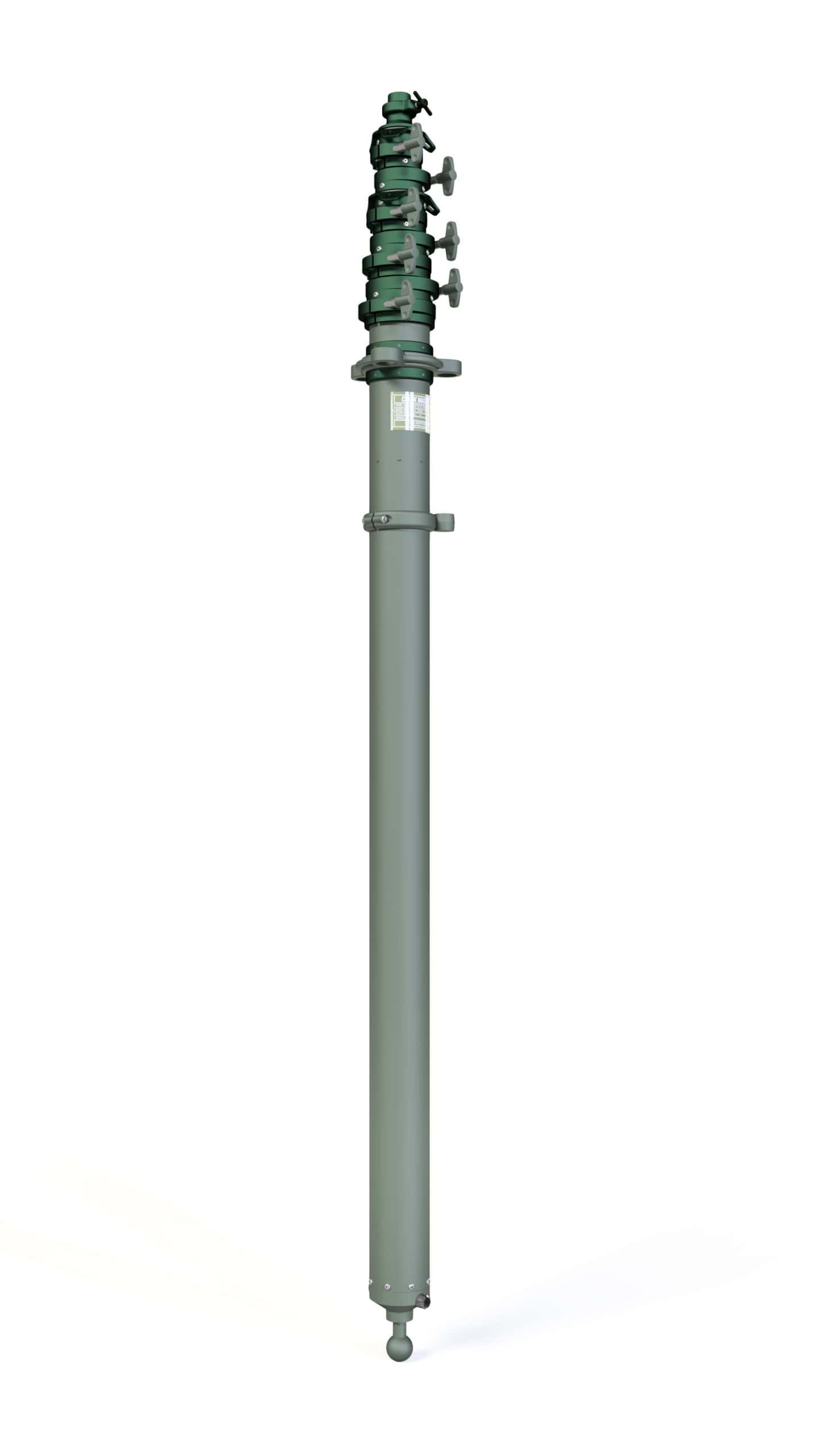
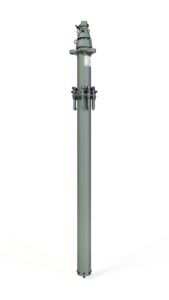
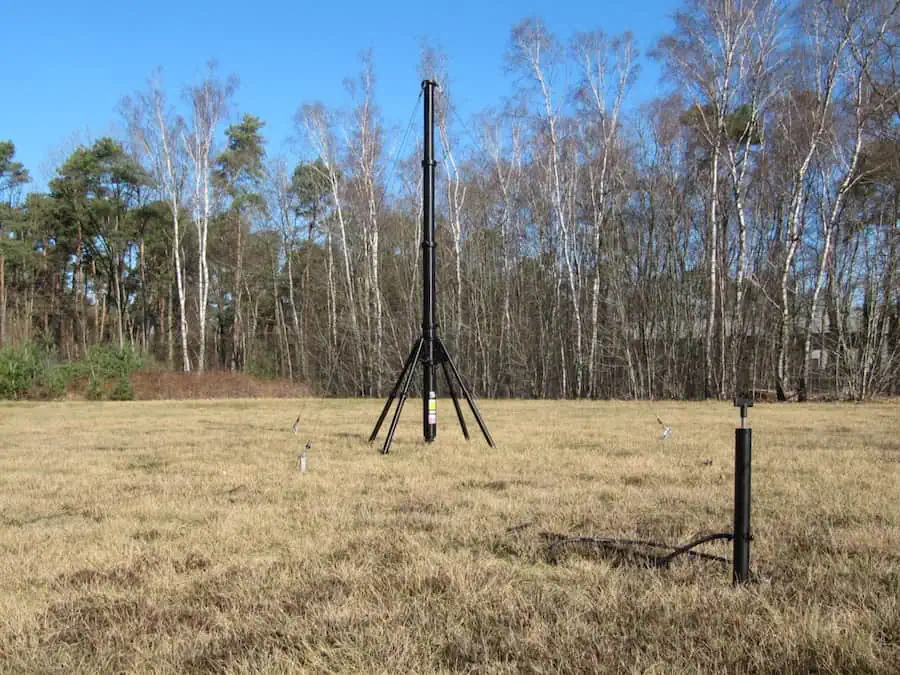
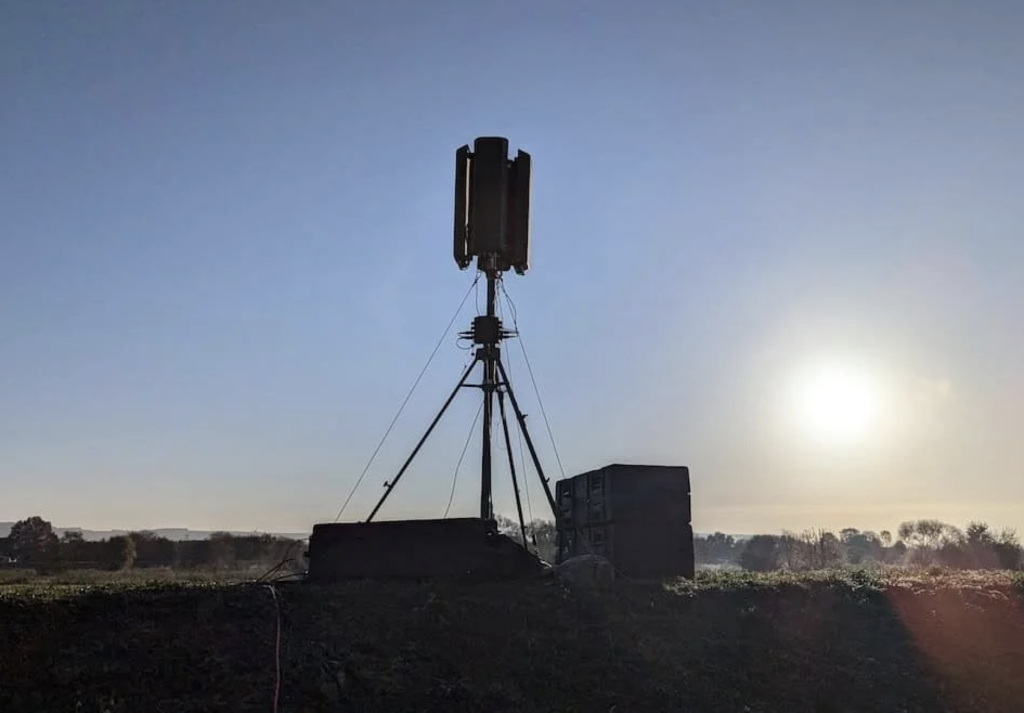
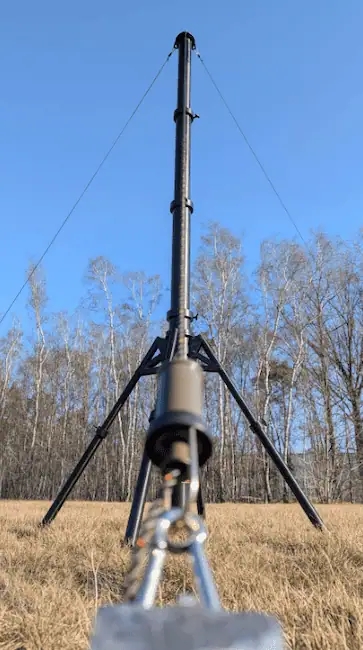
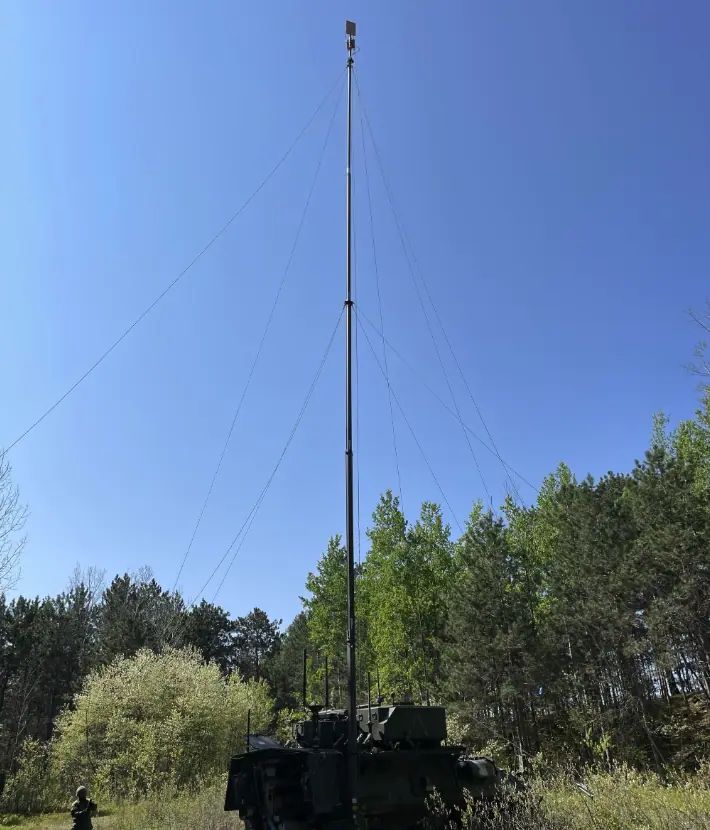
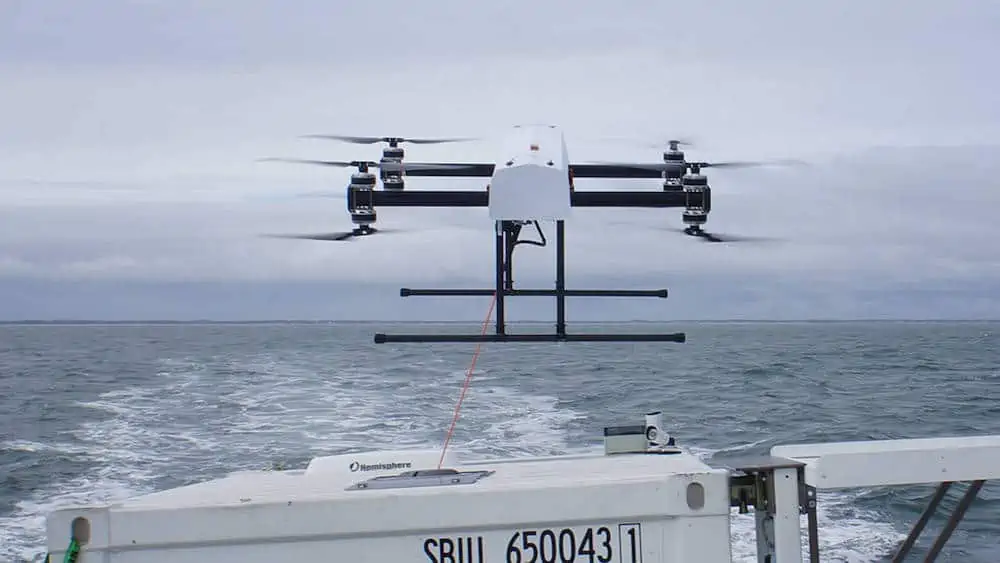
Antenna masts are used to raise the height of antenna systems for reliable military communication. These robust structures ensure effective line-of-sight and beyond signal transmission and reception across various terrains and operational conditions. The integration of advanced materials and design techniques in antenna masts enhances their durability and performance, making them indispensable in establishing secure communication networks for defense operations.
If you design, build or supply Radio Antenna Mast Systems, create a profile to showcase your capabilities and connect with visitors who have an active requirement for your solutions.
In the modern battlespace, the effectiveness of a tactical network is dictated by the physics of the environment. Regardless of how advanced a software-defined radio or waveform might be, signal propagation remains a slave to terrain and line of sight (LOS). This is why military radio mast systems are not merely accessories but mission-critical subsystems. By elevating an antenna mast above ground clutter, vehicles, and topographical obstructions, land forces can significantly extend their radio horizon and maintain the high-bandwidth links required for modern C4ISR.
The Physics of Line of Sight and the Radio Horizon
Radio communications depend on antennas to transmit (Tx) and receive (Rx) signals, and these antennas must be mounted to ensure a clear path between them. Many tactical frequencies have a LOS range, meaning they travel in a straight line. For frequencies of 30MHz and above, any obstacle between the Tx and Rx antennas will block the signal. Obstructions often include buildings, vehicles, trees, and natural topographical features like hills or mountains.
Furthermore, the curvature of the Earth creates a natural horizon that hampers long-range transmissions. For a person standing at sea level on flat land, the distance to the horizon is approximately 5km (3 miles). Radio signals behave similarly; they can hug the ground for a short distance past the horizon but eventually continue in a straight line into space.
By increasing the height of the antenna mast system, the LOS range expands significantly. For example, a person with a total height of 3m (including the radio and antenna) has a LOS range of roughly 7km (4.4miles). However, placing an antenna atop a 10m building increases that range to 13km (8.1 miles). This principle is why large scale installations, such as the Crystal Palace transmitting station, utilize a 219m mast on a hill to achieve a 74 km range. For the defense engineer, the goal of a tactical elevated antenna mast system is to achieve this range extension in a rapidly deployable package.
Frequency, Wavelength, and Mast Design
The design of a military mast is often dictated by the specific frequency band it must support. A fundamental rule of radio engineering is that an antenna must typically be one-half or one-quarter of the wavelength it carries.
High Frequency (HF): Operating between 3 MHz and 30 MHz, HF is prized for its ability to bounce signals off the ionosphere for intercontinental range. Because wavelengths can be up to 100 m long, HF antennas require large, complex antenna pole mast structures that remain deployable in the field. Antennas for these frequencies must be between 2.4 m and 49.9 m long, necessitating robust military mast for antenna supports.
VHF/UHF and Wideband: These higher frequencies use much shorter antennas, allowing for the use of more compact tactical antenna mast solutions that can be integrated onto vehicles or carried by individual soldiers.
Very Low Frequency (VLF): With wavelengths between 10 km and 100 km, VLF antennas are too large to be transportable. These remain fixed, large scale installations used for communicating with submerged submarines.
Classification of Military Mast Systems
The variety of military mast systems reflects the diverse needs of the modern warfighter, balancing the trade-offs between height, payload capacity, and deployment speed.
Vehicle Mounted Antenna Mast Solutions
Integrated directly onto tactical platforms, a vehicle mounted antenna mast allows for a rapid transition from movement to communication.
Tactical Vehicle Masts: These are standard for battalion-level command nodes and electronic warfare platforms.
Vehicle Pneumatic Mast: Utilizing compressed air, a vehicle pneumatic mast can extend telescoping sections in seconds. This provides a “short halt” capability that is essential for maneuver units that must remain mobile to survive.
Portable and Man-Deployable Antenna Masts
For dismounted infantry, special operations, or forward observers, low weight and compact stowage are the primary constraints.
Military Portable Antenna Masts: These systems prioritize low-SWaP (Size, Weight, and Power) and toolless assembly.
Military Antenna Mast Tripod: This provides a stable, leveling base for sectional poles on uneven terrain.
Bi-Stable Reeled Composites: This technology involves a mast for antenna support that is deployed from a compact reel, locking into a rigid tubular structure when extended. They offer a superior height-to-weight ratio.
Fixed and Semi-Permanent Installations
At a Forward Operating Base (FOB) or a static headquarters, the focus shifts to maximum elevation and multi-antenna capacity.
Military Grade Aluminum Antenna Tower Masts: These modular structures offer high wind-loading resistance and can support multiple high-gain aerial masts simultaneously.
Triangular Military Antenna Masts: The triangular lattice design is the industry standard for semi-permanent structures, providing the rigidity needed for sensitive microwave links.
Aerostats: Increasingly, militaries are adopting tethered aerostats to carry antenna clusters hundreds of feet into the air, providing massive LOS distances for persistent overwatch.
Material Science and Engineering Standards
The choice of antenna mast pole materials depends on the specific operational requirements. Aluminum antenna masts are favored for their balance of strength and corrosion resistance. However, for elite units, carbon fiber and other composites are becoming standard to minimize the physical burden on the soldier.
In the defense sector, every military radio antenna mast must comply with rigorous certifications:
MIL-STD-810: This ensures the mast operates in extreme temperatures, salt fog, and heavy sand or dust environments.
MIL-STD-461: This addresses electromagnetic interference (EMI) to ensure the mast and its actuators do not interfere with sensitive radio equipment.
Operational Integration and Future Trends
Choosing the right antenna mast involves more than just an understanding of the height requirement. Engineers must consider the deployment method, such as a military radio crank up antenna mast for precision or a pneumatic system for speed. For covert operations, a military flat radio antenna mast may be used to maintain a low visual signature.
Future development is focused on automated deployment, lighter composite materials, and tighter integration with unmanned and autonomous platforms. As land forces continue to emphasize mobility and network resilience, military mast systems will remain a quiet but essential enabler of battlefield connectivity. Whether it is a ham radio military portable antenna mast for emergency backup or a complex signal mast at a command post, the goal remains the same: ensuring critical communications reach the furthest edge of the battlefield.
Teksam Company’s TekMast VPT pneumatic mast system is designed to provide rapid tactical deployment, structural stability and reliable support for communications and ISR operations
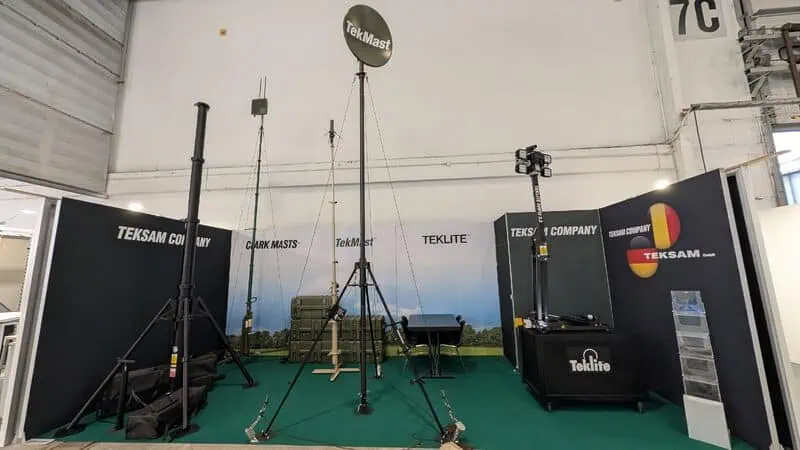
Teksam Company is a specialist manufacturer of rapidly-deployable tactical mast systems for military and emergency services communications, lighting, and surveillance applications
TEKSAM COMPANY is set to showcase its advanced defense solutions across a comprehensive international tour in 2026, engaging key stakeholders at premier exhibitions throughout Europe and Asia to drive industry innovation
TEKSAM is set to showcase multiple rapid-deployment mast systems, including telescopic and vehicle-mounted solutions, during the inaugural BEDEX 2026 exhibition in Brussels
Teksam returns to Enforce Tac in Nuremberg, 23–25 February, to present its latest portfolio of portable, vehicle-mounted, and telescopic mast systems designed for mission-critical communications, surveillance, and emergency lighting in demanding operational environments
The field exercise, HERMES FORGE, showcased the speed, resilience, and reliability of Ultra Intelligence & Communications (Ultra I&C) mobile command post solutions
Procured via the Unmanned Surface Vehicle Family of Systems multiple award contract, General Dynamics Mission Systems’s Containerized Tethered Elevated Mast provides line-of-sight communication extension for surface ships
The latest defense technology news, straight to your inbox.
Get our weekly roundup of technology developments, new products and industry news.
THANK YOU FOR SIGNING UP
Thanks for joining us. Check your inbox.
We've sent you an email. Click the confirmation link to complete your subscription to the weekly eBrief. In the meantime, explore the latest news, suppliers and technologies on DA.
Advancing Defense Capability Through Strategic Collaboration
Defense Advancement works with major OEMs to foster collaboration and increase engagement with SMEs, to accelerate innovation and drive defense capabilities forward.