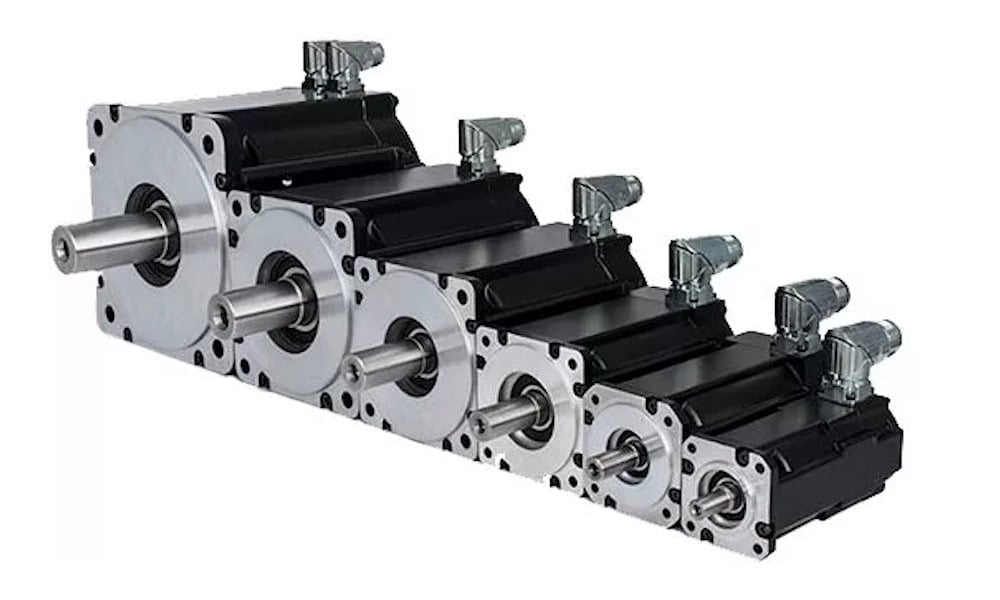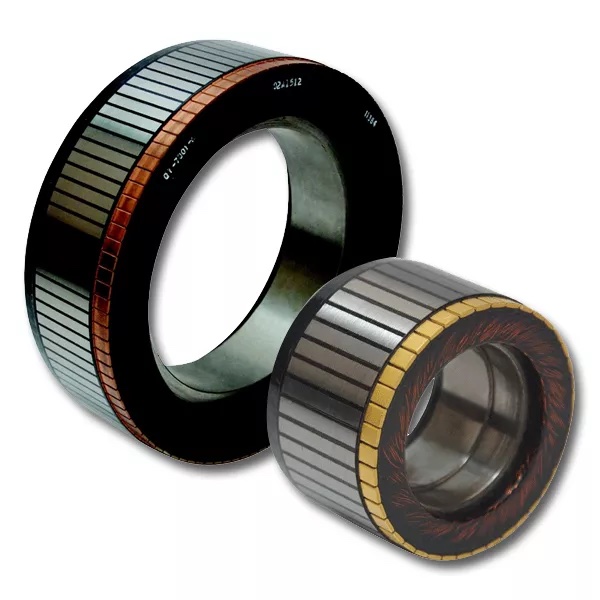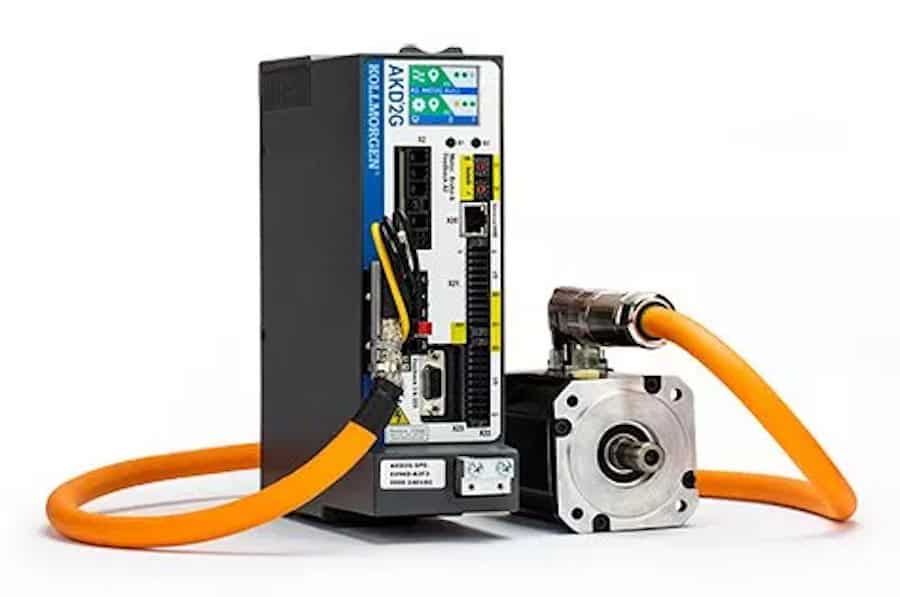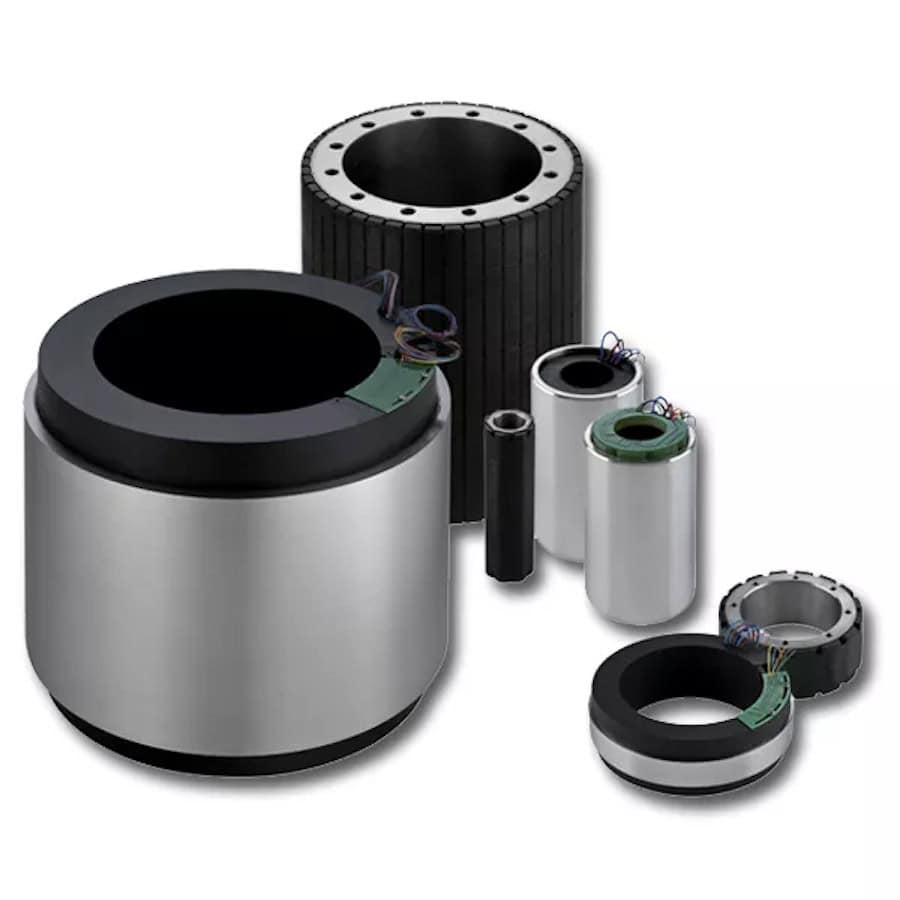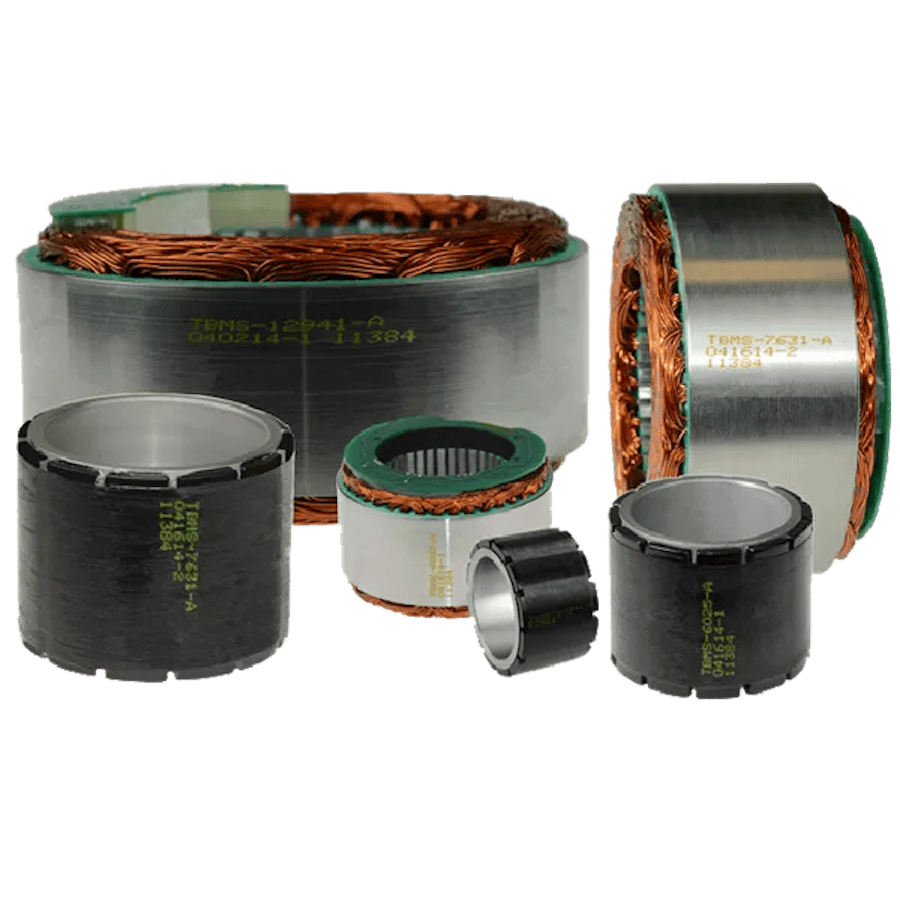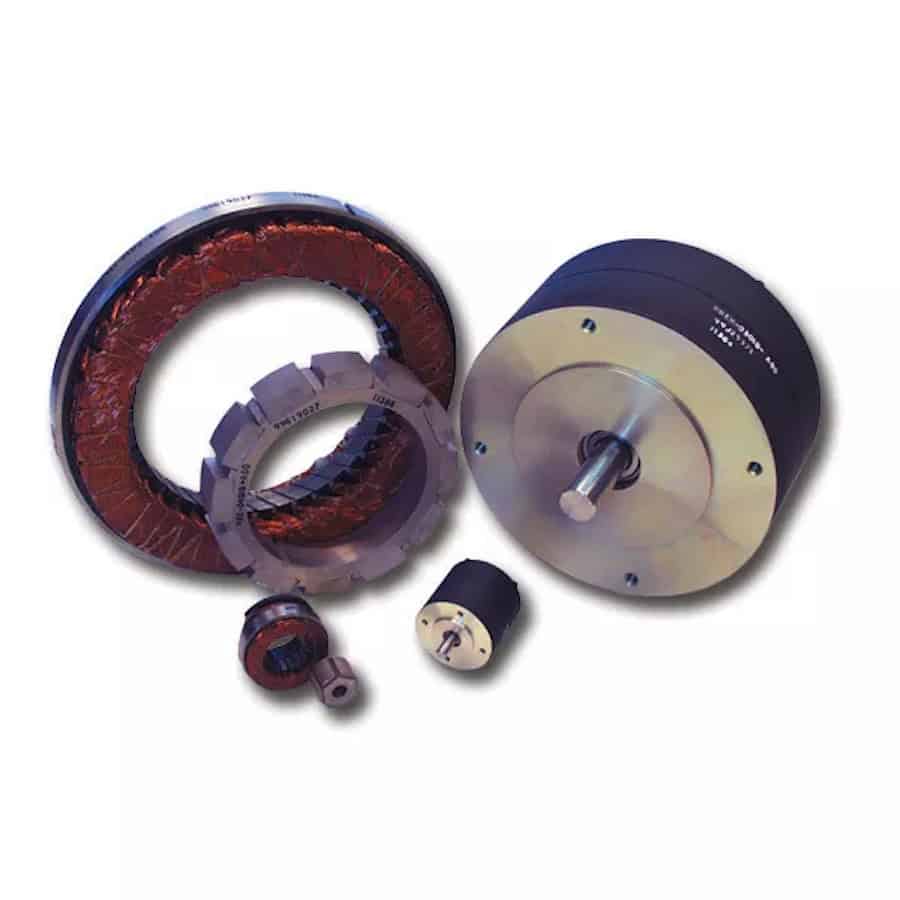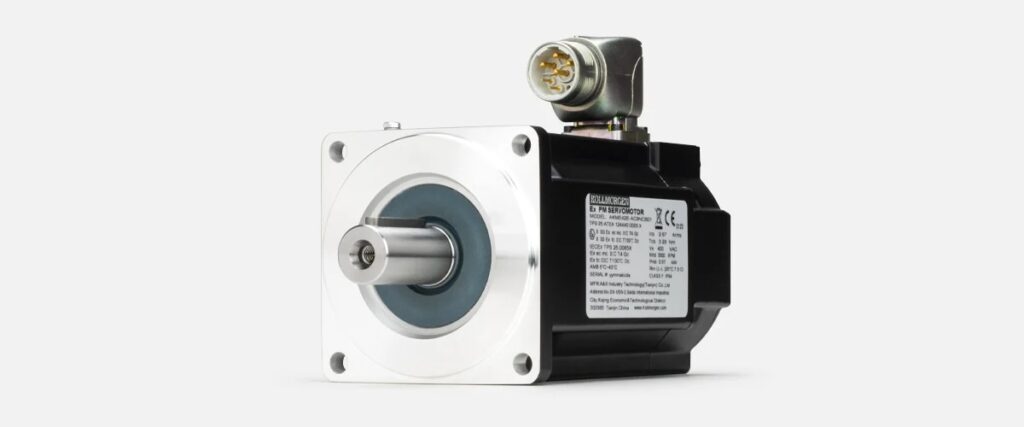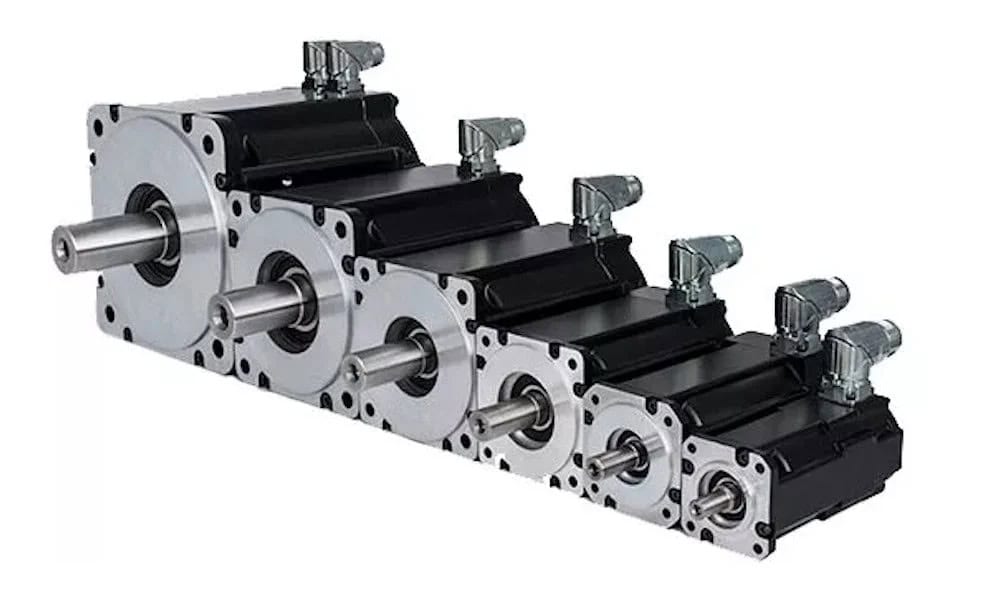




Kollmorgen examines the key differences between brushed and brushless motors, outlining why brushless technology dominates most modern applications while identifying scenarios where brushed designs remain relevant. Read more >>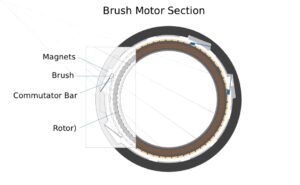
The article highlights the efficiency, durability, and control precision of brushless systems, as well as the mechanical simplicity and ease of integration that still make brushed motors valuable in specific cases.
Kollmorgen explains the fundamental distinctions in construction and operation. Brushed motors rely on physical brushes and commutators, while brushless designs use electronic commutation. These differences influence wiring needs, with brushless often requiring more connections, and impact maintenance, durability, and suitability for certain environments. Because of sparking during operation, brushed motors are not typically suited for hazardous locations.
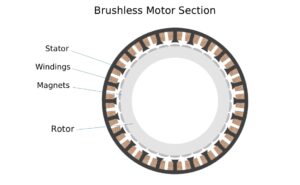
Performance comparisons show that brushless motors deliver higher torque density, smaller form factors, improved heat dissipation, and more precise control. Brushed motors, however, provide specific advantages, including lower torque ripple, high stall torque for steady load holding, smooth torque at low speeds, and through-bore diameters reaching up to 70% of the motor’s outer diameter for routing cables or integrating additional hardware. These factors, combined with simpler controls, can make brushed designs cost-effective for legacy or specialized applications.
The full article explores in detail when upgrading from brushed to brushless is most beneficial, outlining the additional considerations around control architecture and system-wide integration. Kollmorgen draws on its engineering expertise and product range to support both modern brushless solutions and tailored approaches for legacy brushed systems.