Tyto Robotics, a developer of high-precision testing solutions for Unmanned Aerial Vehicles (UAVs) and drones, explains the causes of video distortions in drone footage, including the “Jello effect,” and how camera and vibration management can enhance aerial image quality. Read more >>
Operators of drones have likely encountered an unnatural wobble in their footage, commonly referred to as the Jello effect. This video distortion, formally known as the rolling shutter effect, occurs due to a combination of drone vibrations and the way drone camera sensors capture images.
Causes of the Jello Effect
Propeller and Motor Vibration
Imbalanced propellers generate undesired vibrations that can reduce flight efficiency and affect camera performance. While drone cameras are mounted on gimbals to absorb micro-vibrations, high-frequency vibrations may still cause distorted footage.
Imbalance in the propulsion system accelerates wear on mechanical components, amplifying vibrations and creating a feedback loop that spreads throughout the drone, ultimately affecting video quality.
Camera Shutter Type
Drone cameras typically use low-power, cost-effective CMOS sensors with rolling shutters, which capture images line by line. Drone vibrations during capture can shift the camera or scene slightly, causing the bottom of the frame to differ from the top, producing a distorted and inaccurate representation of the real-life scene.
Global shutters, which capture the entire frame simultaneously rather than sequentially, eliminate this distortion and the Jello effect. However, this technology is expensive and challenging to integrate.
Mechanical shutters, standard in DSLR cameras and including focal-plane and leaf types, reduce rolling shutter distortion but remain susceptible to excessive vibration. Such vibration can shorten the MTTF of their moving components, potentially leading to performance degradation caused by imbalance.
Some advanced drones, such as the DJI Phantom 4 RTK and Mavic 3 series, use mechanical shutters in surveying and mapping applications.
Mitigating Rolling Shutter Distortion
Although completely avoiding rolling shutter is costly, operators can reduce its impact by adjusting camera settings like shutter speed and filters, using post-filming stabilization software, or addressing vibration at the source through gimbal upgrades or propeller balancing.
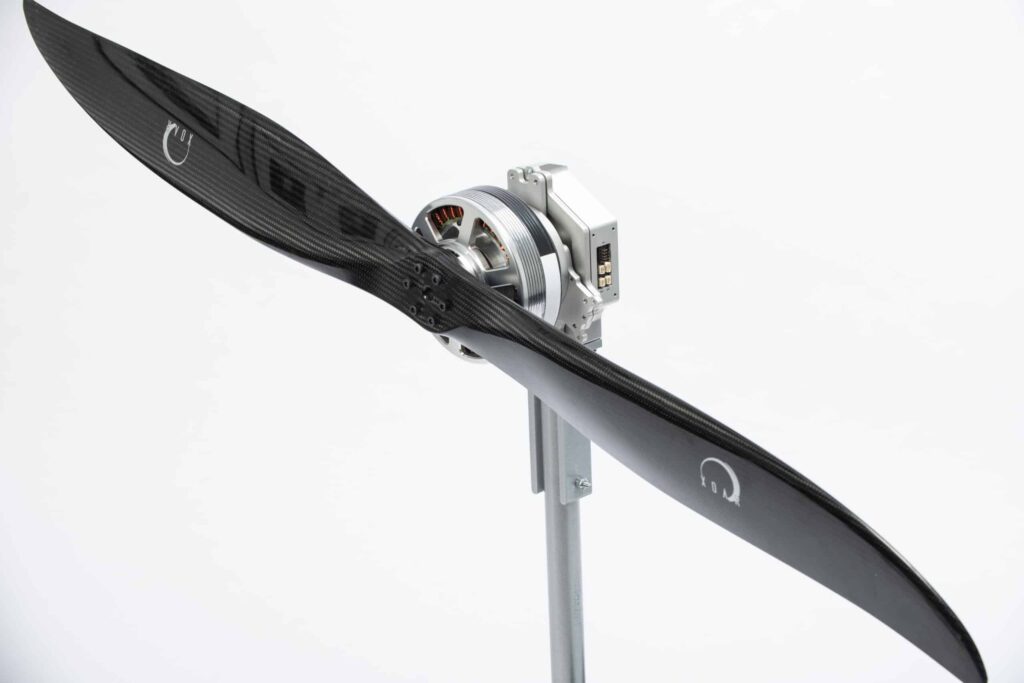
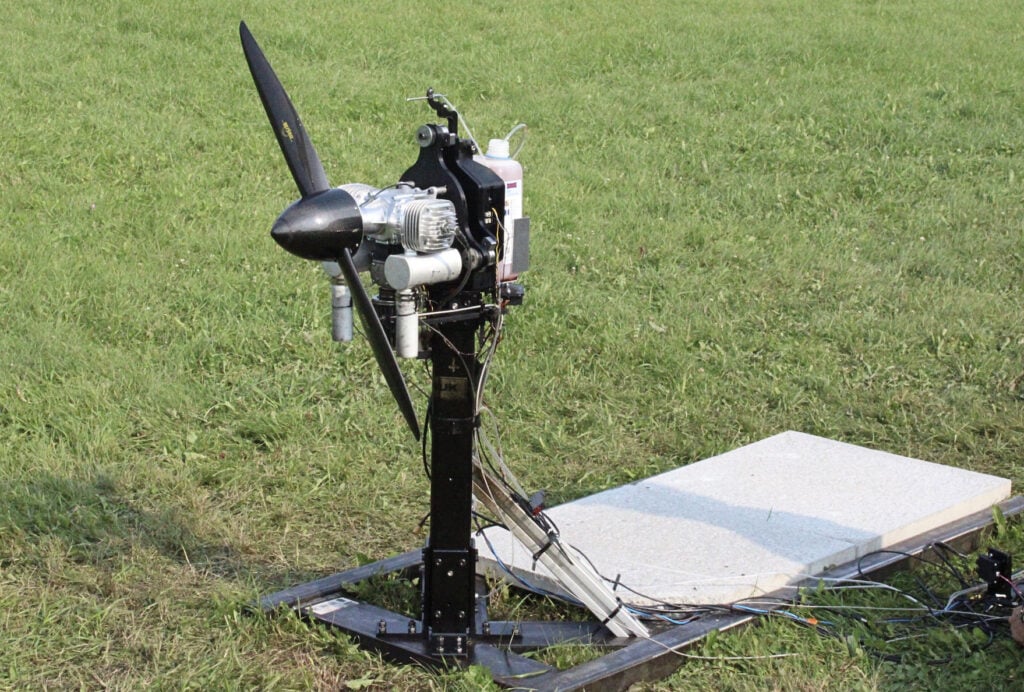
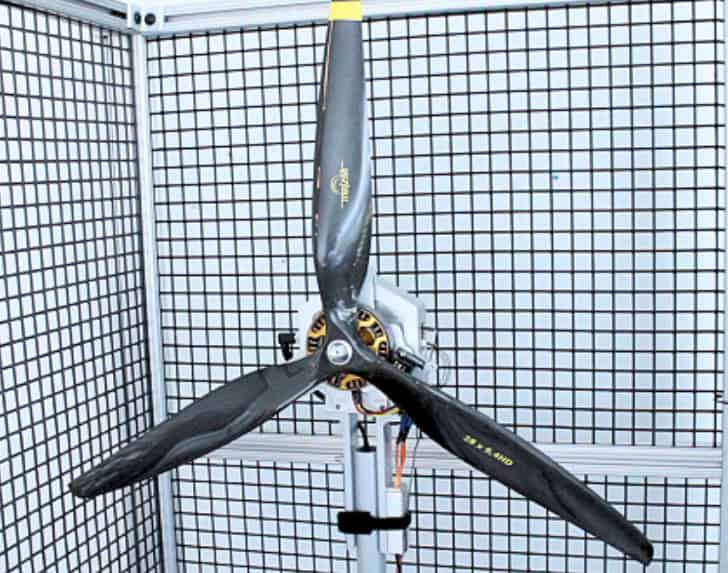
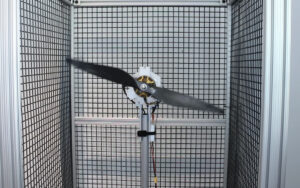
Tyto Robotics has developed a dynamic propeller balancing system, enabling users to correct and quantify imbalances in propellers and motors, improving video quality through precise, ISO-grade balancing.
Conclusion
The Jello effect occurs because most drone cameras capture images line by line, a process compounded by vibrations from imbalanced propellers and motors, and by fast-moving objects. Controlling these vibrations is the most effective way to minimize distortion and improve aerial footage quality.