



Atrenne, A Celestica Company, explains the relationship between the Modular Open Systems Approach (MOSA) and Sensor Open Systems Architecture (SOSA) in the context of rugged mission hardware. Read more >>
While MOSA represents the broader Department of Defense approach to modular, upgradeable systems built around open interfaces, SOSA applies this philosophy more specifically to sensor processing and mission computing, including Intelligence, Surveillance, and Reconnaissance (ISR), Electronic Warfare (EW), radar, signal processing, and other high-performance embedded workloads.
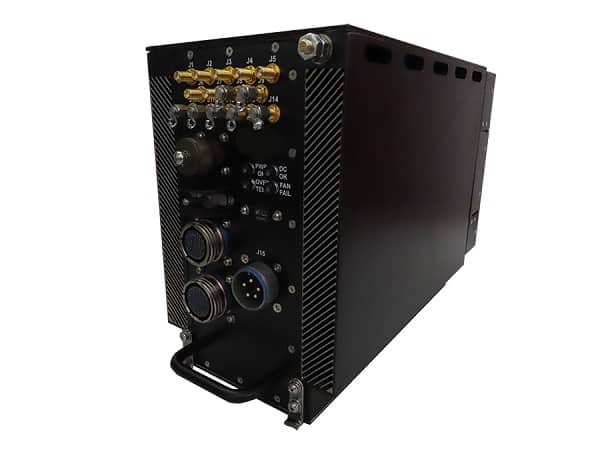
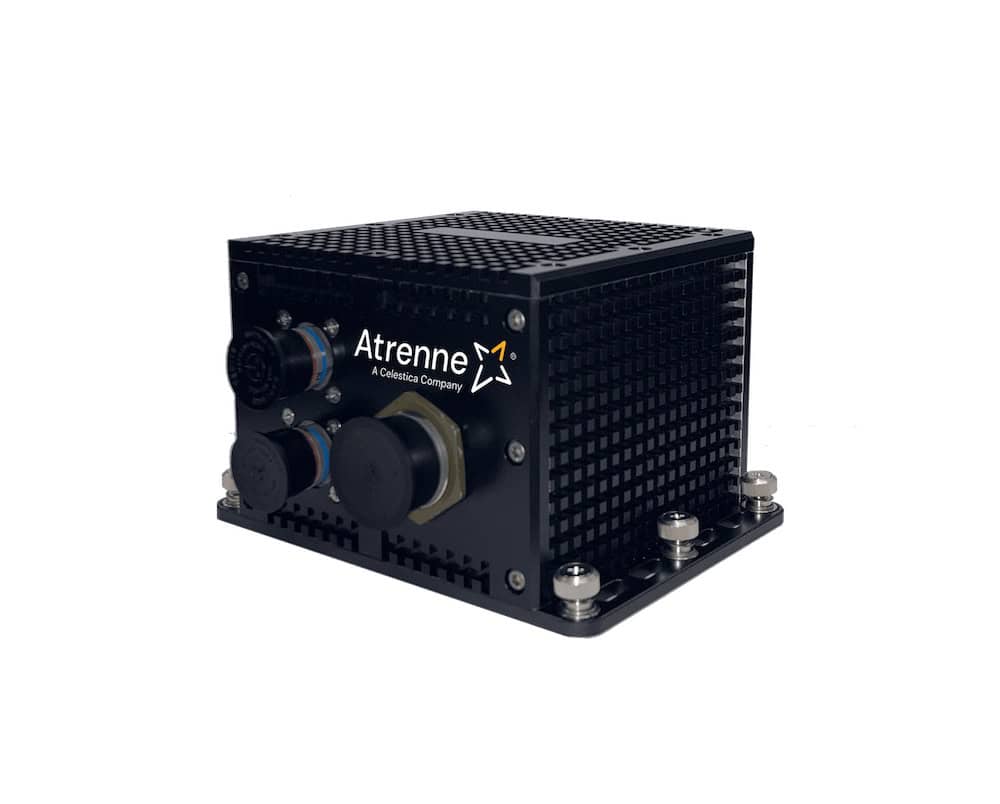
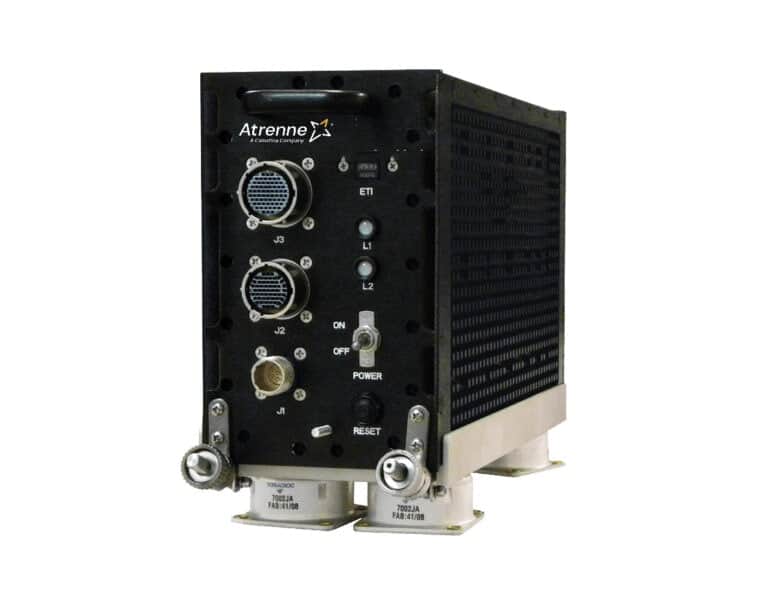
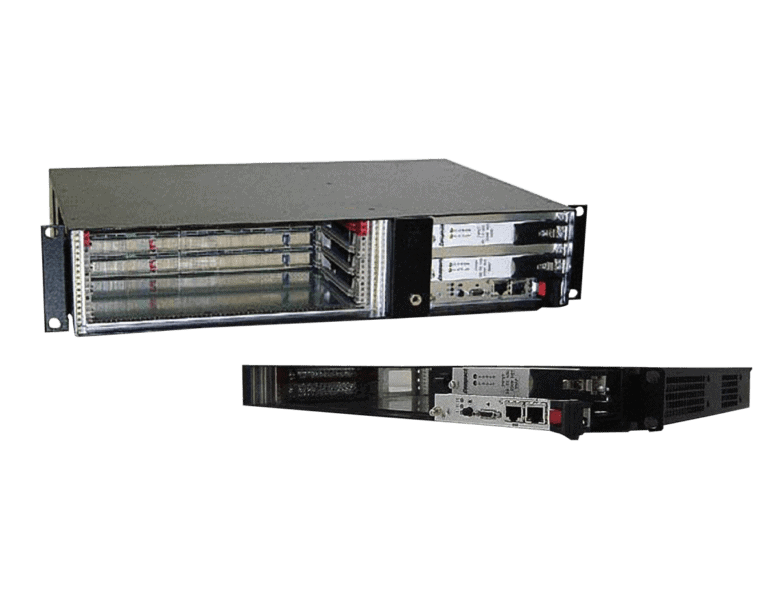
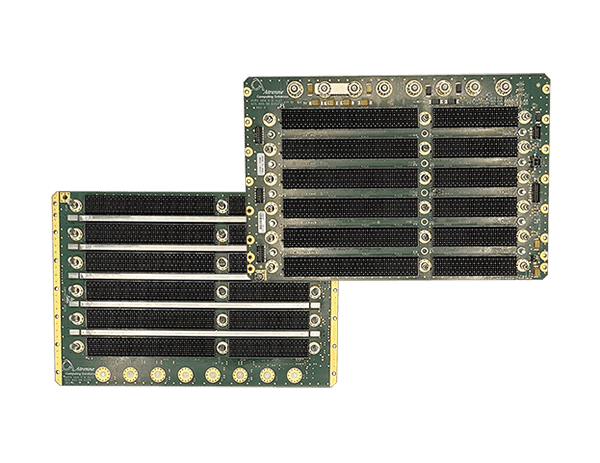
The article details how SOSA draws on established standards within the OpenVPX ecosystem to support consistent, interoperable implementation. In practical terms, hardware integrators need to consider slot counts and payload mix, backplanes and high-speed serial fabrics, cooling approaches, power delivery, system services, ruggedization, and qualification.
Atrenne also examines the practical challenges that remain when implementing open architectures. Backplane design and signal integrity, thermal and mechanical requirements, power delivery and available margin, I/O mapping, timing and critical services, and design for manufacturing and test all influence whether a modular platform can be successfully built, qualified, sustained, and upgraded.
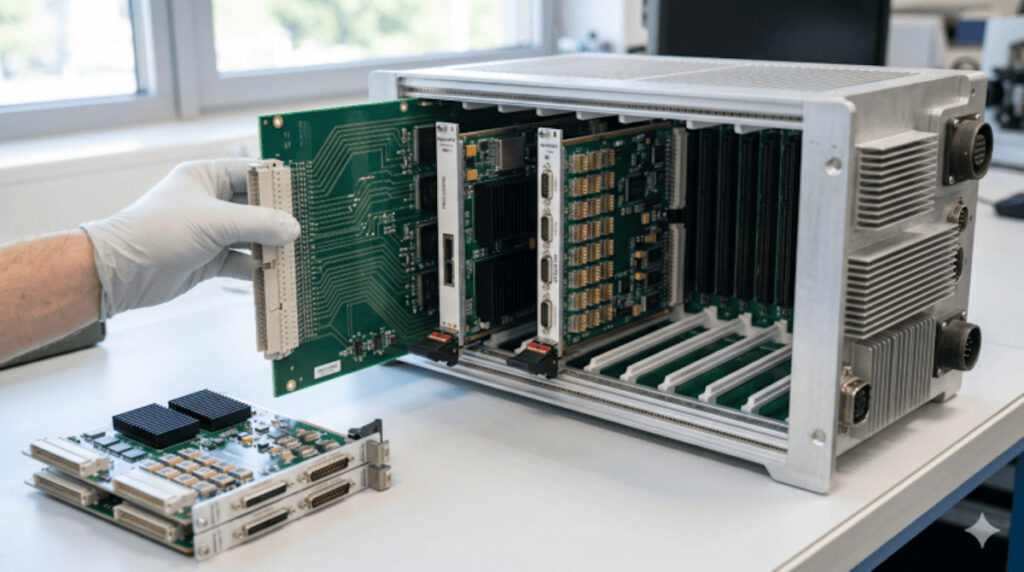
The feature highlights why the relationship between MOSA and SOSA matters for defense programs seeking greater flexibility when refreshing compute capabilities, adding acceleration, changing interfaces, or switching suppliers. It concludes by considering the role of rugged chassis, backplanes, and hardware integration in translating open-architecture objectives into systems that can be built, qualified, deployed, and refreshed.
To find out more information, read ‘MOSA vs SOSA: How They Relate for Hardware Integrators’ here >>