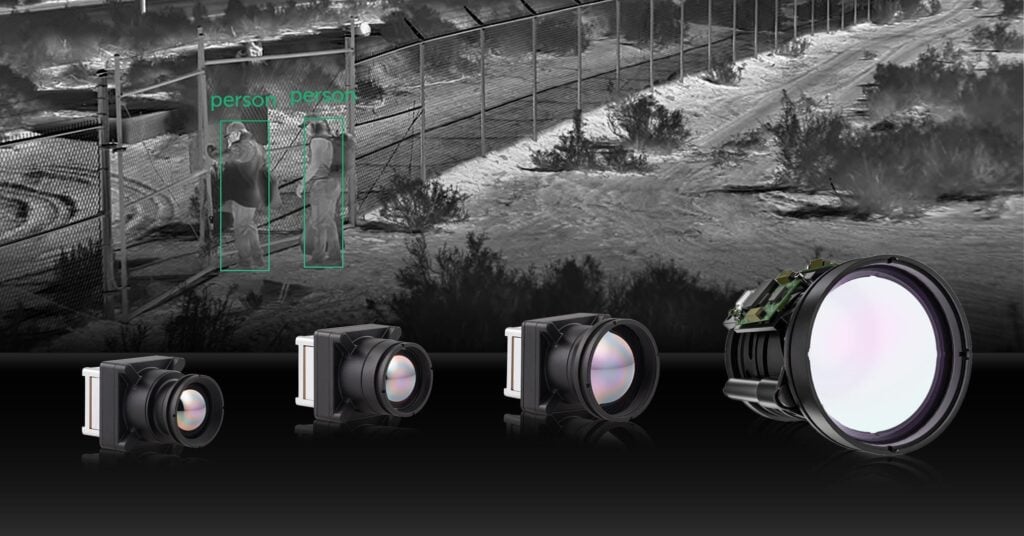





This Q&A explores Teledyne FLIR OEM’s latest thermal imaging innovations showcased at DSEI 2025, including the Boson, Boson IQ, and Neutrino MWIR camera families paired with Prism AI for on-edge target detection and tracking.
An exclusive interview with Jared Faraudo, Teledyne FLIR OEM’s VP of Product Management, covers advancements in sensitivity, SWaP optimization, ISR and UAV applications, NDAA/ITAR compliance for flexible procurement, and future developments in high-resolution, compact thermal imaging for defense, security, and unmanned systems.
What new products or capabilities is Teledyne FLIR OEM showcasing at DSEI 2025, and how do these solutions address the evolving needs of defense, security, and unmanned systems integrators?
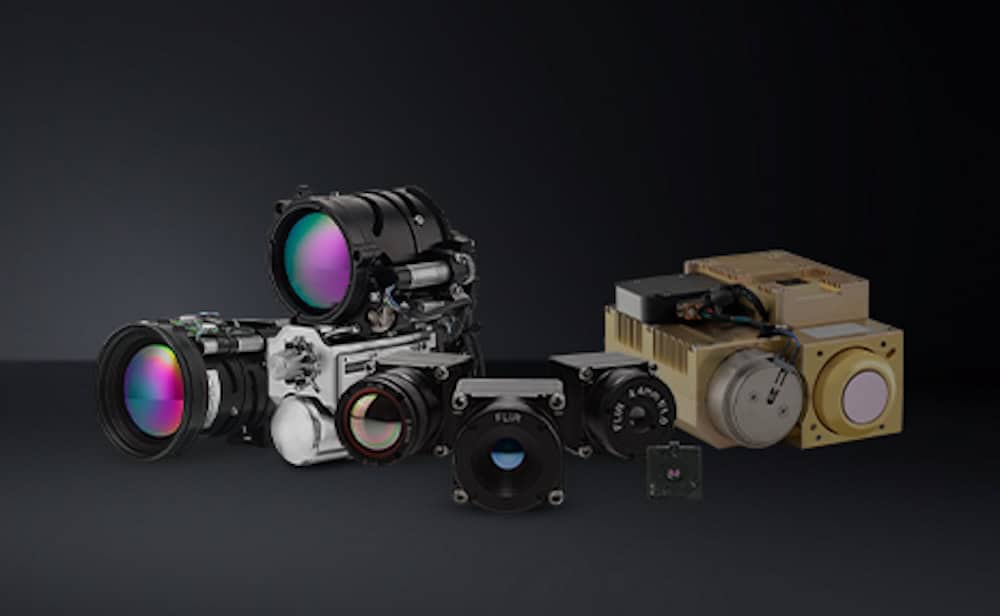
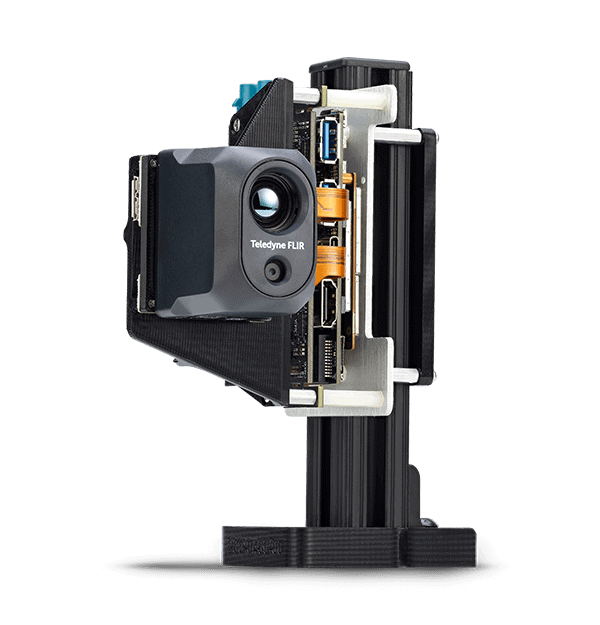
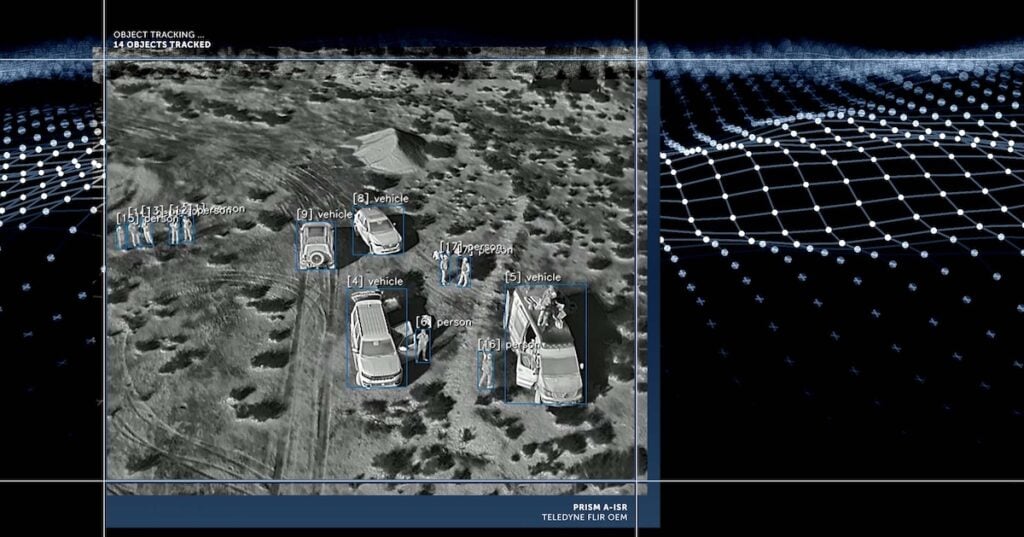
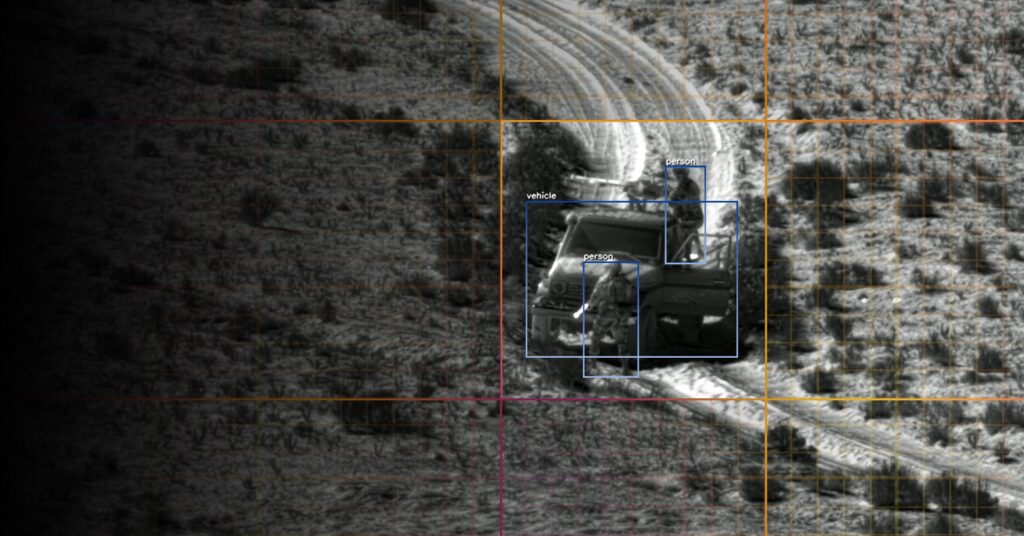
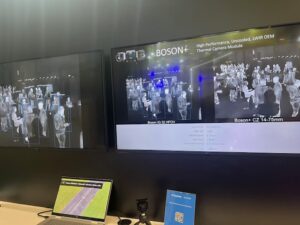
We’re the global leader in thermal imaging and sensing technologies. We’re showcasing our Neutrino, Boson+ and Prism embedded software product families. Boson+ is best in class long wave, uncooled, thermal. It’s well suited for security and unmanned, drone type applications where size, weight, and power (SWaP) are key criteria. In our new Boson+ IQ Development Kit, launched at DSEI, we’ve paired Boson+ with our FLIR AVP running Prism ISP and Prism AI embedded software. It is a reference hardware design and software development kit that provides industry leading thermal performance and object detection and tracking software that runs on the edge. This combination enables users to specifically classify and track targets that they input and identify as important or of interest. It’s intelligent decision making on the edge with a low-supply-risk thermal camera, critical for mission success.
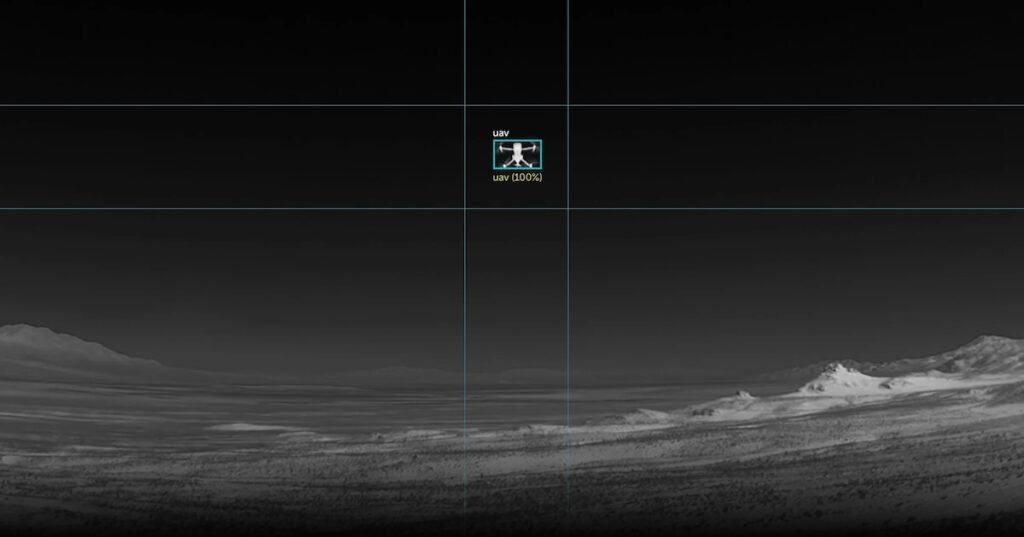
On the other side of the display, we’re showing our high performance cooled mid-wave Neutrino thermal cameras with integrated continuous zoom lenses. These are very SWaP optimized and high performing for long-range applications including ISR, drones, and counter-UAS type of applications. Neutrino is also compatible with our Prism AI software, enabling AI running on the edge again for key decision making for users.
How does attending DSEI 2025 help you engage with OEM partners, end users, and international defense delegations, and what kind of feedback are you hoping to gather from the show?
We’re getting very good feedback from customers. Lots of interest from customers interested in using thermal cameras for ISR and different unmanned drone applications. They’re particularly interested in the SWaP, performance, cost, and supply chain stability, Teledyne FLIR OEM’s key strengths. Customers are looking to be able to deliver in volume, so our global scale and low-risk supply of ITAR free and NDAA compliant thermal cameras is very important.
How have the Boson and Boson+ models advanced in thermal sensitivity and image processing, and how do these improvements translate into operational benefits for UAV surveillance, targeting, and perimeter security?
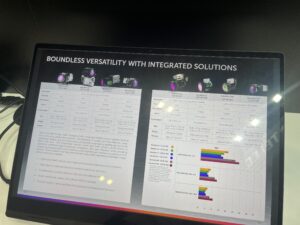
The Boson product family is well suited for unmanned systems because of its size, weight, and power (SWaP) optimization. Our Boson+ series, which we’re showcasing at DSEI has best-in-class performance in terms of sensitivity. Configurations that are less than 20 millikelvins in sensitivity, which allows users to be able to see things at a farther range and in lower contrast scenes is key to UAV, surveillance, targeting, and security applications. In addition, we offer Boson+ with a factory-integrated continuous zoom lens, which simplifies integration, lowers development cost, and shortens time to market for our customers.
What makes the Neutrino MWIR family, particularly the IS series with continuous zoom, ideal for ISR and counter-UAS missions requiring long-range, high-clarity imaging?
Here at DSEI London, we’re showcasing the Neutrino IS series, our MWIR camera cores, paired with co-designed continuous zoom lenses. What sets these systems apart is the combination of unmatched SWaP and seamless integration, which is critical for demanding defense applications.
The compact Neutrino IS features HOT focal plane arrays for high-resolution imaging, low-vibration linear coolers that extend operational life, and factory-integrated continuous zoom optics. These capabilities make it an ideal solution for ISR, counter-UAS, and targeting systems—anywhere long-range detection and precision tracking are mission-critical.
For integrators, the real value is in the reduced development risk and accelerated time-to-market. With near off-the-shelf availability and volume supply, it’s a powerful option for programs that need performance without compromise.
With your Boson, Hadron, Neutrino, and Lepton lines now NDAA-compliant and ITAR-free, how does this enhance procurement flexibility and supply-chain assurance for defense programs?
Our cameras have always been ITAR free and NDAA compliant. That’s important because it allows us to be able to access both U.S. Defense related applications and customers, and also different NATO friendly, UN friendly countries. The key advantage there for users and customers is our overall volume and scale and being able to get access to a very high volume, low risk delivery of products to be able to suit whatever sort of application or mission that they’re looking to serve.
Looking ahead, what advancements are you exploring for the next generation of thermal imaging products?
We are the premier partner for advanced IR sensing solutions, offering cutting-edge thermal hardware and AI-driven decision support software. We’re always looking to push the envelope in terms of higher resolution and improved SWaP. Looking ahead, we’ll be focused on again, trying to see how we can further reduce the size, weight, and power of our cameras and also improve the performance with overall resolution.