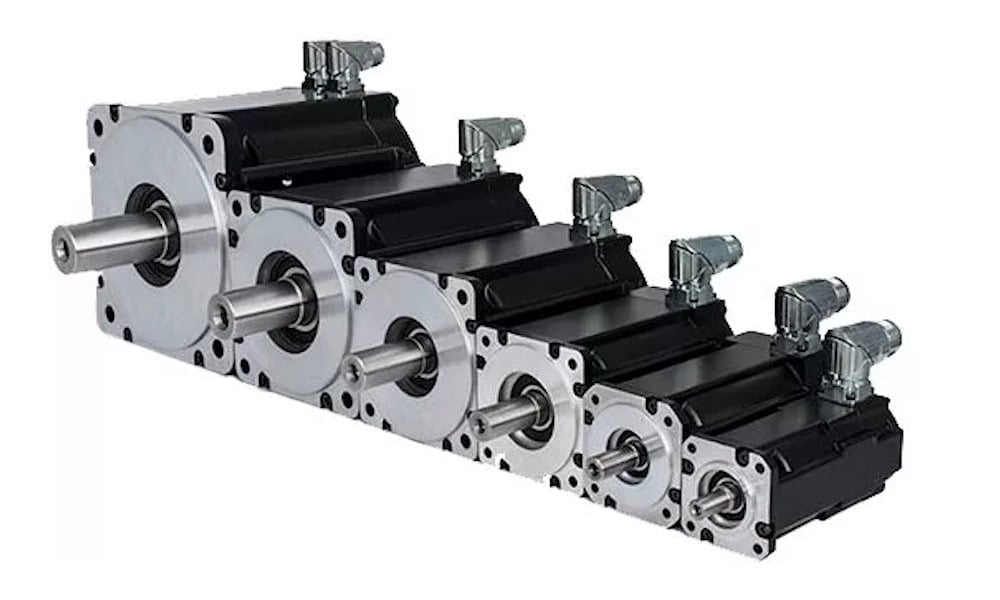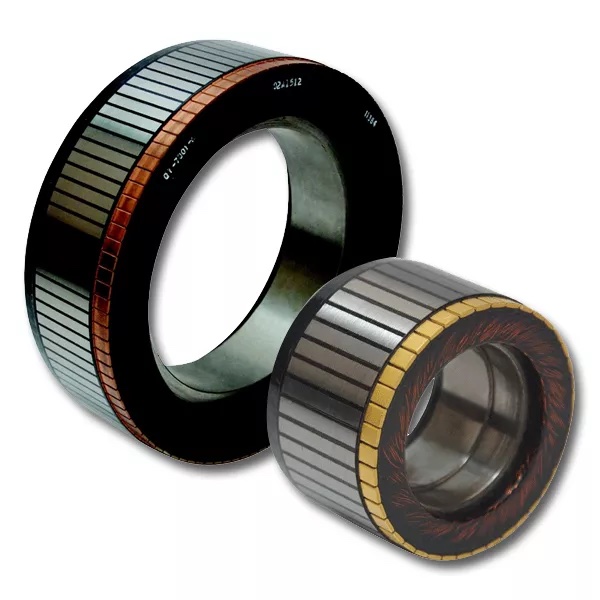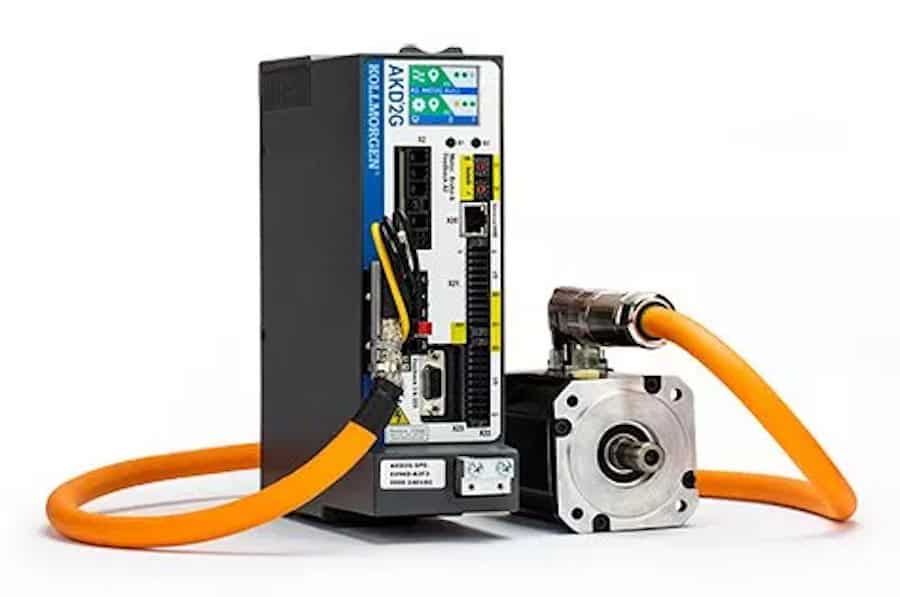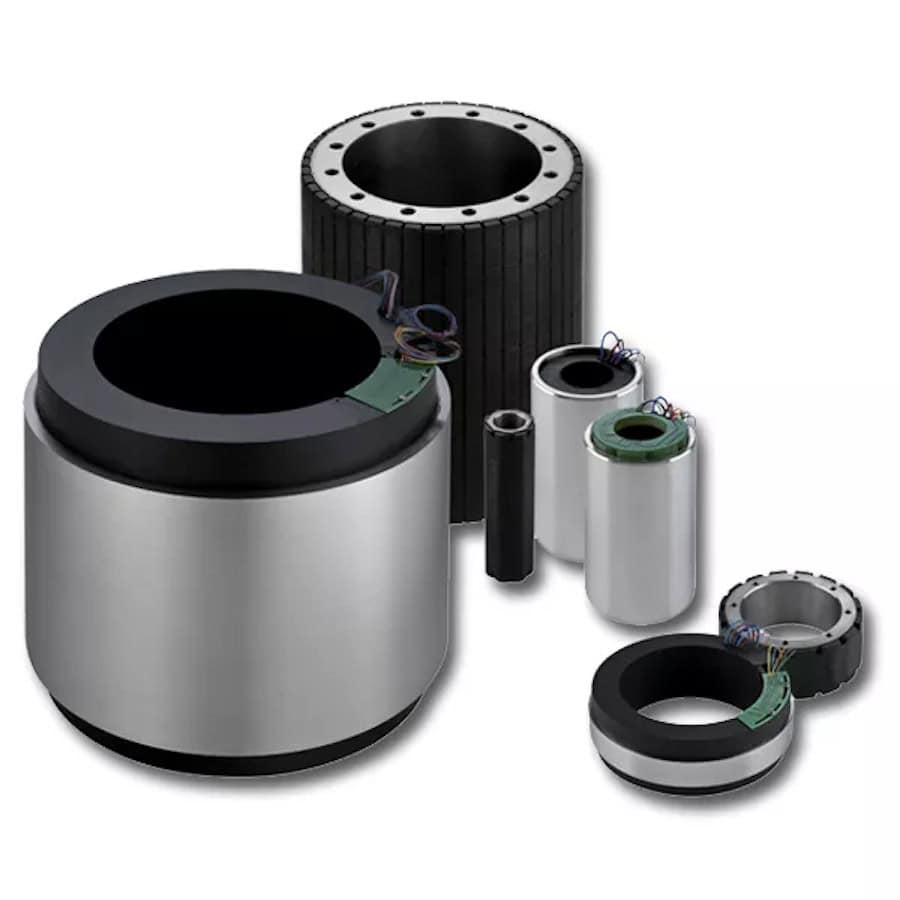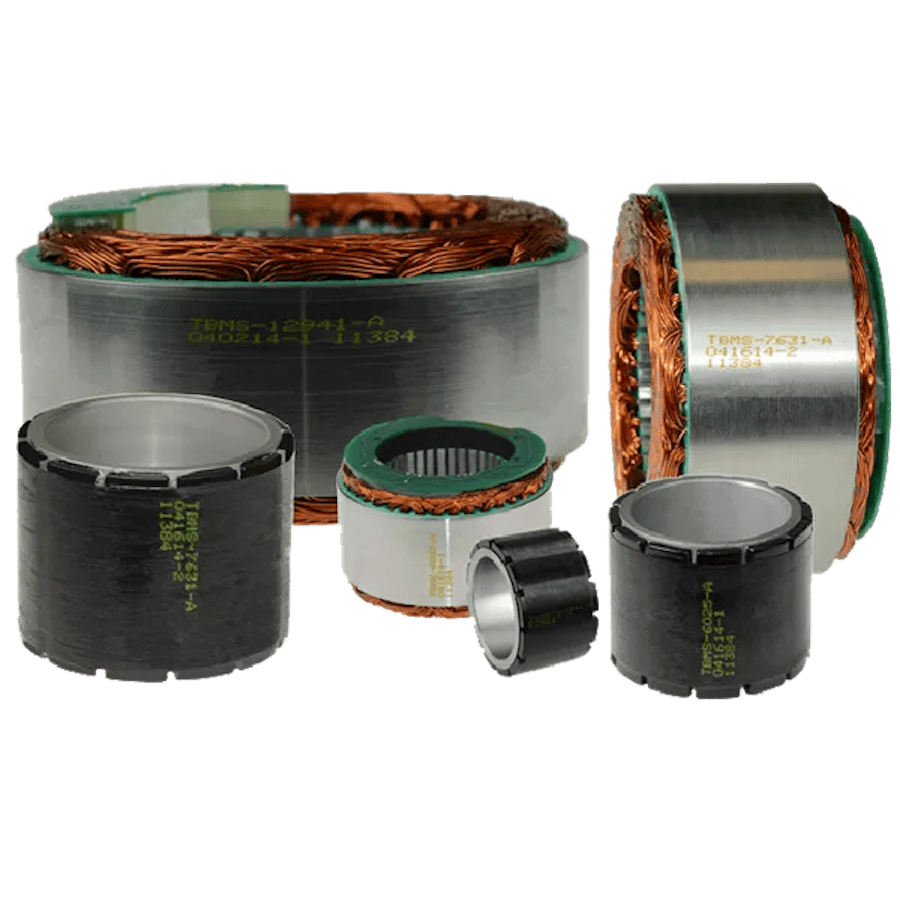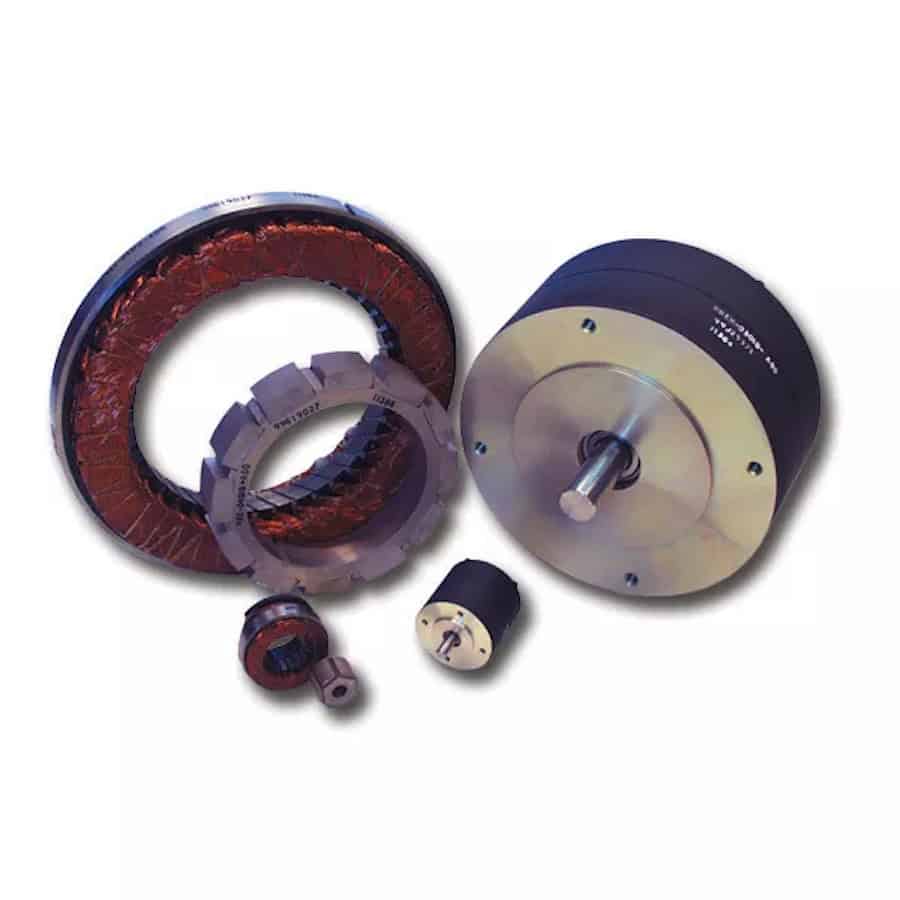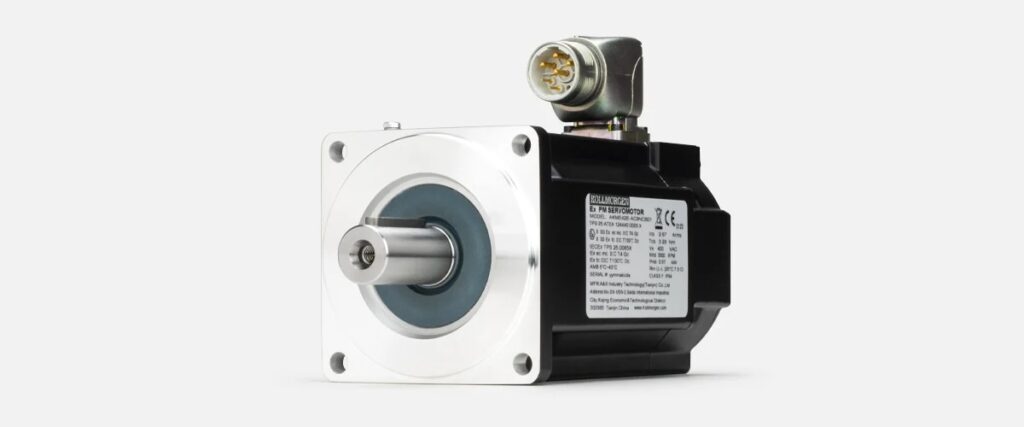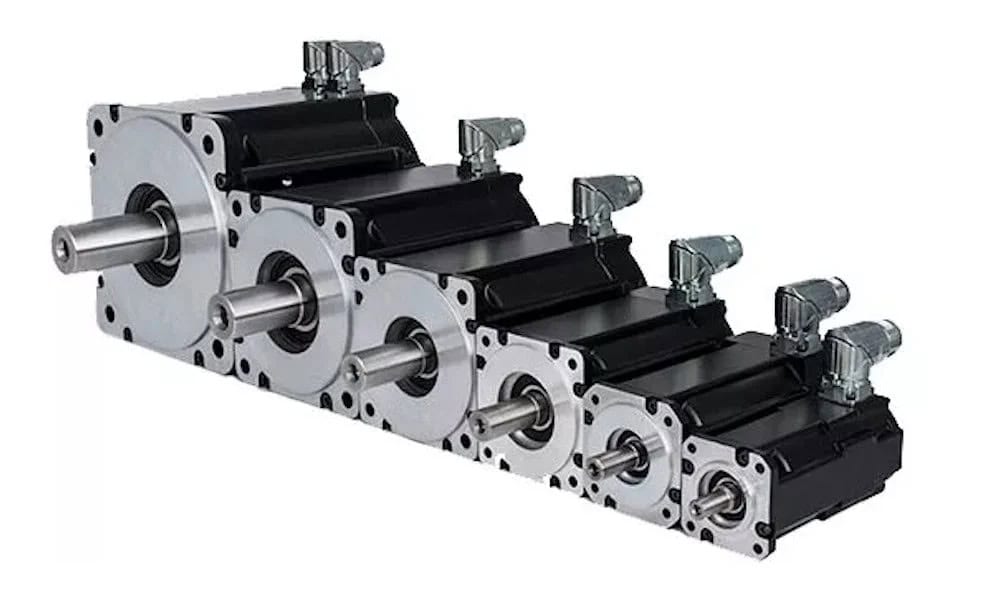





Kollmorgen delivers servo motor technologies designed for reliable performance in military and aerospace missions where equipment must endure conditions far beyond standard industrial limits.
While drive electronics are often shielded within controlled enclosures, the motors themselves frequently operate directly in harsh and hazardous surroundings. The company has outlined critical performance factors and design strategies to ensure dependable operation in demanding applications.
Defense-Relevant Operating Environments
Temperature Extremes
Defense systems deployed in arctic operations, desert combat zones, or near propulsion sources face thermal ranges from -40°C to well above 100°C. Motor adaptations may include derating, high-class insulation, specialized lubricants, and liquid-cooled housings.
Vacuum
Space platforms and high-altitude aerospace systems operate in reduced-pressure environments where convection is unavailable for cooling. Material selection and outgassing control are essential to prevent contamination of sensitive defense payloads.
Clean Rooms
Motors integrated into precision defense manufacturing or assembly must meet stringent clean room standards. Materials such as bearing greases and insulation are chosen to limit outgassing and particulate release.
Water Exposure
Naval defense platforms demand protection from saltwater ingress, high-pressure washdowns, and prolonged submersion. Submersible motor designs incorporate pressure bladders and non-corrosive fluids to maintain integrity at depth.
Hygienic Conditions
In military food processing and medical support systems, hygienic requirements call for stainless-steel motor housings with smooth, joint-free surfaces, IP69K sealing, and resistance to high-temperature, chemical-based sterilization.
Explosive Atmospheres
Defense operations in munitions handling, fuel storage, or environments with combustible dusts require explosion-proof motors certified to UL, ATEX, or CCC standards. Housings are designed to contain internal ignition events.
Radiation Exposure
Motors near nuclear propulsion systems or operating in high-radiation space environments must withstand cumulative dose levels. Radiation-hardened materials extend service life where standard components would rapidly degrade.
High Vibration and Shock
Ground combat vehicles, missile systems, and aerospace platforms expose motors to repeated shock and vibration. Solutions include resolver-based feedback devices and specialized bearing systems designed to resist fatigue and impact stresses.
Defense Design Considerations
Motor design adaptations vary according to the operational setting:
- Thermal extremes: Managed through insulation class selection, derating strategies, and advanced cooling systems.
- Vacuum conditions: Require enhanced conduction pathways for heat removal and low-outgassing materials.
- Clean rooms: Necessitate rigorous material evaluation to meet contamination control standards.
- Water and hygienic applications: Rely on pressure-balanced sealing, corrosion-resistant housings, and sanitary design practices.
- Explosive environments: Demand containment designs compliant with international certification standards.
- Radiation exposure: Calls for material selection based on tolerance to cumulative radiation dose.
- Shock and vibration: Managed through reinforced bearings and robust feedback devices.
Ensuring Reliability in Mission-Critical Roles
Kollmorgen emphasizes that defense platforms often combine multiple extreme conditions, such as high vibration with wide temperature ranges or radiation exposure alongside vacuum operation.
Despite these challenges, servo motors have been successfully deployed across diverse land, sea, air, and space missions. Leveraging proven field applications enables designers to specify materials and construction methods that ensure mission-critical reliability in hazardous environments.