




Ground Control outlines the growing operational and financial impact of GPS denial, including jamming and spoofing, and why resilient Assured Positioning, Navigation and Timing (A-PNT) is becoming essential across defense, maritime, aviation, and unmanned operations. Read more >>
Rising levels of GPS interference are driving service disruption, safety hazards, regulatory exposure, and cascading costs linked to delays, rerouting, mission aborts, and degraded operational confidence. The most damaging consequence is often not the loss of GPS itself, but the loss of trust in position and timing data, which forces operators to slow, hold, verify, or halt operations altogether.
For unmanned systems, GNSS degradation can trigger conservative operating modes, increased human oversight, mission cancellations, and data re-collection. In maritime operations, uncertainty in positioning leads to slower speeds, increased watchkeeping, delayed port approaches, and elevated collision and grounding risk, with potential liabilities extending into tens of millions of dollars. In defense contexts, GPS denial increases exposure time, disrupts synchronization, and degrades mission assurance in contested environments.
A layered A-PNT approach combines multiple independent PNT sources and techniques, including satellite, terrestrial, and onboard sources, to preserve trusted position and timing when GNSS cannot be relied upon.
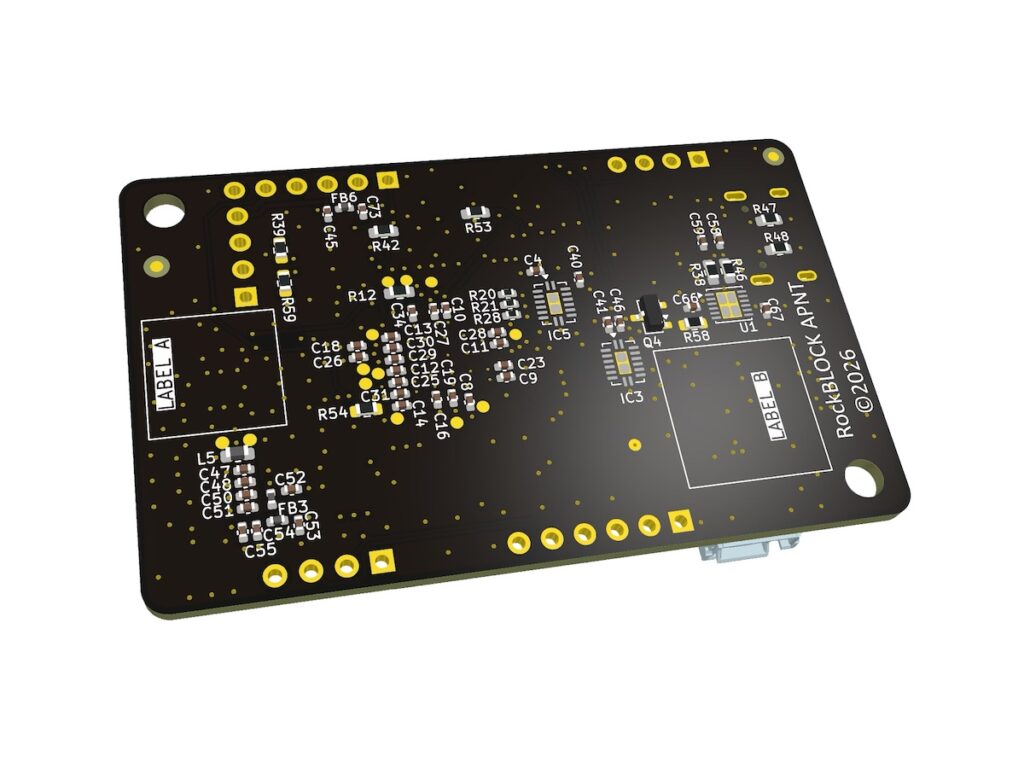
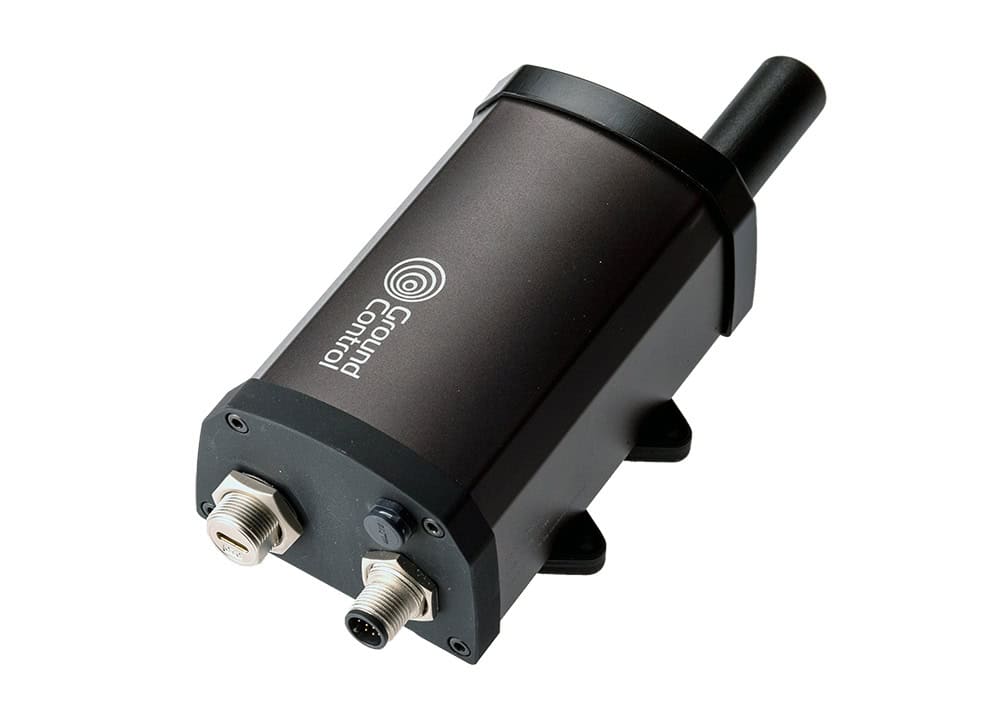
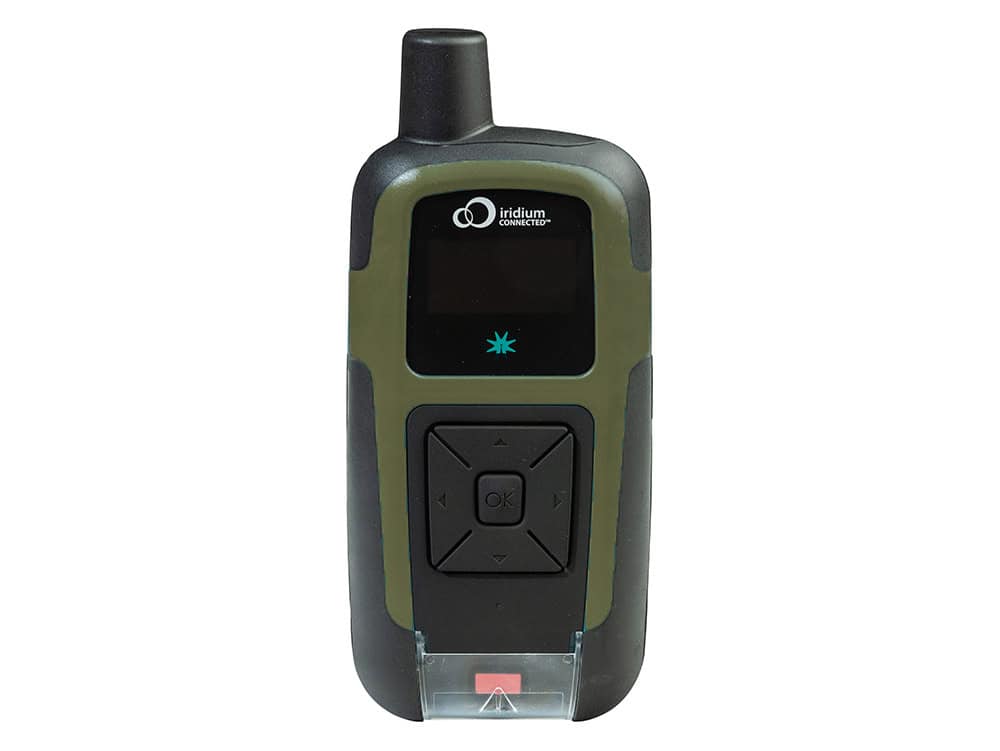
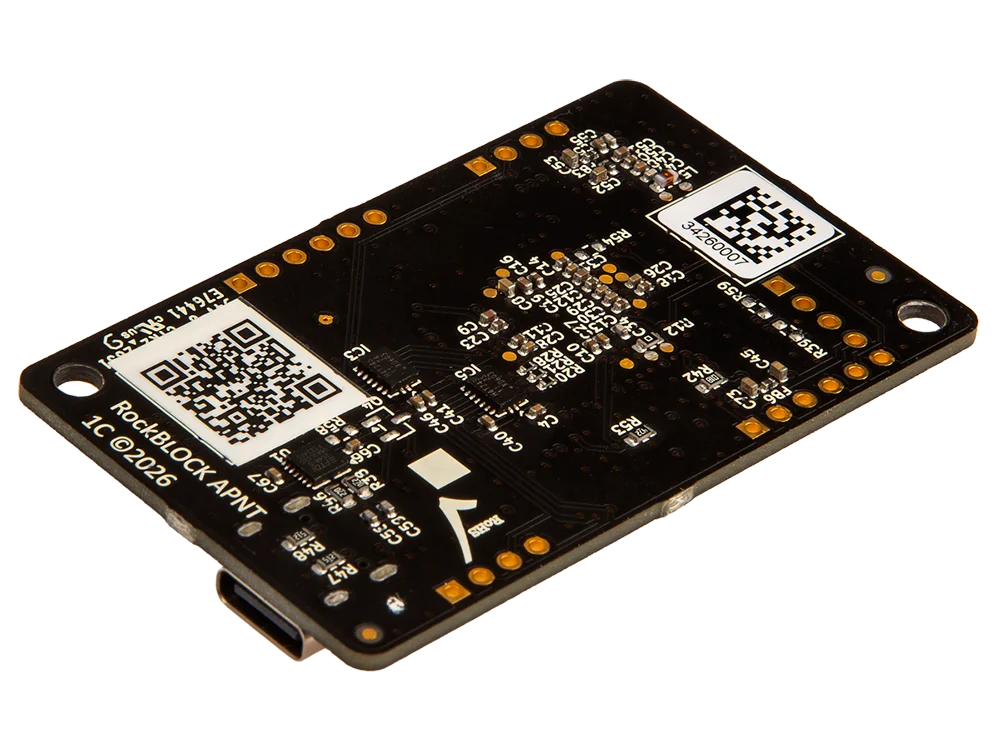
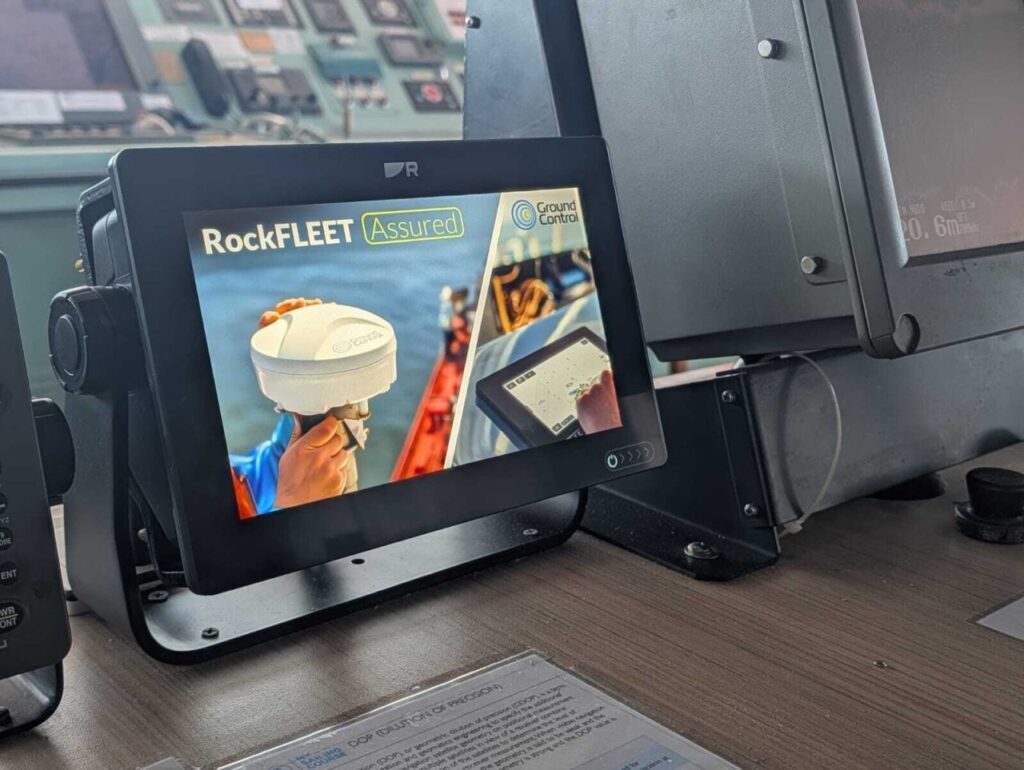
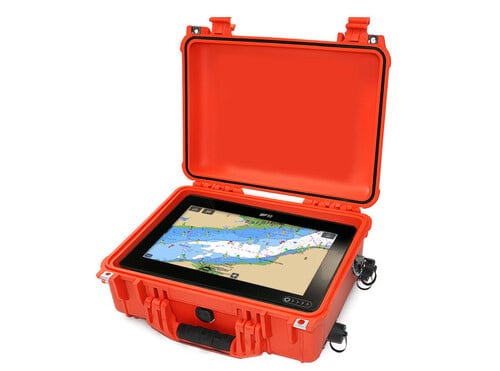
Alternative satellite-based PNT services with higher received signal strength improve resilience against interference and support integrity monitoring. Ground Control’s RockBLOCK APNT and RockFLEET Assured solutions encapsulate Iridium PNT to deliver resilient positioning, navigation, and timing for vehicles, unmanned platforms, and maritime vessels without lengthy integration cycles.
A-PNT is positioned not as a technical upgrade alone, but as an operational enabler that protects time, revenue, safety, and reputation when GPS can no longer be assumed to be available or trustworthy.