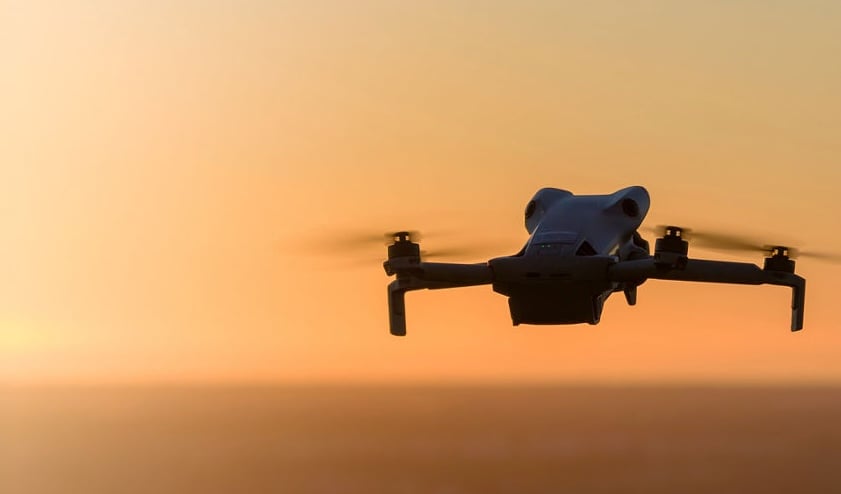





Drone swarms are reshaping the threat environment, challenging conventional air defense systems with low-cost, distributed, and coordinated attacks.
For militaries tasked with defending mobile assets, bases, and critical infrastructure, the need is shifting from point protection to adaptive, multi-layered defense ecosystems.
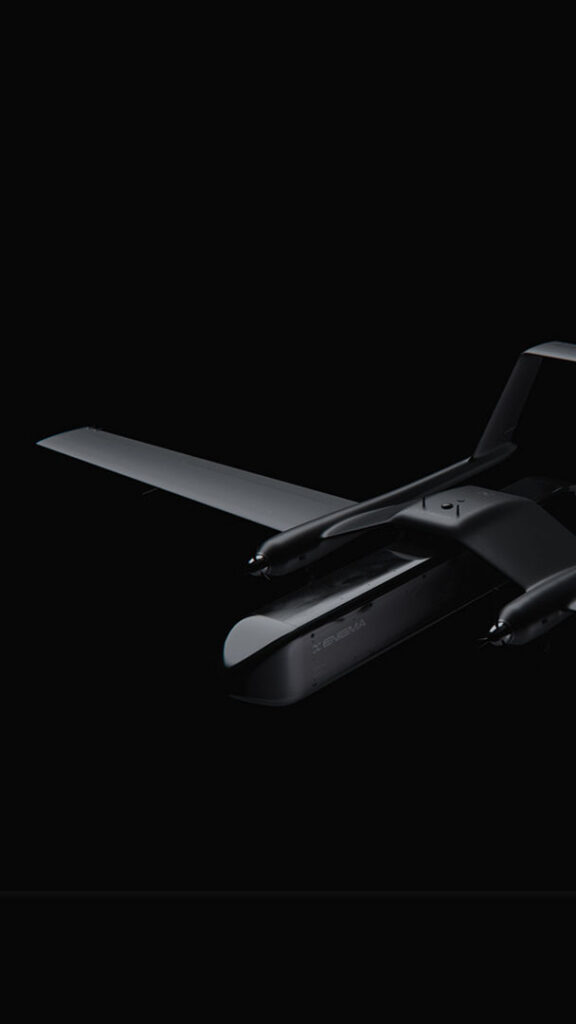
Honeywell Aerospace’ Reveal and Intercept system is one of the latest solutions engineered with this philosophy. First detailed in 2024, the system was presented as a scalable defensive architecture capable of integrating RF sensing, electro-optical tracking, and interceptor drones.
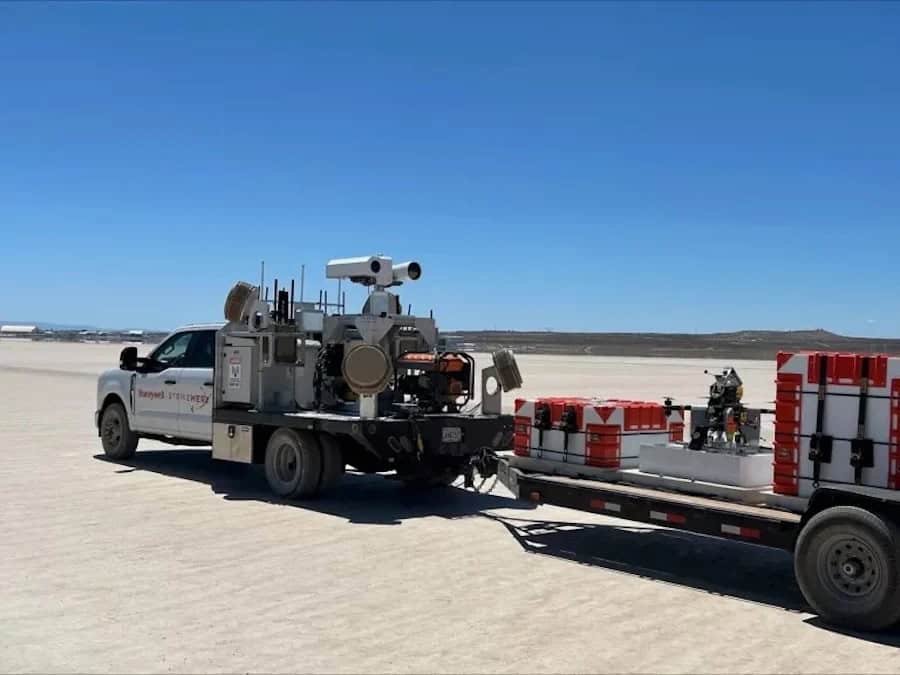
In 2025, Honeywell moved from concept to practice, conducting two live demonstrations for U.S. military personnel. One involved deployment on a ground vehicle, while the other leveraged an aerostat platform more than 1,000 feet above ground level. These trials, reported in a more recent feature article, validated the system’s capability to detect, track, and neutralize swarm threats in realistic scenarios.
For defense planners, several aspects stand out:
- Scalability and modularity – the system aligns with MOSA (Modular Open Systems Approach), enabling rapid insertion of new sensors and effectors as threats evolve.
- Lifecycle transparency – backed by Model-Based Systems Engineering (MBSE), the architecture provides operators with a clear sustainment path and confidence in system modeling
- Reduced integration burden – Honeywell acts as a single integrator across the solution, lowering program risk and simplifying updates.
- Layered protection – the dual vehicle-and-aerostat demonstration highlights applicability for both mobile force protection and wide-area surveillance.
As militaries weigh options in the competitive counter-UAS space, Honeywell’s Reveal and Intercept system illustrates how open, modular architectures are becoming the baseline requirement for future defensive capabilities, ensuring that today’s solutions can evolve alongside tomorrow’s threats.