



applied acoustics provides subsea acoustic positioning and tracking solutions that support the growing reliance on autonomous systems in the defense sector.
Business Development Manager Gavin Willoughby outlines the benefits of autonomous underwater robotics and the technologies that enhance their effectiveness in protecting personnel and achieving mission objectives.
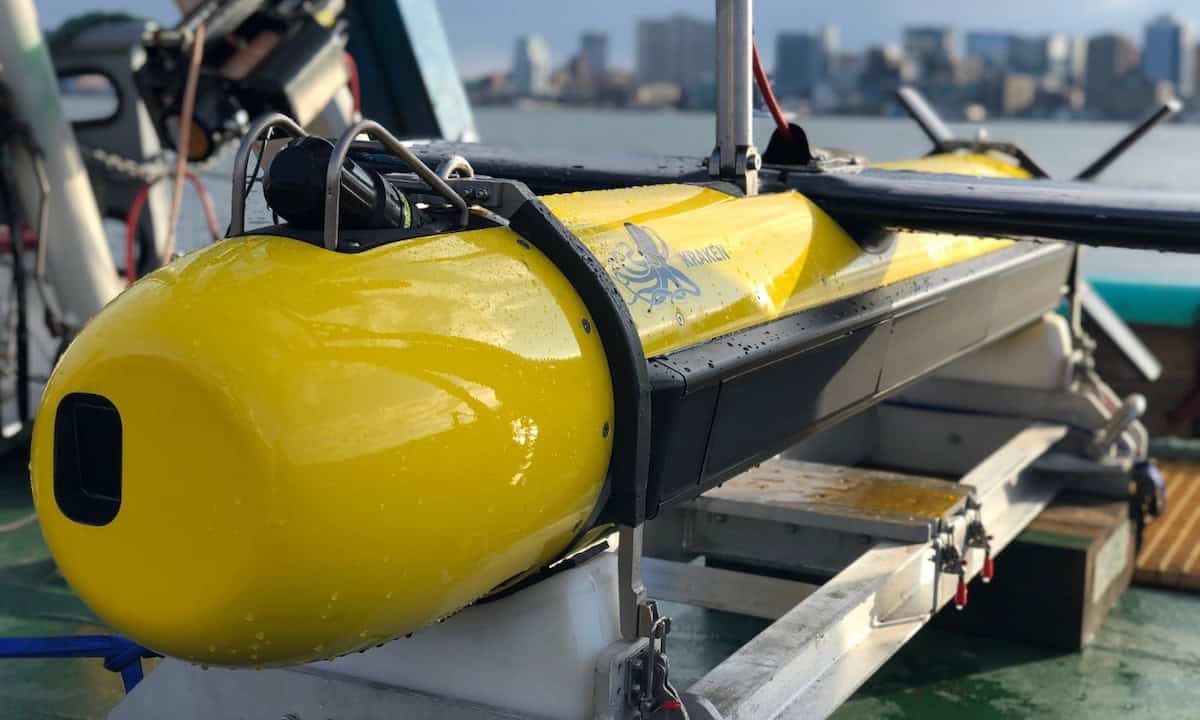
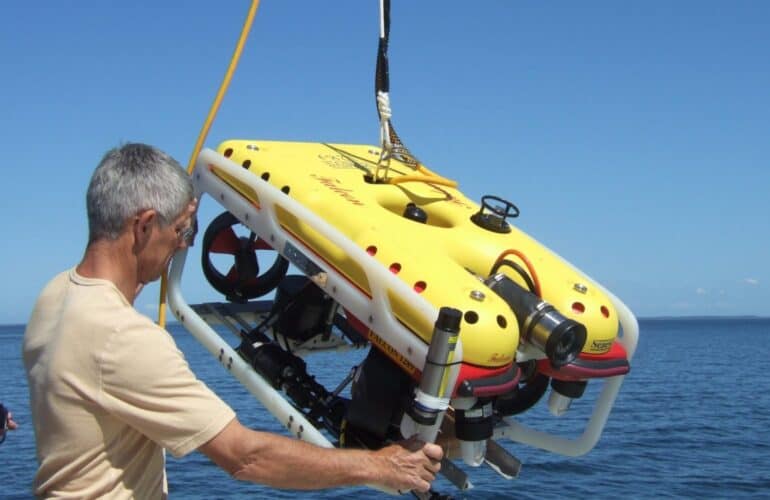
Autonomous underwater vehicles (AUVs) and remotely operated vehicles (ROVs) are now widely used for intelligence, surveillance and reconnaissance, anti-submarine warfare, and mine countermeasure operations. Their success depends on accurate location awareness and target guidance, which are delivered through Ultra Short Baseline (USBL) tracking systems. By monitoring vehicle positions and recording courses, USBL systems allow operators to direct AUVs and ROVs with precision. Without them, operators would effectively be working blind.
The integration of USBL systems begins with inputting target coordinates into the control system, enabling continuous monitoring and course correction. Increasingly, these operations are being managed from remote locations, with autonomous surface vessels serving as launch platforms for subsea vehicles. Through water acoustics and satellite-transmitted data now allow operators hundreds of miles away to oversee missions, further minimizing human exposure to potential threats.
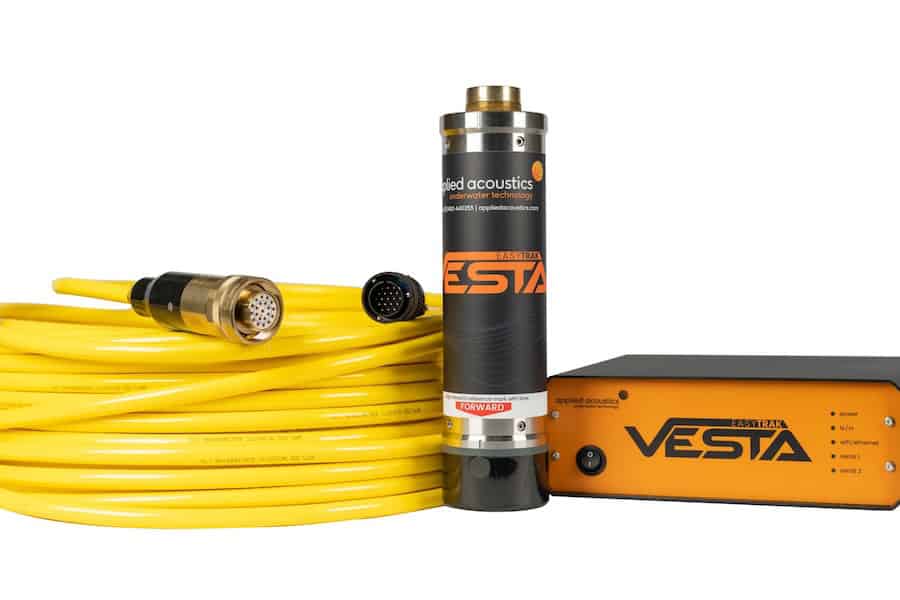
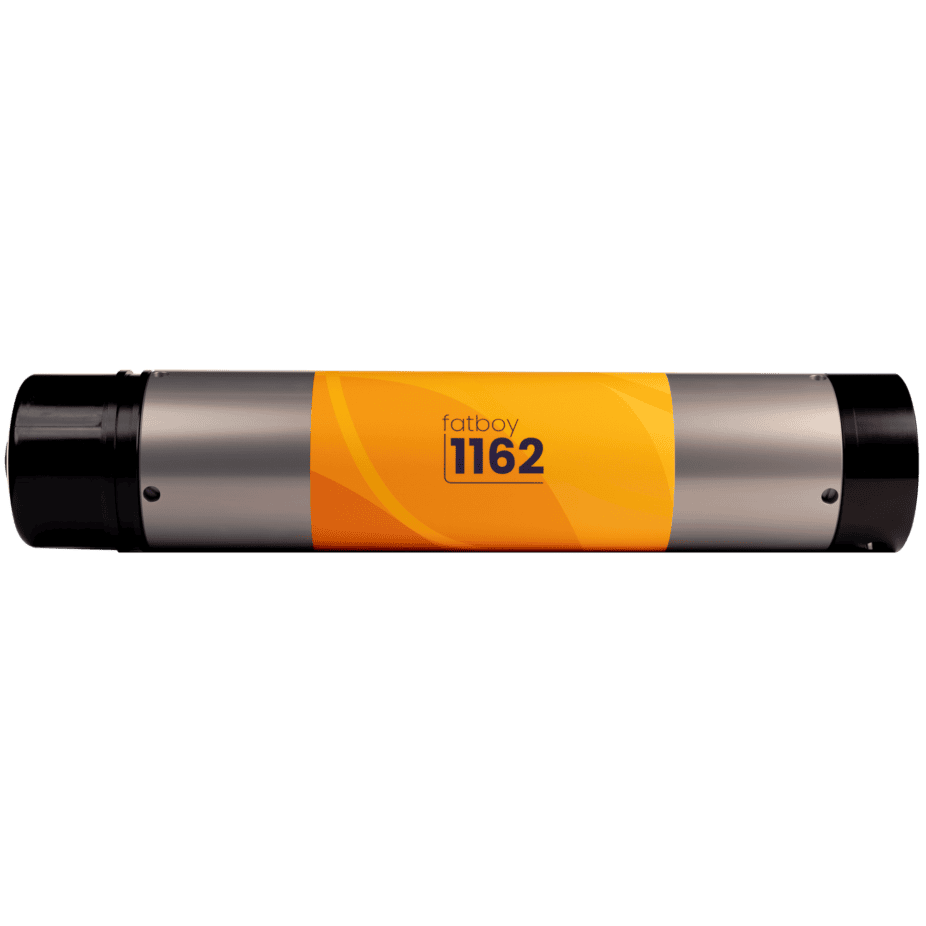
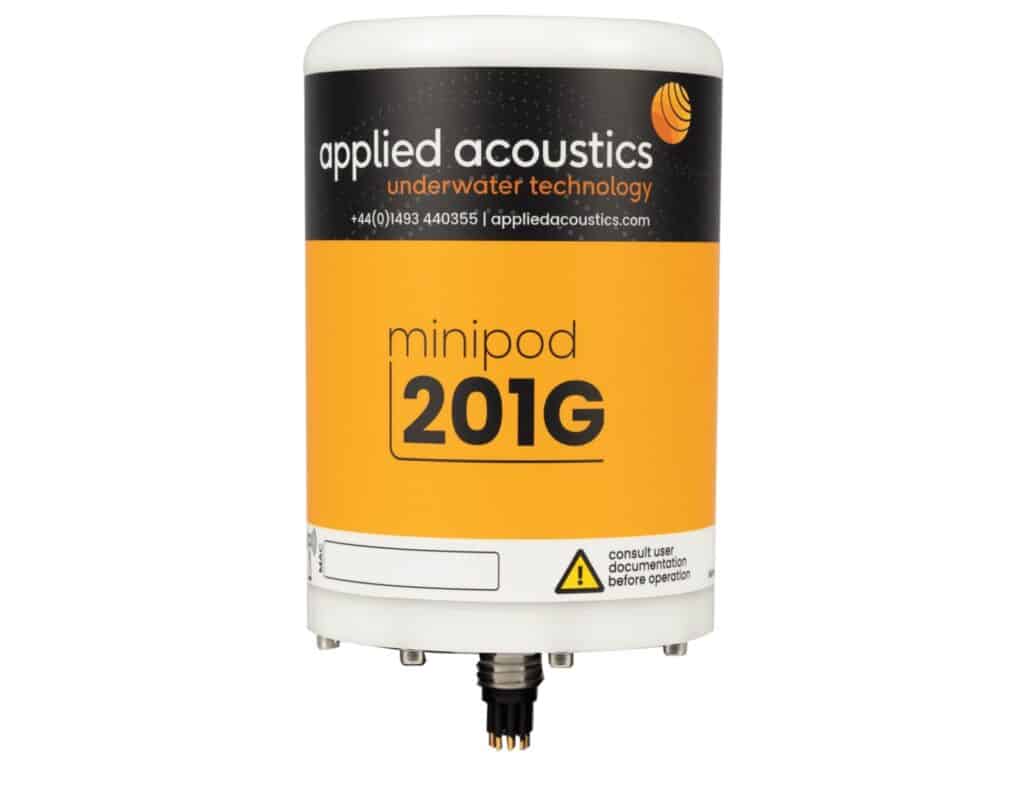
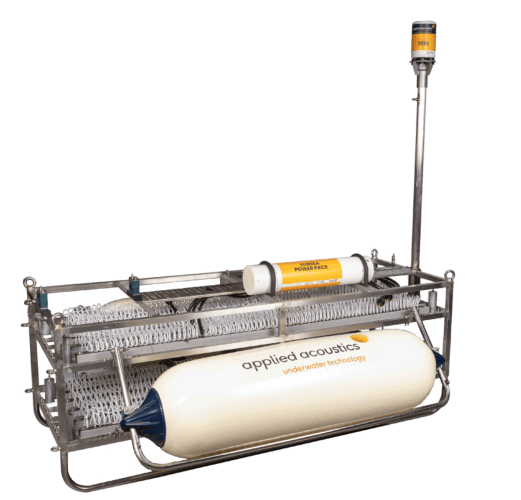
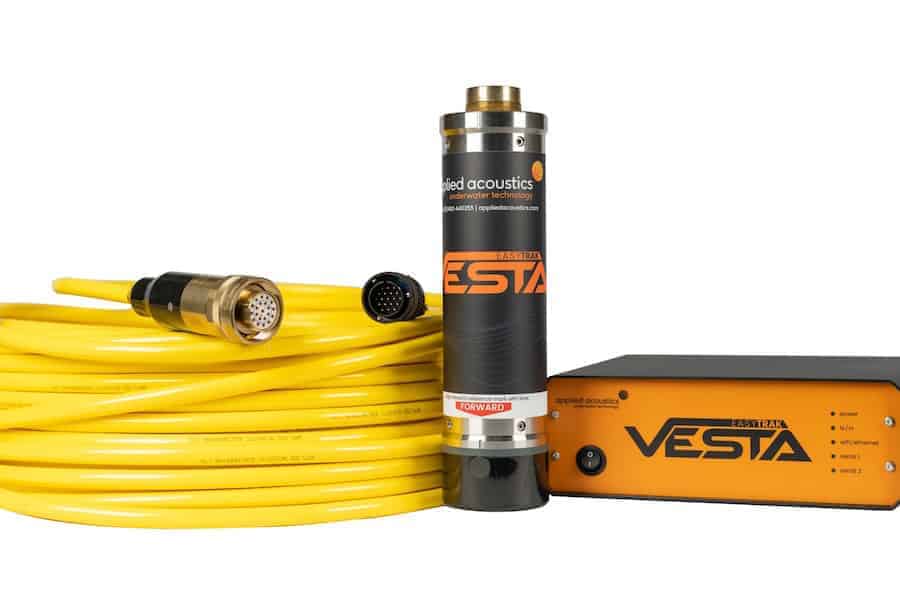
applied acoustics’ Nexus 2 USBL and MIPS 2 systems, along with its wide range of transducers designed for AUV and ROV integration, provide reliable subsea positioning and clear communication between vehicles and base stations. Around 300 systems are already in operation within the defense sector, spanning commercial off-the-shelf solutions as well as custom OEM designs built to meet the unique requirements of military groups and defense contractors.
The company emphasizes the need to remain at the forefront of associated technologies to counter increasingly sophisticated threats. Its offerings include portable systems for mobile units, integrated solutions installed on naval vessels, and airborne systems deployed from helicopters. This breadth of expertise highlights applied acoustics’ role in supporting defense organizations with advanced subsea acoustics across a range of mission-critical applications.