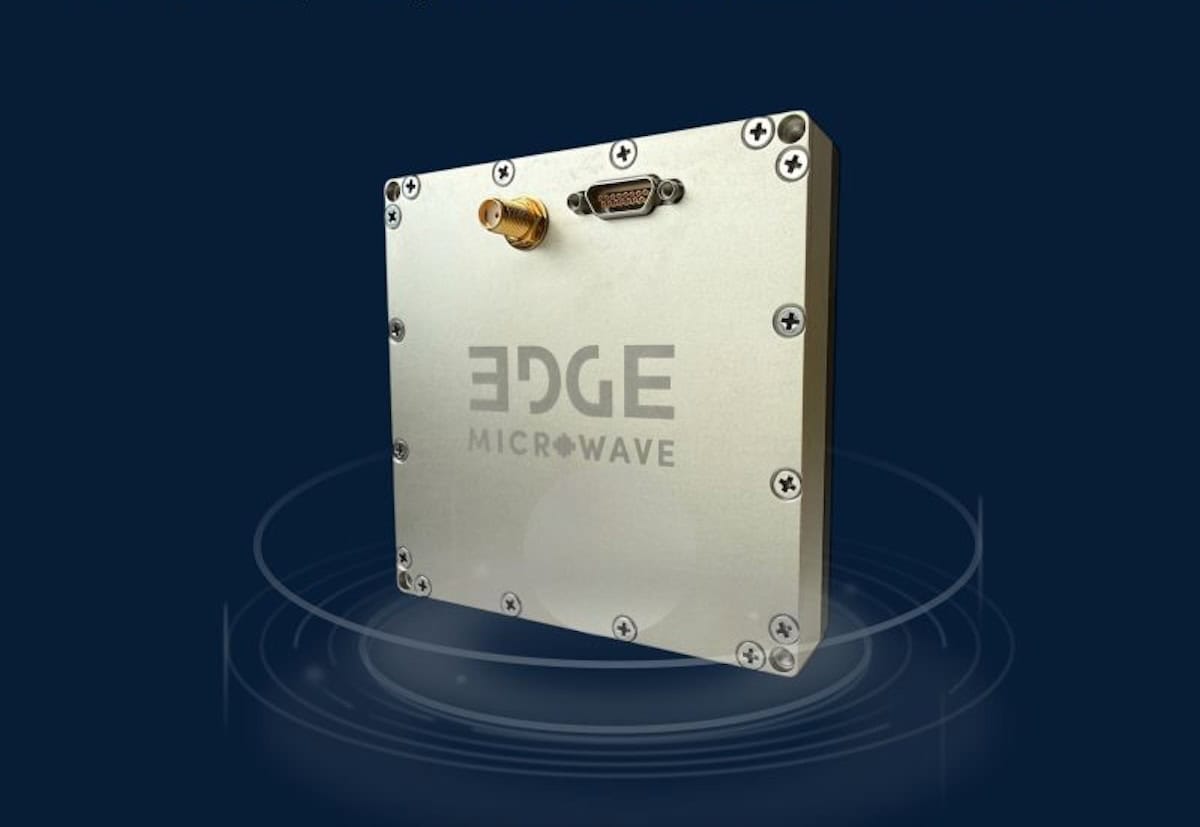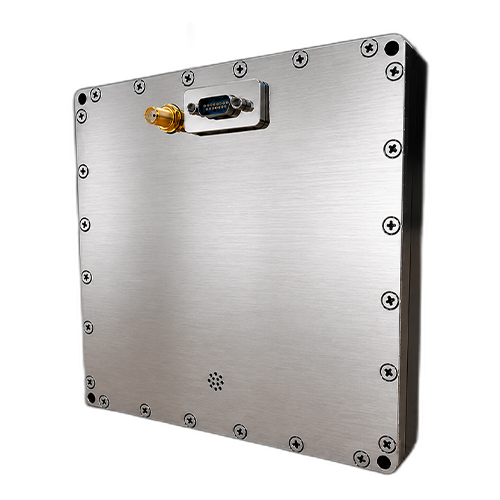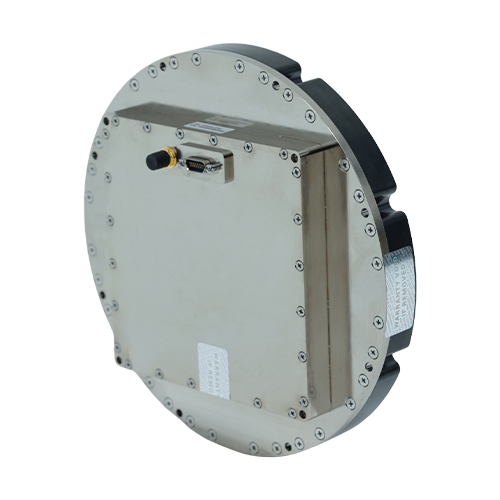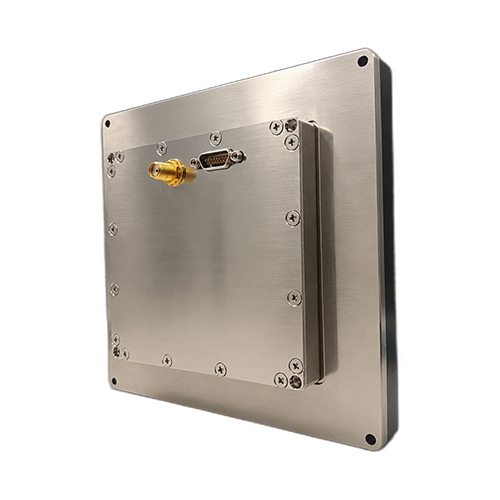





EDGE Microwave is addressing the growing challenge of Global Navigation Satellite Systems (GNSS) interference, a critical issue impacting navigation and timing across aerospace, defense, maritime, and telecommunications sectors.
GNSS signals, including GPS, Galileo, GLONASS, and BeiDou, are inherently weak at the Earth’s surface, making them highly susceptible to both unintentional and deliberate radio-frequency disruption.
Interference sources range from nearby radar systems, aviation beacons, and ultra-wideband devices to intentional threats such as jamming, spoofing, and signal replay attacks. The increasing availability of low-cost jammers has significantly amplified these risks, leading to widespread disruptions across civilian infrastructure, Uncrewed Aerial Vehicles (UAVs), and maritime operations. Consequences include navigation failure, timing instability in telecom networks, and even large-scale spoofing incidents affecting vessels at sea.
To counter these threats, modern mitigation strategies combine pre- and post-correlation techniques. Adaptive filtering, pulse blanking, and GNSS/INS integration help maintain signal integrity, while monitoring metrics such as carrier-to-noise ratio and leveraging Receiver Autonomous Integrity Monitoring (RAIM) improve detection of anomalies.
Among these solutions, Controlled Reception Pattern Antennas (CRPAs) have emerged as the most effective anti-jam technology. By using multi-element antenna arrays to spatially suppress interference, CRPAs can mitigate multiple threats simultaneously without degrading GNSS signal quality. As interference becomes more frequent and sophisticated, CRPA-enabled systems are increasingly essential to ensuring resilient and secure Positioning, Navigation, and Timing (PNT) capabilities across defense and commercial applications.
Read more about GNSS Interference & Mitigation on the EDGE Microwave website.