



Omnetics Connector Corporation outlines how the expanding military use of the Internet of Things (IoT) is reshaping defence operations and military system architectures.

Across the defence sector, IoT adoption is changing how data is collected, transmitted, and applied. Military organisations increasingly rely on connected devices to improve situational awareness, asset visibility, and personnel safety, making dependable interconnection a foundational requirement.
Internet Infrastructure Foundations
The internet provides the underlying structure that enables connected military systems to exchange data. This structure is typically described through three core components. The last mile includes wired and wireless links that connect devices and users to the network. Data centres host applications and stored information, supporting high volumes of simultaneous users through high speed connections. The internet backbone consists of long distance, high capacity fibre optic networks that move data between users and data centres through interconnected exchange points.
The Expanding Role of IoT
The internet continues to evolve with the expansion of IoT, driven by advances in miniaturised electronics, lower computing costs, and widespread wireless connectivity. In defence environments, this enables connectivity to be embedded directly into platforms, equipment, and sensors operating across land, air, sea, and space domains.
IoT development now spans several categories, with military applications forming a critical segment. Within defence, the Internet of Military Things (IoMT) supports more adaptive and responsive operations by linking physical systems with digital networks, enabling faster data exchange, increased automation, and improved situational awareness in complex operational environments.
Internet of Military Things Market Context
Military organisations are deploying IoMT based systems to enhance operational efficiency, security, and command visibility across bases, vehicles, and operational theatres.
A 2022 GlobalData report titled Internet of Military Things highlights the difficulty of precisely defining this market due to the sensitive nature of many programmes. The report identifies key segments including wearables and hearables, electro optical and infrared systems, and command, control, communications, computers, intelligence, surveillance, and reconnaissance (C4ISR) systems and infrastructure.
Military IoT Applications
Both IoMT and the Internet of Battlefield Things (IoBT) rely on edge based architectures that support rapid data processing and transmission. These systems integrate biometric sensors, environmental monitoring, and distributed devices to improve performance in operational environments.
Applications include enhanced battlefield awareness through unmanned aerial systems providing real time data to command elements, smart base security using biometric identification to detect unauthorised access, soldier health monitoring through wearable sensors tracking physiological and behavioural indicators, real time equipment and vehicle management using condition and location data, and training supported by augmented and virtual reality environments built on historical operational data.
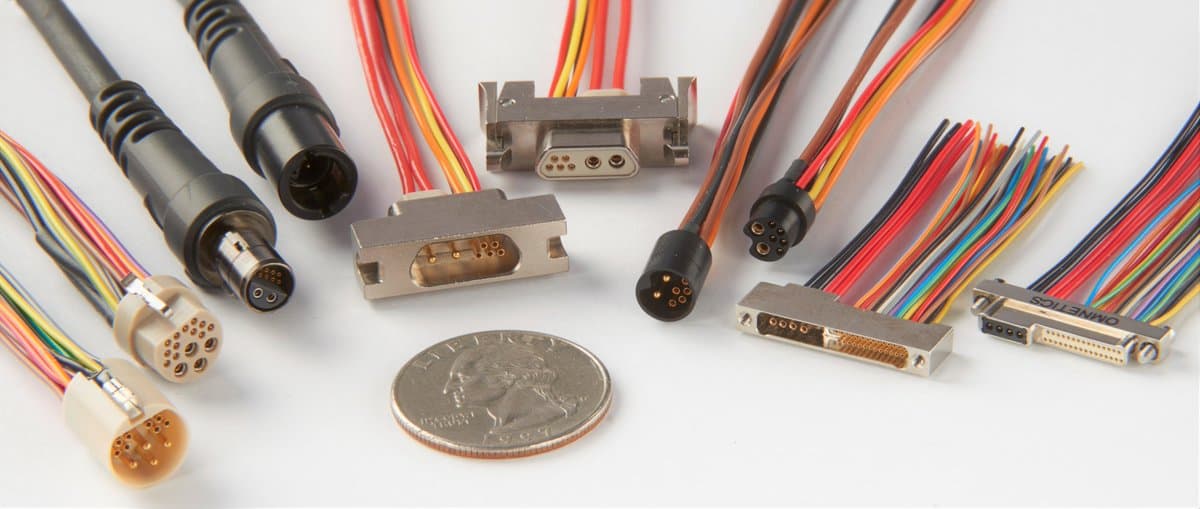
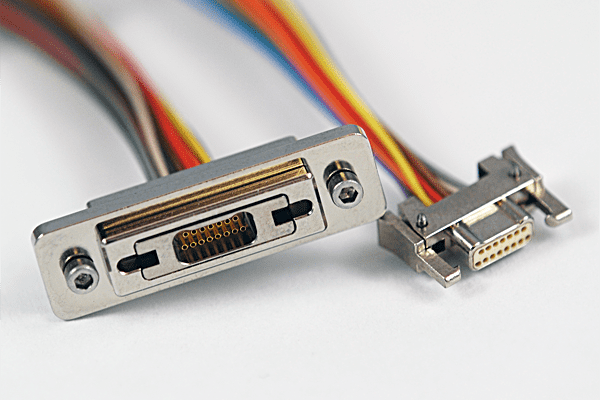
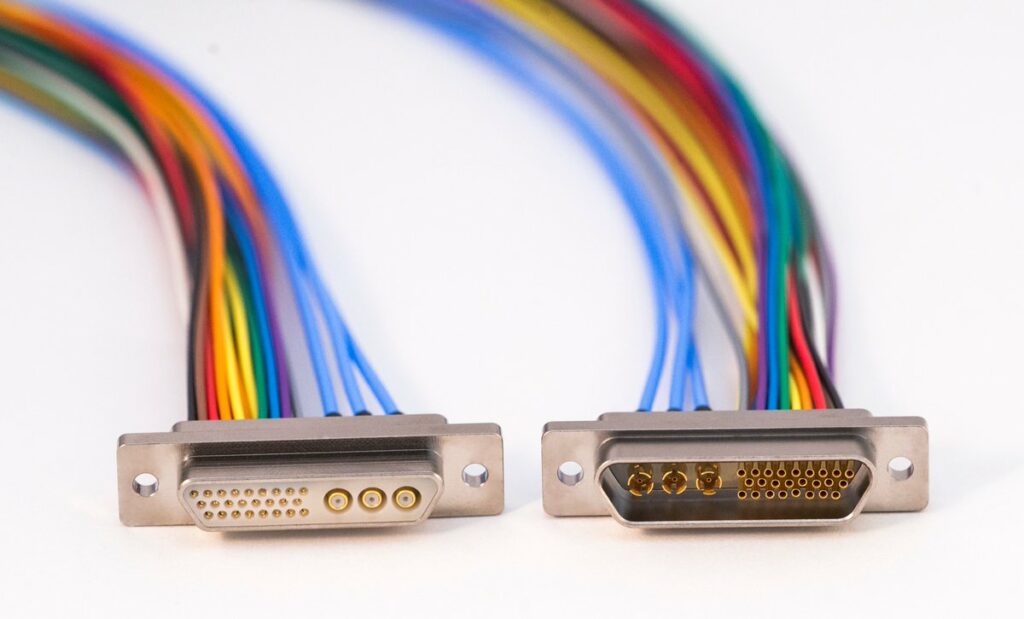
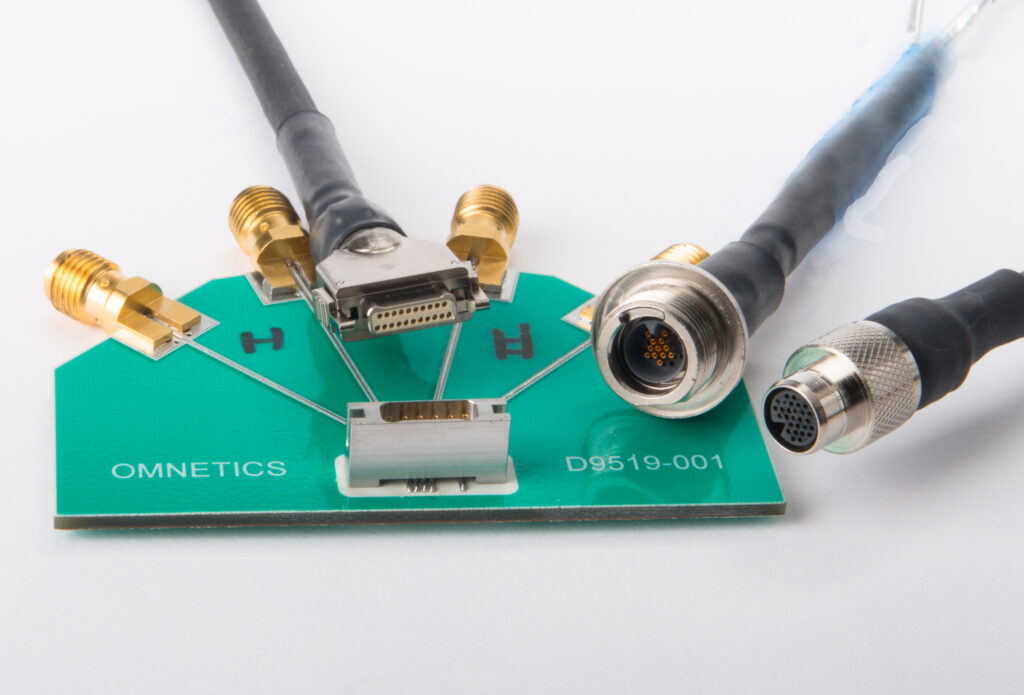
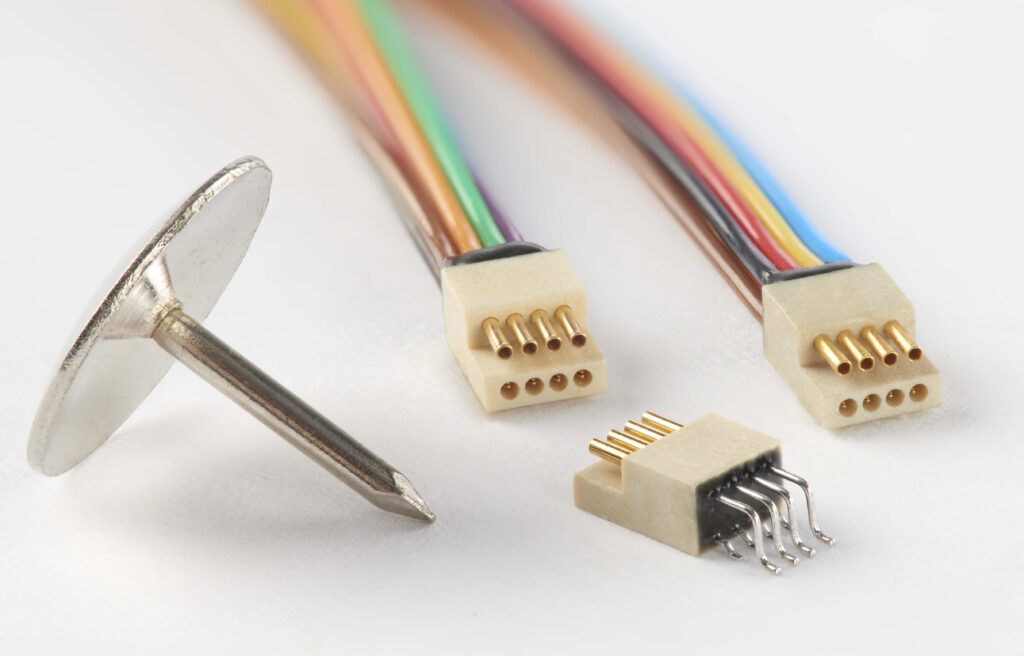
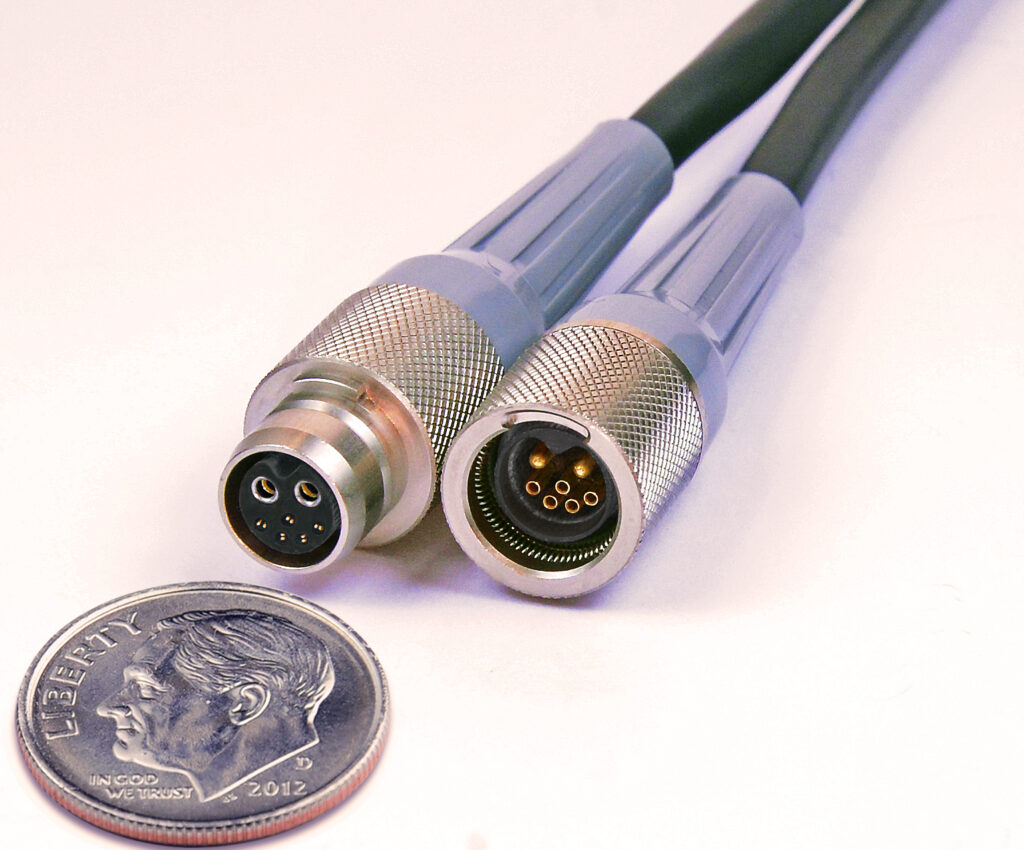
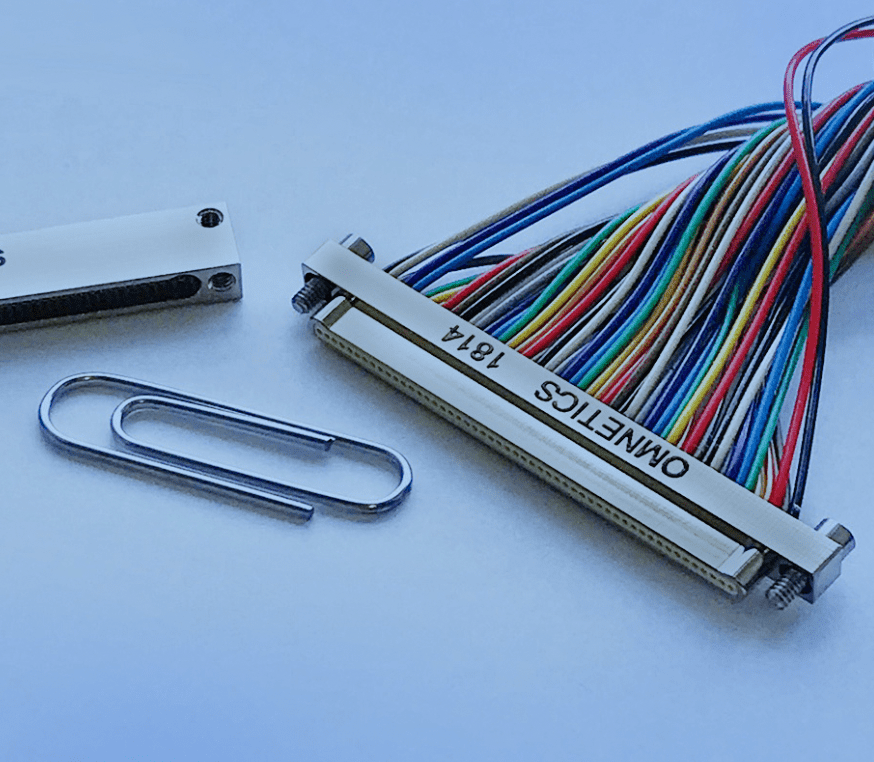
As IoMT adoption continues to expand, secure, compact, and reliable interconnection remains essential. Through its focus on ruggedised, multifunctional connector solutions, the company highlights the infrastructure requirements needed to support the growing role of connected technologies in modern defence operations. Its work includes micro miniature connector designs that support combined power and digital signal transmission within a single interface, along with signal integrity monitoring and test capability.
Visit the Omnetics Connector Corporation website for more information.