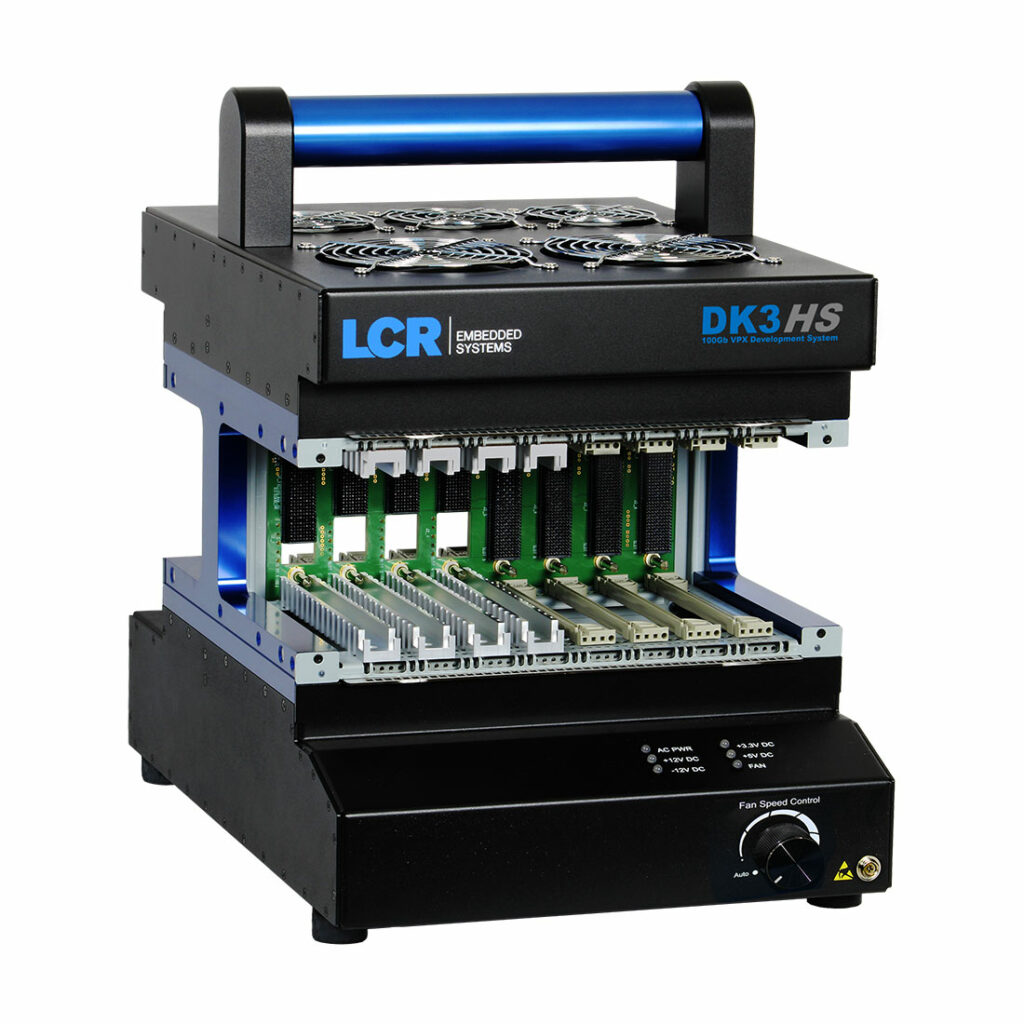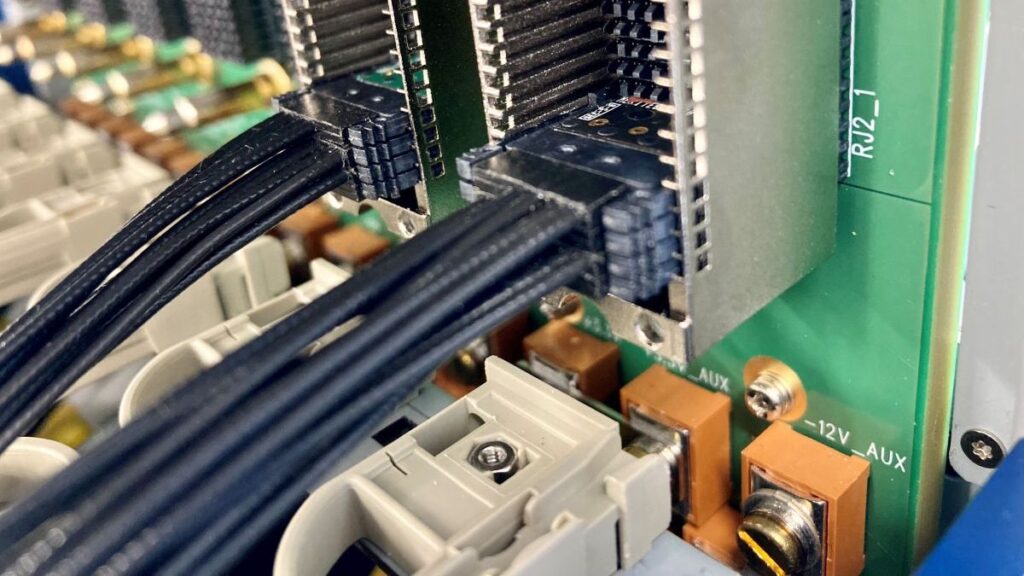
LCR Embedded Systems, in the article How Modular Chassis Design Facilitates Open Standards-based Computing, highlights how modular packaging plays a vital role in enabling faster deployment of rugged electronics across military applications.
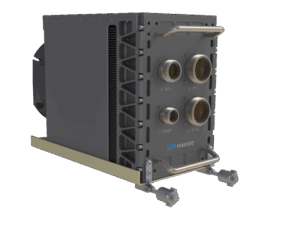
A modular design approach allow cost-effective, rapid chassis deployment that keeps pace with accelerated open standards-based system development.
The company explains how this approach aligns with the Department of Defense’s MOSA objectives and the drive for performance, affordability, and adaptability.
The article emphasizes the growing focus on modularity as a design principle, applied both to electronics and to system enclosures. By using standardized components and configurations, modular chassis solutions help reduce design time, material costs, and non-recurring engineering expenses. This approach supports faster development cycles and alignment with evolving technical standards.
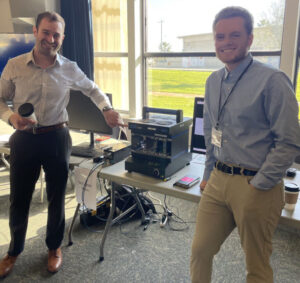
LCR at the February 2025 SOSA Plugfest, Beale AFB. The team was available to conduct chassis manager integration work and interoperability testing with several industry partners.
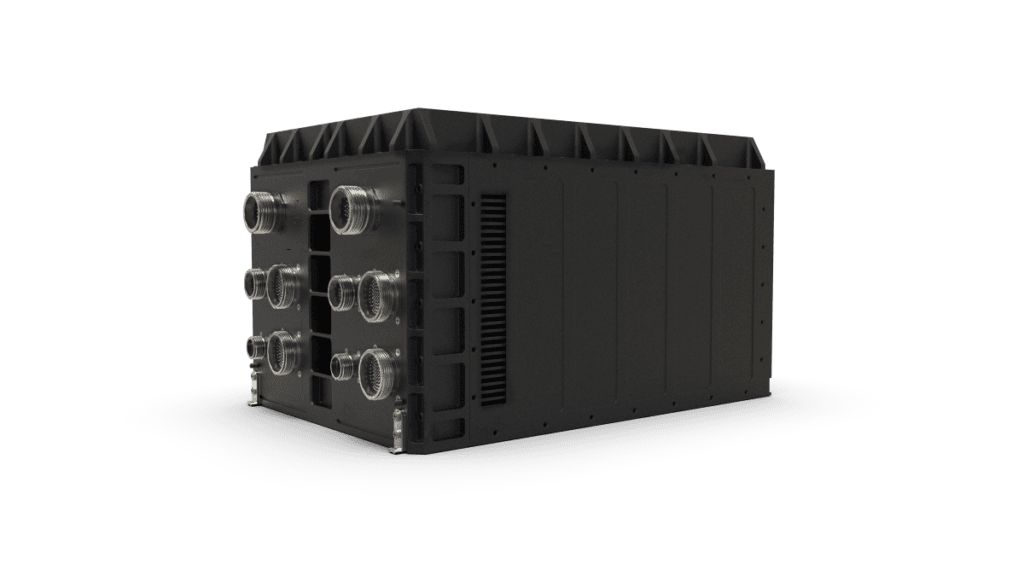
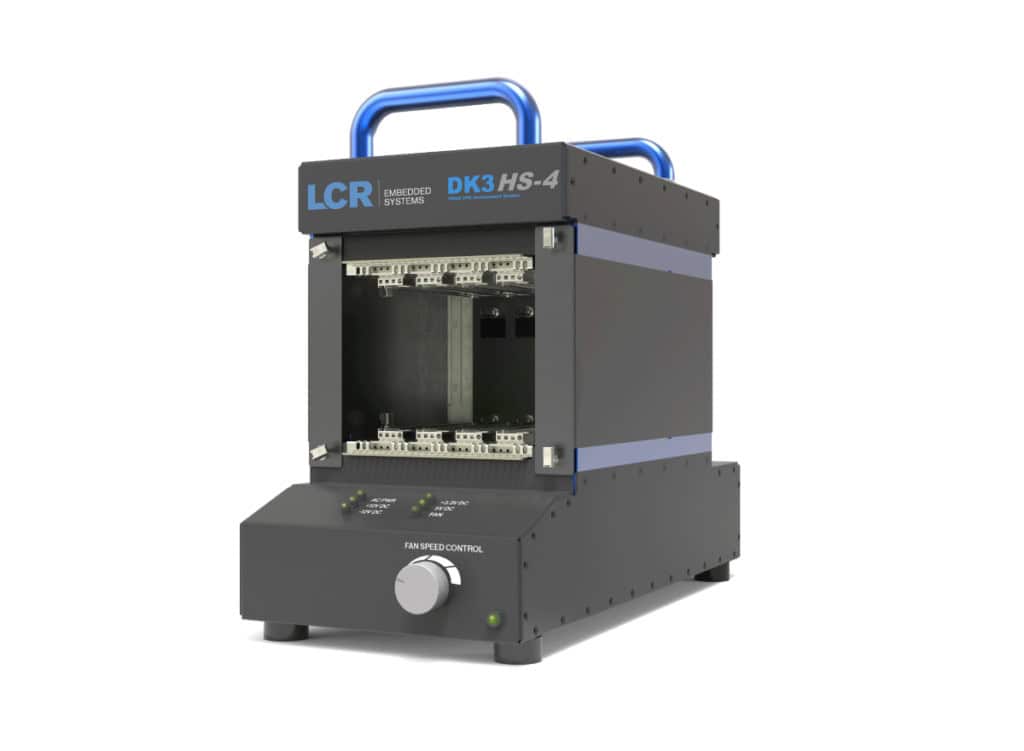
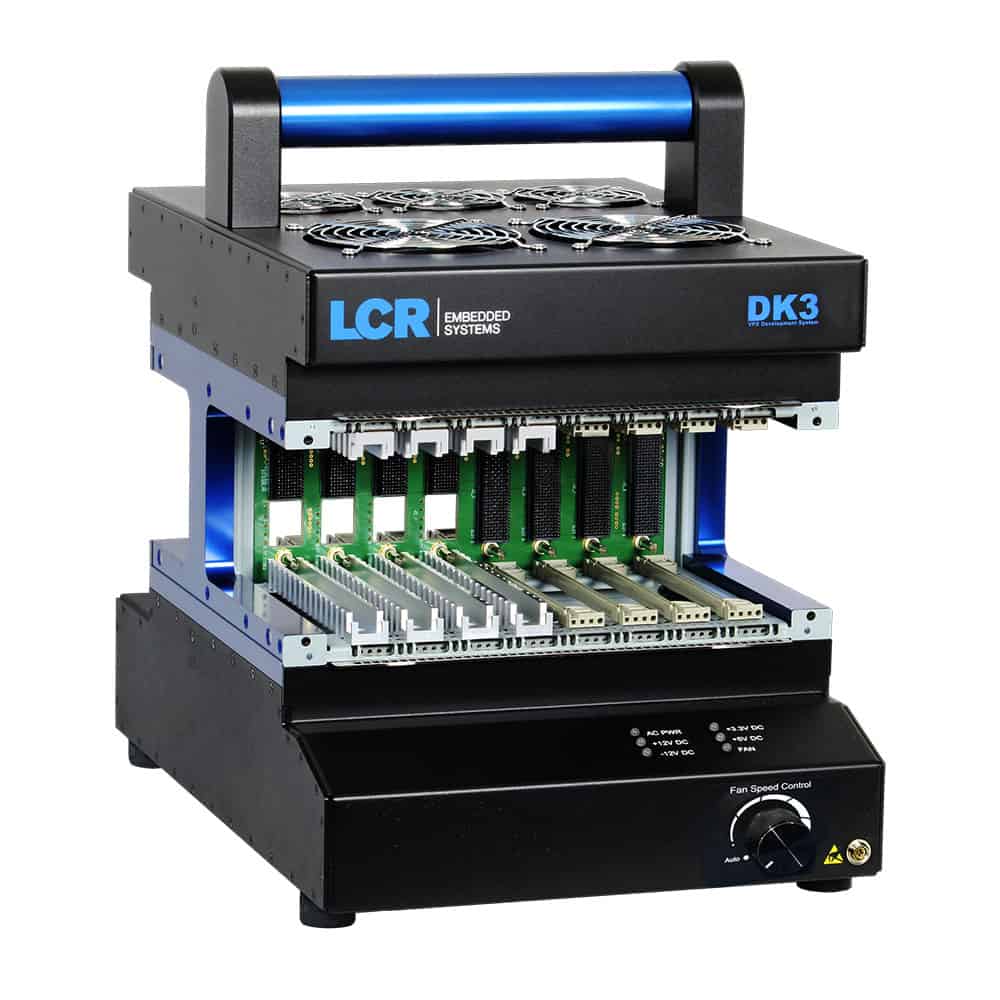
LCR’s approach includes field-proven designs compatible with VPX and SOSA aligned payloads, enabling rapid transition from concept to deployed system. Chassis designs reuse core elements while allowing configuration flexibility through customizable front panels and varied rear fan options.
Benefits of modular chassis design include cost efficiency, standardized infrastructure, mechanical adaptability, ease of maintenance, and improved thermal performance. These characteristics make it easier to scale, upgrade, and maintain systems in the field.
Modular designs are compatible with both OpenVPX and SOSA standards, supporting interoperable configurations across systems and platforms. This contributes to a more robust open standards ecosystem and enhances system longevity and operational flexibility in mission-critical environments.
Read the full article >>