
Honeywell Aerospace is developing technologies that align with the Golden Dome for America initiative, a homeland defense program created to strengthen protection against advanced missile and space-based threats. Read more >>
The company’s work in sensing, navigation, secure communications, and power systems reflects the capabilities identified within the initiative’s layered defense framework.
Evolving Threat Landscape
The existing U.S. Ground-Based Midcourse Defense (GMD) system was designed primarily to intercept intercontinental ballistic missiles (ICBMs). Today’s threat environment extends beyond that scope, with weapons that travel faster, maneuver unpredictably, and can be launched from diverse platforms, including sea-based systems, space-deployed assets, and autonomous technologies.
According to the Defense Intelligence Agency, the United States faces six principal categories of concern:
- Intercontinental Ballistic Missiles (ICBMs)
- Submarine-Launched Ballistic Missiles (SLBMs)
- Boosted Hypersonic Weapons, including Aeroballistic Missiles and Hypersonic Glide Vehicles (HSVs)
- Hypersonic Glide Bodies
- Aero-Ballistic Hypersonic Missiles
- Fractional Orbital Bombardment Systems
These capabilities are being actively developed by peer and near-peer adversaries, reinforcing the need to modernize national defense systems.
Golden Dome for America
Announced by Presidential Executive Order on January 27, Golden Dome for America is the most extensive homeland defense program undertaken in the nation’s history. Its objective is to provide a layered system capable of detecting, tracking, and countering a broad range of missile and space-based threats to the North American continent.
The initiative highlights the importance of adapting national defense strategies to evolving technologies, ensuring that responses remain timely, coordinated, and effective.
Honeywell’s Role
Honeywell technologies align with several elements of the Golden Dome conceptual architecture.
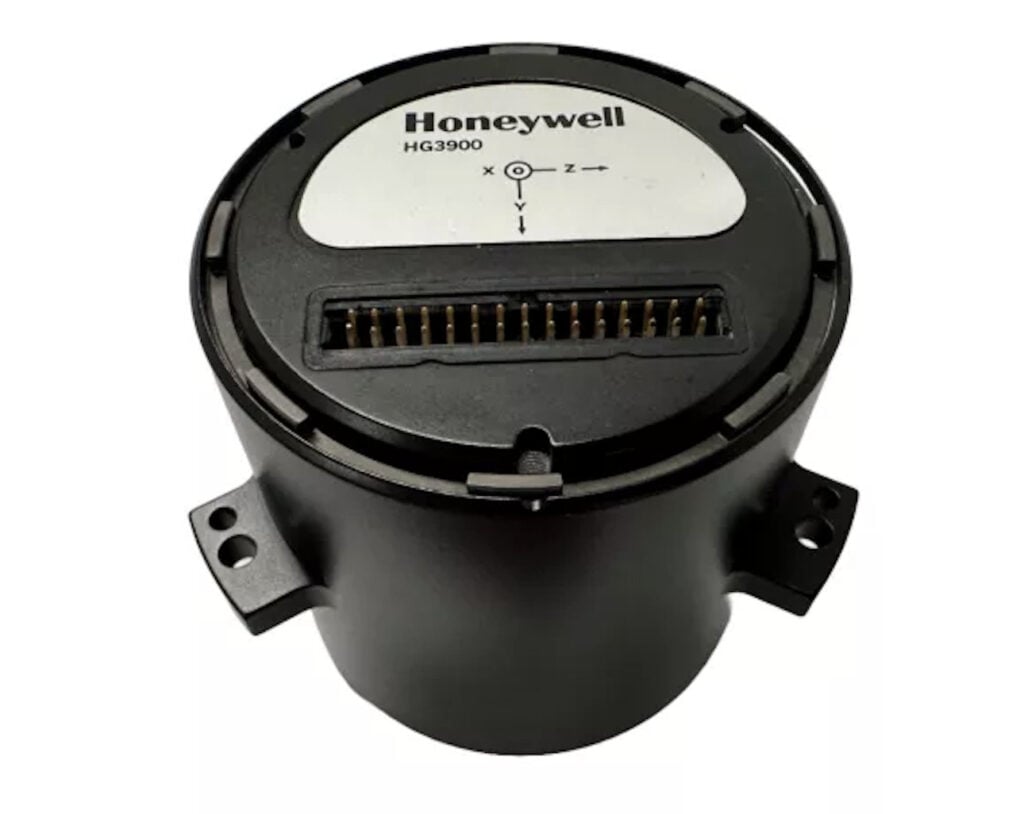
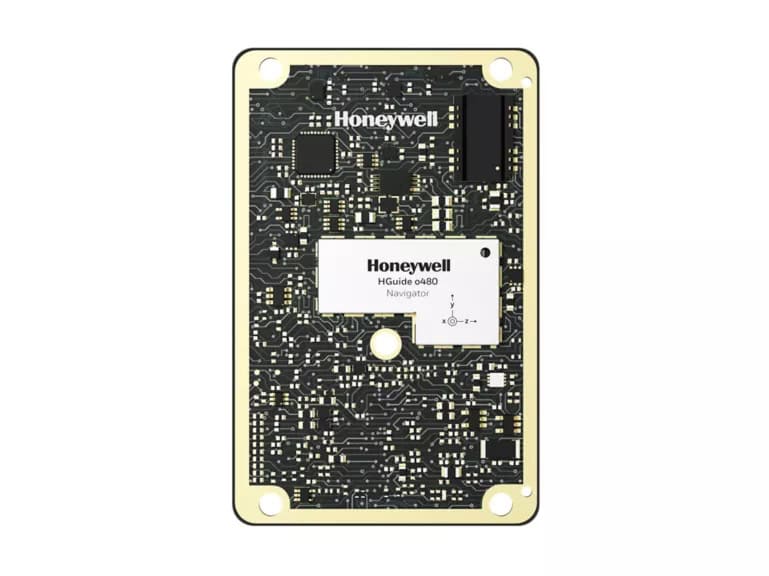
In the space domain, the company’s space-qualified sensors, inertial navigation systems, and star trackers provide accurate positioning and continuous situational awareness. These technologies are applicable to enhancing detection and tracking of advanced threats.
For defense effectors, Honeywell develops power systems, environmental control equipment, and targeting support solutions suitable for integration into operational platforms. These components are designed to support mission readiness and reliability under demanding operational conditions.
In the area of command, control, and communications, Honeywell offers secure communications and autonomy-enabling technologies. These systems are designed to strengthen joint all-domain operations by enhancing connectivity and ensuring interoperability across services and platforms.
The company is also advancing thermal and power systems that could support directed energy applications and boost-phase interceptors. These capabilities address the emerging challenge of hypersonic and orbital threats, which require rapid and dependable countermeasures.
National Imperative
Golden Dome for America represents a critical step in adapting homeland defense to current and future challenges. The program depends on technologies that provide precision, resilience, and interoperability across domains. Honeywell’s aerospace systems align with these mission requirements, supporting the envisioned architecture as the United States strengthens its defenses against emerging threats.