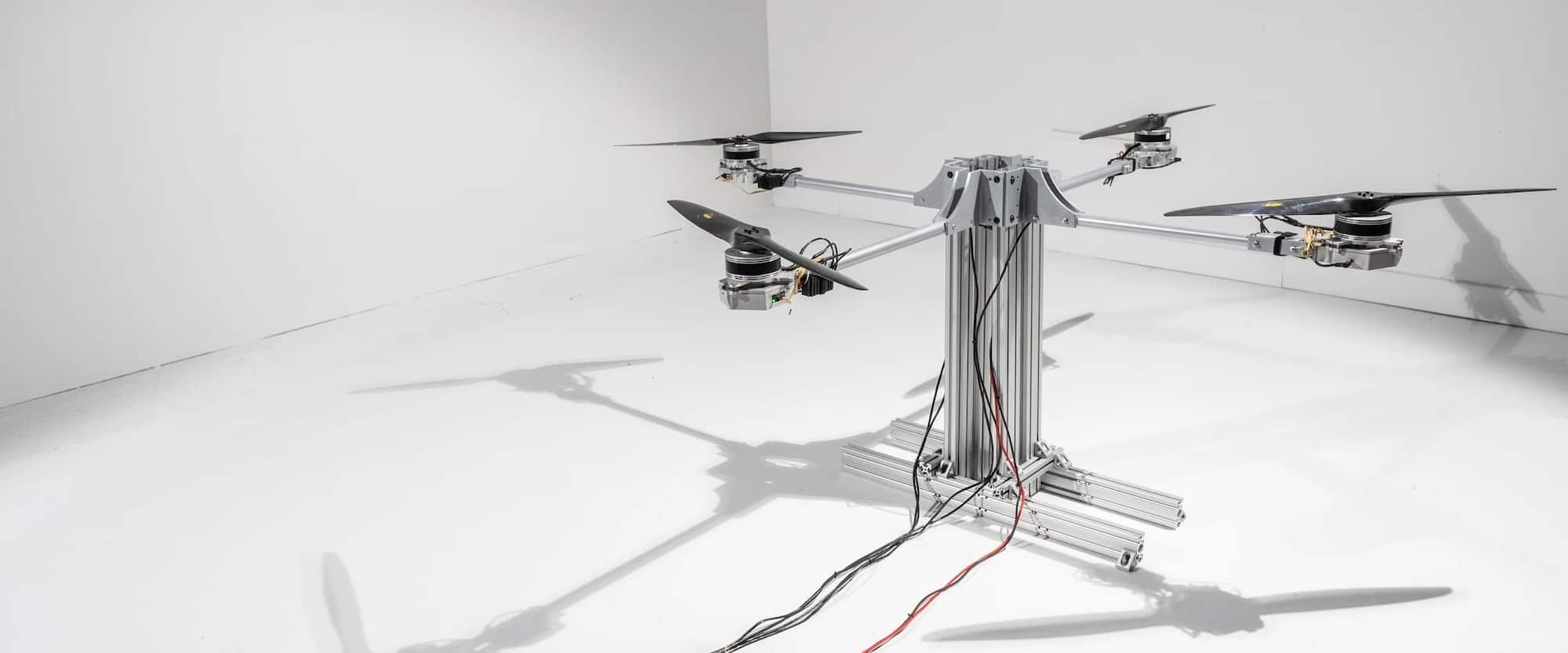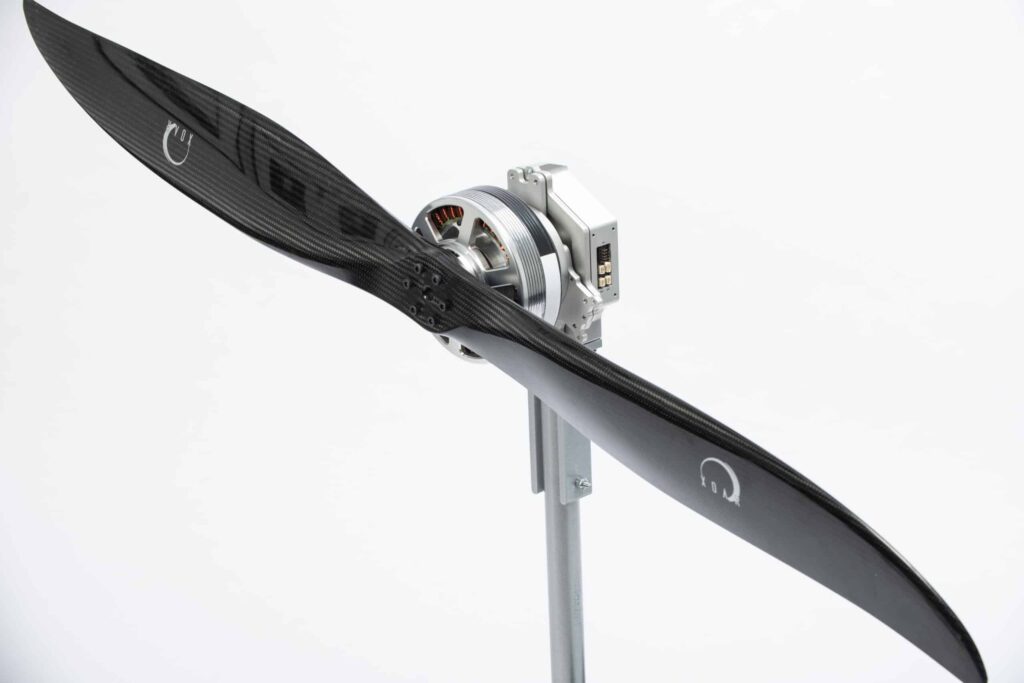
Tyto Robotics has investigated whether single-blade propellers live up to their theoretical efficiency advantage over two-blade designs. Read more >>
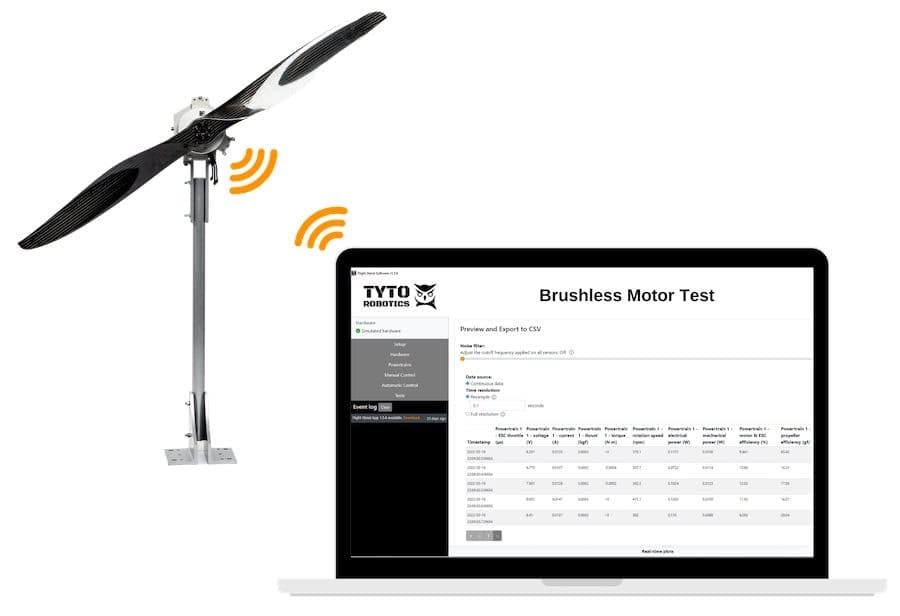
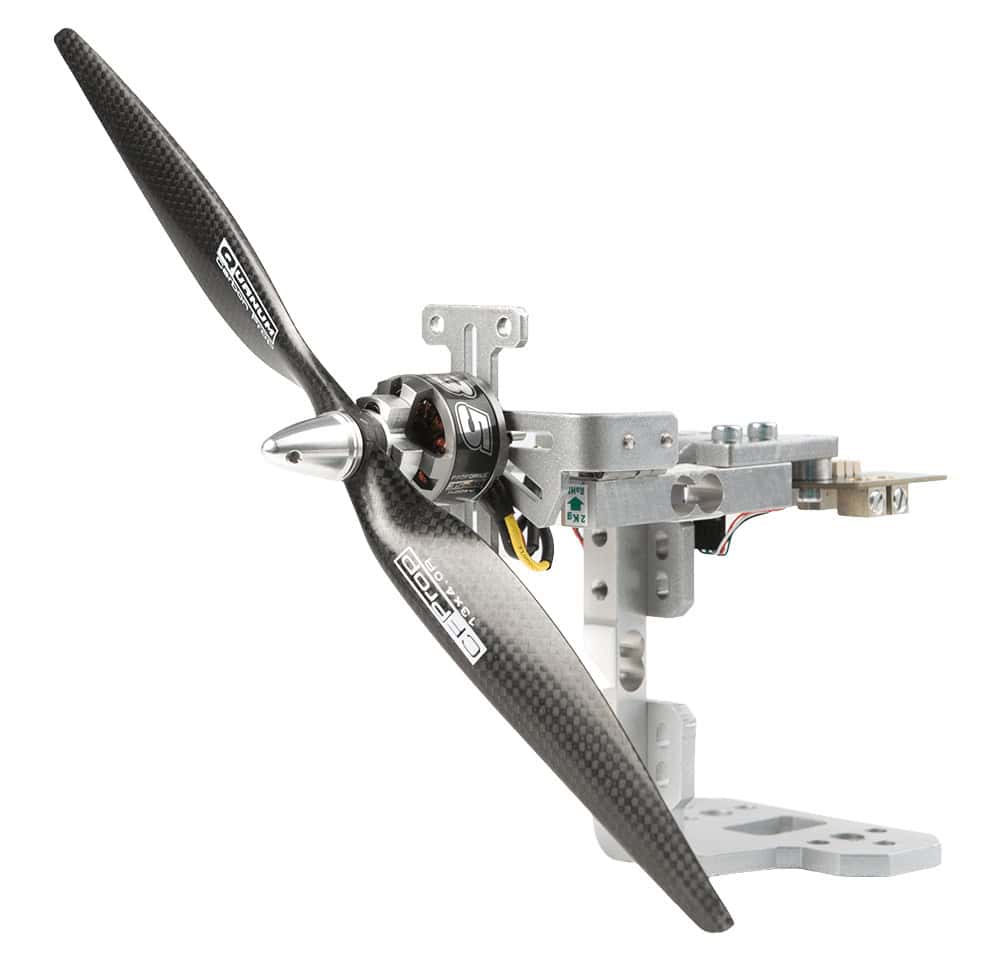
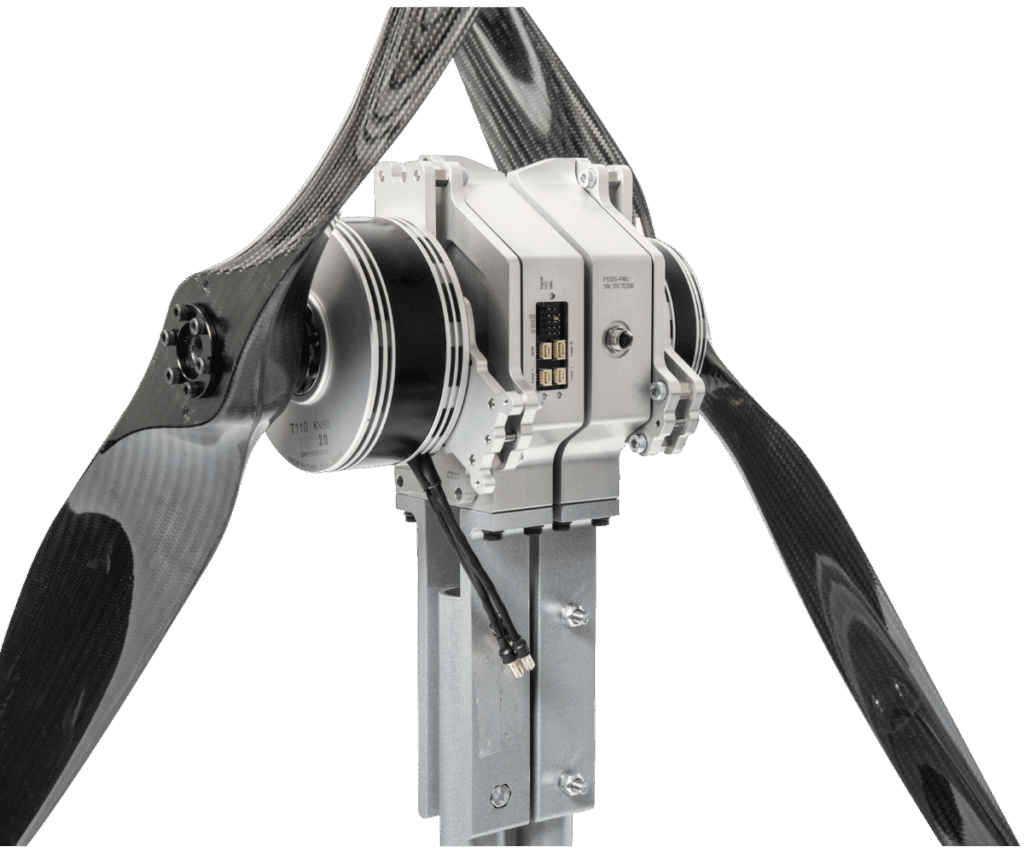
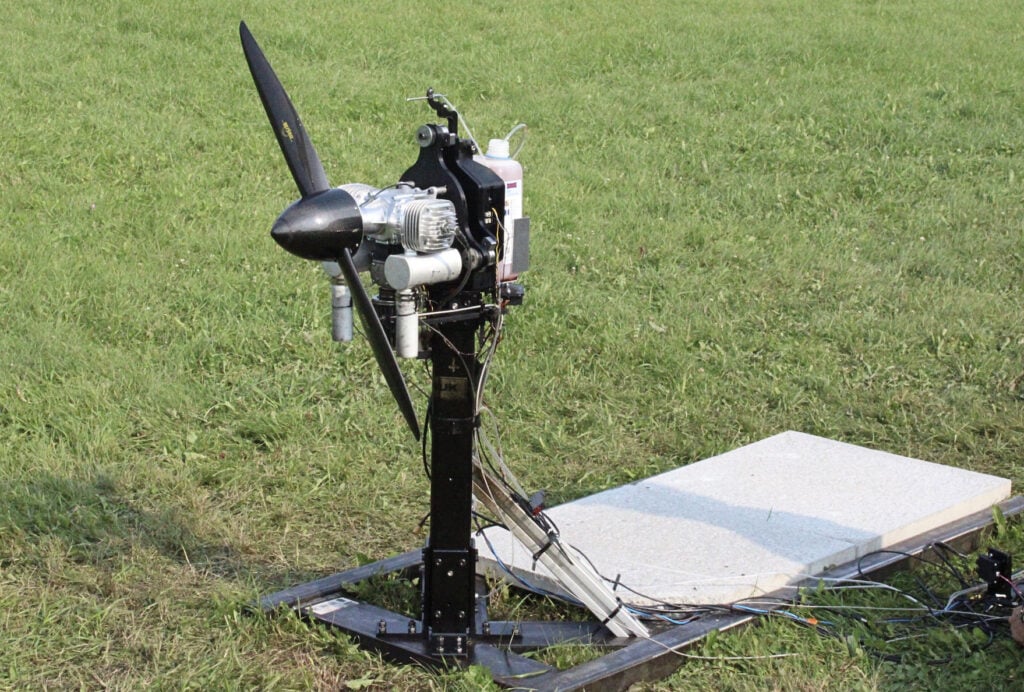
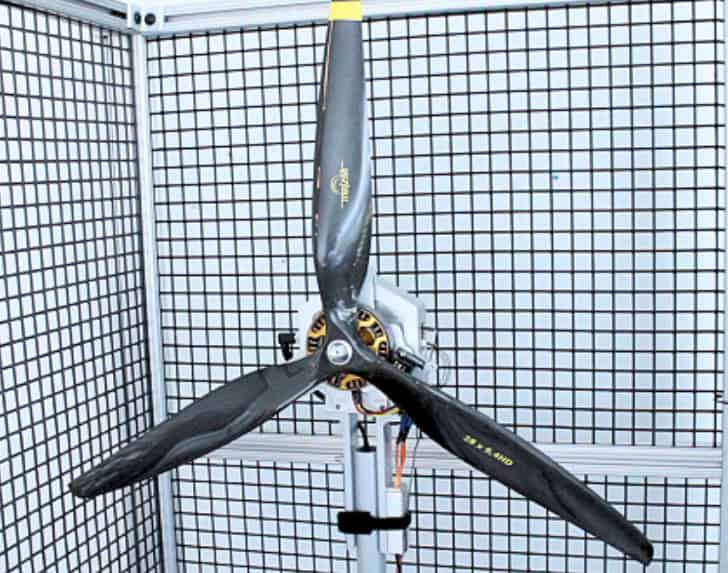
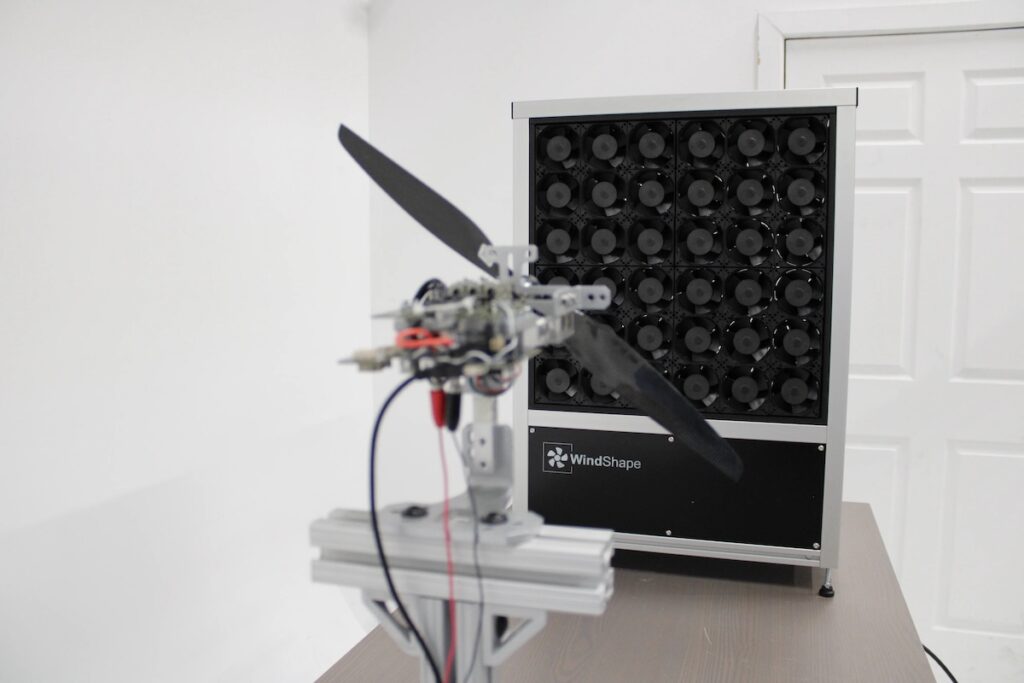
Using the company’s Flight Stand 15, engineers compared a modified single-blade propeller with an unaltered two-blade version of the same make, analyzing thrust, efficiency, and vibration across a range of RPMs.
The tests confirmed that the single-blade propeller demonstrated higher propeller efficiency at lower thrust outputs, supporting aerodynamic theories about reduced tip vortices and undisturbed airflow. However, this benefit was limited to low-thrust conditions. When results were compared at equivalent thrust levels, the efficiency advantage diminished.
Meanwhile, the two-blade propeller consistently delivered greater thrust and achieved higher overall powertrain efficiency across all tested RPMs, primarily due to better motor and ESC efficiency. The single-blade configuration also required a counterweight, adding mass that did not contribute to lift and likely increased drag, while producing higher vibration levels. These factors, combined with balancing challenges, restrict the practicality of single-blade propellers in most drone applications.
While the experiment largely aligned with aerodynamic theory, it also revealed trade-offs that limit the real-world benefits of single-blade propellers. The full article delves into the influence of counterweight design, confounding factors, and potential refinements that could change future results.
Read the full study to uncover the detailed findings and their implications for propeller design.