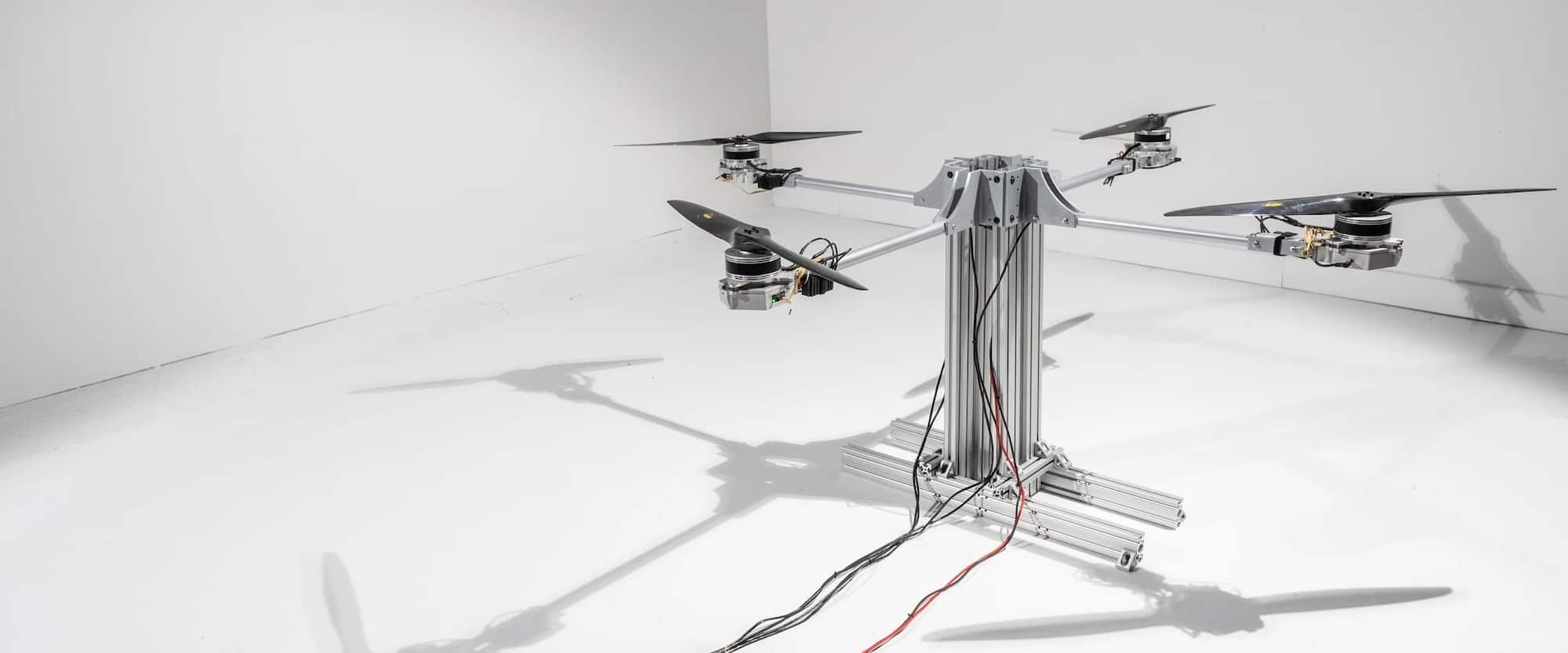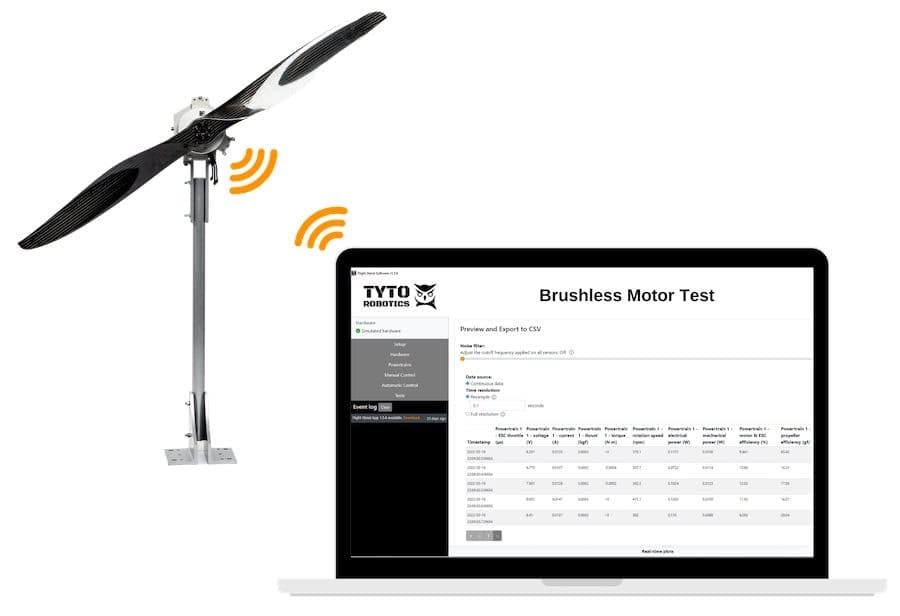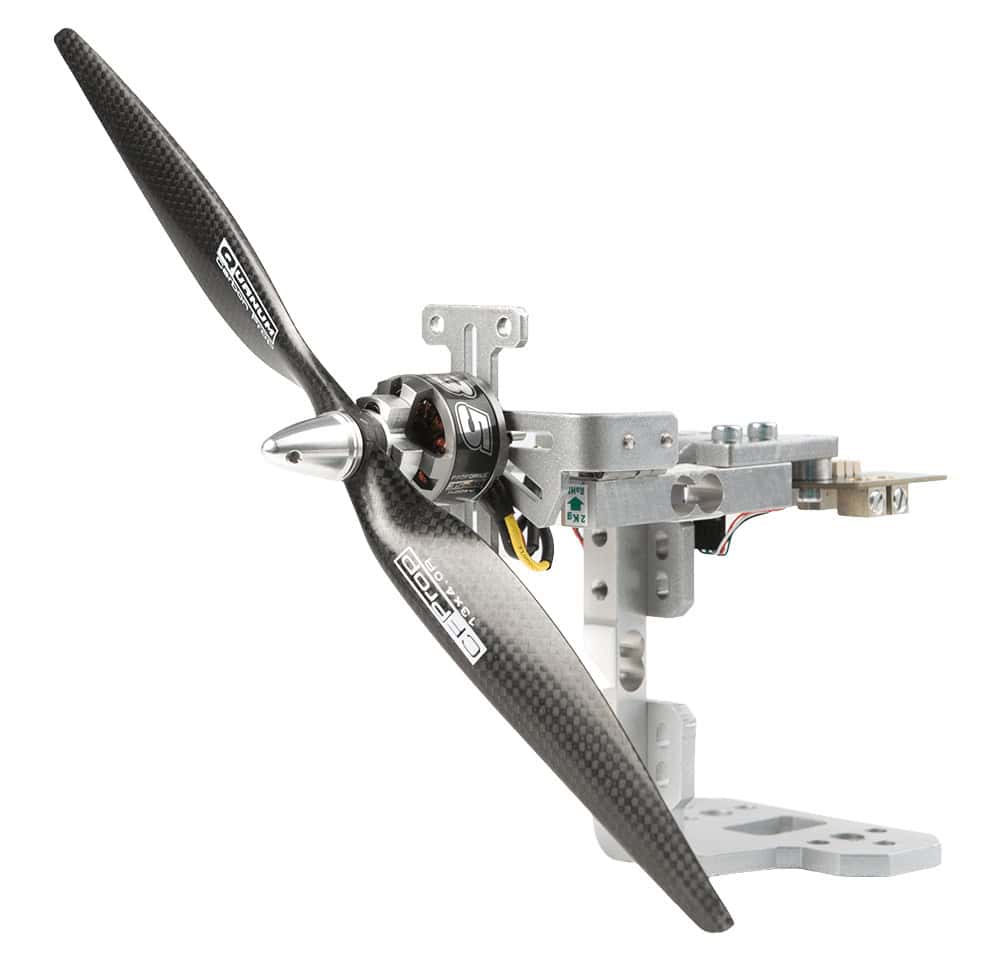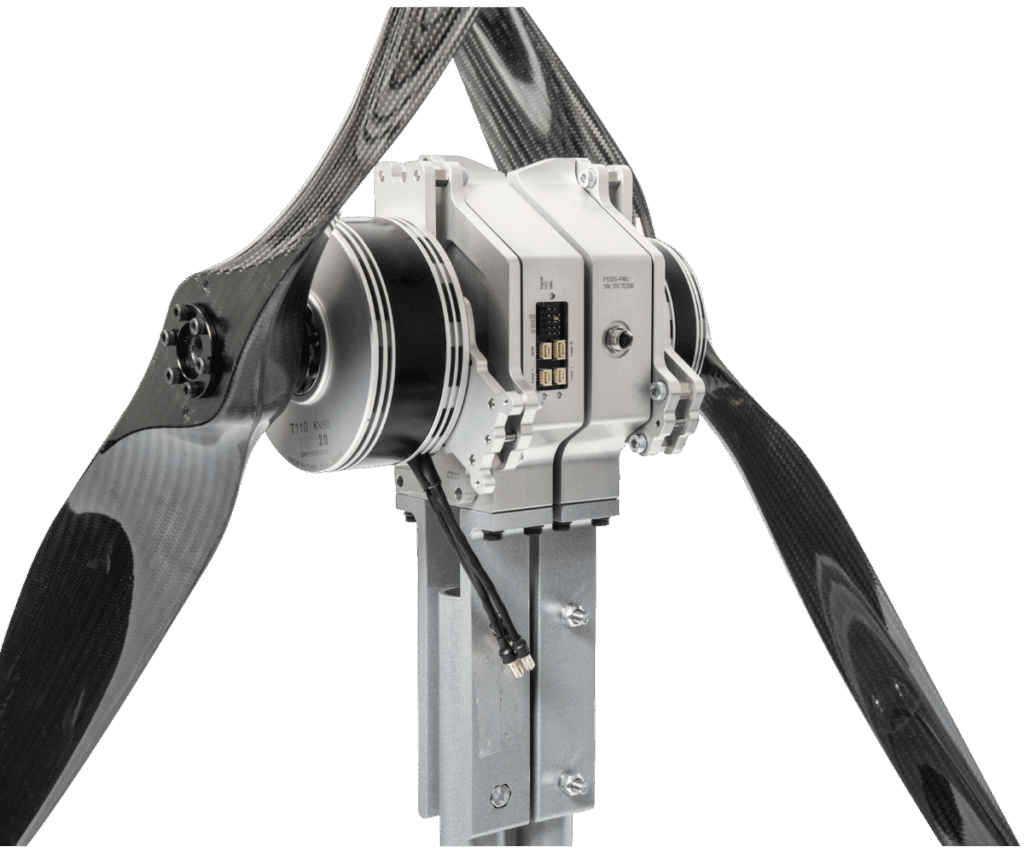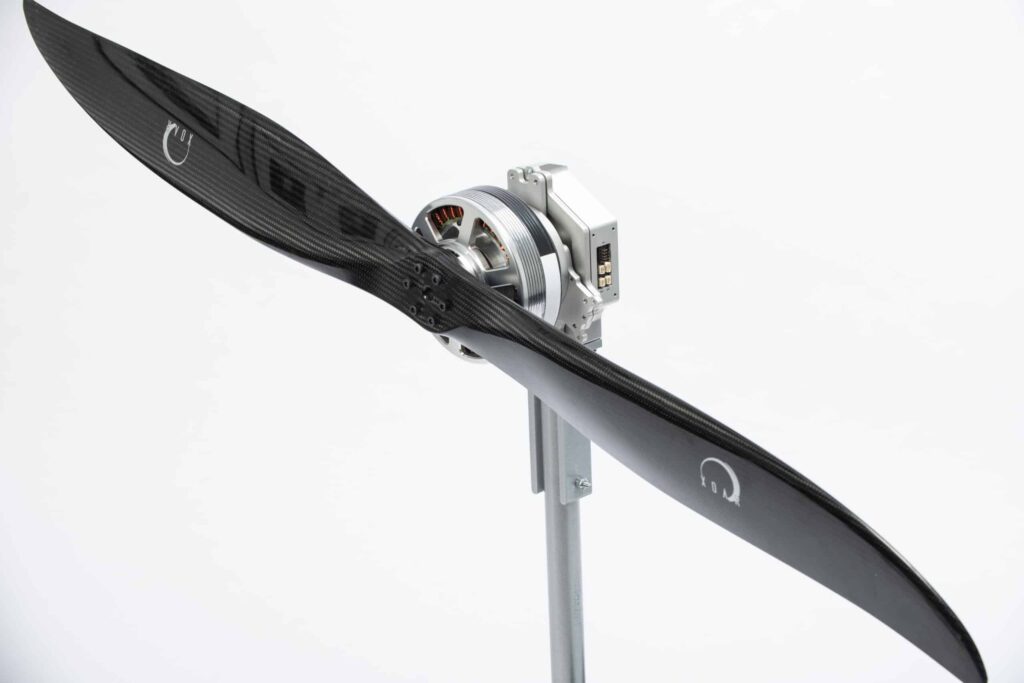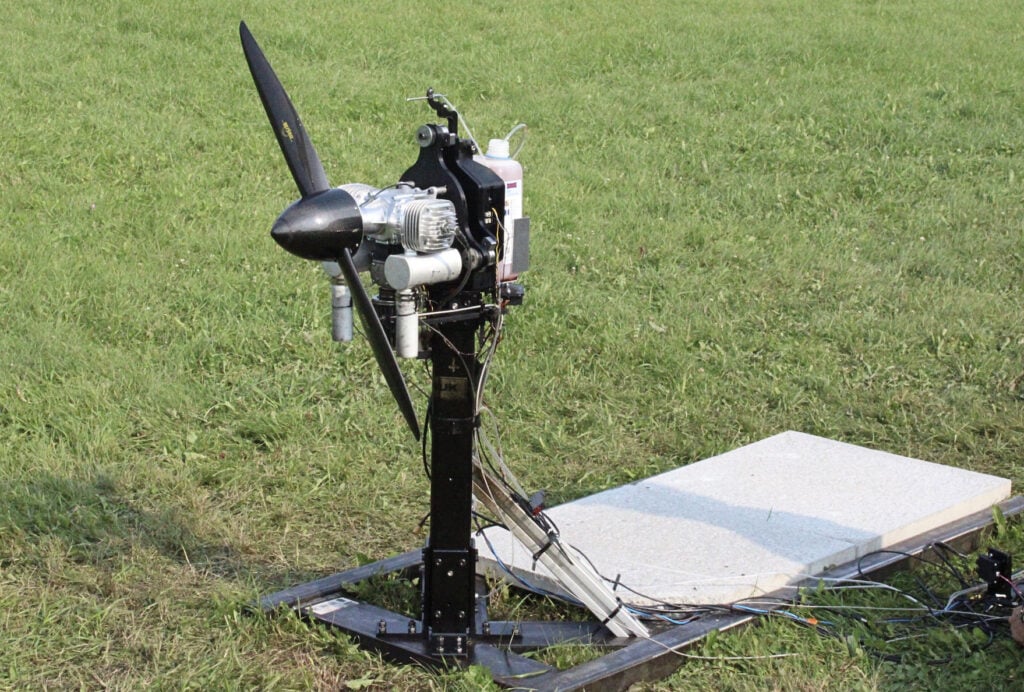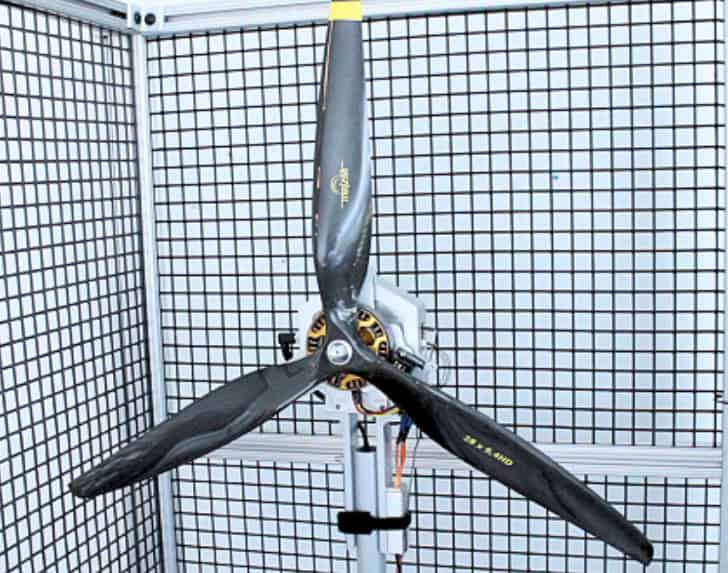

Tyto Robotics highlights the growing challenge of Electromagnetic Interference (EMI) in drone propulsion testing, particularly in high-power environments where motors, ESCs, and sensitive measurement systems operate simultaneously.
EMI often manifests as intermittent disruptions rather than consistent faults, making it difficult to diagnose without a structured and methodical approach.
Common sources of EMI include propulsion components, test equipment, and environmental factors within the test setup. These interference sources can couple into signal lines and control systems, leading to unreliable data or test interruptions.
Effective mitigation typically begins with passive techniques. These include optimizing wiring layouts by separating power and data lines, eliminating ground loops, improving grounding strategies, and integrating ferrite beads or EMI filters at key connection points. Mechanical isolation of components can also reduce noise coupling in certain setups.
When passive methods are insufficient, active mitigation techniques provide additional protection. Ground isolation using devices such as optocouplers can effectively decouple sensitive electronics from noisy power systems.
Ultimately, combining systematic EMI measurement with both passive and active mitigation strategies enables more stable, repeatable, and reliable drone propulsion testing outcomes.
Read How to Reduce EMI in Drone Testing – Mitigation Techniques on the Tyto Robotics website.