



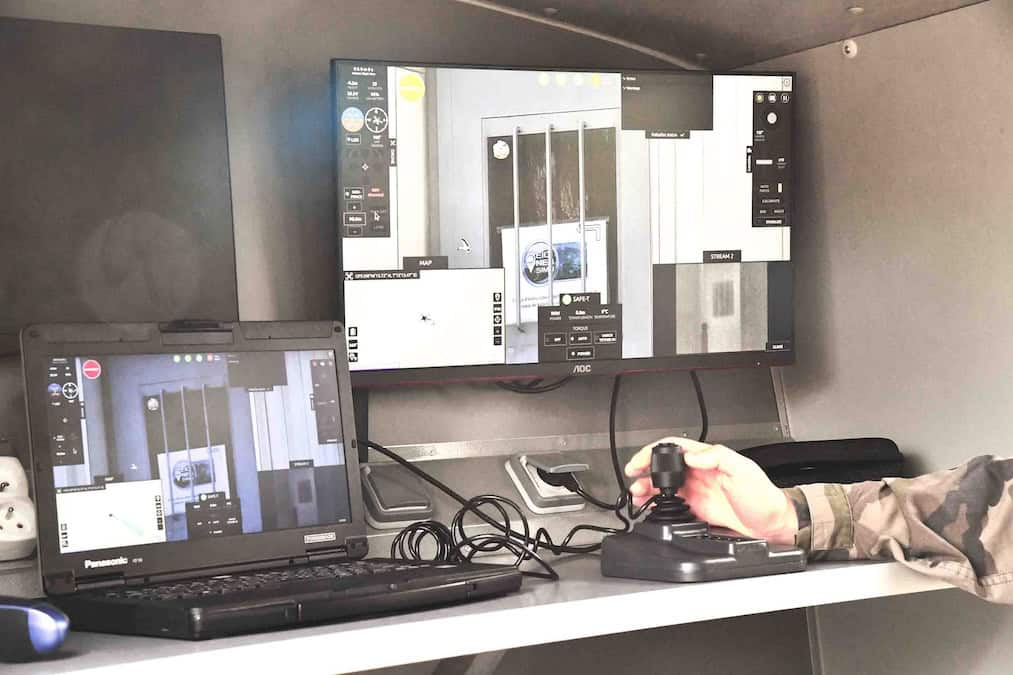
As a cutting-edge developer of tethered drone solutions for mission-critical applications, Elistair knows firsthand what skills are required to be a successful sensor operator for tactical drones.
Elistair’s tethered drone solutions are designed to provide reliable, long-endurance intelligence, surveillance, and reconnaissance (ISR) capabilities. The sensor operator, also known as the drone camera operator, of tactical drones plays a central role in mission success, delivering actionable intelligence to commanders in real time.
Tactical drones can carry a wide range of payloads. Operating them effectively requires technical expertise, tactical skills, and structured methods to plan missions, gather intelligence, analyze maps, and communicate findings. By delivering situational awareness to the chain of command, the operator plays a key role in supporting decision-making.
Equipment & Payloads
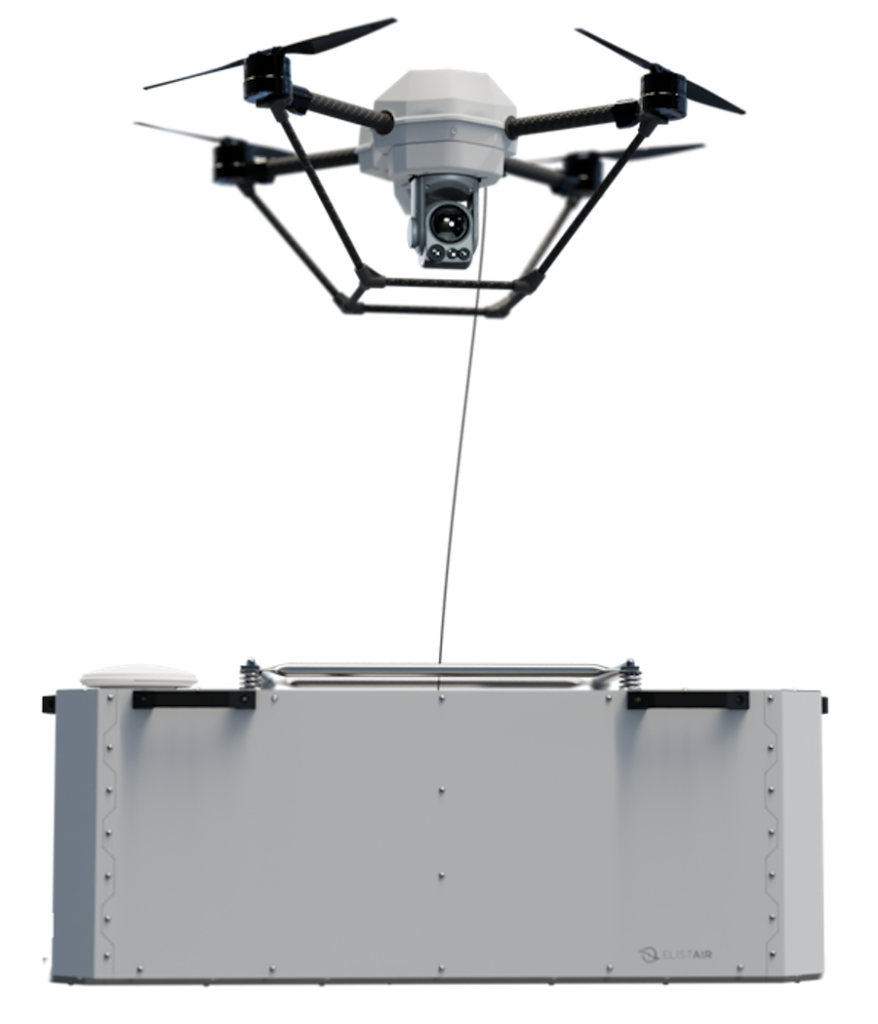
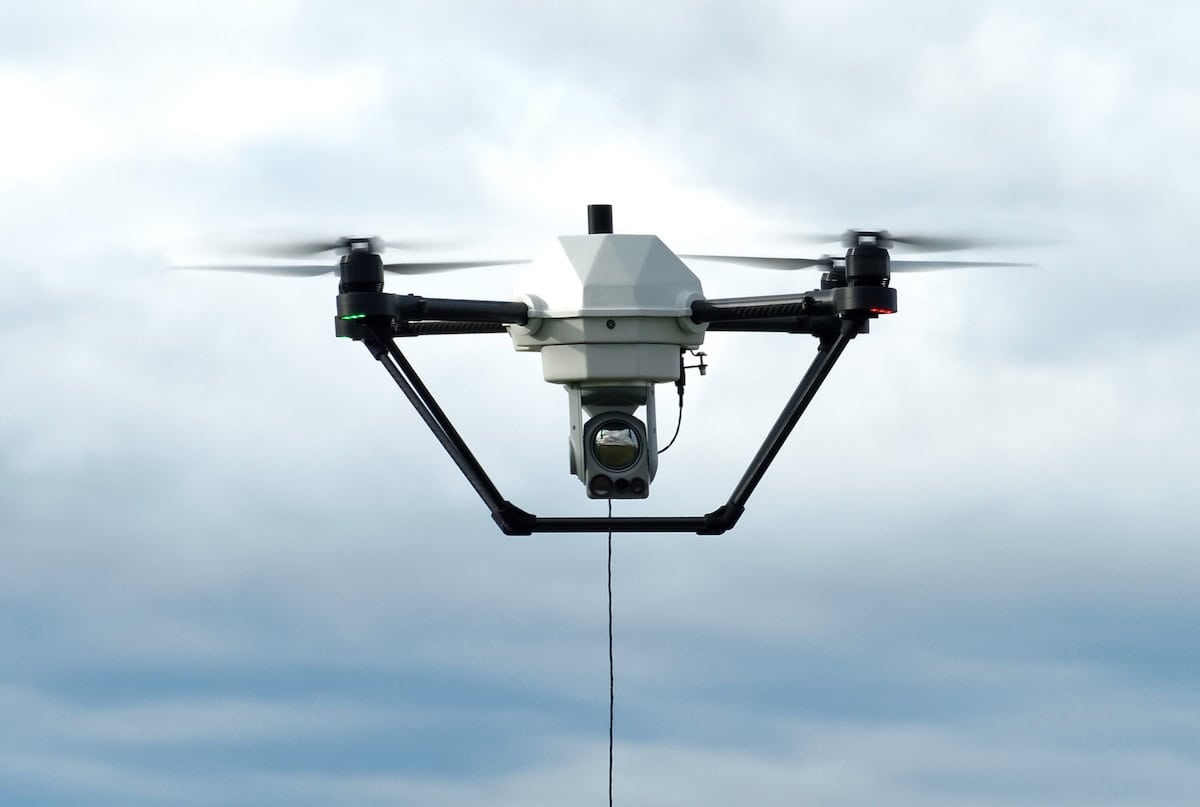
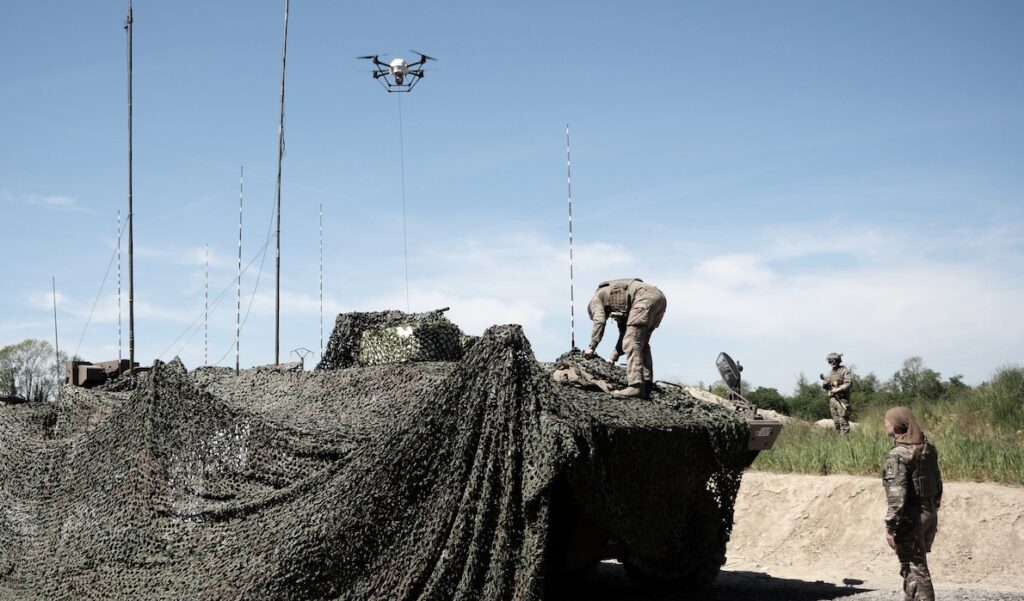
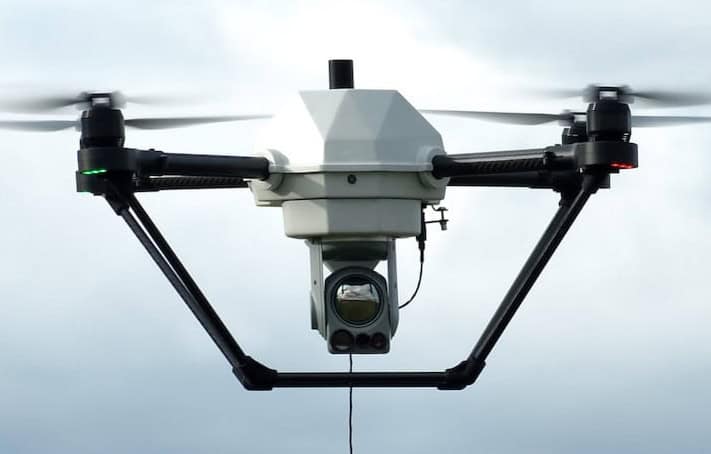
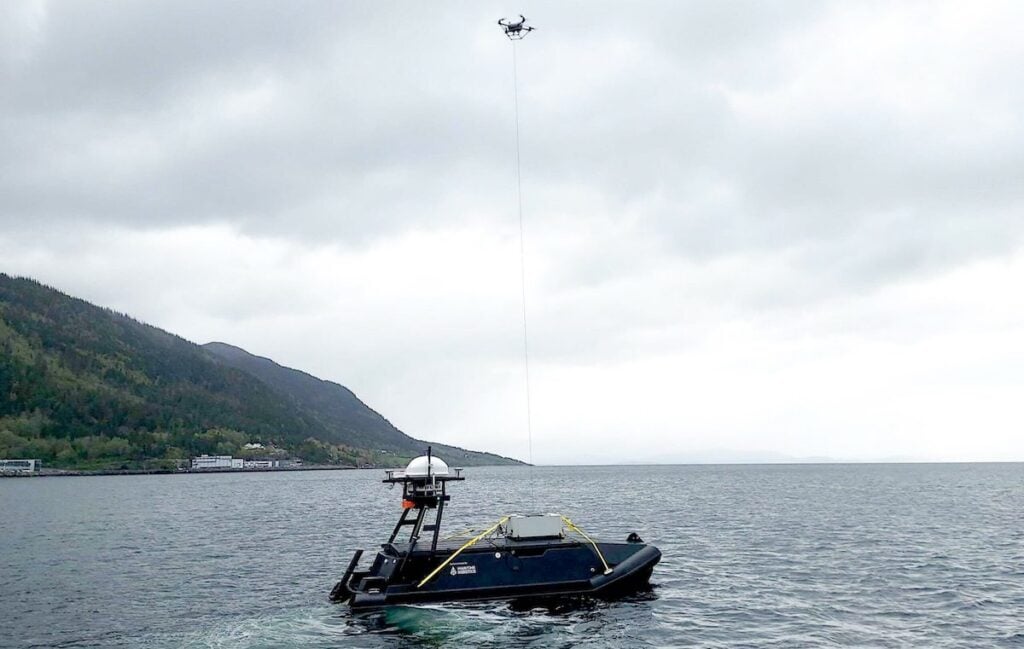
Khronos tethered-drone system by Elistair
ISR drones offer significant advantages as they seamlessly interface with battle management systems or command and control centers, facilitating rapid and clear communication. As ISR assets, they collect and distribute actionable intelligence at the unit level. Increasingly, decentralized networks enhance these capabilities, allowing efficient coordination and information sharing across multiple units.
Automated surveillance drones and cameras capable of routine patrols improve efficiency and reduce team size. By executing predefined patterns autonomously, tactical drones act as a force multiplier, allowing personnel to focus on higher-level tasks. With the right software and networks, captured data can be delivered quickly to the chain of command, where timely intelligence often determines mission success.
Skills for the Role
The sensor operator is central to the success and effectiveness of a tactical drone mission, requiring careful consideration of several key factors during preparation.
The mission must outline specific objectives that the operation seeks to achieve. Additionally, the type of mission at hand, be it reconnaissance, site protection, border surveillance, or aerial support, significantly impacts execution of the operation. The sensor operator must determine the specific data needed to ensure that all collected information supports the mission objectives.
The drone camera operator must account for various environmental factors, such as luminosity levels, lights, and prevailing weather conditions. Understanding these elements enables the operator to optimize the camera’s settings and adapt them to the specific context, ensuring reliable and accurate data acquisition.
Comprehensive knowledge of the operational area, including terrain and potential threats, is essential. This work is carried out closely with the army drone operator, as it influences the choice of drone platform (fixed-wing, multirotor, tethered), sensors, flight plan, sensor routines, and required personnel. Ideally, pilots and the operator work in the same location to ensure seamless communication.
A solid understanding of maps and geolocation supports accurate navigation, pattern analysis, and the identification of enemy routes. Operators must also track the drone’s heading, attitude, and field of view, while accounting for thermal crossover in IR operations.
Strong communication skills are essential for coordination and deconfliction with larger aircraft or other operational entities. The sensor operator must effectively communicate and maintain situational awareness within the airspace, ensuring the safe and efficient operation of the drone. Clear communication between the UAV team, the chain of command, and other operational units is crucial to the effectiveness of any mission.
In-depth knowledge of sensor capabilities and limitations is critical for optimizing performance, avoiding issues such as gimbal lock, and applying geo-referencing to improve accuracy. Missions may allow only one chance to capture essential intelligence, so realistic training is required to build the focus, confidence, and skills needed to perform effectively under pressure.
Sharing the Cognitive Burden with AI
Operators must quickly distinguish relevant targets from background noise, identify unusual activity, and maintain situational awareness. Advances in Artificial Intelligence and analytical software can help reduce the cognitive burden on the drone camera operator and automate this process.
Sensor operators face the challenge of fatigue during long missions, especially with tethered drones that can remain airborne for up to 50 hours. Sustaining focus over such periods is difficult, making AI support essential. Automated detection and categorization of vehicles and people reduce workload by highlighting key alerts and minimizing cognitive strain. The AI system assists the operator by identifying and highlighting specific alerts generated by the software. This allows them to focus on critical information while minimizing cognitive overload. Standby shifts should be limited to four hours, with pilot–operator pairs alternating roles to manage workload and fatigue.
By mastering these skills and leveraging the right tools, tactical drone sensor operators can deliver accurate intelligence that directly shapes mission outcomes and battlefield success. Find out more on the Elistair website.