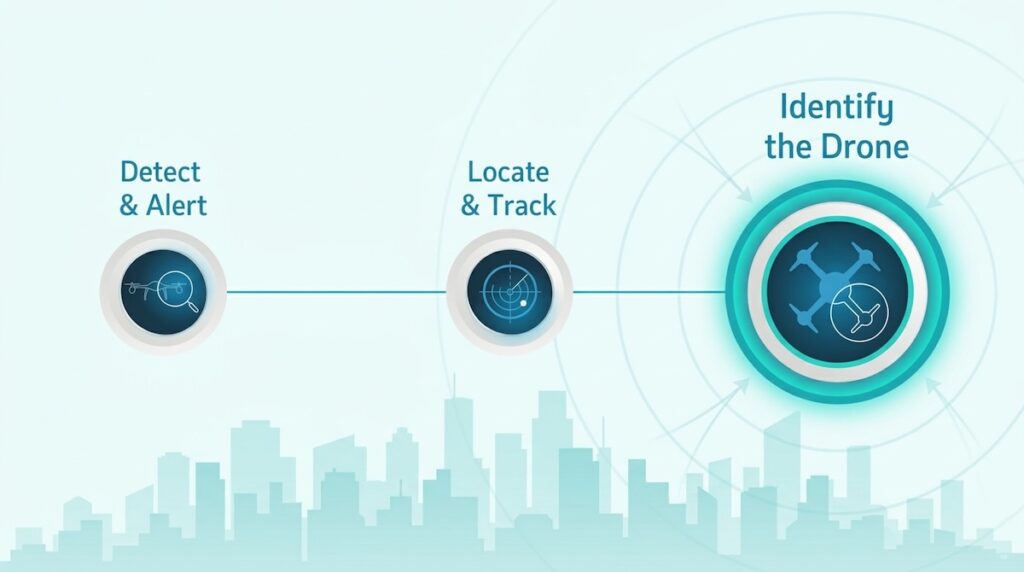
D-Fend Solutions examines why accurate drone identification is a critical component of detection, tracking, and identification in modern counter-UAS operations. It also considers how advanced identification capabilities can distinguish authorized activity from potential threats and support informed, risk-based responses. Read more >>
Detection, tracking, and identification (DTI) are fundamental elements of modern counter-UAS airspace security. Detection establishes the presence of a potential threat, while tracking maintains awareness of a drone’s position and movement as an incident develops. Identification provides the additional information needed to understand the nature of the drone activity and determine an appropriate response.
This capability is particularly important in environments where unauthorized aircraft may operate alongside approved drones conducting logistics, inspection, public safety, and other legitimate missions. Reliable identification enables operators to differentiate between authorized and unauthorized drones within these mixed-fleet environments.
Although detection, tracking, and identification are sometimes considered separate functions, they operate as an interconnected framework. Detection enables tracking, tracking provides context for identification, and accurate identification supports informed operational decisions.
Advanced C-UAS platforms can integrate these functions through sensor fusion and RF cyber-based insights. However, identification may receive less attention than detection and tracking despite its importance to effective counter-drone operations.
Identification Limitations of Counter-UAS Technologies
Several technologies commonly used in counter-UAS deployments, including radar, radio frequency/direction finding (RF/DF), electro-optical/infrared (EO/IR), and acoustic systems, have inherent limitations when identifying drones.
Radar can provide long-range aerial threat detection, but legacy systems developed primarily for military and aviation applications often encounter difficulties when tracking small unmanned aircraft systems (sUAS) because of their size.
Technologies such as Electronically Scanned Array (ESA) and Micro-Doppler have been incorporated to improve sensitivity. However, differentiating small drones from other airborne objects, including birds, can remain challenging, potentially generating false positives and affecting system reliability.
EO/IR sensors are generally activated by another detection technology, such as radar. These systems depend on a clear and direct line of sight, which may be difficult to maintain in dense, crowded, or urban environments.
Acoustic systems identify sound signatures generated by drones and their motors before comparing them with libraries of known acoustic profiles. Airports, urban centers, outdoor stadiums, and arenas can generate substantial background noise that obscures drone sounds, limiting the ability of acoustic systems to provide consistent identification.
Establishing Effective Drone Identification
An effective counter-drone identification capability should provide operators with detailed information about detected aircraft. This includes obtaining unique identifiers such as drone make, model, and serial number, as well as deriving and interpreting distinctive drone communication attributes.
Systems should also be capable of identifying modified or tampered drones, reading Remote ID information without relying exclusively on it, and differentiating authorized aircraft from unauthorized activity. Together, these capabilities establish a benchmark for identification within C-UAS deployments.
Advanced RF cyber-based solutions provide another approach to drone identification. Passive, continuous scanning can detect the distinctive communications of commercial drones while minimizing false positives and reducing operator workload. Following detection, individual drones can be classified and tagged as authorized or unauthorized.
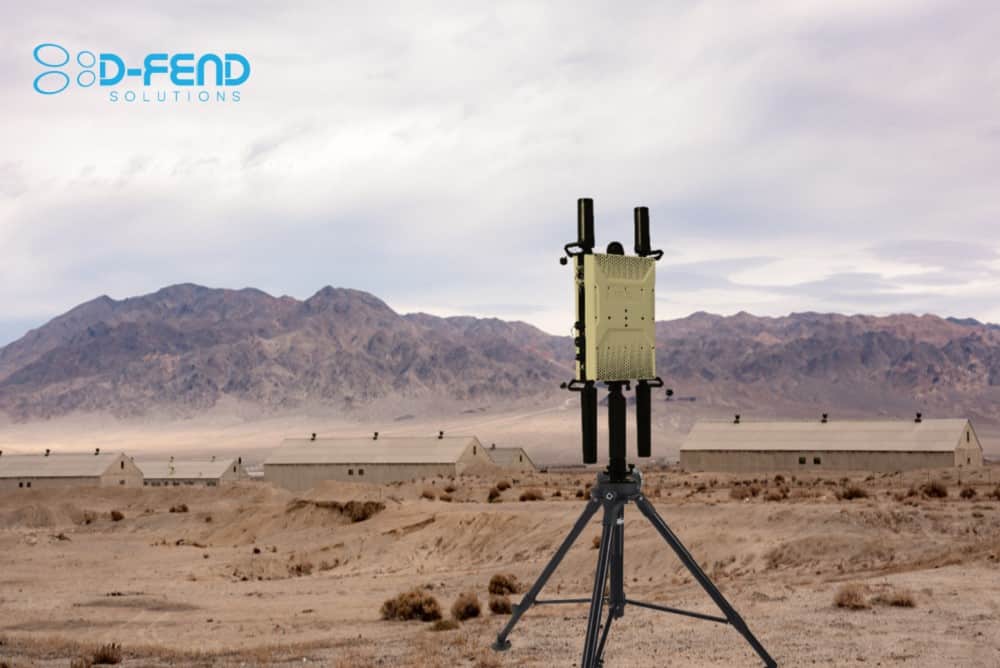
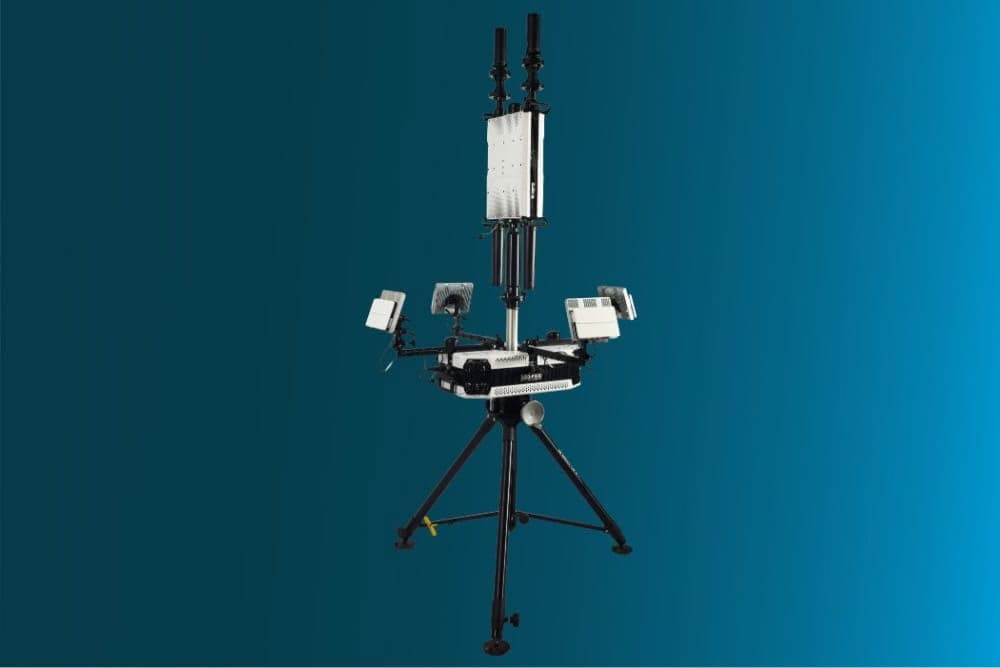
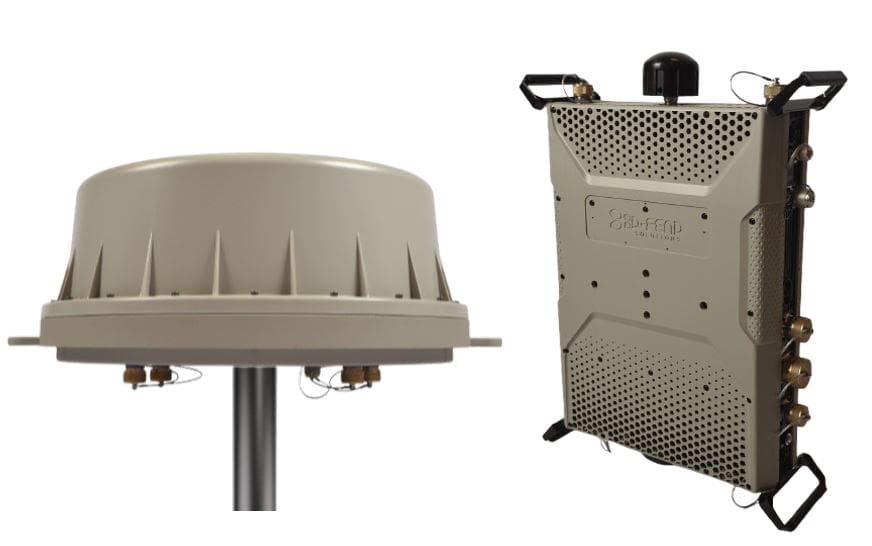
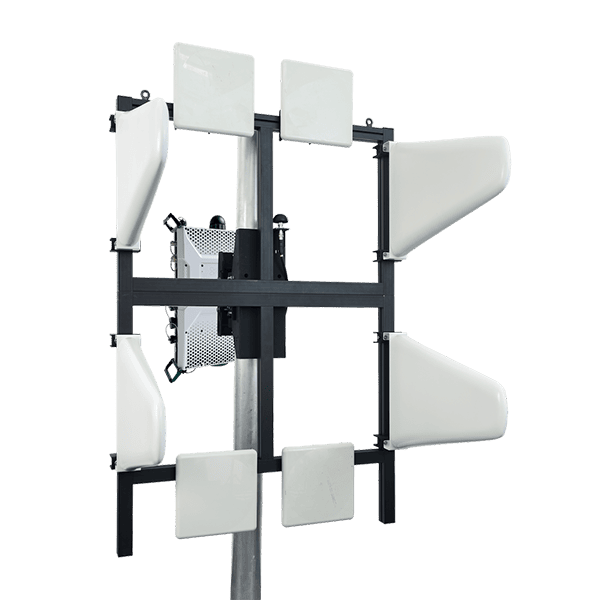
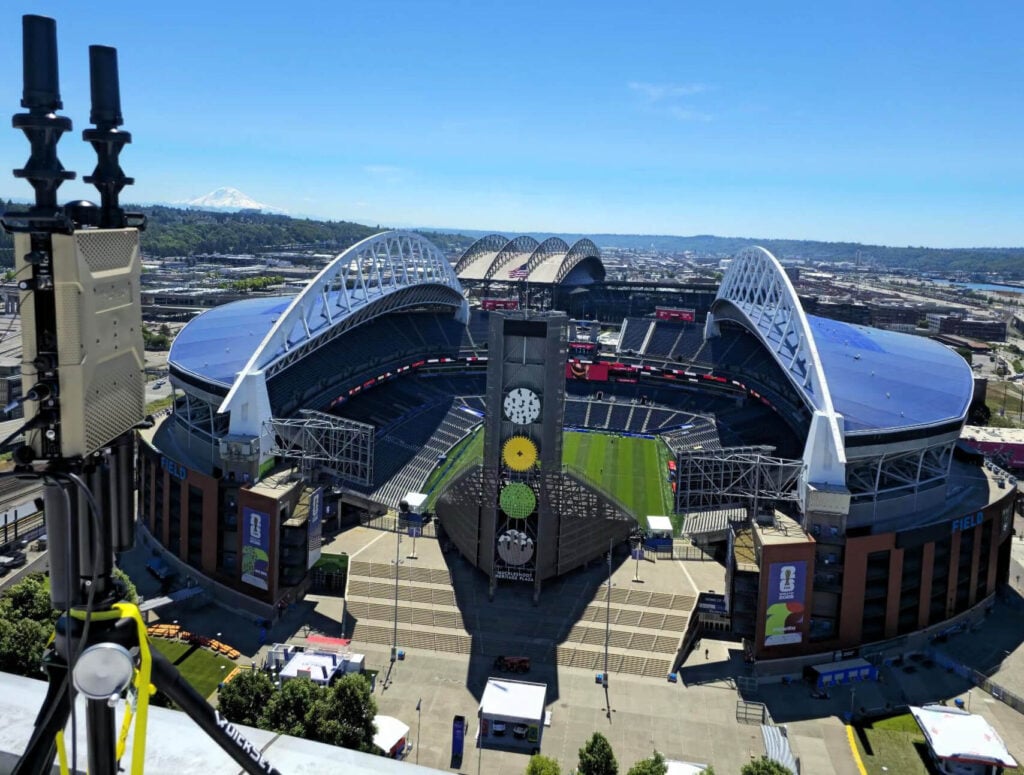
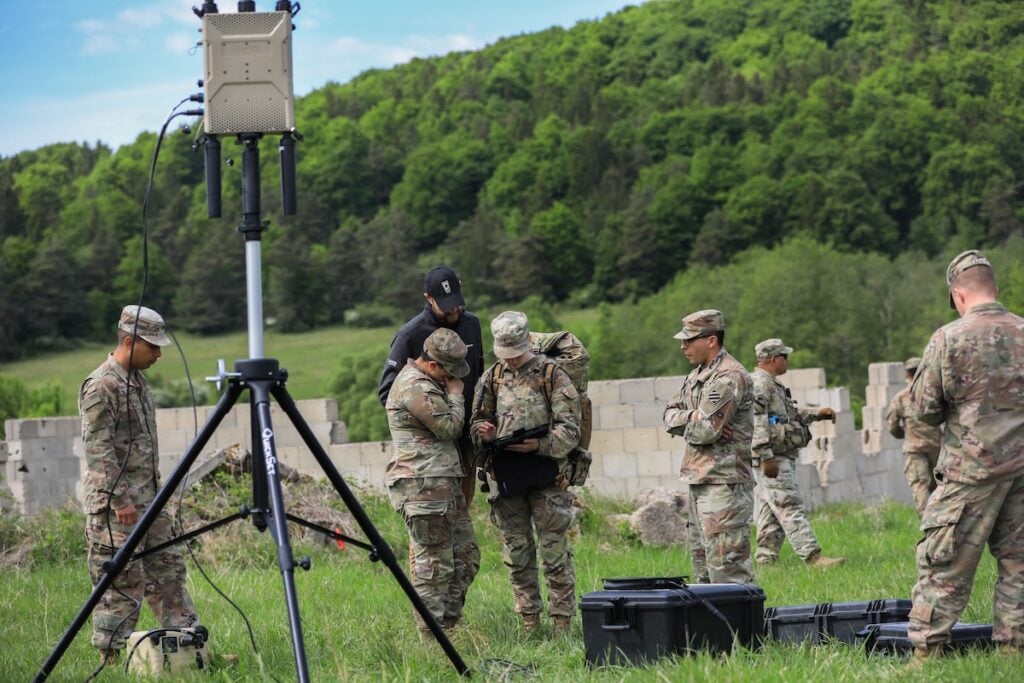
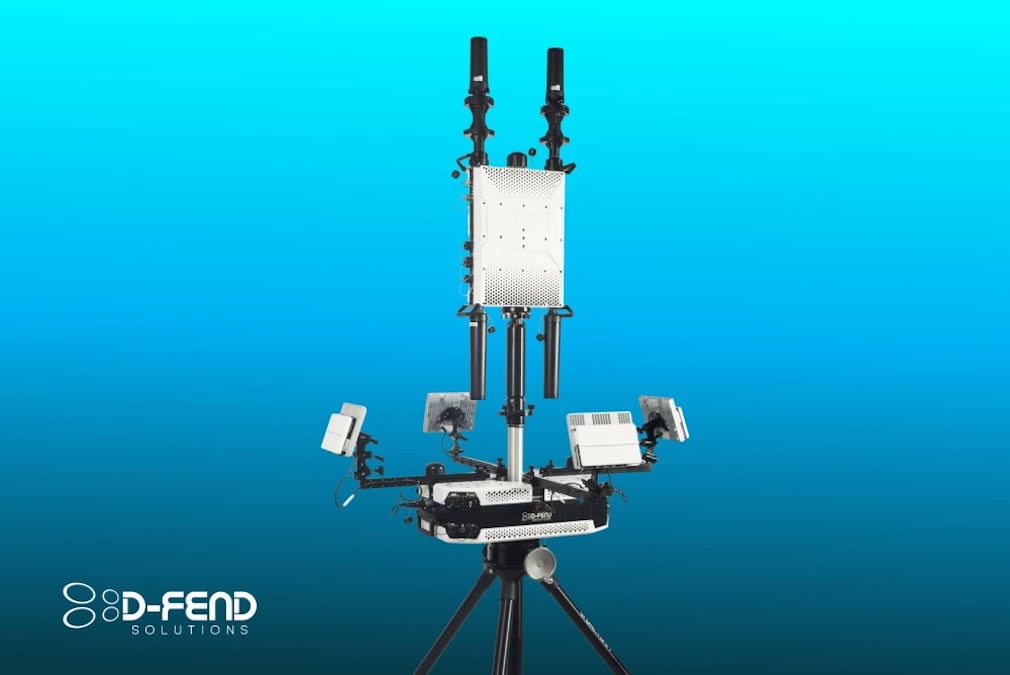
D-Fend Solutions’ EnforceAir applies RF cyber-based technology through cyber-driven, non-kinetic, and AI-enhanced counter-drone capabilities. The system uses RF cyber-takeover technology with accurate location tracking that is less affected by weather conditions and less dependent on a clear line of sight than other technologies.
Autonomous threat recognition can also reduce the need for human intervention when identifying drone threats, helping organizations allocate critical personnel resources to other operational requirements.
Whitelisting, Tagging and Location Information
Accurate drone identification enables operators to maintain a whitelist of aircraft authorized to operate within designated airspace. Trusted drones conducting legitimate functions can therefore continue operating without disruption, supporting operational continuity and mission effectiveness.
Tagging provides additional information when unauthorized drones return during subsequent incursions. If the same aircraft reappears, operators can immediately identify it as a known offender, enabling teams to escalate their response, commit additional resources, and prioritize efforts to locate the pilot.
Determining both the pilot’s position and the drone’s home location provides further context for evaluating an incident. Operators can assess not only where the aircraft is operating but also the pilot’s location and changing behavior as events develop.
For example, a pilot may launch a drone from its home location before beginning to move in a vehicle. This pattern can indicate potential deliberate evasion. Counter-drone personnel encountering such activity may need to assign greater urgency to the incident, prioritize available resources for locating the pilot, and, where permitted, prepare for digital forensic examination after the aircraft has been seized.
Enabling Risk-Based Counter-UAS Mitigation
With EnforceAir, counter-drone operators gain access to drone attributes that can be used to assess and prioritize the threat level of detected aircraft and determine an appropriate mitigation response.
D-Fend Solutions applies a strategic, risk-based approach to analyzing, assessing, and prioritizing drone activity to support effective counter-drone mitigation. Detailed identification provides the foundation required to make this approach actionable, repeatable, and scalable during field operations.
For technology evaluators, these capabilities provide criteria for assessing potential C-UAS solutions. For operational personnel, detailed identification provides practical information for addressing repeated and evolving threats over time.
Giving greater consideration to identification within the DTI framework can improve how organizations understand and manage activity within protected airspace. Knowing which drones are operating, understanding their attributes, and distinguishing authorized activity from potential threats provides the information required for effective counter-UAS decision-making.