Antillion‘s portable edge computing technology has supported one of the British Army’s most significant command and control exercises, providing the high-performance compute infrastructure required for a hidden headquarters established beneath the streets of central London.
Antillion’s systems supported Exercise Arrcade Strike, a major command post exercise led by the Allied Rapid Reaction Corps (ARRC), NATO’s premier deployable corps headquarters. The exercise demonstrated the importance of rapidly deployable, edge-based computing capabilities in enabling complex, multi-domain military operations from austere and unconventional locations.
Held within the disused platforms of Charing Cross Underground Station, the exercise brought together up to 500 personnel to test the ARRC’s ability to plan and command operations involving approximately 100,000 military personnel from the UK and NATO allies. From the concealed underground headquarters, commanders coordinated activities spanning land, maritime, air, space and cyber domains while processing more than 10TB of operational data each day.
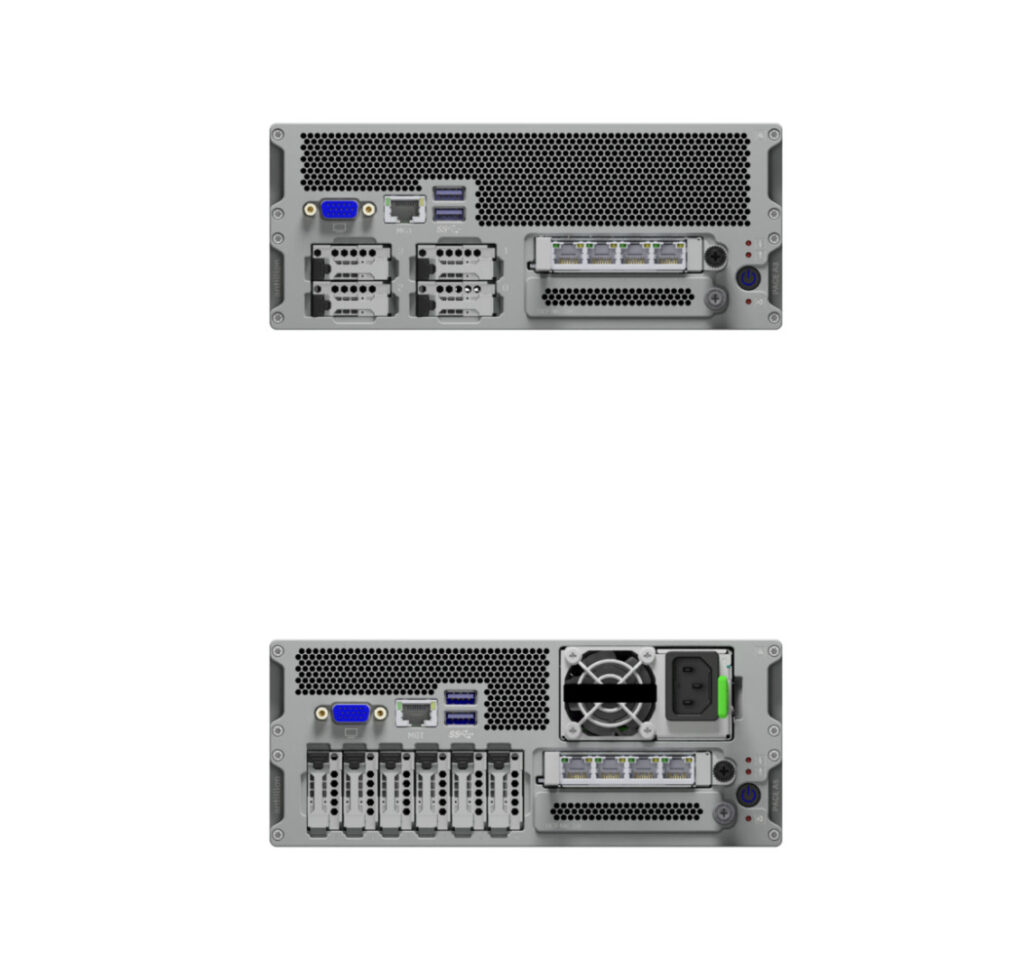
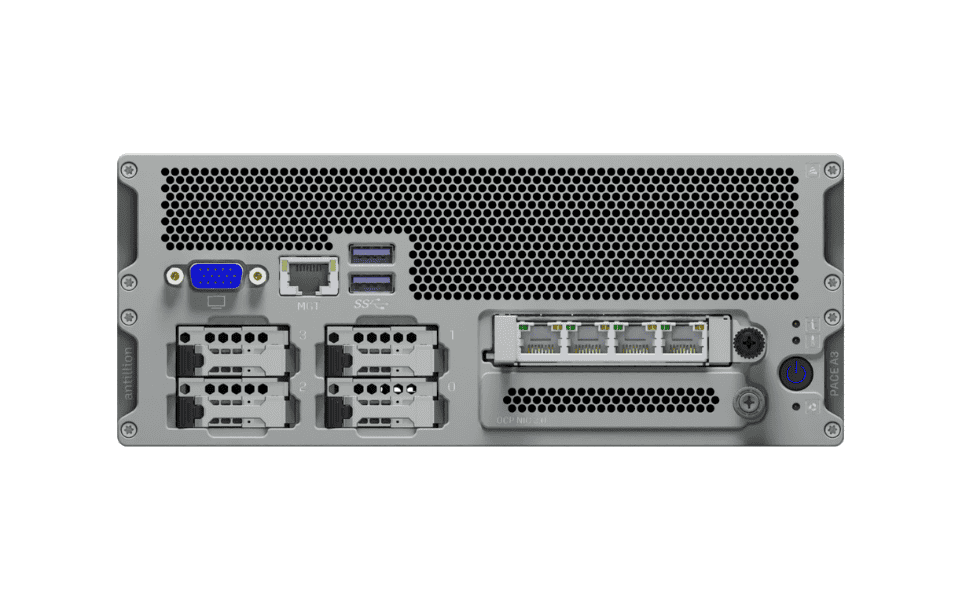
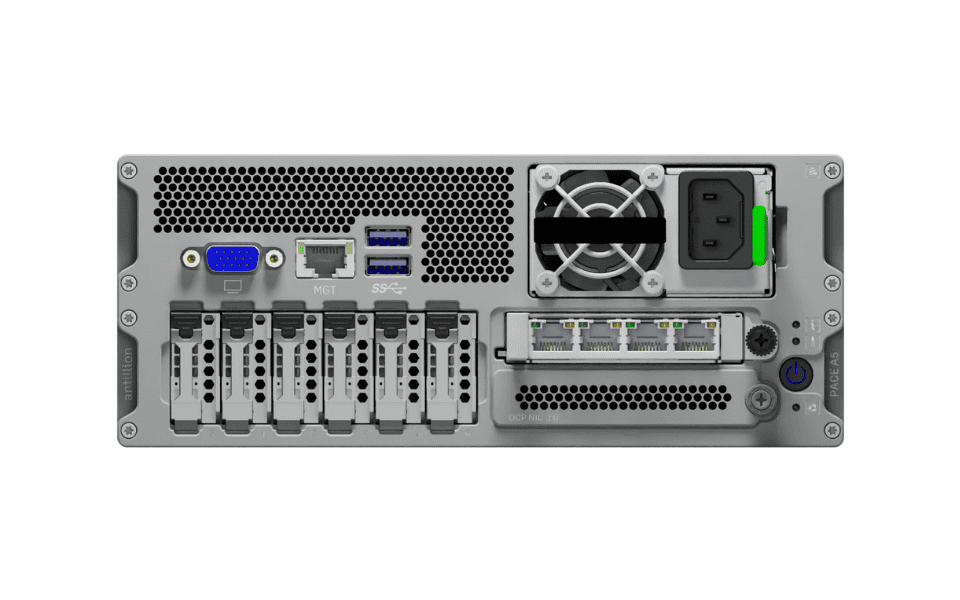
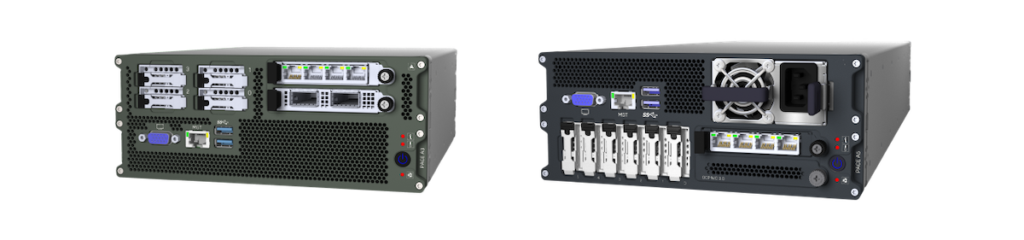
The deployment highlights the growing demand for rugged, portable computing platforms that can be rapidly established outside traditional data centre environments. Antillion’s PACE AIR platform was developed specifically around these operational requirements, delivering scalable, tactical compute and storage in a compact, air-cooled architecture designed for deployment closer to the operational edge.
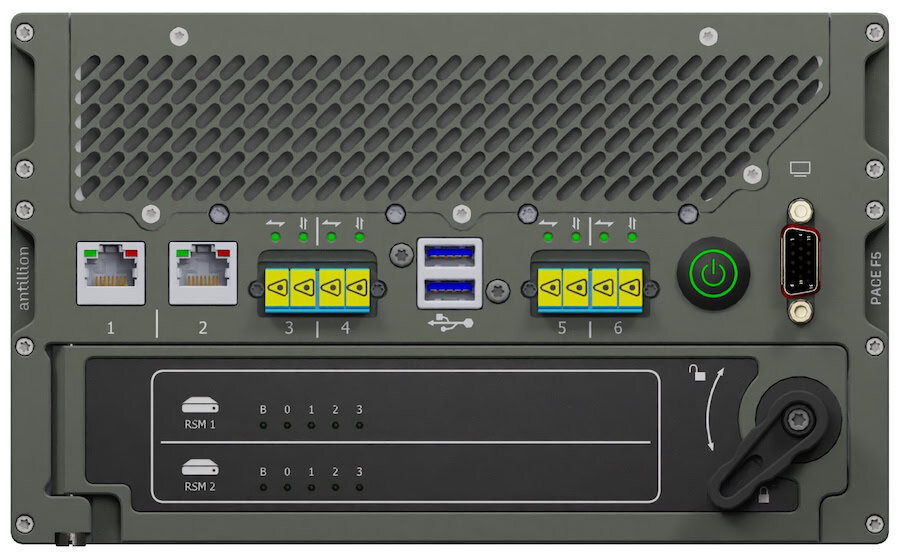
Unlike conventional server hardware, which is typically designed for fixed installations, PACE AIR provides high-performance computing capability in a portable form factor suitable for defence, industrial and other edge applications where space, mobility and rapid deployment are critical. The platform forms part of Antillion’s broader PACE ecosystem, alongside the more rugged FRONTIER platform, both engineered to provide secure, resilient compute infrastructure in more austere environments.
Exercise Arrcade Strike also served as the public launch of the British Army’s new 9 Deep Recce Strike Brigade (9 DRS). The formation is designed to detect and engage adversaries at extended ranges using long-range surveillance drones, rocket artillery with ranges of up to 150 km, and one-way attack drones capable of striking targets up to 600 km away.
A central component of the exercise was Project Asgard, an AI-enabled headquarters platform that aggregates data from battlefield sensors, satellites and intelligence sources to accelerate command decision-making. The volume of data processed during the exercise underscored the requirement for deployable computing infrastructure capable of supporting advanced analytics and AI-enabled command systems at the tactical edge.
The underground headquarters itself required a carefully coordinated deployment. Equipment was transported overnight by civilian vehicles to Ruislip before being transferred onto a specialist Transport for London engineering train for delivery directly to the disused Charing Cross platforms. Following a week-long installation effort, including communications infrastructure provided by 22 Signal Regiment, the concealed headquarters became fully operational for the duration of the exercise.
The project demonstrates how portable edge computing platforms are becoming an increasingly important element of modern military command and control, enabling advanced digital capabilities to be deployed rapidly wherever operational requirements demand. Antillion’s contribution reflects the growing role of ruggedised, deployable compute systems in supporting next-generation defense operations.