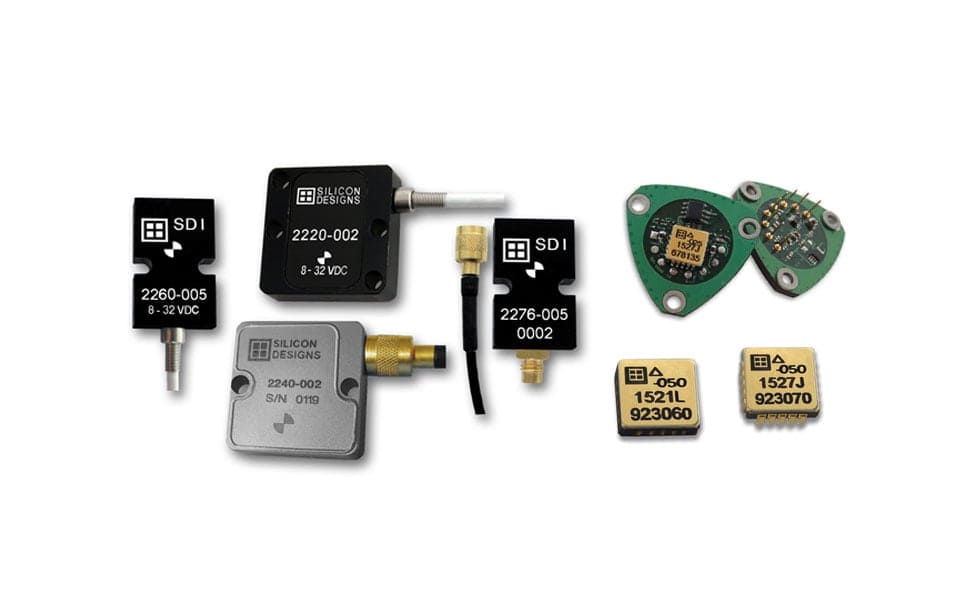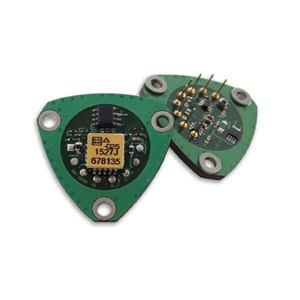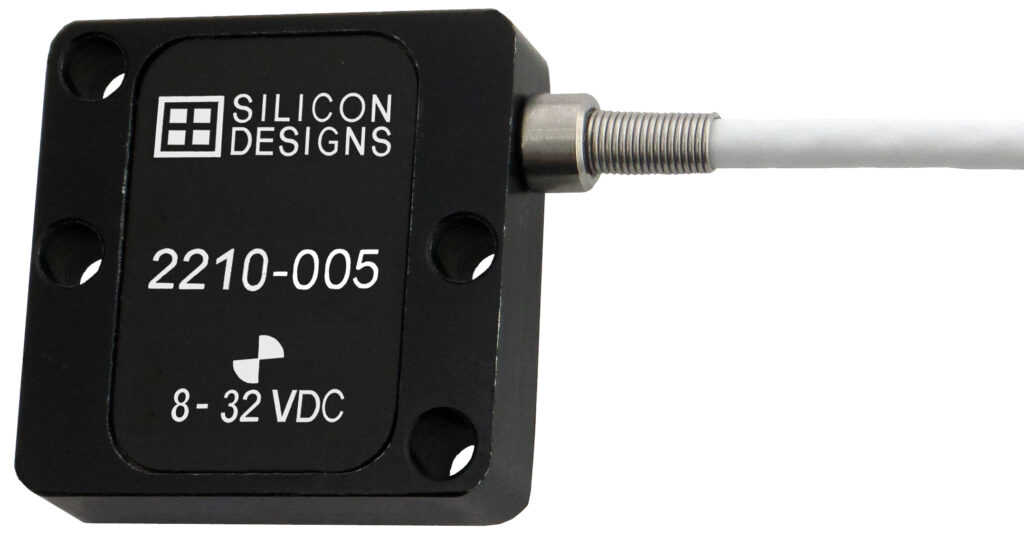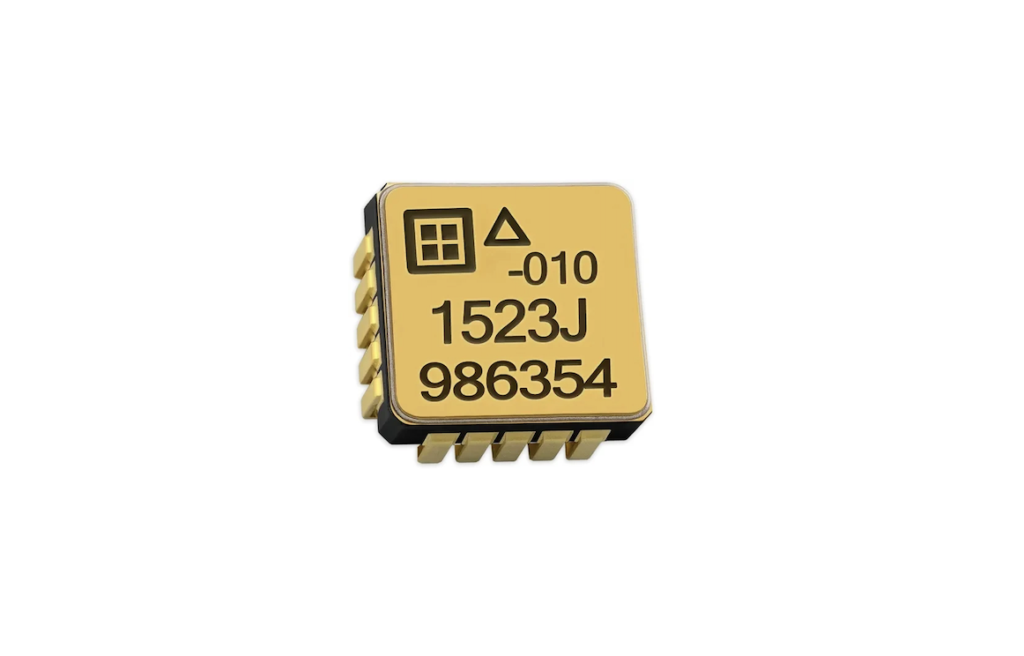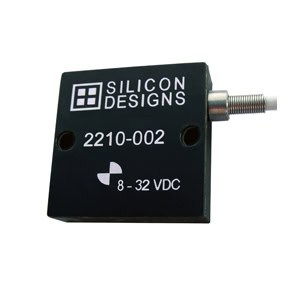




Calibrating a MEMS accelerometer doesn’t require lab-grade equipment or outsourced metrology services, especially when you’re using a Silicon Designs MEMS DC accelerometer. Find out more > >
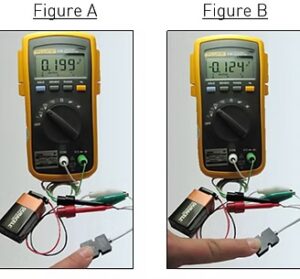
With just a voltmeter and the force of gravity, you can verify accuracy quickly and effectively. This guide outlines a straightforward static calibration method that can be performed in the field or on a benchtop.
Why Calibration is Still Essential
Even stable, low-drift sensors benefit from occasional checks. Over time, small shifts due to handling, mounting, or temperature changes can introduce measurement error. By using gravity as a known reference, you can quickly verify performance and confirm that your data remains accurate and actionable.
What you will Need
You can perform this process using:
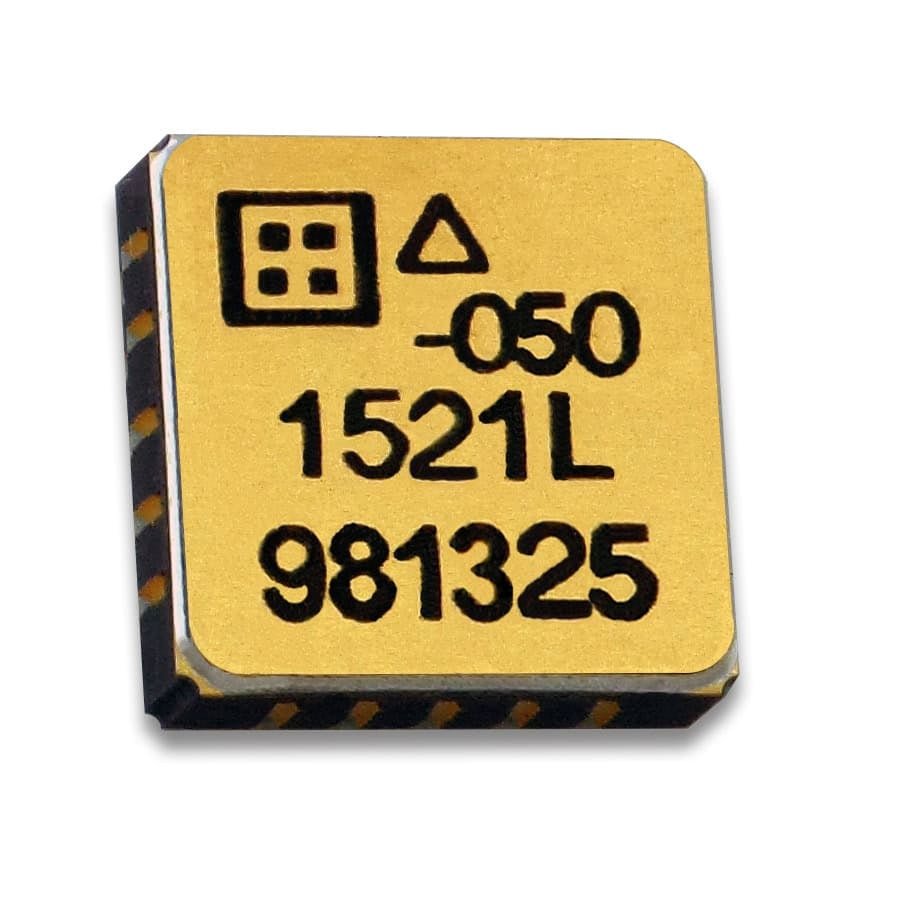
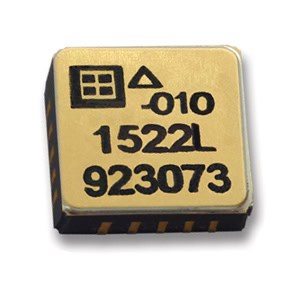
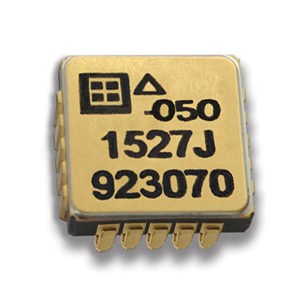
- A Silicon Designs test & measurement module or surface mount accelerometer
- A DC power source between +8 and +32 volts
- A voltmeter or multimeter
- Optional: SDI G-Logger 3330 or 3340, with EB-L or EB-J analog test kit
For surface mount devices, use the appropriate EB kit for connectivity
Estimating Sensitivity without a Calibration Test
If you’re selecting a sensor or estimating performance without recorded values, you can approximate sensitivity using this method:
- Take the sensor’s output span in millivolts. For example, a ±4V differential output equals 4000 mV total span.
Divide that number by the sensor’s g range. If the sensor range is ±25G, then: 4000 mV ÷ 25 G = 160 mV/G
This gives you a rough estimate of the sensor’s sensitivity based on its configuration. For more precise measurements, we recommend using the gravity-based calibration process above.
These steps confirm that the sensor is responding appropriately to gravitational input. Repeat for each axis if using a triaxial model.
Using the G-Logger for Auto-Calibration
For faster results, the SDI G-Logger Models 3330 and 3340 can automate this process. When paired with EB-L or EB-J kits, the G-Logger powers the sensor, logs the data, and calculates all calibration values for up to three input channels. This simplifies setup and improves repeatability in both lab and field settings.
Designed for Practical Field Calibration
This approach works across all Silicon Designs test modules and surface mount accelerometers, regardless of model. It gives engineers and technicians a fast, reliable way to validate sensor performance without returning devices for factory calibration or relying on third-party labs.