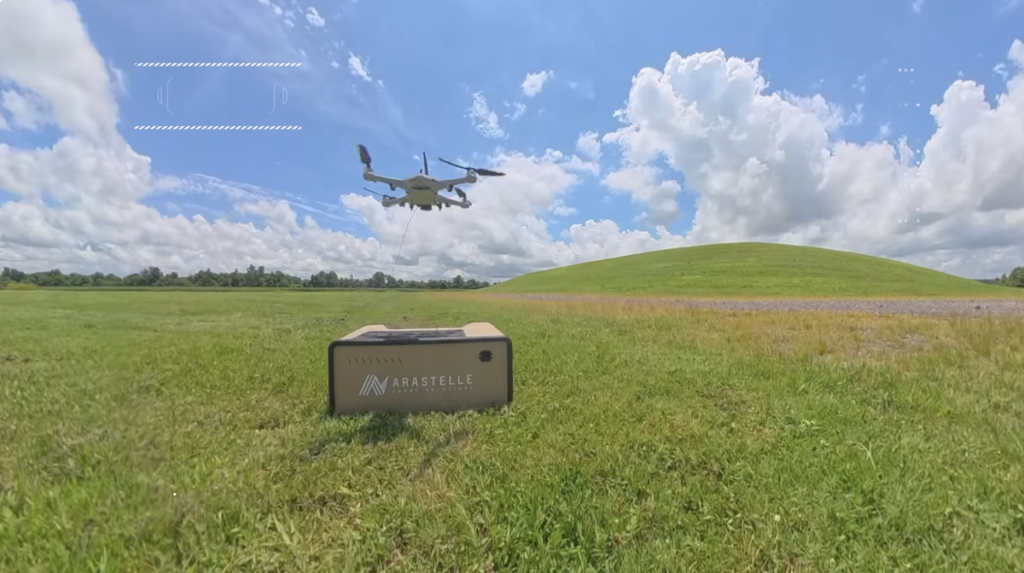

Red Cat Holdings has acquired Quaze Technologies to integrate wireless power transfer technology into its defense and national security drone and robotic systems.
The acquisition addresses one of the most significant remaining barriers to robotic autonomy by reducing reliance on manual battery swaps and precise, connector-based charging systems that can be difficult to deploy reliably in contested or harsh environments.
Québec-based Quaze will operate as an independent business unit under Red Cat, a U.S.-based provider of all-domain drone and robotic solutions. The company will continue to develop and scale its wireless power architecture for integration across Red Cat’s Family of Systems while maintaining a platform-agnostic model supporting third-party Original Equipment Manufacturers (OEMs) across air, ground, and maritime domains.
At the core of the platform is the QU6 electronic architecture, which enables large surfaces to function as wireless energy access points without requiring precise alignment, physical connectors, or direct contact between transmitter and receiver. By eliminating moving mechanical parts, the architecture is designed to operate reliably in field conditions where debris, sand, ice, or snow can disrupt conventional charging solutions.
The acquisition also expands Red Cat’s addressable market by introducing a new revenue channel beyond its own platforms. Quaze’s technology is designed for integration into third-party systems as an embedded power capability, positioning it as a potential standard for wireless power across the unmanned systems ecosystem while allowing Red Cat to generate revenue from systems it does not manufacture.
Jeff Thompson, CEO of Red Cat, commented, “Autonomous systems are only as effective as their ability to stay in the fight. Quaze gives us a critical advantage by removing one of the biggest operational constraints, which is how systems recharge in the field. This enables longer-duration missions, supports distributed operations across air, land and sea, and strengthens our ability to deliver fully integrated, all-domain solutions for the warfighter.”
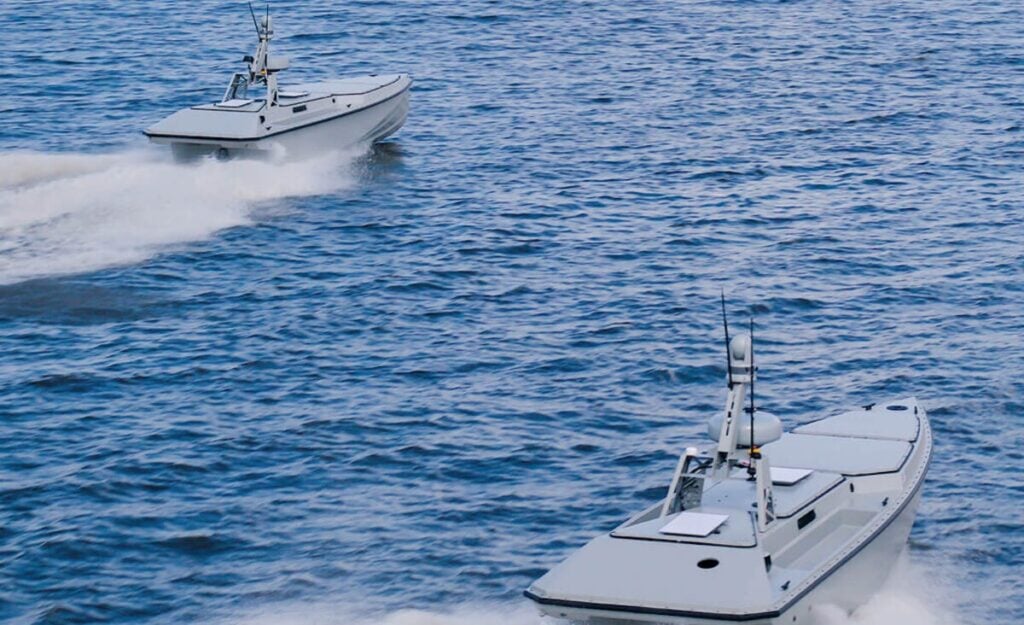
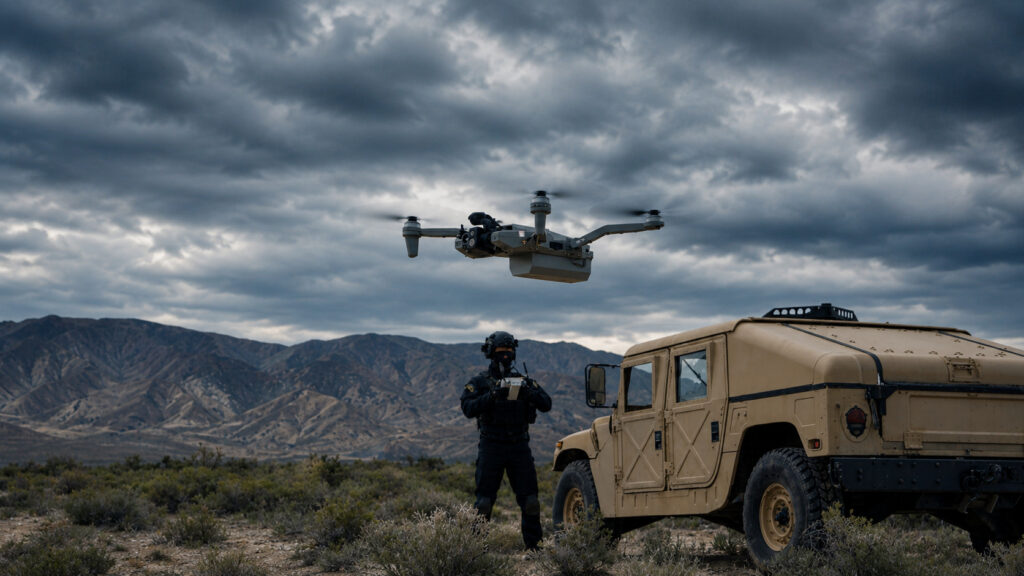
The technology can be deployed across vehicle-mounted systems, drone-in-a-box solutions, uncrewed surface vessels, fixed infrastructure, and underwater charging stations. These deployment options enable operational concepts including vehicle-based “mothership” deployments, distributed charging networks, and persistent operations across complex terrain, borders, infrastructure corridors, and maritime environments. Red Cat expects the technology to play an important role in expanding its all-domain capabilities, particularly as the company advances further into maritime systems and multi-platform autonomy, where wireless charging creates opportunities for swarming, extended ISR missions, and autonomous deployment cycles.
Xavier Bidaut, Co-founder of Quaze Technologies, added, “Robotics has made major advances in autonomy and intelligence, but energy has remained a limiting factor. Our goal is to make power as accessible and reliable as fuel is for traditional vehicles and something every drone or robot can tap into, anywhere, without friction. By joining Red Cat, we can accelerate that vision and help establish a common power infrastructure for autonomous systems across industries.”
Quaze’s technology has been demonstrated across multiple robotic platforms, including aerial drones, ground systems, and autonomous underwater vehicles, and is currently being evaluated for a range of dual-use applications. The company’s focus on simplicity, ease of integration, and operational resilience is intended to support adoption alongside emerging innovations in autonomous systems.