


General Atomics Aeronautical Systems, Inc

Gray Eagle ER Demonstrates Advanced Sensing & Resilience at PC-C5

The MQ-1C Gray Eagle® Extended Range UAS by GA-ASI, has supported the U.S. Army during PC-C5 (Project Convergence Capstone 5), demonstrating enhanced long-range sensing capabilities and survivability against electronic threats By Sarah Simpson / 08 May 2025
Gray Eagle ER Demonstrates Advanced Sensing & Resilience in Army's Project Convergence Capstone 5
Follow DA

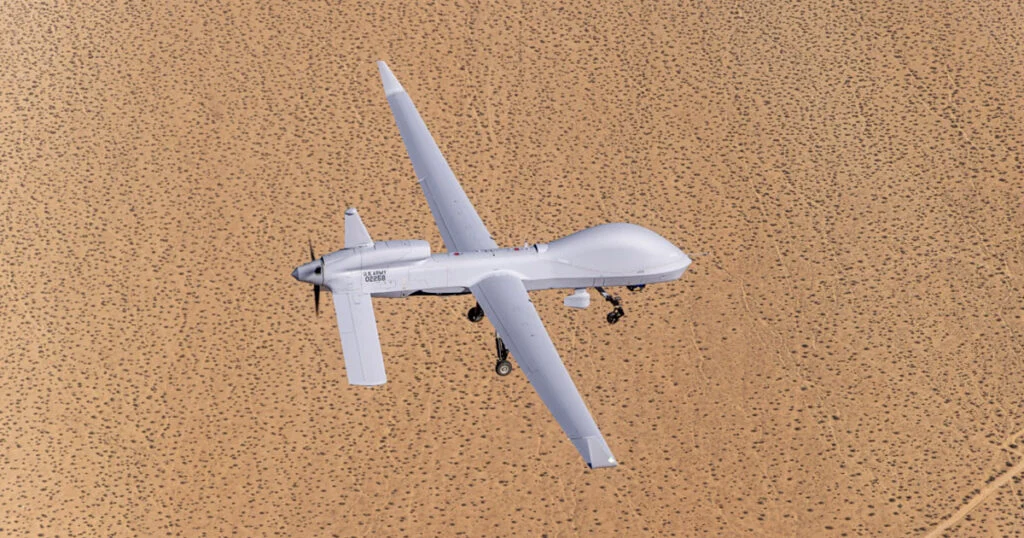
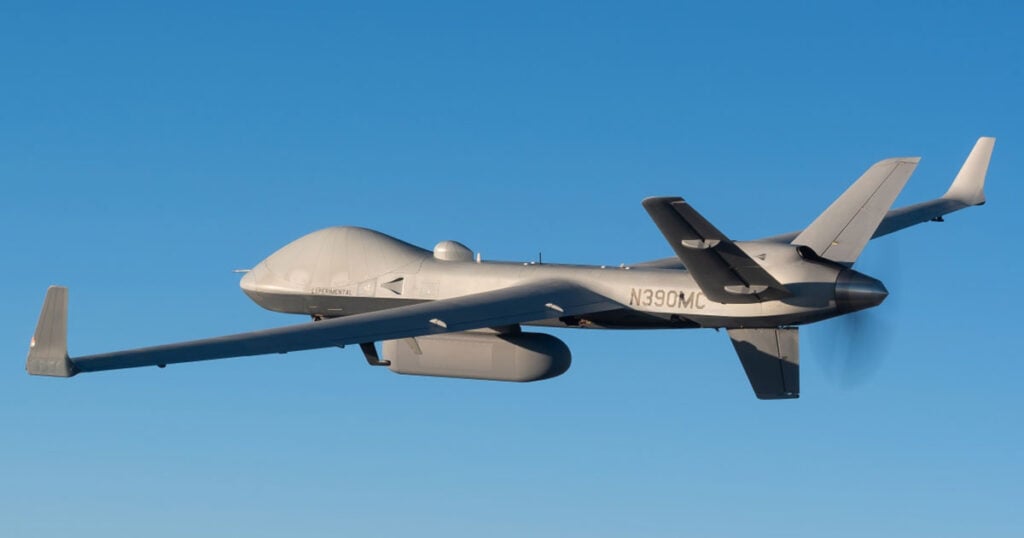
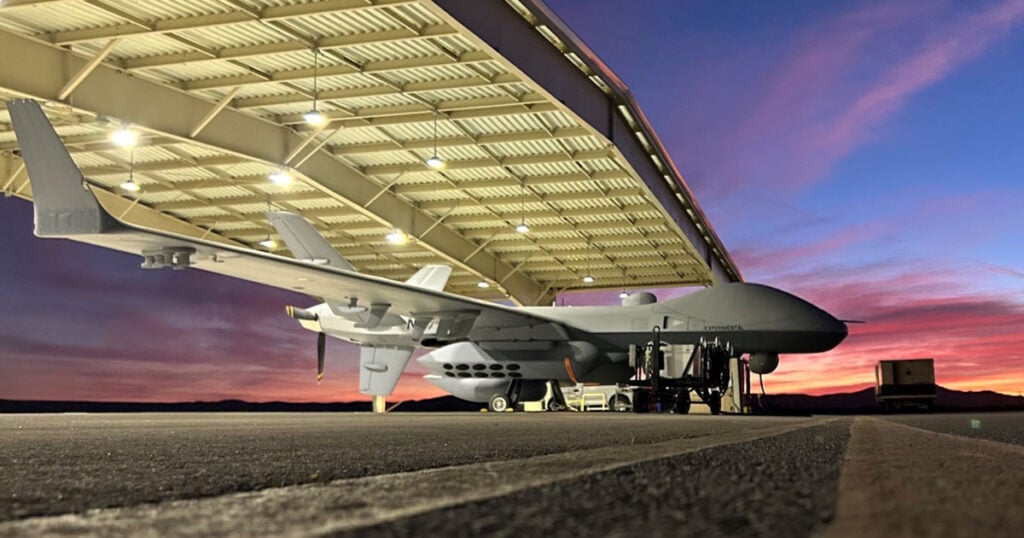
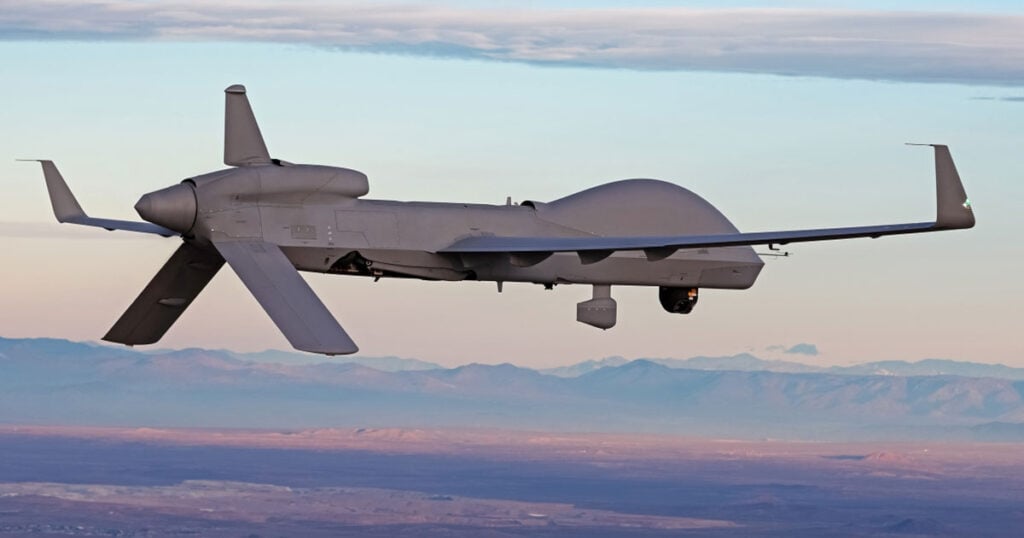
General Atomics Aeronautical Systems, Inc. (GA-ASI) supported the U.S. Army’s Project Convergence Capstone 5 (PC-C5), which ran throughout March and featured an MQ-1C Gray Eagle® Extended Range (GE-ER) Unmanned Aircraft System (UAS).

The GE-ER was equipped with commercially available next-generation long-range sensors that were operated by Army Soldiers throughout the event.

The GA-ASI-produced UAS flew unimpeded by the employed electronic threats and generated targets of interest at Multi-Domain Operations (MDO)-relevant ranges for the 82nd Airborne Division and participating units. The exercise was based out of Fort Irwin, California, and surrounding ranges.

Highlighting the GE-ER’s CMOSS (C5ISR Modular Open Suite of Standards) open architecture, the GE-ER was configured with modernized:

  • Communications Intelligence (COMINT)
  • Electronic Intelligence (ELINT)
  • Synthetic Aperture Radar/Moving Target Indicator (SAR/MTI)
  • Mobile Ad Hoc Network (MANET) radios

The GE-ER was operated at an altitude and range that negated kinetic threats and utilized the long-range sensors to effectively detect, identify, and target threat emitters and vehicles.

The Gray Eagle is a true workhorse,” said GA-ASI President David R. Alexander. “We were able to rapidly integrate third-party systems, develop Soldier-focused interfaces, and disseminate relevant data to support MDO requirements for long-range deep sensing and ATNE. GE-ER’s long-range sensors enabled it to execute missions outside of the threat range, proving survivability against advanced threats.”

In addition, U.S. Army Soldiers demonstrated Gray Eagle’s laptop-based Expeditionary Ground Control System, which significantly reduces the footprint of both personnel and materials. It also enables Soldiers to fly missions from tents, buildings, or mobile shelters as the mission and threat dictate and allows commanders to rapidly relocate or deploy to remote sites without significant infrastructure or strategic air limitations.

The multi-mission, multi-sensor configuration of the GE-ER performed persistent Detect, Identify, Locate, Report (DILR) missions while performing mesh network aerial tier support to maneuver units, connecting the Soldiers and launched effects that might otherwise be obstructed by terrain or be out of range. This demonstrated GE-ER’s ability to transform in contact, fight, and survive against advanced threats and provide easy-to-use human-machine interfaces. The MQ-1C employed ELINT, COMINT, SAR, and Aerial Tier Network Expansion (ATNE) capabilities to support the Combined Joint Task Force (CJTF) to sense, track, identify, and target enemy positions.

Considered the U.S. Army’s premier modernization experiment, PC-C5 brought together joint and multinational partners in a series of complex and realistic scenarios designed to push the boundaries of future warfare capabilities.

To learn more, visit the General Atomics Aeronautical Systems, Inc Partner Hub: Innovation Partner Hub
Posted by Sarah Simpson Sarah has led content for Defense Advancement since its launch in 2020. With a deep interest in defense innovation and a background in research and technical copywriting, she has a passion for showcasing how technology directly contributes to protecting and saving lives, presenting new developments in a way that resonates with a highly specialized audience. Connect

More from General Atomics Aeronautical Systems, Inc

U.S. Air Force Greenlights Production for FQ-42A Uncrewed Combat Jets

General Atomics Aeronautical Systems, Inc. secures a landmark production contract from the U.S. Air Force for the FQ-42A Collaborative Combat Aircraft, marking a major milestone for semi-autonomous military aviation

Jun 19, 2026
MQ-9 Flight Operations Shifted to Fargo International Airport

Runway construction prompts a historic temporary relocation of advanced remotely piloted aircraft, showcasing industry maturity and regional collaboration as non-government operations integrate seamlessly into a commercial aviation hub

Jun 18, 2026
GA-ASI & INTEC Partner to Deliver Sovereign CCA Capabilities for Germany

A newly signed agreement targets the architecture, integration, and logistic support of the flight-proven Gambit Series to meet growing European demand for uncrewed combat jet capabilities

Jun 12, 2026
GA-ASI Invests in Six Dutch Tech Firms & Expands Partnerships

Following the latest Blue Magic Netherlands event, General Atomics Aeronautical Systems is deploying capital and engineering resources to integrate breakthrough Dutch technologies into its advanced unmanned aerial platforms

Jun 10, 2026
GA-ASI Engineers Honored with Three Prestigious AIAA Awards

A team and two individual engineers from General Atomics Aeronautical Systems, Inc (GA-ASI) have been recognized by the AIAA San Diego Section for exceptional achievements in aerospace organization, management and local contribution

Jun 05, 2026
GA-ASI Advances Collaborative Combat Aircraft Integration

General Atomics Aeronautical Systems' landmark flight test successfully paired an F-35 Lightning II with an MQ-20 Avenger surrogate to validate the critical hardware, software, and networks required for future collaborative air combat missions

May 29, 2026
Advancing Defense Capability Through Strategic Collaboration Defense Advancement works with major OEMs to foster collaboration and increase engagement with SMEs, to accelerate innovation and drive defense capabilities forward.