Rugged Displays
Discover cutting-edge solutions from leading global suppliers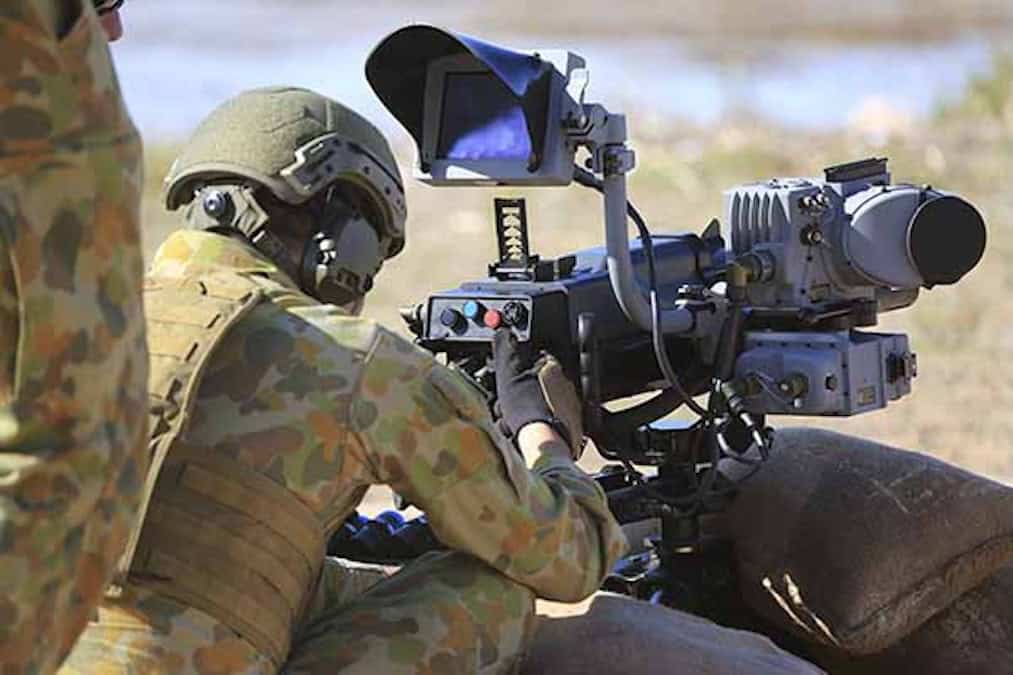
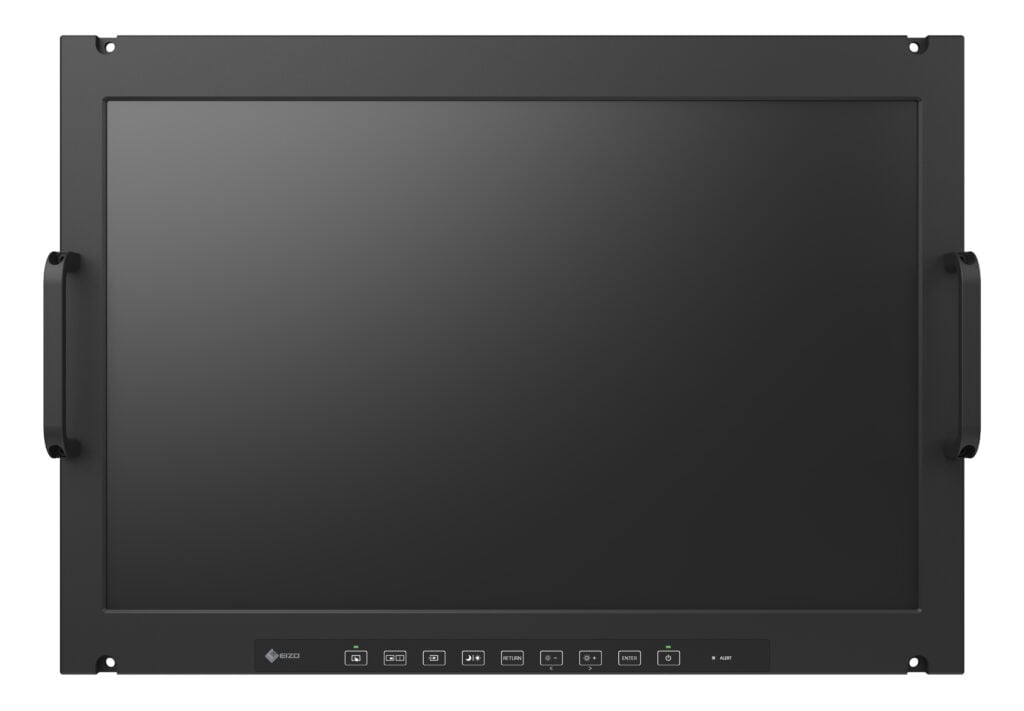
General Digital, developer of rugged displays, workstations and keyboards for defense applications, provides an in-depth guide on the key considerations when sourcing a sealed monitor.
For some industrial and defense applications, a standard off-the-shelf monitor is insufficient. Environments such as car washes, boats, grain silos, mining sites, and explosive zones require sealed monitors to protect electronics from dust, moisture and sand for example.
One factor to consider is the IP (Ingress Protection) rating, grading an enclosure’s resistance to the intrusion of dust or liquids. The operating conditions and environmental threats determine the rating, level of protection required and approaches to sealing.
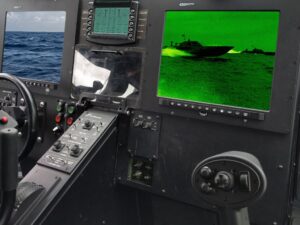
Altitude and depth are also considered. When monitors are used underwater, maximum potential depth must be known, as deeper operations are under higher pressure and more vulnerable. This may need more durable construction and sealing methods, such as overlays or reinforced glass.
If the display is submerged, connectors and interconnects must also be properly sealed, including cables and connection points to prevent corrosion and unit failure.
Surface vessels, such as combatant craft, have different requirements to submarines. Higher altitudes or frequent altitude changes can cause condensation, which can be prevented with proper configuration.
For sealed systems used in deep underwater environments, cooling is a concern, since external airflow is not available to dissipate heat, even when surrounded by cool water. In sealed systems, internal ambient temperature typically increases by about 10°C, endangering internal electronics even with heat sinking, internal fans, or low-power components.
To mitigate thermal risks, there are different solutions available which depend on the application. Ambient light sensors can automatically adjust display brightness, preventing excessive heat buildup from unnecessary brightness.
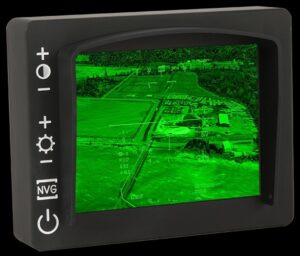 Thermal sensors paired with intelligent backlight controllers can reduce brightness when internal temperatures rise to dangerous levels, preventing electronic failures. Though override features may be needed in mission-critical scenarios such as combat.
Intelligent power management controllers, like the 90-3064-023, can restrict system power usage and allocate it based on a priority list. Some sealed displays are limited to 12W of power consumption, with units able to be programmed to favor backlight power over LCD heaters.
Transflective or genflective panels, instead of high brightness backlights, are used, enabling display operation in direct sunlight without extra power or heat needed for a bright display. However, these are only suitable for applications without overlays like touchscreens or EMI filters, which block light transmission.
More extreme environments, such as exploration defense or military applications, often require monitor customizations that go beyond those of the highest IP rating. Enhancements increase cost but are vital for reliability. In some cases, sealing alone is not enough, with rugged monitors needed.